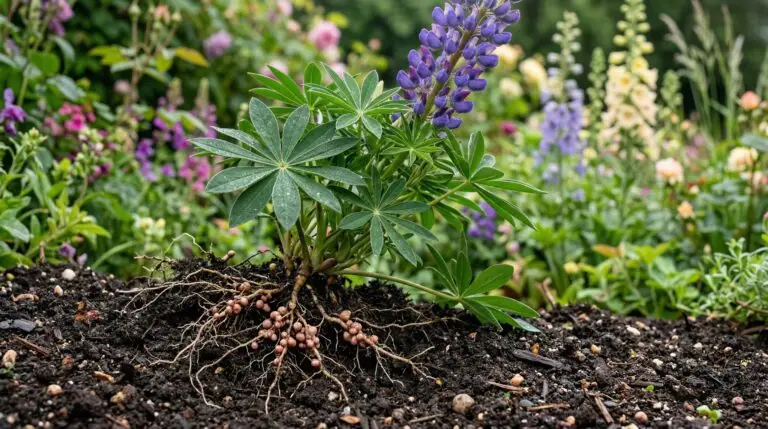
Roman botanists observing the natural world noticed a curious tall plant growing in poor, sandy soils where almost nothing else survived. They assumed the plant was ravenous, aggressively eating all the available nutrients in the dirt and starving out the competition. They named it Lupinus, derived from lupus, the Latin word for wolf. This botanical misunderstanding shaped early lupine meaning, painting the flower as a predator of the earth. In reality, the exact opposite is true of this resilient plant. Lupines belong to the legume family, and they have a symbiotic relationship with soil bacteria that allows them to fix nitrogen from the air and deposit it directly into the ground. Rather than stealing life from the soil, the wolf flower actually feeds it, preparing the barren ground for other plants to eventually follow.
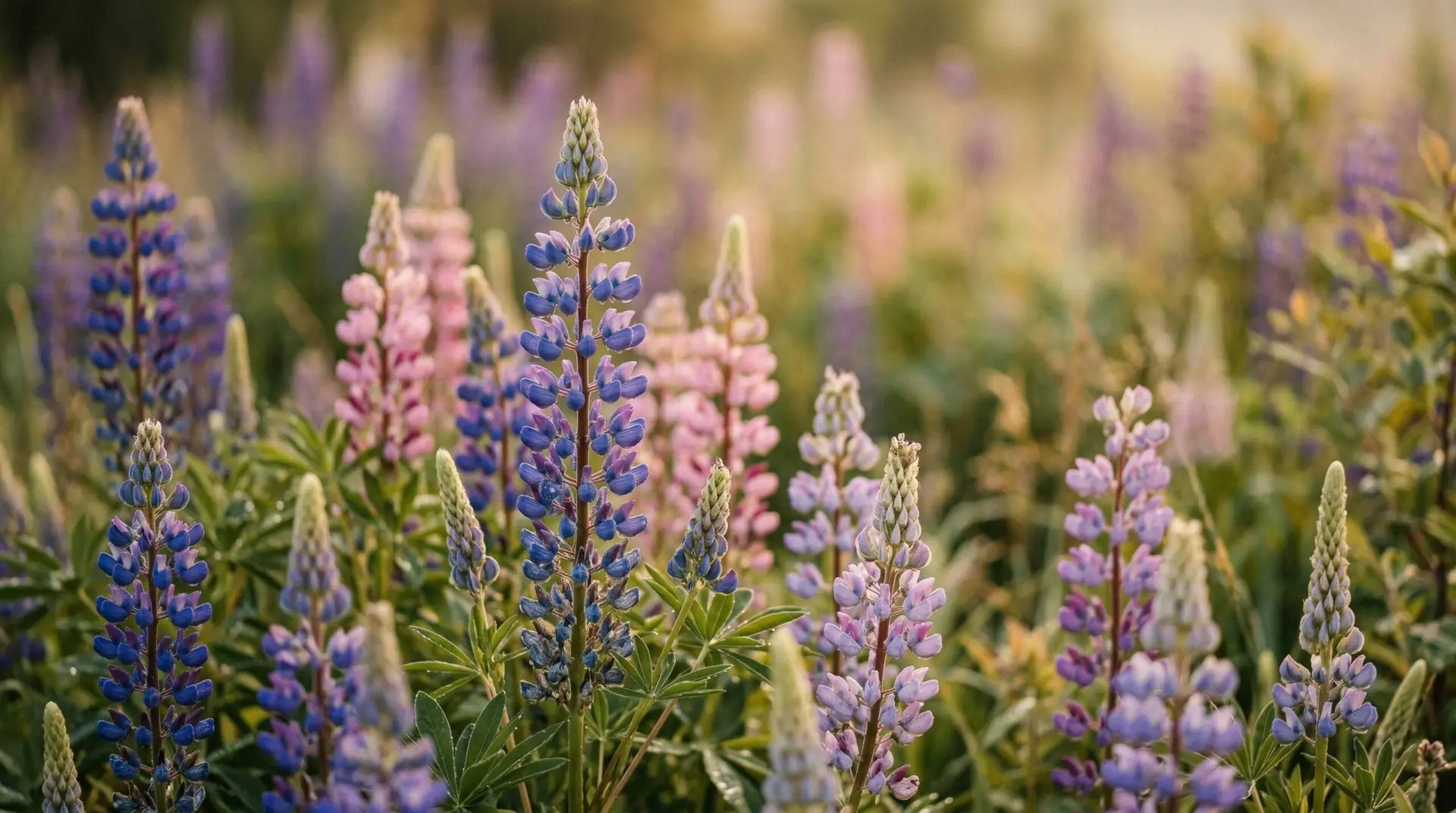
This hidden generosity changes how we understand lupine symbolism today. A plant once accused of destruction is now recognized as a pioneer species that brings renewal to desolate places. When the tall spires push through gravel and sand in early spring, they signal a transformation of the harsh earth into something hospitable. Gardeners and foragers alike watch the palmate leaves unfold like open hands catching the morning dew. Soon after, the vertical stalks rise and open their pea-like blossoms from the bottom up. The sheer determination required to bloom in such unforgiving conditions connects the flower to concepts of imagination and creativity. It takes a certain kind of vision to look at an empty stretch of roadside dirt and see a future field of blue, purple, and pink.
Sowing seeds of imagination
The connection between these wildflowers and the creative spirit found its most famous expression in a children’s book published in the late twentieth century. Barbara Cooney wrote and illustrated the story of “Miss Rumphius”, a woman who traveled the world and retired by the sea with a mandate from her grandfather to make the world more beautiful. After a harsh winter left her bedridden, she noticed the lupines she had planted the previous year had multiplied on the hillside outside her window. The wind and birds had carried the seeds across the rocky coast. When her health returned the following spring, she ordered five bushels of lupine seed and spent the summer wandering the country lanes, roadsides, and hollows, scattering handfuls of seeds wherever she went. The townspeople called her the Crazy Lupine Lady, but the next spring revealed hillsides painted in blue and purple. The story cemented the flower as an emblem of quiet, persistent creativity.
Because of this beloved story, lupine flower language speaks directly to the desire to leave a positive mark on our surroundings. The act of scattering seeds without knowing exactly where they will take root is an exercise in pure imagination. You have to trust the wind, the winter rains, and the warming soil to finish the work you started. This makes the blossom a perfect gift or symbol for artists, writers, and anyone beginning a new creative project. The tall, sturdy spikes reach upward in a display of optimism, carrying dozens of individual blossoms on a single stem. They do not demand manicured beds or heavily amended garden soil to perform their magic. Their happiness is found in the wild margins, along highway embankments, and in the forgotten corners of coastal towns where the salt spray keeps more delicate plants away.
A sudden sea of blue
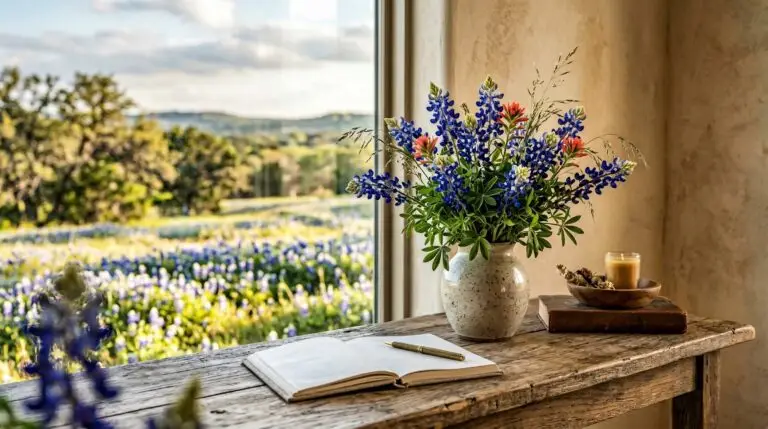
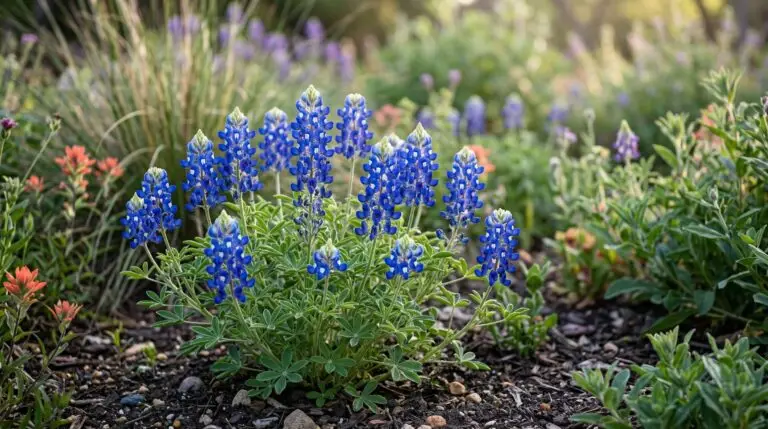
Far from the rocky northern coasts, another species of this plant tells a story of fierce regional pride and unyielding wildness. The Texas bluebonnet is a specific type of lupine that transforms the rolling hill country into an ocean of deep blue every April. Spanish explorers first noted these dense carpets of blue flowers centuries ago, and early settlers thought the petals resembled the sunbonnets worn by pioneer women. The bluebonnet was adopted as the official state flower in the early twentieth century, and it quickly became a symbol of Texan identity. Families still pull their cars onto the shoulders of busy highways to take photographs of their children sitting among the blooms. The state highway department actively seeds the roadsides with bluebonnets, timing their mowing schedules to allow the plants to drop their seeds before the grass is cut. This massive, coordinated effort ensures the return of the flowers year after year.
This specific regional devotion highlights another layer of lupine meaning, one rooted in freedom and untamed spaces. You cannot easily force a wild bluebonnet into a formal, structured garden bed. They resent being transplanted, and their deep taproots make them difficult to move once they have decided where to grow. They demand their own terms, germinating only after the tough seed coats have been scarred by rough weather, gravel, or the harsh conditions of winter. This stubborn independence is exactly what makes them so beloved by the people who wait for them every spring. The brief, intense blooming period feels like a sudden holiday, a few short weeks where the earth itself dictates the mood of the entire region. When the heat of early summer arrives, the bluebonnets fade, leaving behind fuzzy seed pods that eventually pop open in the sun, firing their seeds into the dry grass to wait for autumn rains.
Reaching for the summer sky
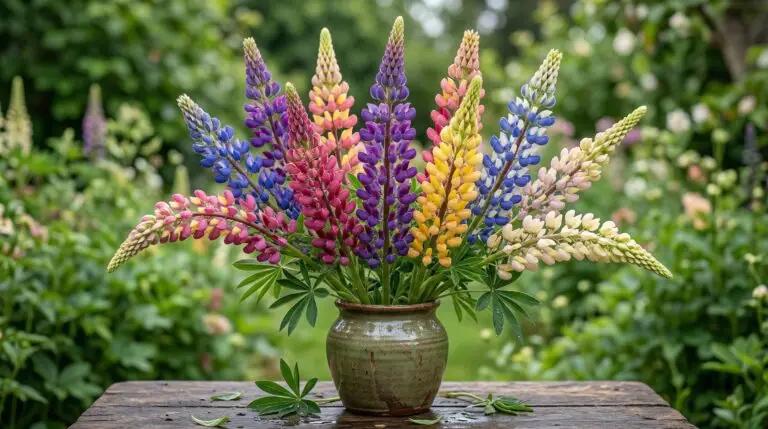
While the wild species thrive on neglect, horticulturalists have spent generations developing taller, more colorful varieties for the home garden. George Russell, a British gardener working in the early twentieth century, spent two decades cross-breeding different lupine species in his allotment garden. He selected for denser flower spikes and a wider range of colors, eventually introducing the famous Russell hybrids that feature bi-colors of yellow and pink, deep reds, and pure whites. These towering garden varieties bring a strong vertical element to the early summer border. They often bloom right as the spring bulbs fade and before the heavy heat of July sets in. In a classic cottage garden, you might see them planted alongside other towering perennials like Delphinium elatum, creating a backdrop of tall, colorful spires. They also pair naturally with the bright, papery cups of the Poppy, another flower that appreciates good drainage and resents having its roots disturbed.
As the seasons turn and the tall spikes go to seed, the story of the plant returns to the soil. The fuzzy pods dry out and twist in the late summer heat, finally snapping open to scatter their heavy, pebble-like seeds into the dirt. Those seeds lie dormant through the autumn rains and the freezing winter snows, protected by their hard outer shells. They wait for the ground to thaw and the days to lengthen before they begin the hard work of pushing a deep taproot into the rocky earth. When you hold a handful of these seeds in your own garden, you are holding a promise of future resilience. You are participating in a tradition of making the world a little more beautiful, one handful of dirt at a time. The wolf flower asks for very little, only a patch of bare ground and the patience to let it grow wild.
More About Lupine
Wild lupines along American roadsides and meadows and where to see them bloom
Why lupines die after a few years and how to keep them going through seed saving
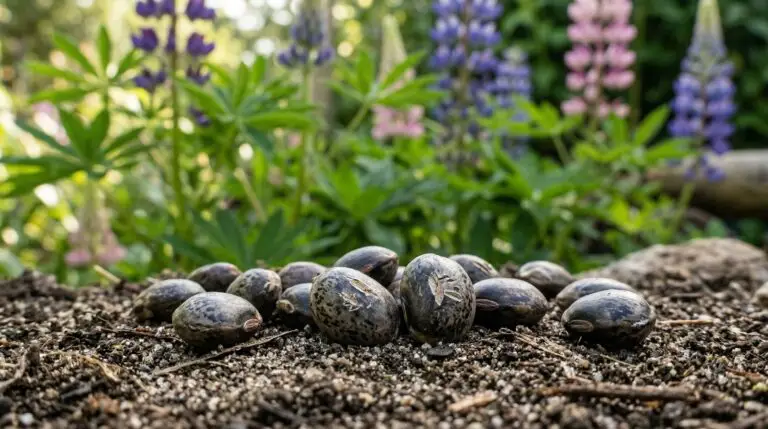
Growing lupines from seed and the scarification trick that unlocks fast germination
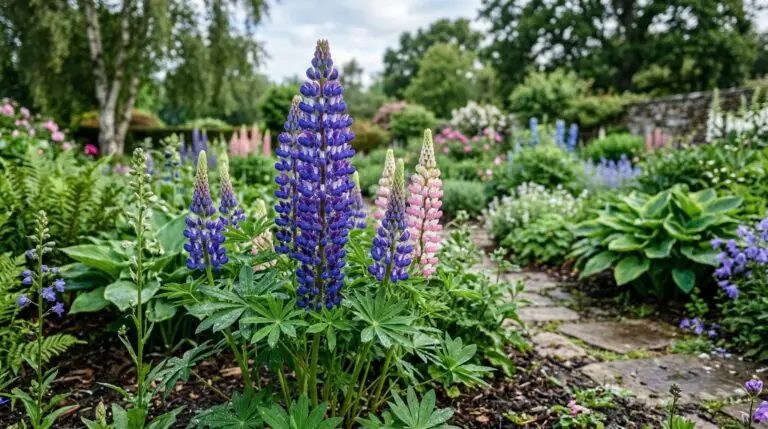
How to grow lupines for dramatic flower spires that bring cottage garden magic
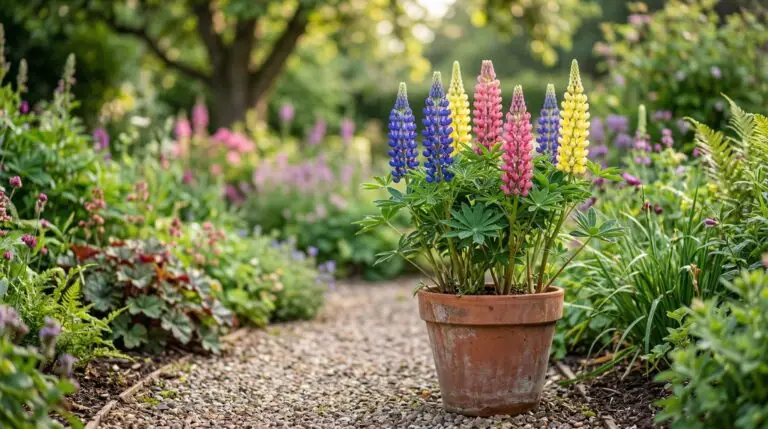
Growing lupines in containers for a vertical flower show on patios and doorsteps
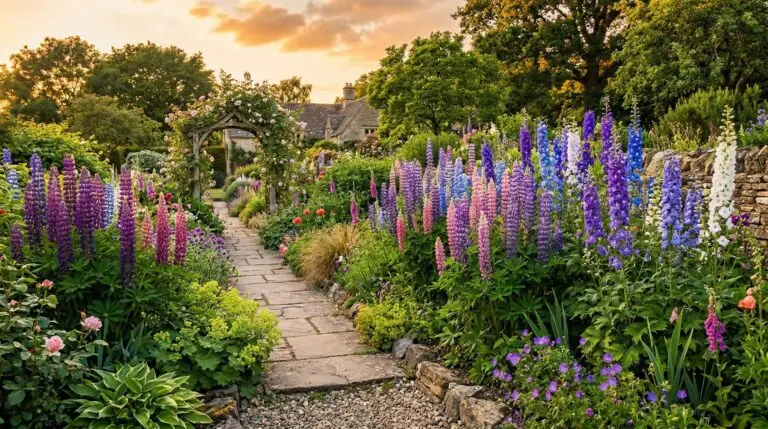
Lupine companion plants: what to grow and what to avoid
Lupines in hot climates and the challenge of growing these cool-weather beauties in the south
Lupines as nitrogen fixers that naturally enrich and improve your garden soil