Alstroemeria is a staple in cutting gardens, but it often frustrates new growers who treat it like a typical herbaceous perennial. When you approach an alstroemeria plant with a pair of pruning shears, you are already making a fundamental mistake in its cultivation. Unlike most garden flowers that respond well to snipping off spent blooms, this plant requires a more physical approach to deadheading. If you simply cut the top off an alstroemeria stem, the remaining stalk will slowly yellow and die back, taking up space and energy without producing any new lateral growth. To keep these plants vigorous and blooming continuously through the season, you must put away the secateurs and learn to pull the stems directly from the base.
The reason for this specific technique lies in the plant’s underground architecture. Alstroemeria grows from a fleshy, brittle rhizome, which is a modified subterranean stem that stores nutrients and pushes up new shoots. When you pull a mature stalk clean from the crown, the slight subterranean wound actually stimulates the rhizome to initiate new vegetative growth. This response is quite different from what you see when deadheading a dahlia, where cutting above a leaf node encourages the plant to branch outward. With alstroemeria, the entire stem is determinate, meaning it grows to a set length, flowers, and then its life cycle is complete. Leaving half of that spent stem attached to the rhizome only invites fungal rot down into the crown during wet weather.
Understanding the rhizomatous root system
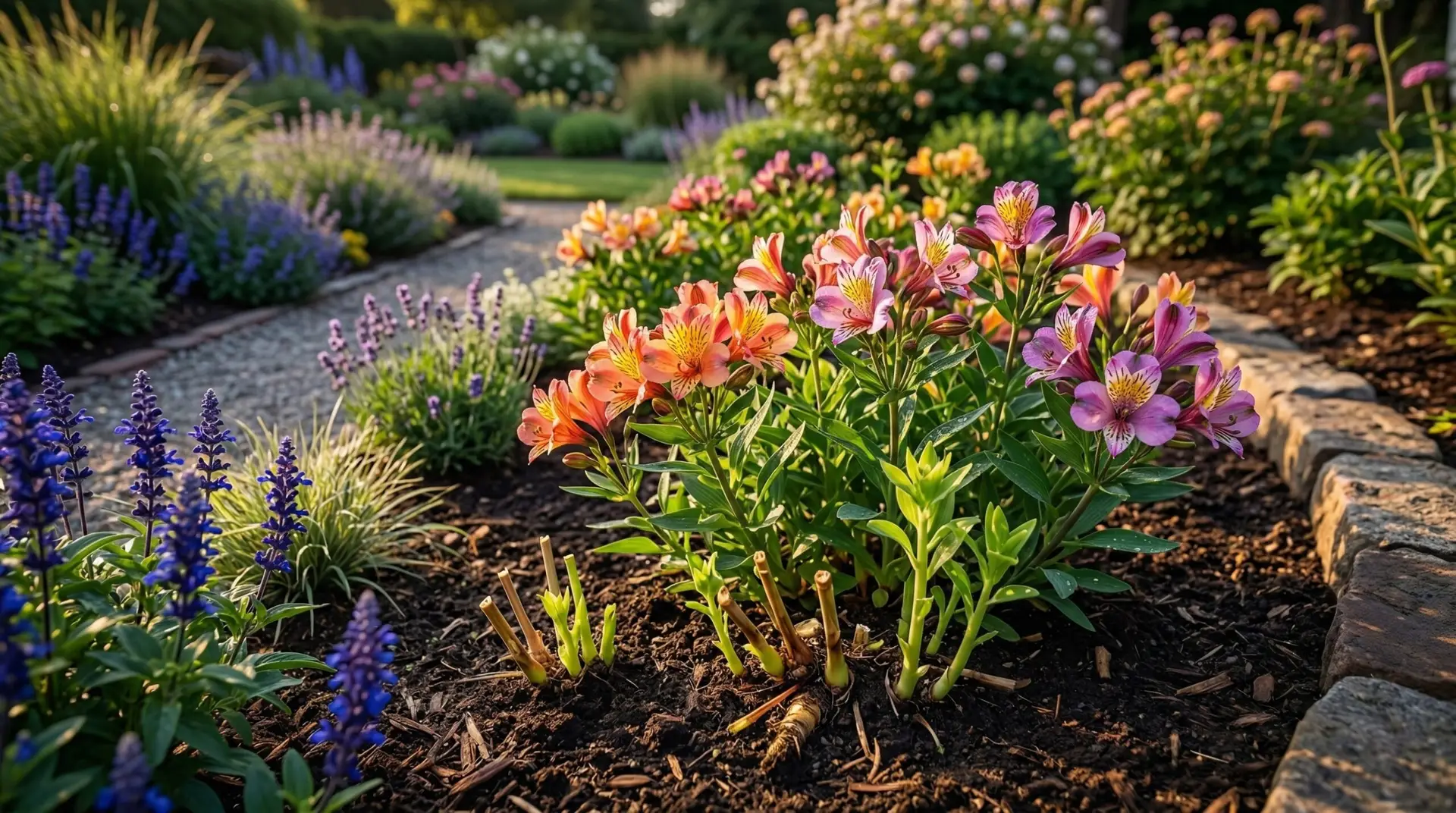
To master deadheading alstroemeria, you need to visualize what happens beneath the soil surface. The rhizome network spreads horizontally, producing vertical shoots that emerge tightly clustered together. Each individual shoot originates from a basal meristem, a localized region of actively dividing cells at the attachment point on the rhizome. When you firmly detach a stem at this exact junction, the plant registers the removal and redirects its stored energy into activating dormant buds along the rhizome. If you simply snip the stem midway, the basal meristem remains inactive because the plant still registers the presence of the stalk, even though it can no longer photosynthesize efficiently. I have observed countless garden beds where plants treated with shears produce perhaps one or two flushes of flowers, while pulled plants continue to generate fresh shoots until the soil temperatures drop significantly in autumn.
Soil conditions play a significant role in how easily these stems detach and how quickly the plant recovers. Alstroemeria prefers loose, well-draining soil with a pH generally between 5.8 and 6.5, which allows the rhizomes to expand without excessive resistance. If you are growing them in heavy, compacted clay, pulling the stems can sometimes uproot sections of the rhizome itself, which sets the plant back considerably. I recommend watering the bed deeply the day before you plan to pull stems, as the moisture lubricates the soil and allows the stalk to slip away from the crown with a clean break. Adding a layer of organic mulch helps maintain consistent soil moisture and keeps the root zone cool, which is essential because high soil temperatures can suppress new shoot formation regardless of your deadheading technique.
The technique of pulling alstroemeria stems
Executing the pull correctly requires a confident, steady hand rather than brute force. You should wait until the primary flower cluster has dropped its petals and the foliage on that specific stem begins to lose its deep green luster. Reach down through the canopy of the plant and grasp the target stem as close to the soil line as possible. Wrap your fingers firmly around the base and give it a sharp, upward tug with a slight twisting motion. You will feel a distinct pop or snap as the stem separates from the underground rhizome. The base of the pulled stem should look white and slightly tapered, indicating that you have successfully removed the entire stalk without breaking it off at the soil surface.
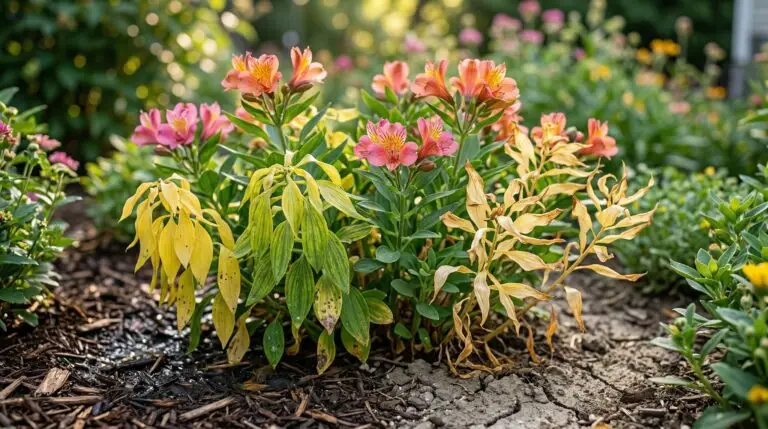
Sometimes a stem will snap off midway despite your best efforts, especially on older cultivars with thicker, more rigid stalks. When this happens, you must resist the temptation to leave the remaining stump in the ground. You need to reach back down, grip the remaining stub firmly, and pull again until the basal attachment breaks free. Leaving decaying stubs in the center of an alstroemeria clump restricts air circulation and creates a damp microclimate where botrytis and other fungal pathogens thrive. Good airflow is just as critical for alstroemeria as it is when managing the dense foliage of a cosmos patch late in the summer. A properly thinned alstroemeria plant should have an open center that allows sunlight to penetrate down to the soil, warming the ground just enough to encourage the next generation of shoots.
Timing your maintenance for continuous blooms
Managing alstroemeria is an ongoing process rather than a single seasonal chore. You should be inspecting your plants every week during the active growing season, looking for stems that have finished flowering or those that are simply crowding the center of the clump. Even if a stem has not produced a flower, you can pull it out if it appears weak or yellowed, as this vegetative thinning redirects energy to the stronger, bud-producing stalks. The heaviest flushes of blooms typically occur in early summer and again in early autumn, responding to the cooler soil temperatures that these South American natives prefer. During the peak heat of late summer, the plant naturally slows its production, and pulling stems during this dormant phase helps prepare the rhizome for its autumn flush.
When you approach the end of the growing season, your strategy should shift slightly to prepare the plant for winter dormancy. In zones where alstroemeria is marginally hardy, usually USDA Zones 7 and 8, you want to stop pulling stems about a month before your first expected frost. The plant needs this time to draw carbohydrates down from the remaining foliage to store in the rhizome for the winter. Once a hard frost kills the top growth, you can clean up the bed by pulling the collapsed, blackened stems away from the crown. Applying a thick layer of dry mulch over the cleared crown will protect the shallow rhizomes from freeze and thaw cycles. By mastering this simple, physical method of stem removal, you work in harmony with the plant’s natural physiology, ensuring a vigorous, highly productive clump that will return with increasing strength each spring.
More About Alstroemeria
Best alstroemeria varieties for cutting gardens that bloom all summer long
How to make alstroemeria last longer in a vase than almost any other cut flower
Alstroemeria flower meaning and why it is the perfect friendship bouquet
Stunning alstroemeria color combinations for mixed flower arrangements
Growing alstroemeria from tubers in your garden for endless summer blooms
Alstroemeria wedding flowers and why florists love working with them
Why alstroemeria leaves turn yellow and how to bring your plant back to health
How to grow alstroemeria in containers on a balcony or small patio