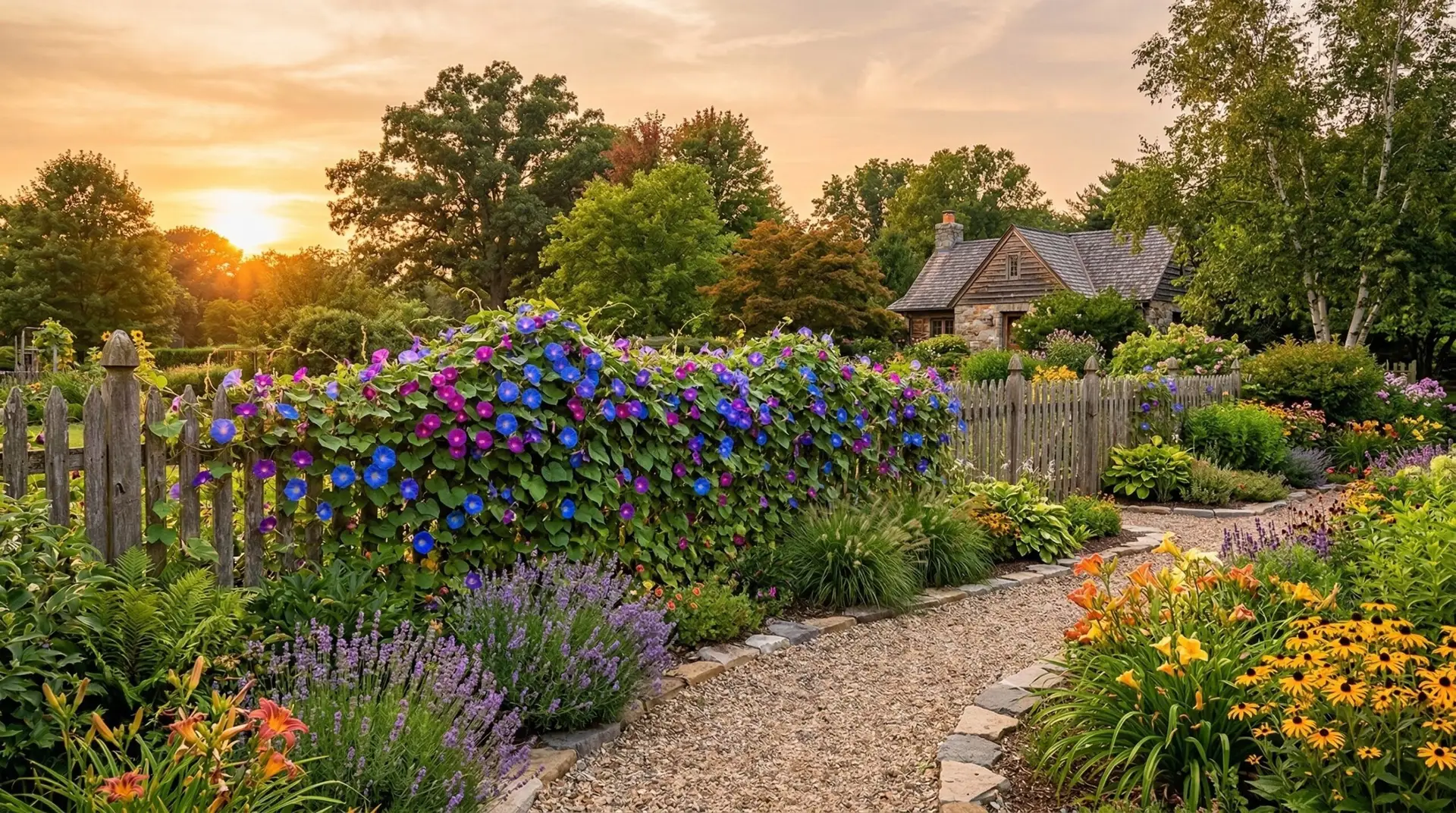
Before buying packets of morning glory seeds to cover an unsightly chain link fence or bare mailbox, you need to evaluate your growing site and understand the timeline of this vigorous annual vine. Morning glories provide a rapid, one-season privacy screen or vertical color display, but they require specific conditions to thrive and bloom rather than just produce endless green leaves. Evaluate your site to determine exactly how many hours of direct sunlight the area receives each day. These vines need at least six to eight hours of full sun to produce their characteristic trumpet-shaped blooms. You also need to check the soil moisture levels and drainage patterns where you plan to plant. If the site is heavily shaded or sits in standing water after a rain, you will need to select a different location for this particular project.
Understanding the timeline and budget for a morning glory project helps set realistic expectations before you begin digging. A single packet of seeds costs only a few dollars, making this one of the most cost-effective ways to create a massive vertical display in a single growing season. You must allow roughly ten to twelve weeks from the day you plant the seeds until you see the first significant flush of blooms. The first month is entirely about root establishment and early vine development, while the second month brings rapid vertical climbing. Expect the most aggressive growth and flowering to occur in the heat of late summer when many other garden plants begin to fade.
Assessing your site and selecting a support structure
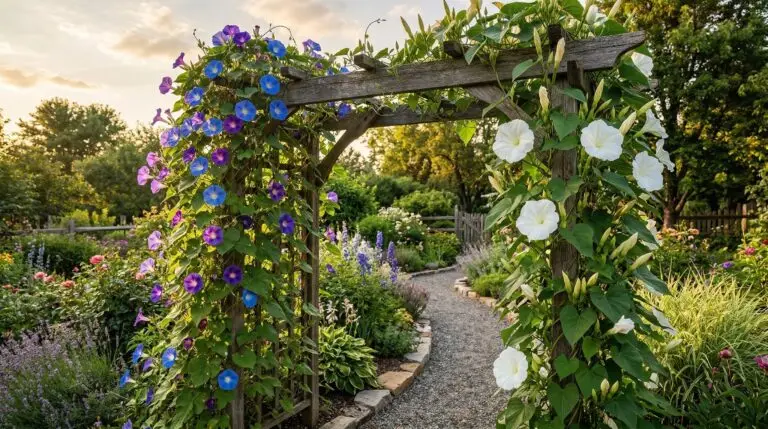
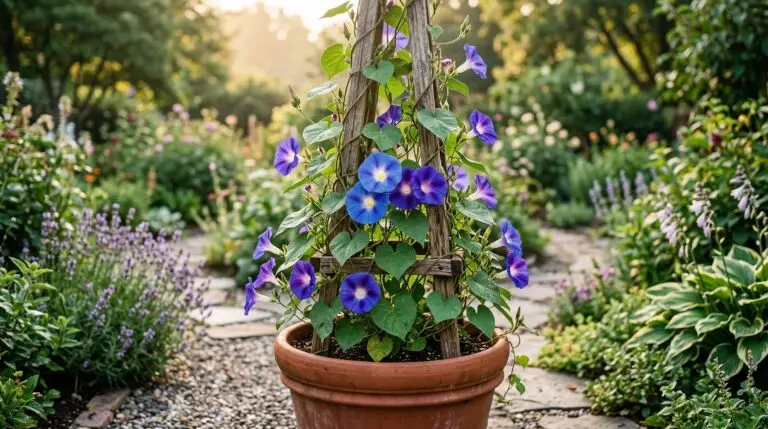
The structure you choose dictates exactly how your morning glory trellis system will function and how much preparation time you need to schedule. Morning glories climb by twining their stems around slender supports, which means they cannot grip flat walls or thick wooden posts without assistance. If you want to wrap a thick wooden mailbox post, you will need to wrap twine, wire, or plastic netting around the post first to give the vines something narrow to grab. Chain link fences provide the perfect natural grid for a morning glory fence, requiring almost no modification before planting. For bare walls or open spaces, building a string trellis using heavy jute twine and wooden stakes is a highly effective, low-budget solution that takes about an hour to construct.
You must ensure your chosen support structure is strong enough to handle the mature weight of these vines late in the season. A mature morning glory plant loaded with thick foliage and holding rainwater becomes surprisingly heavy by late August. Flimsy plastic trellises or thin cotton string will likely snap under the weight of a full one-season privacy screen. Choose heavy-duty nylon trellis netting, galvanized wire, or thick jute rope if you are building a custom support system. Taking the time to secure your framework deeply into the ground or firmly against a wall prevents the entire display from collapsing during a late summer thunderstorm.
Preparing the ground and timing your seeds
Proper preparation of the planting area goes against many standard gardening rules, which is why planning ahead is so important. Morning glories produce the most flowers when grown in relatively poor, unfertilized soil. If you amend the planting bed with rich compost or apply high-nitrogen fertilizers, the plants will generate massive amounts of foliage with very few blooms. Clear the planting area of weeds and loosen the top six inches of soil, but resist the urge to add any soil conditioners or plant food. You want the soil to drain well but remain relatively lean to force the plant into reproductive flowering mode rather than vegetative growth mode.
Timing your seed planting requires watching your local weather forecasts closely rather than sticking to a rigid calendar date. Morning glories despise cold soil and will simply rot in the ground if planted before the earth has thoroughly warmed. Wait until all danger of frost has passed and night temperatures consistently stay above fifty degrees Fahrenheit. Before planting, you need to budget about twenty-four hours to prepare the seeds for germination. Nick the hard outer shell of each seed with a metal file and soak them in warm water overnight to speed up the sprouting process. This simple preparation step reduces the germination time from three weeks down to just five to seven days.
Executing the morning glory training process
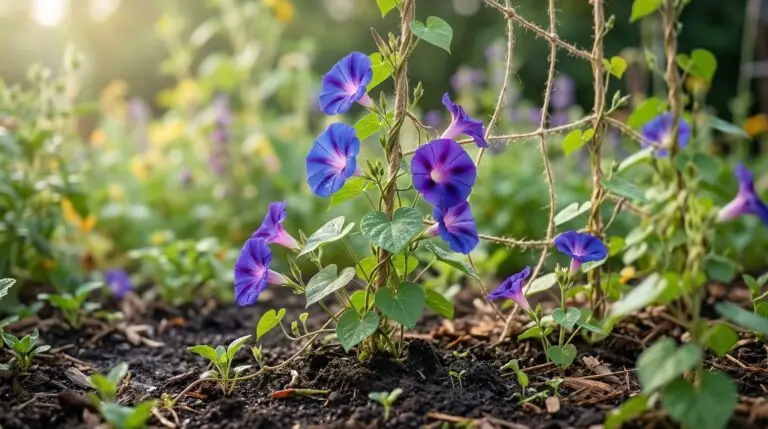
The execution phase requires active morning glory training during the first few weeks of active growth to establish the shape of your display. When the seedlings reach about six inches tall, they will begin searching for a support structure by spinning their growing tips in a circle. You must physically guide these early vines toward your trellis or fence and gently wrap them clockwise around the lowest supports. Unlike a clematis that uses specialized leaf stalks to grab onto structures, morning glories wrap their entire main stem around the support. Check the plants every three to four days during this early stage to ensure all new vines are finding the structure rather than trailing along the ground.
Once the vines grip the lowest section of your morning glory fence or trellis, they will naturally climb upward toward the light. If you are trying to cover a wide area rather than just a tall narrow space, you need to intervene and weave the growing tips horizontally. Gently untangle the growing ends and weave them through adjacent sections of your fence or trellis netting. Pinching off the very top growing tip of the main vine when it reaches two feet tall forces the plant to send out multiple side shoots. This specific pruning technique creates a denser, fuller privacy screen rather than a few sparse, towering vines that only flower at the very top.
Managing growth and ongoing maintenance
The ongoing maintenance commitment for these vines is relatively low, but you must stay consistent with watering during dry spells. These plants are somewhat drought tolerant once fully established, but extended dry periods will cause the lower leaves to yellow and drop off. Check the soil moisture twice a week and provide a deep soaking at the base of the plants when the top two inches of soil feel completely dry. Avoid spraying water directly on the foliage or flowers, as this encourages fungal diseases and ruins the delicate blooms. If you want to extend the daily display into the evening hours, consider planting moonflower vines alongside your morning glories for a continuous day and night vertical garden.
You must also plan for the aggressive reseeding habit of these vines, which requires a specific maintenance strategy to prevent future problems. As the flowers fade, they form small round seed pods that eventually dry out and drop hundreds of seeds into the soil below. If you do not want morning glories taking over this exact spot next year, you must commit to removing these seed pods before they turn brown and crack open. Spending ten minutes a week snipping off the spent blooms and green pods keeps the plant looking tidy and prevents an overwhelming volunteer weed problem the following spring. This deadheading process also redirects the plant’s energy back into creating new flowers rather than maturing seeds.
Planning for the end of the season
The final stage of your vertical garden project involves planning for the inevitable autumn cleanup when the first hard frost kills the vines. A massive wall of frozen, dead vegetation quickly becomes an eyesore and can harbor insect pests over the winter if left on the trellis. Schedule about two hours on a dry autumn afternoon to cut the main stems at the soil line and pull the dead vines off your support structures. If you used a biodegradable string trellis, you can simply cut the entire system down and compost the vines and string together. Clean your permanent wooden or metal trellises with a stiff brush to remove any lingering stems or debris so the structure is ready for next year.
To get started on your vertical project this week, begin by measuring the exact dimensions of the area you want to cover. Calculate how many linear feet of fencing or trellis material you need to purchase or build to support the vines. Check your local hardware store or garden center for heavy-duty twine, wire mesh, or pre-made trellises that fit your specific measurements. Once you secure your support materials, purchase your seeds and store them in a cool, dry place until the weather warms up enough for planting. Taking these practical steps now ensures you are completely ready to plant the moment the spring soil temperatures are right.
More About Morning Glories
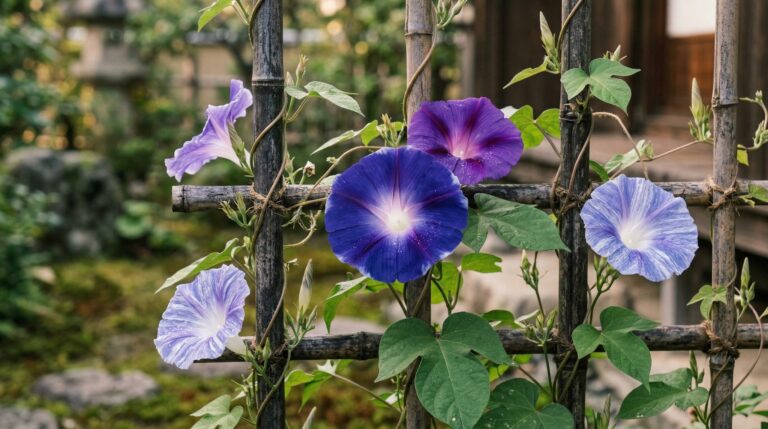
Morning glory flower meaning and the Japanese art of training these blooms to perfection
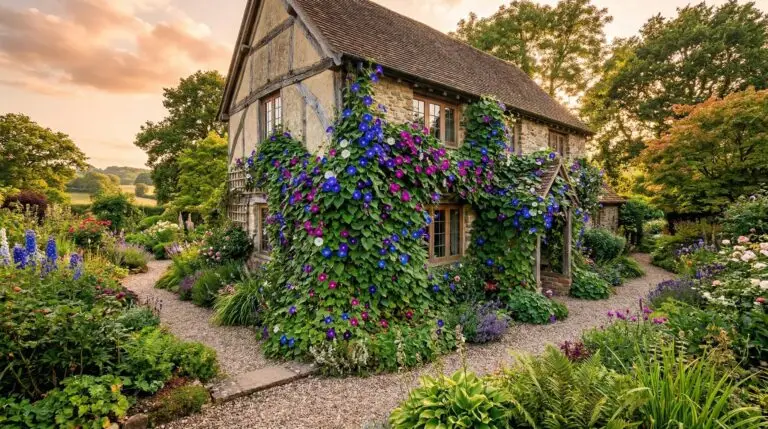
Morning glories as living sunshade screens for windows and south-facing walls
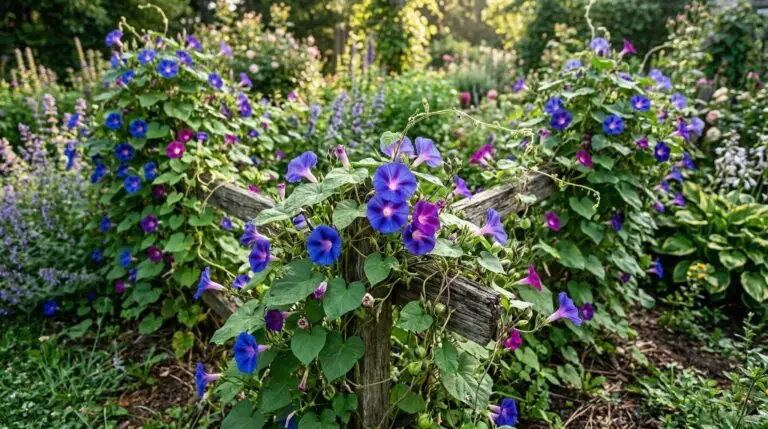
How to control invasive morning glory and stop it from taking over your garden
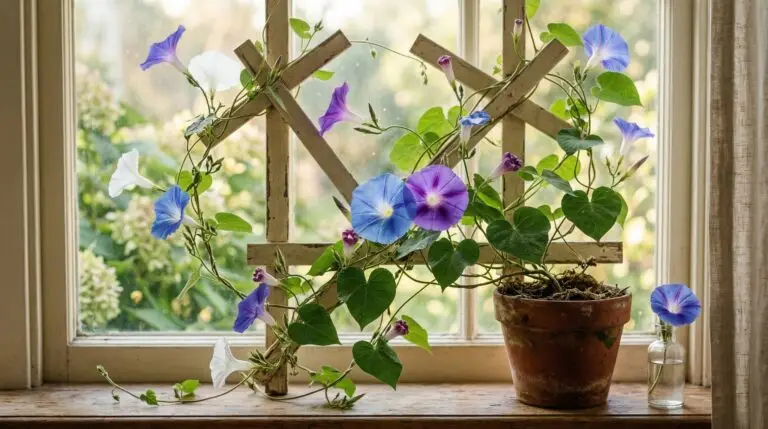
Why morning glory flowers only last one day and the daily renewal that makes them special
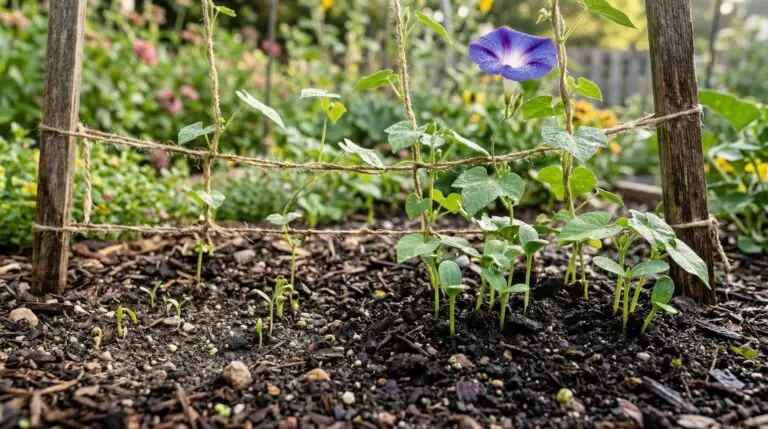
Growing morning glories from seed with the easy soak-and-plant method
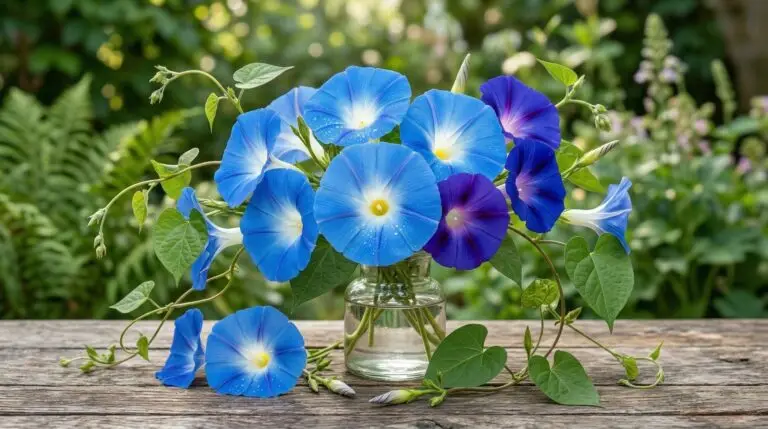
Best morning glory varieties from classic Heavenly Blue to rare chocolate Knowlian’s Black
Companion plants for morning glories that create a colorful summer vine garden
Growing morning glories in containers for balcony vines that bloom all summer