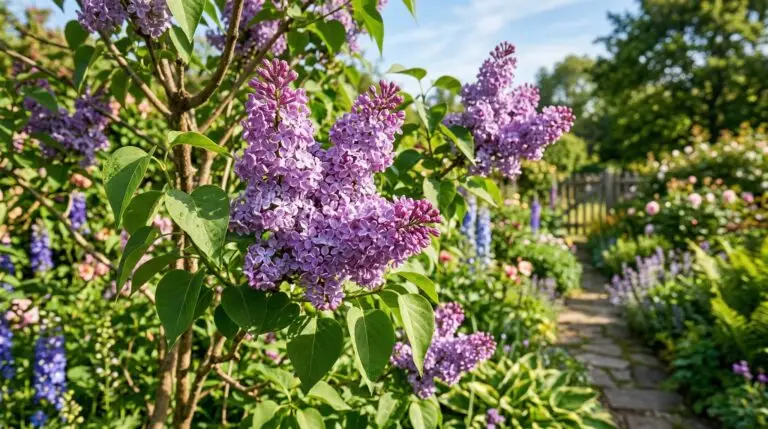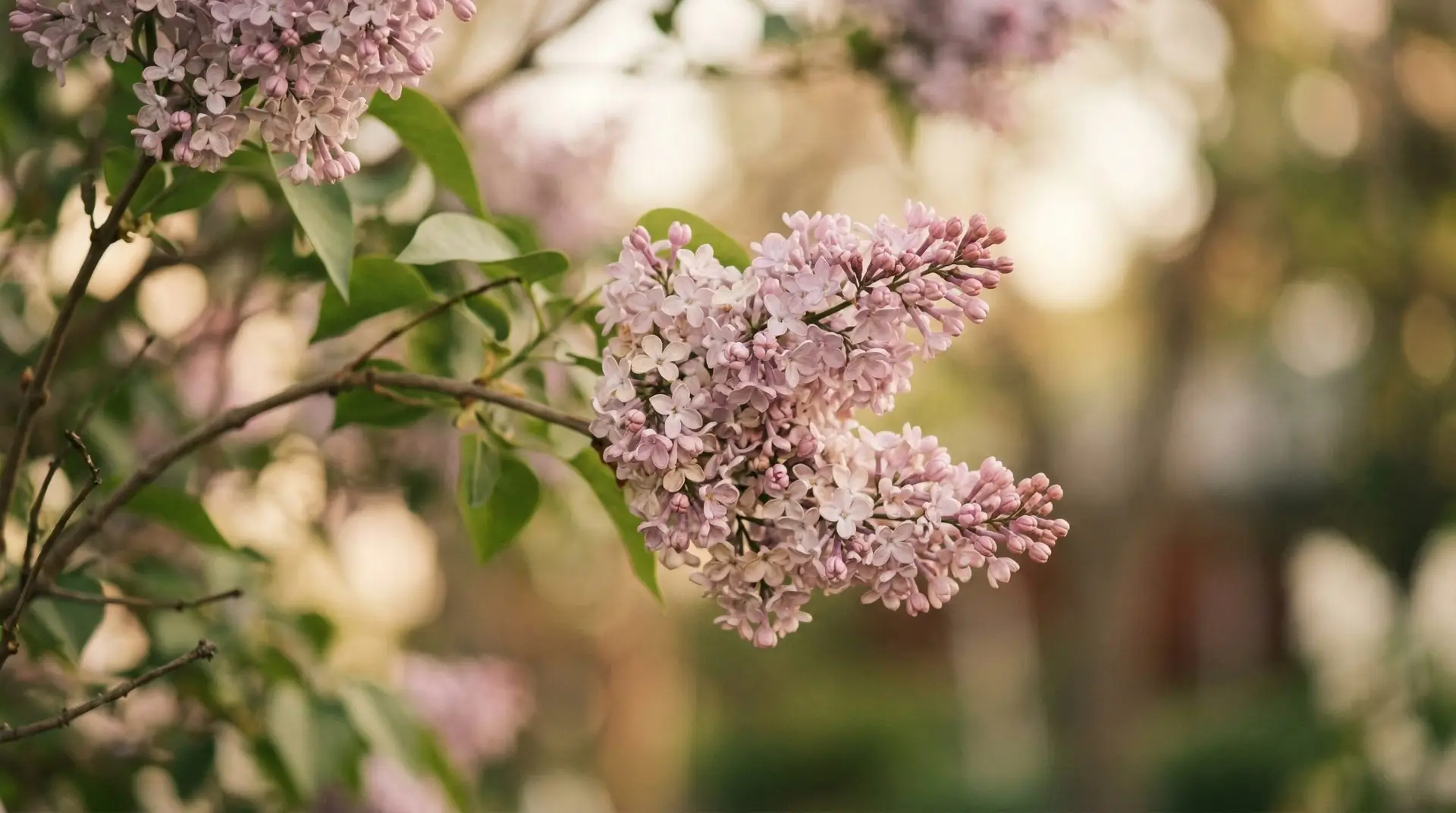
Before the blossoms even open, a lilac announces its presence through the damp air of an early spring morning. The scent carries a heavy sweetness that catches in the breeze and pulls you backward into memory. According to ancient Greek stories, the god of the forest chased a beautiful nymph named Syringa through the woods. To escape his pursuit, she transformed herself into a fragrant bush with hollow reeds. Pan cut those reeds to create his famous panpipes, but the true magic remained in the blossoms of the plant that still bears her name, Syringa vulgaris. This mythological origin establishes the foundation for lilac meaning, tying the blooms forever to themes of youthful pursuit and transformation.
Long before it grew by the porches of American farmhouses, the common lilac flourished in the rocky hillsides of the Balkan Peninsula and the gardens of the Persian Empire. The plant earned its common name from the Persian word “nilak,” which translates simply to bluish, describing the pale violet hue of its wild clusters. Ottoman sultans cultivated these fragrant shrubs in their palace courtyards, treating them with the same reverence usually reserved for the classic garden rose. In the sixteenth century, an ambassador from the Holy Roman Empire noticed the striking purple flowers in Constantinople and brought cuttings back to Vienna. The shrub proved remarkably resilient, adapting quickly to cold European winters and spreading rapidly across the continent. Within a few generations, the lilac transformed from an exotic eastern rarity into a familiar fixture of the European spring.
Taking root in new soil across the ocean
The story of lilac symbolism deepened when early colonists packed dormant slips of the plant for their voyage across the Atlantic. They brought these cuttings not for food or medicine, but for the pure comfort of a familiar scent in an unfamiliar place. Both George Washington and Thomas Jefferson carefully recorded planting lilacs in their estate gardens, watching the green buds swell as the winter snows finally melted. The shrubs outlived the people who planted them, often remaining long after the original wooden homesteads crumbled into the earth. Today, you can still find massive, wild-looking lilac bushes growing along old stone walls in New England, marking the exact spot where a front door used to be. These enduring roots gave the lilac a reputation for stubborn survival and the quiet renewal of spring.
A lilac bush follows a strict seasonal rhythm that shapes how we understand its character. While early bloomers like bright yellow daffodils push through the frost to announce the end of winter, the lilac waits until the air holds a genuine warmth. The tight buds form in late April, looking like tiny beads of dark purple or pale green glass. When they finally open in May, they create heavy, cone-shaped clusters that pull the branches down toward the earth. The blooming period is notoriously short, lasting only a few weeks before the tiny four-petaled flowers turn brown and drift away on the wind. Because of this brief window of intense beauty and overwhelming fragrance, the lilac is a physical reminder of fleeting time and passing youth.
The strict rules of victorian flower language
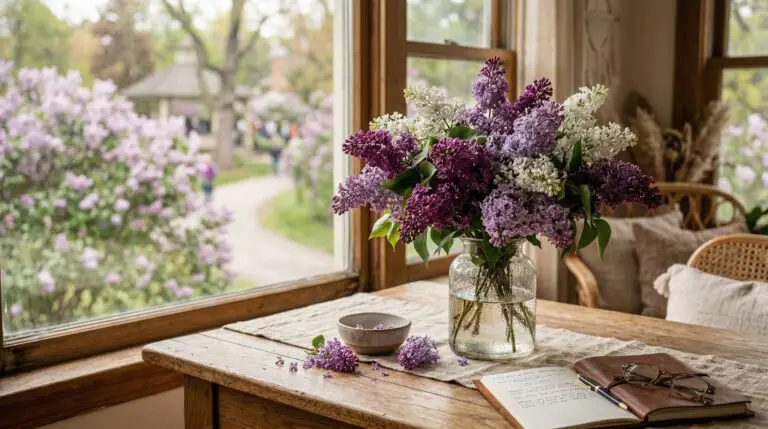
During the nineteenth century, the strict social codes of the Victorian era turned gardening into a complex system of hidden communication. People used the lilac flower language to express emotions they could not speak aloud in polite society. A sprig of purple lilac specifically communicated the first emotions of love, making it the perfect gift for a young suitor to leave on a doorstep. Giving a white lilac carried a slightly different message, representing youthful innocence and purity of intention. The magenta varieties, which bloomed with a darker and more intense color, signaled a stronger passion that bordered on the dangerous. Gardeners carefully selected which colors to plant near their gates, knowing that every visitor would read the blooming branches like a public letter.
The context of the garden dictated exactly how these messages were received by the person walking up the path. A lilac bush standing alone spoke of singular devotion, while one planted next to a pure white fragrant garden lily amplified the message of innocent intentions. Widows often planted the pale violet varieties near their sitting room windows to signal a gentle, nostalgic remembrance of a love that had passed. The physical structure of the flower, with its dozens of tiny individual blossoms clustered together, represented the many small memories that make up a relationship. Young women would sometimes search the clusters for a rare five-petaled blossom, believing that finding one would ensure their romantic wishes came true. The plant became a living diary of courtship, marriage, and memory for the people who tended it.
A solemn shift toward remembrance and mourning
The meaning of the lilac took a sudden and somber turn in the spring of eighteen sixty-five. As the funeral train of Abraham Lincoln made its long journey across the country, the lilacs were blooming heavily in the dooryards of the towns it passed. The poet Walt Whitman forever linked the heavy scent of the purple blossoms to this national grief in his famous elegy, “When Lilacs Last in the Dooryard Bloom’d.” He used the flower to capture the exact moment when the joy of spring collided with the reality of death. The strong fragrance that once signaled young love now carried the weight of mourning, mixing with the smell of the damp earth and the smoke of the passing train. The lilac became a marker of time, a reminder that the world continues to bloom even in the face of immense loss.
This connection to national mourning slowly evolved into a broader tradition of remembrance that continues today. Because the flowers reliably reach their peak in late May across much of the United States, they became the natural choice for decorating graves on Memorial Day. Families would cut massive armfuls of the blooming branches, wrapping the woody stems in wet newspaper to keep them fresh for the drive to the cemetery. The act of cutting the flowers actually helps the shrub, encouraging it to produce more blooms the following year in a continuous cycle of renewal. The heavy perfume of the blossoms fills the cemetery air, masking the scent of the cut grass and creating a quiet atmosphere for reflection. The lilac bridges the gap between the sorrow of missing someone and the comfort of knowing that spring always returns.
A lilac bush requires very little from the person who plants it, asking only for well-drained soil and a few days of freezing winter temperatures to set its buds. When you step outside on a May evening and catch that unmistakable fragrance, you are participating in a conversation that stretches back centuries. You are smelling the same perfume that filled Persian courtyards, comforted homesick colonists, and marked the passing of presidents. The true meaning of the lilac lives in this quiet reliability, returning year after year to the exact same spot in the yard. It asks us to pause for just a few weeks each spring, to remember the people who planted the gardens before us, and to breathe in the heavy, sweet scent of a world waking up again.
More About Lilacs
Pruning and rejuvenating old lilac bushes that have become overgrown and leggy
Companion plants for lilacs: what to grow and what to avoid
Why lilacs stop blooming and the pruning timing mistake almost everyone makes
Lilacs for warm climates and the low-chill varieties that bloom without cold winters
Dwarf and compact lilacs for small gardens that deliver big fragrance in limited space
Best lilac varieties from classic purple to reblooming Bloomerang and dwarf types
Lilac festivals across America and visiting the most spectacular lilac collections