Every spring begins with the same ritual of standing on an empty patio, staring at flat concrete, and trying to figure out how to get some vertical height into the garden without building a permanent structure. A flat space desperately needs something reaching for the sky, and a dedicated lily patio setup solves that problem better than almost anything else. The temptation is always to grab whatever cheap, shallow plastic planters are on sale at the hardware store and stuff them full of bulbs. After making that exact mistake for several seasons, the hard truth is that lilies despise shallow soil and will punish those who try to cram them into six-inch deep window boxes. They need room to stretch their roots downward, and providing that space is the single biggest factor in getting those massive, fragrant blooms to open on a balcony. The process requires a bit of heavy lifting with soil bags, but the reward of sitting next to towering flowers in mid-summer makes the effort worthwhile.
Choosing the proper containers and soil
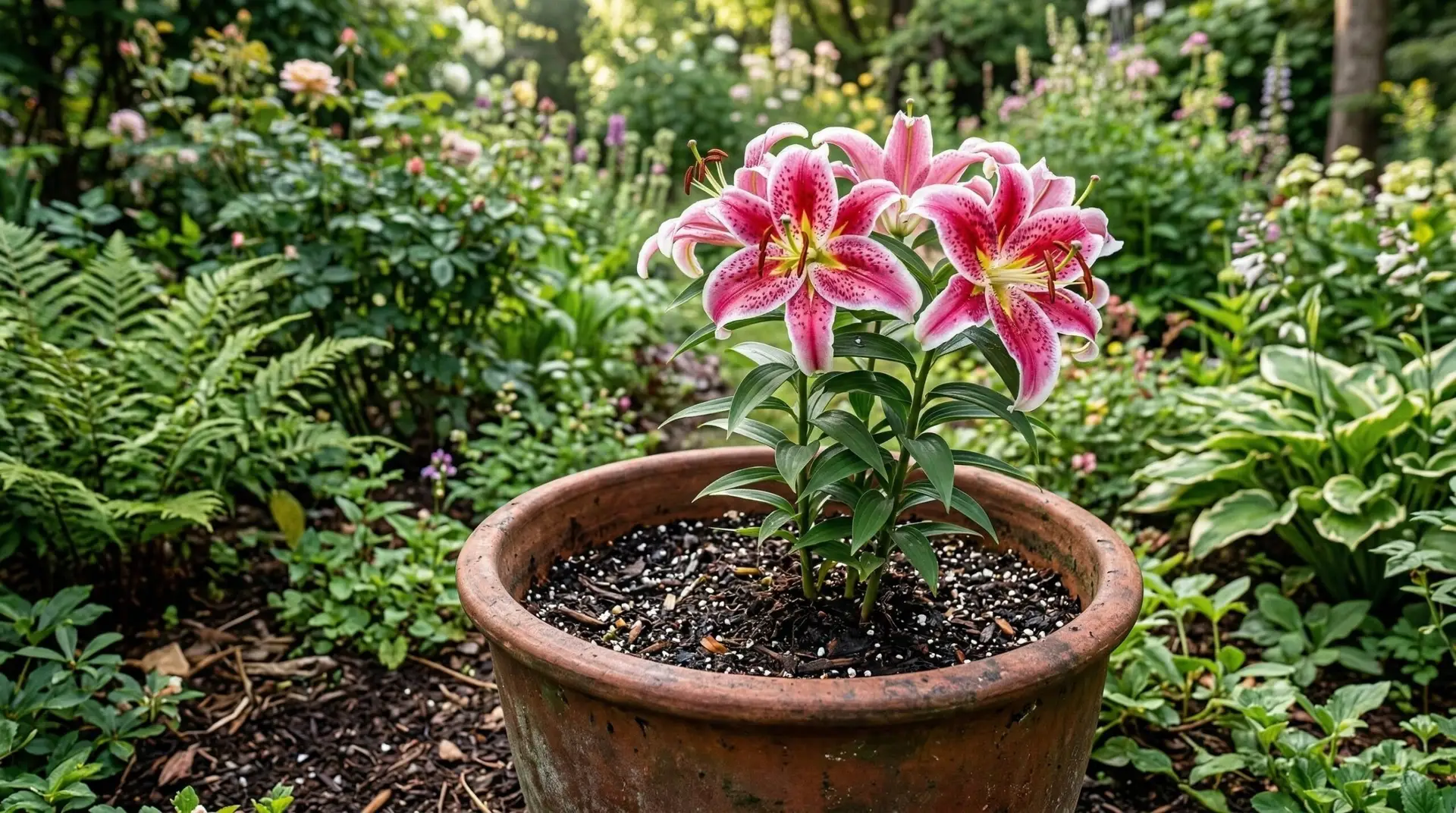
The most essential rule for container lilies is that depth matters far more than width. These bulbs produce stem roots, meaning they grow roots out of the stem above the bulb as well as below it, which requires planting them at least six to eight inches deep. A standard twelve-inch deep pot is the absolute minimum, but a fifteen-inch or eighteen-inch deep container provides the kind of root space that results in truly impressive growth. Do not waste money on expensive ceramic pots that will crack in the winter if left outside. A cheap black plastic nursery bucket with plenty of drainage holes works perfectly when slipped inside a slightly larger decorative outer pot. The potting mix needs to be rich but very well-draining, so mixing a standard bagged potting soil with a generous scoop of perlite or coarse sand prevents the bulbs from rotting in wet weather. Gardeners in the South may find that adding a layer of mulch on top of the soil helps keep the roots cool during brutal July heat waves, while northern gardeners can usually skip the mulch to let the soil warm up faster in the spring.
Selecting the right varieties for patio life
Walking through a garden center in spring exposes a gardener to dozens of bulb choices, but not all of them behave well in confined spaces. Compact Asiatic varieties are generally the most reliable choice for beginners because they max out at around two to three feet tall and rarely flop over in a stiff breeze. These shorter types bloom early in the summer and come in brilliant, solid colors that look fantastic against a brick wall or wooden balcony railing. For those who want serious, towering height and heavy fragrance, Oriental lilies are the way to go, but they demand a lot more attention. Growing massive Orientals requires a commitment to staking in containers, because a four-foot stem carrying heavy flowers will snap right off at the soil line during a summer thunderstorm. If a patio gets blasted by constant wind, sticking to the shorter Asiatic types saves a lot of heartbreak and broken stems. For a different kind of bold, leafy height in windy spots, growing a sturdy Canna Lily alongside the true lilies offers a great structural alternative that handles rough weather beautifully.
Planting strategies for continuous summer color
One of the biggest frustrations with true lilies is that they put on a massive show for a few weeks and then leave a pot full of green stems for the rest of the year. Layering bulbs for succession planting solves this problem and keeps the container looking lively from early summer through early fall. The trick is to plant late-blooming Oriental bulbs at the bottom of a very deep pot, add a few inches of soil, and then place early-blooming Asiatic bulbs above them. As the season progresses, the Asiatics will bloom first, and just as their flowers fade, the Orientals will push past them and open their buds. It takes a bit of measuring and careful soil packing to get the depths right, but it turns a single pot into a long-lasting floral display. You can also plant trailing annuals like sweet alyssum or lobelia around the top edge of the pot to hide the bare lower stems of the lilies. If the goal is massive late-summer blooms to take over when the lilies finally finish, tucking a Dahlia tuber into a neighboring pot ensures the patio stays colorful right up until the first frost.
Managing growth and storing bulbs after the bloom
Once the flowers finally drop their petals, a lily in pots enters its most awkward phase, and this is where many home gardeners make a fatal mistake. The stems and leaves will slowly turn yellow and look completely dead for weeks, but they are actually hard at work pulling energy back down into the bulb for next year. Cutting those ugly green stems down too early starves the bulb, guaranteeing a weak, pathetic plant the following summer. Wait until the stalk is entirely brown and brittle before snapping it off at the soil line. Bulb storage after bloom requires different approaches depending on the local climate. In northern zones where pots freeze solid, the bulbs must be dug up, brushed off, and stored in a paper bag with slightly damp peat moss in a cool basement or unheated garage, much like you would store a tender Gladiolus corm. In milder climates, the bulbs can stay right in their pots out in the rain shadow of a house, provided the soil does not stay soaking wet through the winter months.
Growing lilies in containers takes a bit more planning than simply dropping a petunia into a hanging basket, but the vertical drama it brings to a small space is unmatched. The first year is always a learning experience with watering schedules and finding the right spot where the flowers get enough morning sun without baking in the afternoon heat. Sometimes a storm will break a prized stem, or a squirrel will dig up a freshly planted bulb, because gardening is never a perfect science. Success comes down to starting with deep pots, choosing reliable compact varieties for the first attempt, and resisting the urge to cut back the foliage too soon. When those heavy buds finally crack open and fill the evening air with perfume, all the hauling of soil and careful staking suddenly makes perfect sense.
More About Lily
Lilies as magnificent cut flowers and how to arrange them without staining everything
Oriental lilies for intoxicating fragrance that fills the garden on summer evenings
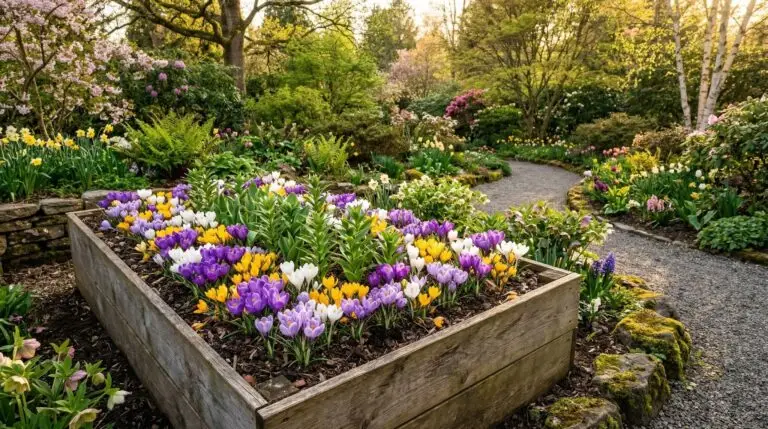
Planting lilies in layers with spring bulbs for a succession of blooms from March to August

Companion plants for lilies that support tall stems and extend the garden season
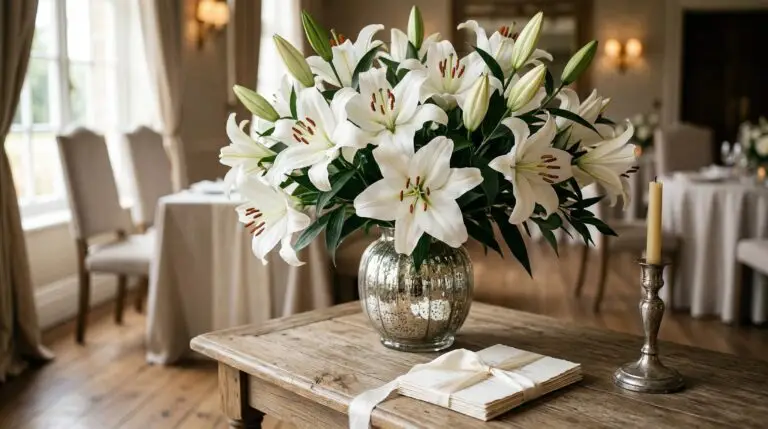
Lilies in wedding flowers and the timeless elegance of white Casablanca arrangements
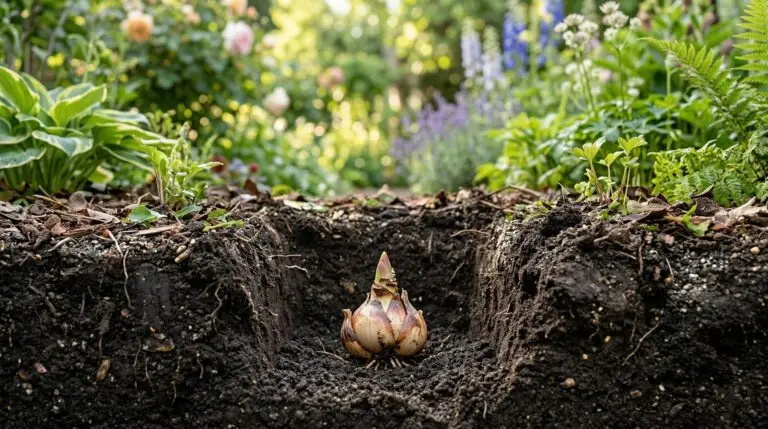
How to grow true lilies for towering fragrant blooms that crown the summer garden
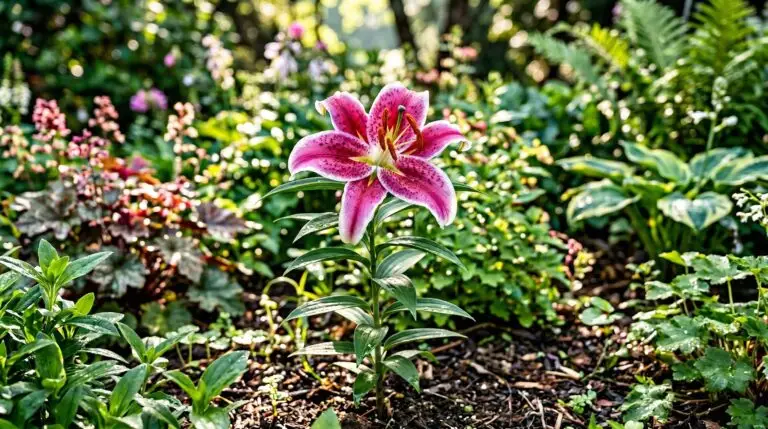
The red lily beetle invasion and how to protect your lilies from this destructive pest
Best lily varieties from elegant Oriental Stargazer to towering Orienpet tree lilies