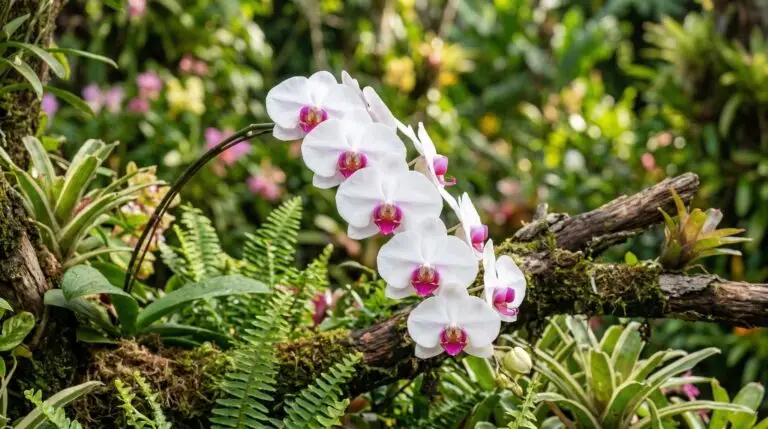
Phalaenopsis orchids die from root rot caused by suffocating moisture, not from a lack of water. The most important skill in growing a moth orchid is learning to recognize when the roots have dried completely before offering another drink. Most growers treat these epiphytes like terrestrial houseplants, pouring water into the pot and walking away. In their native habitat, these plants cling to tree trunks where their roots experience torrential downpours followed by rapid air drying. Replicating this cycle in a plastic pot requires a shift in how you view watering, moving away from a calendar schedule and toward visual inspection. You must examine the root system and the potting medium to decide if the plant requires hydration today.
The ice cube method and temperature shock
Despite what many mass-market growers print on their care tags, watering orchids with ice cubes is a flawed practice that risks long-term plant health. The ice cube method was invented purely as a marketing tactic to prevent novice buyers from drowning their plants. Phalaenopsis orchids are tropical plants that evolved in environments where temperatures rarely drop below sixty degrees Fahrenheit. Placing freezing water directly on or near the superficial root system causes localized tissue damage and cellular collapse. While the slow drip of melting ice does prevent the common mistake of leaving the pot sitting in a puddle, it fails to flush accumulated fertilizer salts from the potting medium. A healthy watering routine requires room temperature water to fully saturate the roots without shocking the plant’s vascular system.
Reading root color to determine watering needs
The transparent plastic pots favored by orchid nurseries exist specifically so you can monitor root health and moisture levels. When a moth orchid is fully hydrated, the velamen covering the roots turns a deep, solid green color. As the plant consumes this moisture and the potting medium dries, this outer layer transitions to a silvery-white or pale gray hue. You should withhold water entirely until the visible roots within the pot have turned completely silver. If you see a mix of green and silver roots, the plant still has adequate moisture and does not need intervention. This visual indicator is far more reliable than testing the top layer of the potting medium with your finger. Waiting for the silver color ensures the roots receive the necessary oxygen to prevent rot and bacterial infections.
The soak and drain technique
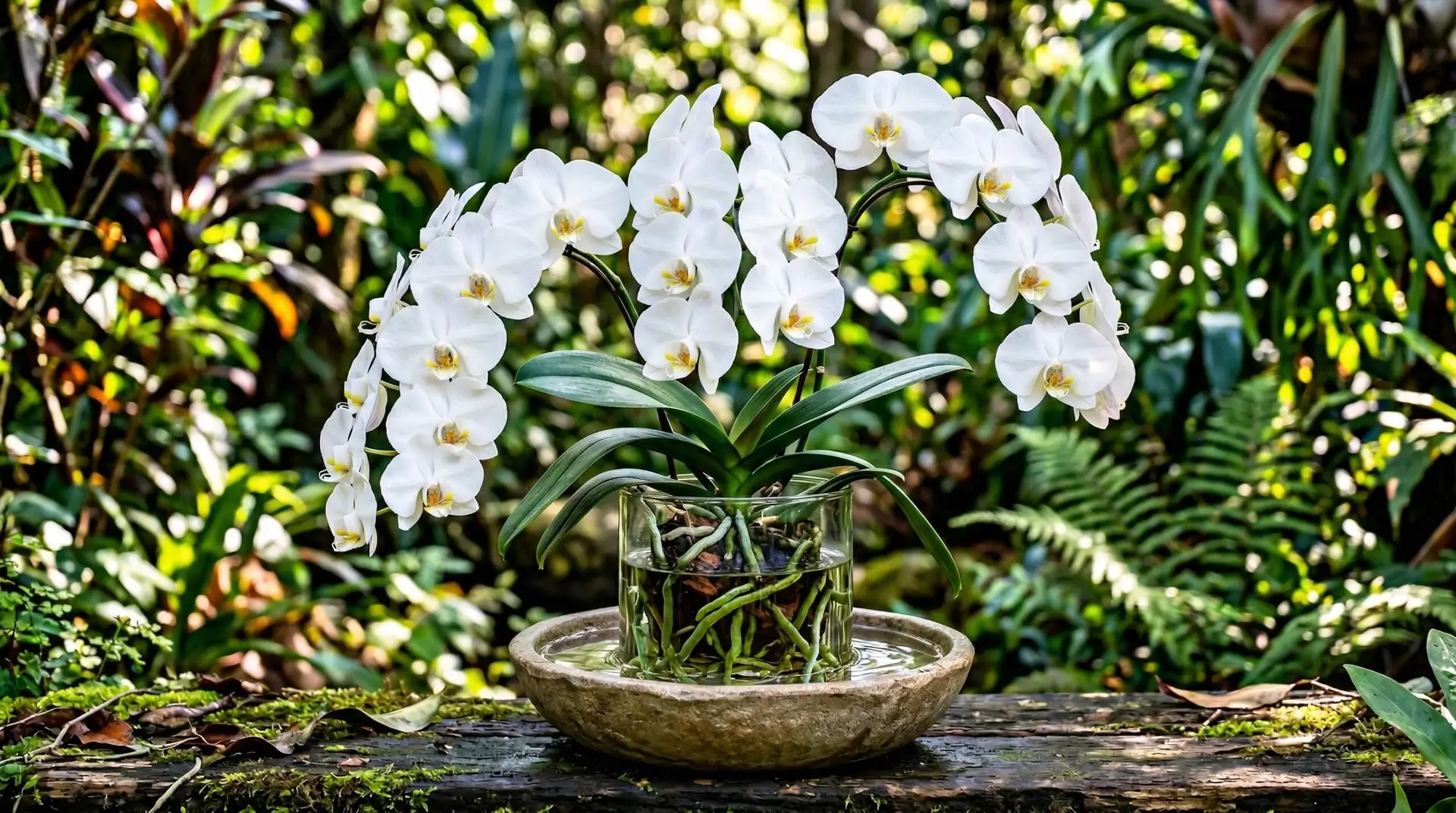
The most effective way to hydrate a moth orchid is the soak and drain method, which mimics the drenching rains of the tropics. Place the plastic nursery pot inside a bowl or basin and fill it with room temperature water until it reaches just below the rim of the pot. Leave the plant submerged for ten to fifteen minutes to allow the velamen to absorb maximum moisture and turn dark green. After soaking, lift the pot and let every drop of excess water drain out completely before returning the plant to its decorative cachepot. Stagnant water left in the bottom of a decorative container will wick back up into the medium and suffocate the lower roots within days. This soaking technique works equally well for other epiphytes, and you might use a similar approach when caring for an Anthurium in a coarse potting mix. You should flush water through the top of the pot once a month during this process to wash away any mineral buildup from your tap water or fertilizer regimen.
Adjusting for bark versus sphagnum moss
Your watering frequency must change drastically depending on the material holding the orchid roots. Fir bark chips drain instantly and hold very little water, meaning an orchid potted in fresh bark may need soaking every five to seven days in a warm room. Sphagnum moss acts like a sponge, retaining moisture for weeks at a time, especially when packed tightly by commercial growers. If your orchid arrived tightly packed in moss, you will likely only need to water it once every two to three weeks. You can easily misjudge moss because the top surface dries out rapidly while the center of the root ball remains completely saturated. To avoid this trap, gently push a wooden skewer into the center of the moss and leave it there permanently. Pull the skewer out to check the moisture level, and only water when the wood feels completely dry to the touch. This same skewer method is useful when monitoring the moisture needs of an Oncidium Orchid, which has much finer roots that are highly susceptible to rot in stale moss.
Water quality and fertilizer integration
The type of water you use directly impacts the longevity of the potting medium and the health of the root system. Tap water heavily treated with chlorine or chloramine can burn sensitive root tips and degrade organic potting materials prematurely. Rainwater or distilled water provides the safest baseline for hydration, though you must add nutrients back into the water to sustain the plant. Use a balanced 10-10-10 liquid orchid fertilizer at one-quarter strength every time you soak the plant during active leaf or root growth. When the plant enters its resting phase after dropping its flowers, reduce this feeding to once a month to prevent salt accumulation. Flushing the pot with pure water between feedings dissolves residual salts that would otherwise crystallize on the roots and cause chemical burns. If you notice white crust forming on the top pieces of bark, your water is too hard or you are applying too much fertilizer.
Overwatering always manifests as limp, leathery, and wrinkled leaves, which confuses growers into thinking the plant is thirsty. By the time the foliage wrinkles, the root system has already rotted away, leaving the plant unable to take up any water at all. Rescuing an overwatered orchid requires unpotting the plant, cutting away the mushy brown roots with sterilized shears, and repotting in fresh bark. You can avoid this entire recovery process by simply waiting an extra day or two whenever you are unsure if the plant needs water. The moth orchid is built to survive drought, but it has zero defenses against a permanent swamp.
More About Moth Orchid
Growing orchids in bathrooms and why humidity-loving phalaenopsis thrive near showers
Why your orchid is not blooming and the simple temperature trick that triggers new flowers
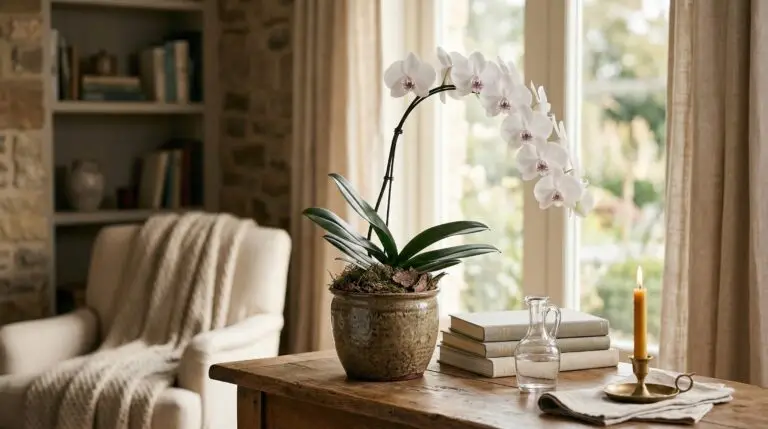
Orchid arrangements and centerpieces that make any room feel luxurious and elegant
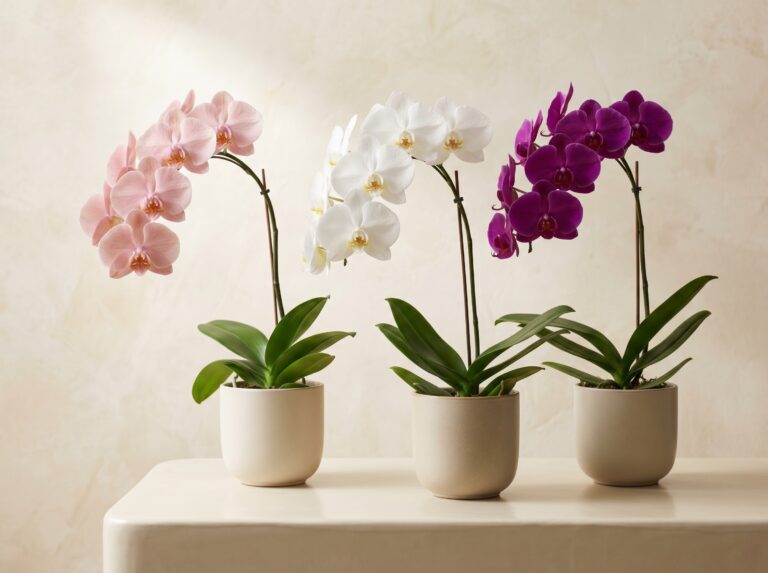
Orchid meaning, by colour and tradition, honestly explained
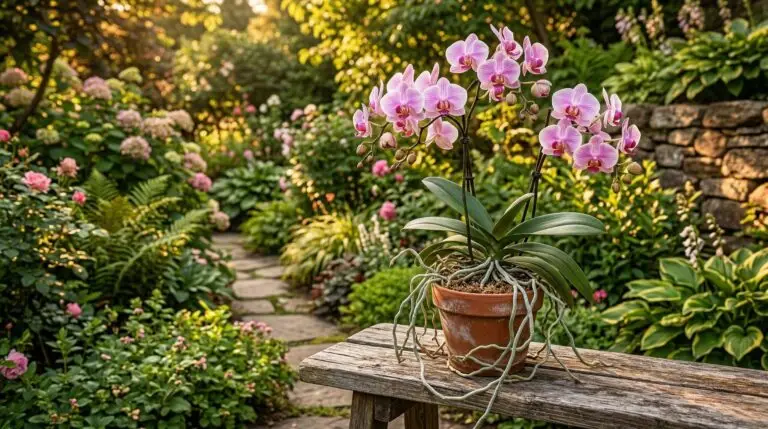
Repotting orchids step by step without killing the plant or damaging aerial roots
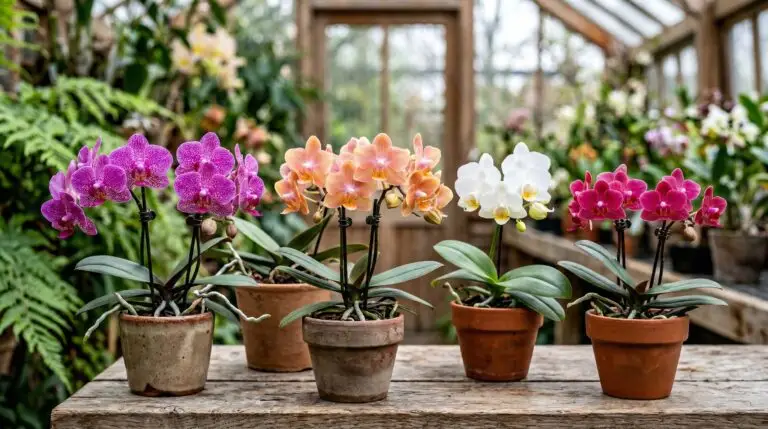
Best moth orchid varieties and the incredible range of phalaenopsis colors and patterns
How to care for moth orchids so they bloom again and again for years
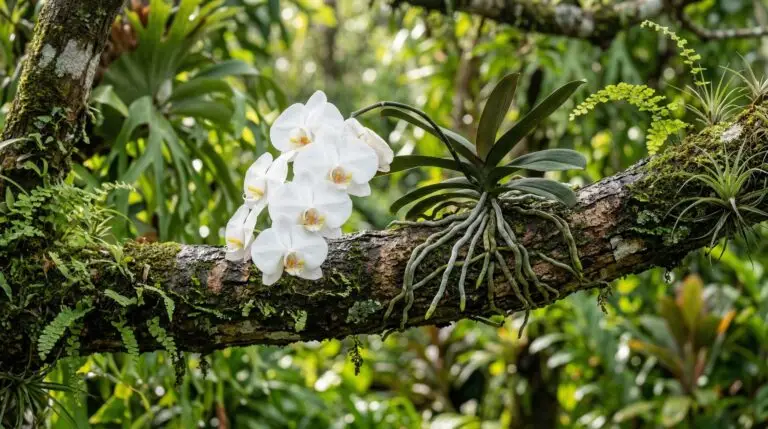
Orchid roots growing out of the pot and why aerial roots are a sign of a healthy plant