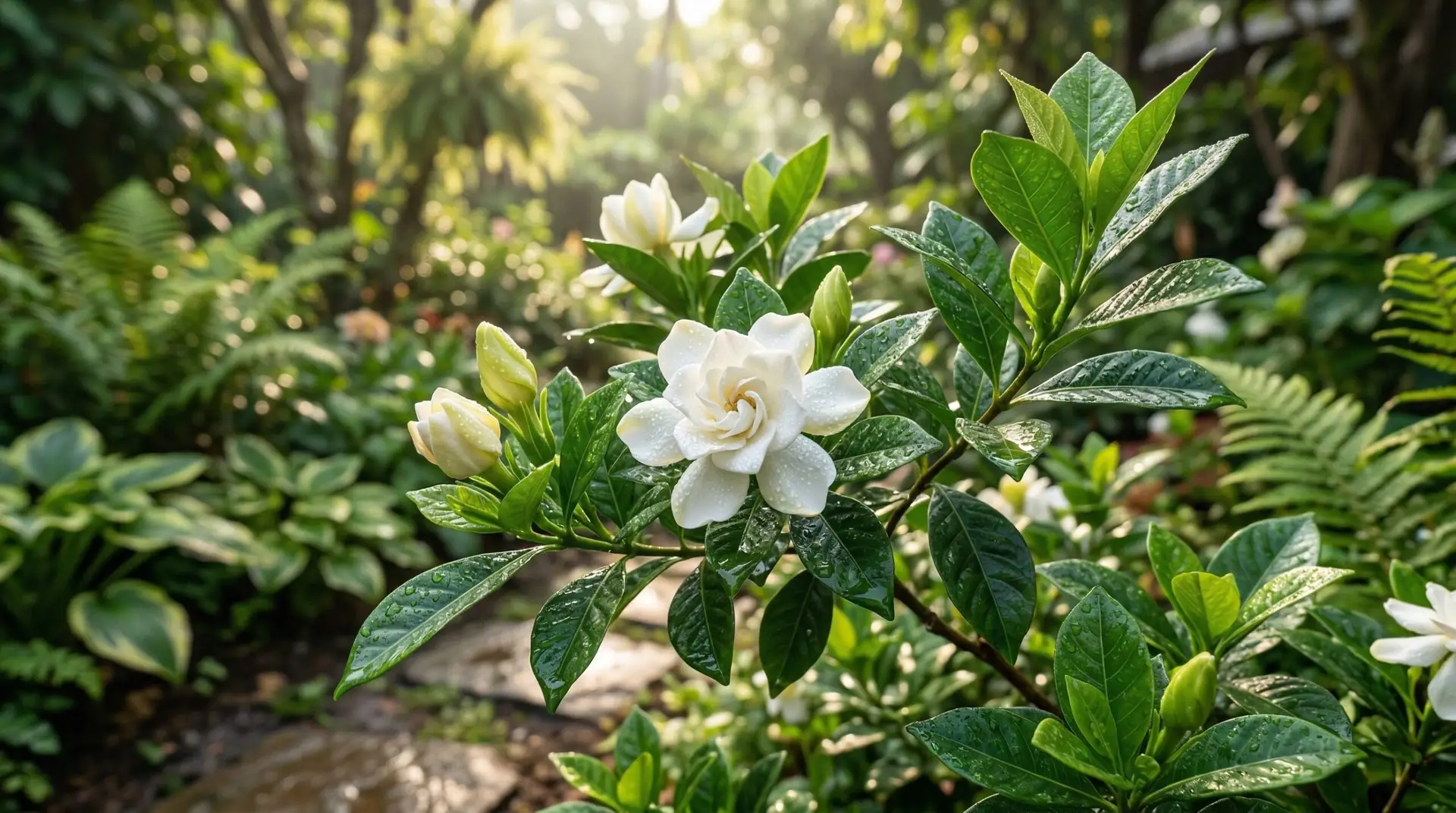
You bring home a perfectly healthy gardenia covered in tight green buds, anticipating that famous sweet fragrance. A few days later, you notice the buds turning a sickly yellow or brown at the base. Before you know it, those unopened flowers are dropping off the plant and littering the floor. This is the single most common frustration home gardeners face with this plant, and it happens because gardenias are incredibly sensitive to changes in their environment. When a gardenia experiences stress, it immediately cuts its losses by aborting its flowers to save energy for survival. Fixing this problem requires looking at exactly what changed in the plant’s environment and stabilizing those conditions.
Temperature swings and the nighttime rule
Gardenias have very strict temperature requirements for setting and keeping their buds. They need daytime temperatures between 65 and 70 degrees Fahrenheit and nighttime temperatures consistently around 60 to 62 degrees. When the nighttime temperatures swing too high or drop too low, the plant responds by dropping its buds before they can open. Indoor plants often suffer because heating systems create massive temperature fluctuations throughout the day and night. Outdoor plants face similar stress during sudden spring cold snaps or unexpected heat waves. If your buds are turning brown and falling off while the rest of the plant looks reasonably healthy, temperature stress is usually the primary culprit.
Solving temperature stress means finding a stable home for your plant and leaving it there. If your gardenia is indoors, keep it far away from heating vents, radiators, and drafty exterior doors. You want to find a bright room where the temperature stays relatively constant, even if it means moving the plant to a slightly cooler room at night. Outdoor plants need a sheltered spot protected from harsh winds and extreme afternoon sun. Much like a camellia, a gardenia prefers a protected microclimate where it does not have to fight the elements just to survive. Once you find a location that meets these temperature needs, avoid the temptation to move the plant around.
The delicate balance of soil moisture
Watering mistakes are the second most common reason for gardenia bud drop, and both extremes cause the exact same symptom. When you underwater a gardenia, the soil dries out completely, the fine feeder roots die back, and the buds turn brown and crispy before falling off. When you overwater, the soil stays soggy, the roots suffocate from a lack of oxygen, and the buds turn soft and brown before dropping. Gardenias demand a very specific moisture balance where the soil remains consistently damp but never waterlogged. If the leaves are turning yellow alongside the dropping buds, you are likely dealing with a severe watering issue that needs immediate correction.
To fix your watering routine, you must stop relying on a strict calendar schedule and start checking the soil directly. Stick your finger about two inches down into the potting mix or garden bed to feel for moisture. If the soil feels completely dry at that depth, you need to water the plant thoroughly until water runs out the bottom of the pot. If the soil still feels wet, wait a few more days before checking again. Gardenias also require highly acidic soil to absorb water and nutrients properly, similar to the requirements for an azalea planted in your landscape. Using a well-draining soil mix designed for acid-loving plants will help prevent the soggy conditions that lead to root rot and bud drop.
Low humidity and root stress
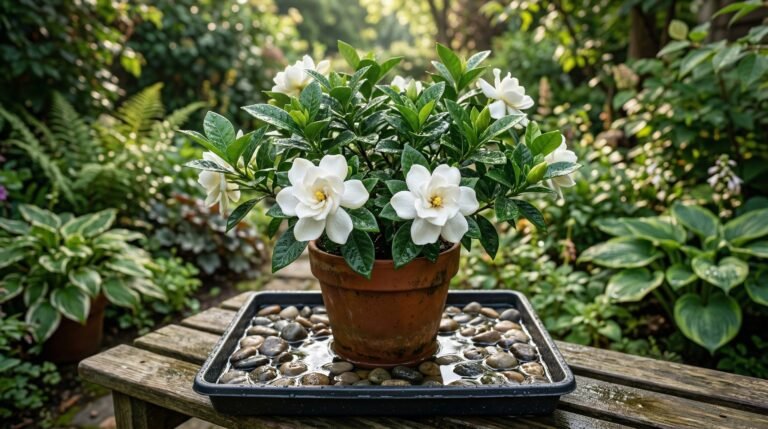
Gardenias are tropical plants that thrive in high humidity, which is something most modern homes completely lack. When the indoor air is too dry, the plant loses moisture through its leaves faster than the roots can absorb it, causing the buds to dry out and drop. Misting the plant with a spray bottle is a common piece of advice, but this actually promotes fungal diseases on the leaves and ruins the flowers. Instead, you need to increase the ambient humidity around the plant itself. You can do this by placing the pot on a wide tray filled with pebbles and water, ensuring the bottom of the pot sits on the dry pebbles rather than in the water. Running a small room humidifier nearby is an even more effective way to give the plant the heavy moisture it craves in the air.
Sometimes the problem lies entirely out of sight beneath the soil line in the form of a heavily root-bound plant. When you buy a mature gardenia from a nursery, the roots have often completely filled the plastic container, leaving very little actual soil to hold water. A root-bound plant cannot support a massive flush of blooms because water simply runs down the sides of the pot without soaking into the root mass. If you pull the plant out of its pot and see a dense, circling mat of white or brown roots, you need to repot it into a container that is one size larger. Loosen the outer roots very gently with your fingers, add fresh acidic potting soil, and water it thoroughly to help the plant recover from the transition.
Preventing bud drop before it starts
The hard truth about gardenias is that they despise change, and simply bringing a new plant home from the greenhouse is often enough shock to cause bud drop. The nursery provided perfect humidity, exact watering, and controlled temperatures, and your home environment is a massive adjustment for the plant. The best preventive measure is to accept this initial acclimation period and focus on keeping the plant healthy rather than panicking over the lost flowers. Pick the best location with bright indirect light, establish a careful watering routine, and then keep your hands off the plant. The single most useful piece of advice for growing a gardenia is to practice extreme patience, because once the plant settles into its permanent spot and grows its own new set of buds, it will hold onto them and reward you with those spectacular blooms.
More About Gardenia
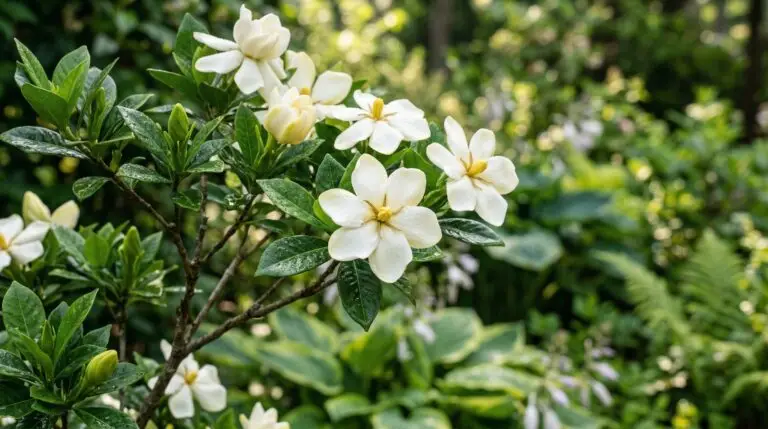
Cold hardy gardenias that survive winter in zones 6 and 7 with fragrant summer blooms
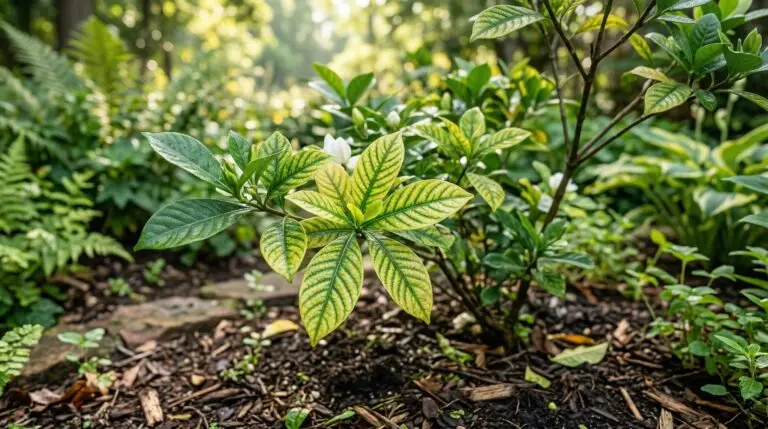
How to fix yellow leaves on gardenias with the right soil and feeding program
Gardenia essential oil and the history of this fragrance in perfumery and aromatherapy
Growing gardenias indoors as houseplants and surviving the humidity challenge
Best gardenia varieties from compact Radicans to the classic August Beauty
Gardenia flower meaning and why this bloom represents secret love and purity
How to grow gardenias for intoxicating fragrance and creamy white blooms
Gardenia wedding flowers and the timeless elegance of white gardenia corsages and bouquets