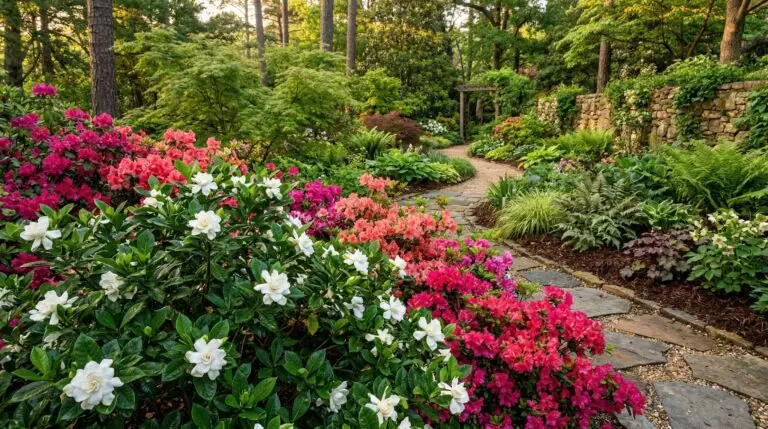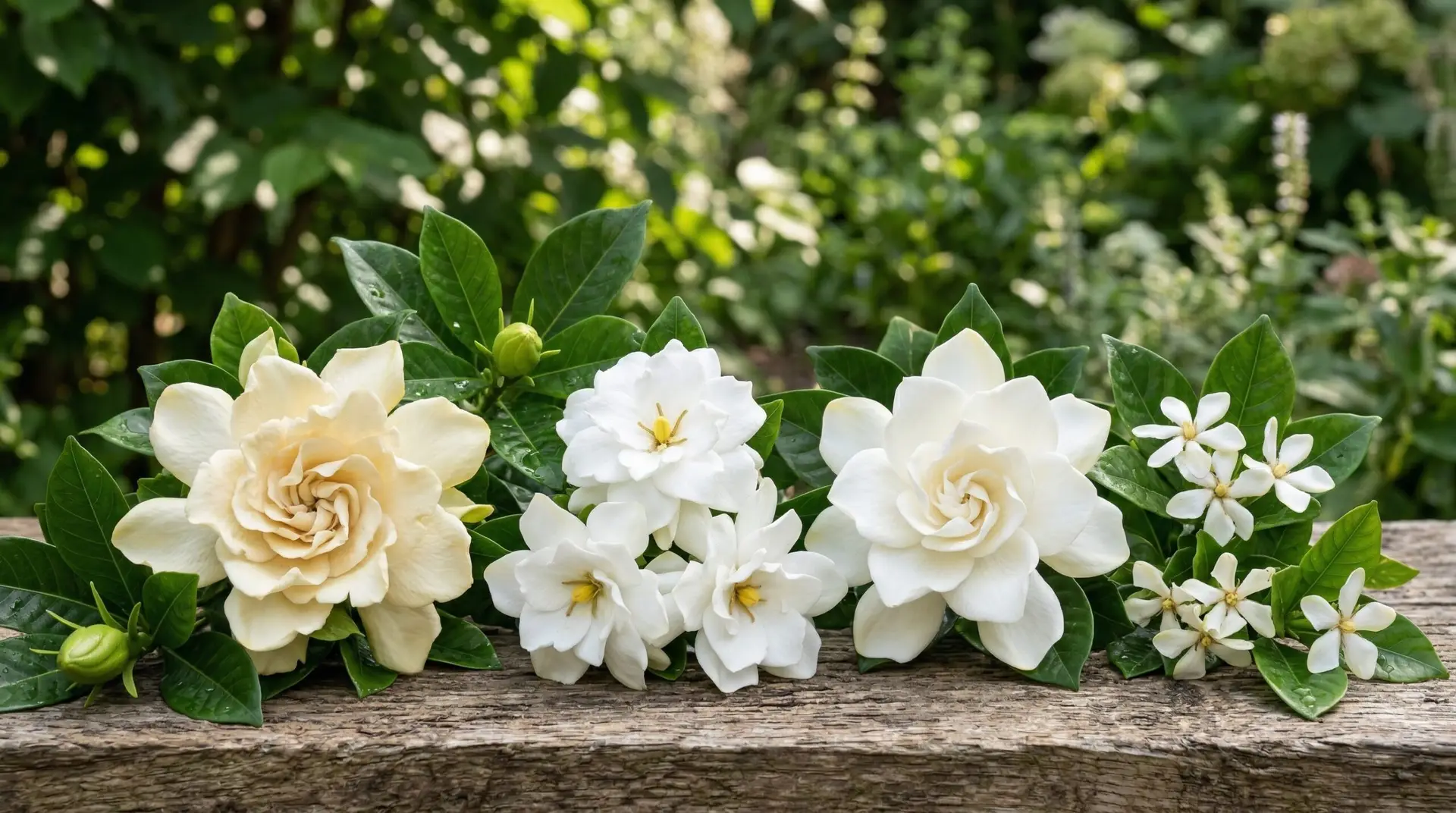
Garden centers are filled with gardenias every spring, tempting buyers with glossy leaves and heavy fragrance. Most of these impulse purchases end in frustration when the plant encounters its first winter or outgrows its allotted space. The genus Gardenia jasminoides, historically sold under the common name Cape jasmine, has a well-earned reputation for being deeply unforgiving of alkaline soil, poor drainage, and sudden temperature shifts. Rather than cataloging every cultivar available in the nursery trade, a careful gardener should look for specific varieties bred to solve these inherent flaws. By selecting plants based on cold hardiness, mature size, and bloom duration, you can successfully cultivate these demanding shrubs. The best gardenias are those that deliver the classic white blossoms and rich scent while surviving the realities of your specific climate.
Overcoming the climate barrier with hardy selections
The most common failure point for outdoor gardenias is a late spring frost that destroys the developing flower buds. The variety ‘Frostproof’ earns its place in any serious garden precisely because it addresses this vulnerability. While the name is a slight exaggeration, this cultivar reliably withstands unexpected temperature drops that would ruin the spring display of standard varieties. It produces an abundance of double flowers that are slightly smaller than average, but the plant compensates with sheer volume and an exceptionally uniform growth habit. The foliage is also distinctively narrow and upright, giving the shrub a finer texture in the landscape even when it is out of bloom. If you live in a region where spring weather fluctuates wildly, ‘Frostproof’ is the most dependable choice for consistent, reliable flowering year after year.
Gardeners pushing the northern limits of gardenia cultivation into USDA Zone 7 need a plant built specifically for cold tolerance. ‘Kleim’s Hardy’ is the definitive selection for these cooler climates, surviving winters that would easily kill traditional southern varieties. Unlike the heavy double blossoms most people associate with the plant, this cultivar produces single flowers with six flat petals surrounding a prominent yellow center. This simpler floral structure resembles a large jasmine blossom and carries the same intense, drifting fragrance across the garden. The shrub maintains a naturally rounded, compact shape that rarely requires pruning to look presentable in a formal border. Choosing ‘Kleim’s Hardy’ means accepting a different visual aesthetic in exchange for exceptional cold resilience and peace of mind during harsh winters.
Scaling down for containers and tight borders
Many classic gardenias grow into massive shrubs that quickly overwhelm small foundation beds and narrow walkways. The dwarf variety ‘Radicans’ offers a permanent solution to this spatial problem by growing significantly wider than it does tall. It typically reaches only one to two feet in height but spreads outward to form a dense, low mat of dark green foliage. This creeping habit makes it an exceptional evergreen groundcover or a trailing element over the edge of large masonry planters and retaining walls. The flowers are proportionately smaller than standard varieties, yet they appear in such high numbers that the fragrance easily fills a patio area or courtyard. ‘Radicans’ is highly sensitive to cold, so it serves best as a container specimen in cooler zones where it can be moved indoors before the first autumn frost.
Continuous blooming and modern improvements
The traditional gardenia bloom cycle is a brief, intense explosion of flowers in early summer followed by entirely green foliage for the rest of the year. Plant breeders have worked for decades to extend this display, and ‘Jubilation’ represents the most successful outcome of that continuous effort. This variety produces a heavy flush of classic double flowers in late spring and continues to generate new blooms sporadically through late summer and into autumn. The introduction of reliable reblooming traits in gardenias mirrors the breeding advancements seen in many modern camellia introductions, transforming a brief seasonal event into a lasting landscape feature. ‘Jubilation’ also maintains a manageable mid-range size, maturing at about three to four feet in both height and width. This combination of extended flowering and controlled growth makes it an incredibly useful plant for highly visible areas near entryways or outdoor seating where you want a constant visual impact.
The standard of classic gardenia form
There are times when a garden design calls for the traditional, large-scale southern gardenia in all its original glory. While older cultivars like ‘Mystery’ often become leggy and sparse at the base over time, ‘August Beauty’ has largely replaced them as the premier large variety. It grows into a substantial shrub reaching up to six feet tall, with large, heavily textured leaves that provide excellent evergreen screening along property lines. The primary advantage of ‘August Beauty’ is its blooming schedule, which peaks later in the season and often continues well into the late summer months when other shrubs have faded. The flowers are massive, fully double, and possess the heavy, velvet-like petals that define the classic gardenia aesthetic. You should reserve this variety for spacious areas where it can reach its full mature size without the need for constant, disfiguring pruning.
Evaluating these varieties requires balancing your specific climate constraints against the desire for classic floral form and fragrance. While ‘August Beauty’ provides the traditional large-scale presence and ‘Radicans’ solves strict space limitations, ‘Jubilation’ stands out as the single most valuable selection for the contemporary gardener. It successfully combines the thick, double blossoms of the classic types with a compact growth habit that fits easily into modern residential lots. Most importantly, its ability to produce flowers across multiple seasons elevates it above plants that offer only a brief window of interest before reverting to plain green shrubs. If you have the space and ideal soil conditions for only one gardenia, ‘Jubilation’ provides the highest return on your investment of garden space, water, and effort.
More About Gardenia
Cold hardy gardenias that survive winter in zones 6 and 7 with fragrant summer blooms
How to fix yellow leaves on gardenias with the right soil and feeding program
Gardenia essential oil and the history of this fragrance in perfumery and aromatherapy
Growing gardenias indoors as houseplants and surviving the humidity challenge
Why gardenia buds turn brown and drop off before opening and how to stop it
Gardenia flower meaning and why this bloom represents secret love and purity
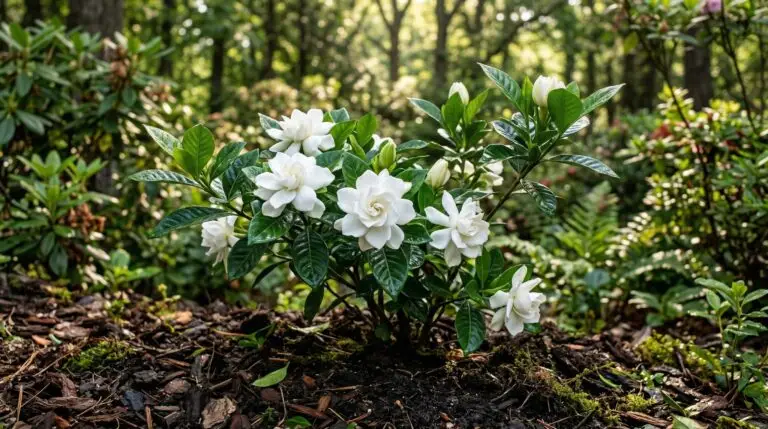
How to grow gardenias for intoxicating fragrance and creamy white blooms
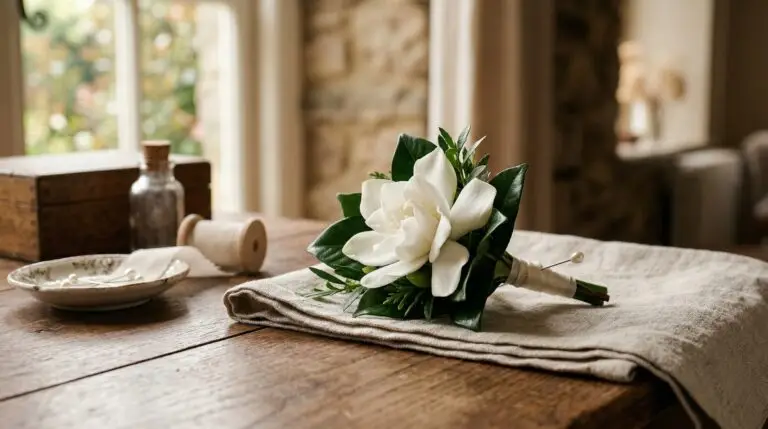
Gardenia wedding flowers and the timeless elegance of white gardenia corsages and bouquets