Gardenia jasminoides is a notorious plant to cultivate indoors. I have watched countless greenhouse specimens transition to living rooms over the years, often with mixed results. The transition from a perfectly controlled commercial greenhouse to a dry winter house is a severe shock to the plant. Gardenias are evergreen shrubs native to subtropical regions of Asia, where they receive bright light and consistently high atmospheric moisture. Bringing an indoor gardenia into your home requires replicating these specific environmental conditions as closely as possible. While they demand strict environmental controls, successfully coaxing a flush of heavily scented white blooms in the middle of winter is a highly satisfying horticultural achievement.
Many growers assume that a gardenia houseplant simply needs a sunny window and regular watering to thrive. The reality is far more nuanced, as these plants operate on precise biological triggers. The timing of their blooming cycle is dictated heavily by temperature fluctuations rather than light duration alone. Cultivars bred specifically for container culture, such as the compact ‘Veitchii’ or the low-growing ‘Radicans’, adapt much better to indoor life than standard landscape varieties like ‘August Beauty’. Even with the right cultivar selected, you must be prepared to monitor soil chemistry and ambient moisture closely. If you have ever managed the specific moisture needs of a moth orchid, you already understand the level of daily observation required here.
Understanding light and temperature requirements for bud set
Light is the primary driver of vegetative growth, but temperature dictates whether your gardenia indoors care efforts will actually produce flowers. Gardenias require bright, indirect light for at least six to eight hours a day to maintain their dark green foliage. A south-facing or west-facing window is usually necessary during the winter months, provided the plant is protected from direct, scorching afternoon sun. If natural light is insufficient in your home, supplementing with full-spectrum grow lights can prevent the plant from becoming leggy and weak. The most demanding factor for flower production is a distinct drop in night temperatures. Gardenias are highly specific about this trigger, requiring nighttime temperatures between 55 and 62 degrees Fahrenheit to initiate bud development.
If the ambient room temperature remains above 65 degrees at night, the plant will simply continue producing leaves without ever forming flower buds. Conversely, daytime temperatures should ideally hover between 68 and 74 degrees Fahrenheit. This diurnal temperature shift mimics the natural cooling of evening air in their native subtropical habitat. Achieving this in a modern, centrally heated home can be difficult, often requiring you to place the plant in a cooler spare bedroom or a sunporch during the autumn and winter months. You must also keep the plant away from drafty windows, heating vents, and exterior doors, as sudden blasts of hot or cold air will cause severe physiological stress. Maintaining this careful balance of bright light and cool nights is the only reliable way to encourage flowering indoors.
Managing the indoor humidity challenge
The single greatest obstacle to keeping a gardenia alive indoors is the lack of atmospheric moisture in our homes. Winter heating systems strip the air of moisture, dropping indoor humidity levels well below the 60 percent minimum that gardenias require to function properly. When the air becomes too dry, the plant will rapidly transpire moisture through its leaves faster than the roots can absorb it from the soil. This leads to crispy leaf margins, overall wilting, and the immediate abortion of any developing flower buds. Misting the foliage with a spray bottle provides only a few minutes of relief and can actually encourage fungal diseases on the leaves if the air circulation in the room is poor. Instead of misting, you must create a localized microclimate of sustained humidity around the plant.
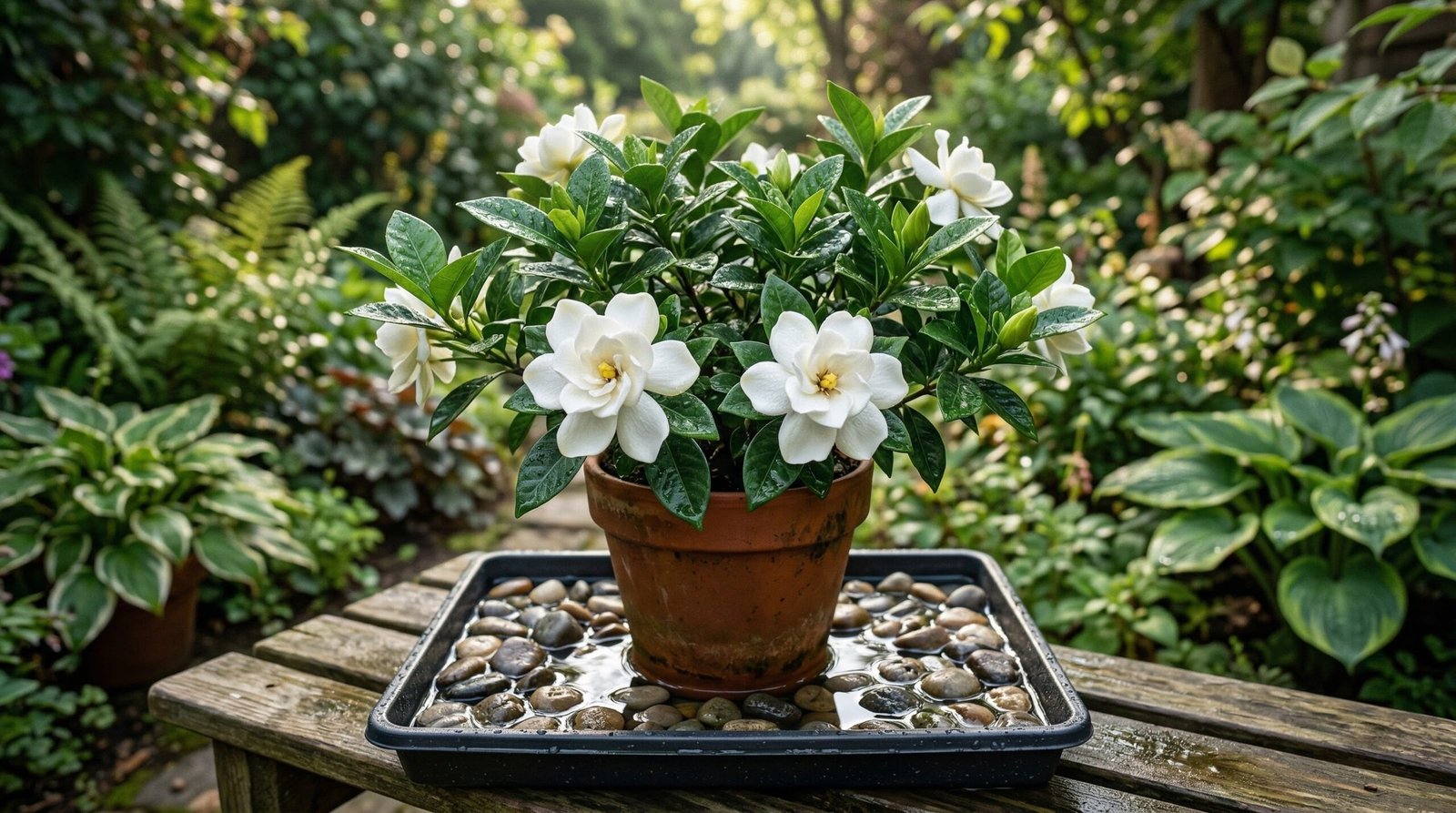
The most effective traditional method for increasing local humidity is the use of a humidity tray. This involves filling a wide, shallow waterproof saucer with pebbles or gravel and adding water to just below the top of the stones. When you place the gardenia pot on top of the pebbles, the water evaporates continuously around the foliage without ever touching the bottom of the pot. Allowing the pot to sit directly in water would quickly lead to root rot, which is fatal to the plant. For larger indoor gardenias, running a dedicated evaporative or ultrasonic humidifier in the same room is often necessary. Similar to the environmental needs of tropical vines like jasmine, a gardenia thrives when the air feels noticeably heavy and damp to human skin.
Soil acidity and watering practices
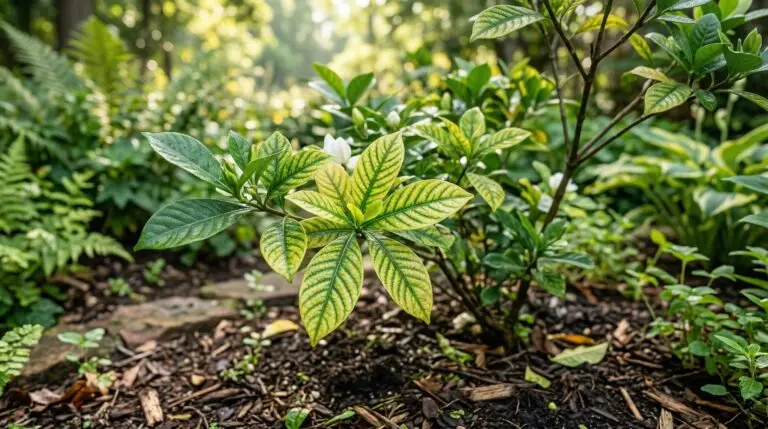
Gardenias are obligate acidophiles, meaning they require a low soil pH to properly absorb nutrients from the growing medium. The ideal soil pH range for a gardenia houseplant is between 5.0 and 6.0. If the potting mix becomes too alkaline, usually from the accumulation of calcium and magnesium found in hard tap water, the plant loses its ability to take up iron. This results in a physiological condition known as iron chlorosis. You can identify chlorosis easily because the newest leaves turn a pale, sickly yellow while the leaf veins remain distinctly dark green. To maintain the correct acidity, you should use a peat-based potting mix and periodically apply an acid-forming fertilizer formulated specifically for azaleas or camellias.
Watering a gardenia requires a careful touch, as the roots are highly sensitive to both drought and waterlogging. The potting mix should be kept consistently moist but never completely saturated. I recommend checking the soil moisture daily by inserting your finger about an inch into the top of the root ball. If the soil feels dry at that depth, it is time to water thoroughly until the excess drains out the bottom of the pot. Always empty the drainage saucer immediately to prevent the lower roots from suffocating in standing water. Using room-temperature rainwater or distilled water is highly beneficial, as it prevents the buildup of alkaline salts that inevitably occur when using municipal tap water over long periods.
Troubleshooting yellow leaves and bud drop
Even with diligent care, gardenias will occasionally drop leaves, and understanding the pattern of this leaf loss is essential for an accurate diagnosis. It is entirely normal for a gardenia to shed some of its oldest, innermost leaves in the early spring or late fall as it redirects energy to new growth. These older leaves will turn a uniform yellow before dropping off, which is a natural senescence process and no cause for alarm. If leaves all over the plant are turning yellow and dropping rapidly, you are likely dealing with a watering issue. Overwatering suffocates the fine root hairs, while underwatering causes the plant to sacrifice foliage to conserve moisture. Checking the weight of the pot and inspecting the root system can help you determine which extreme is causing the stress.
Bud drop is perhaps the most frustrating issue growers face, occurring when the plant forms promising flower buds that suddenly turn brown and fall off before opening. This is almost always an environmental stress response rather than a disease or pest issue. The most common culprits are sudden fluctuations in temperature, a severe drop in humidity, or allowing the soil to dry out completely between waterings. Moving the plant to a different location while it is in bud can also cause enough stress to trigger bud abortion. Gardenias prefer to remain stationary once they have acclimated to a specific spot in your home. By maintaining consistent soil moisture, providing stable cool nights, and keeping the humidity tray topped off, you can guide those fragile buds all the way to their final bloom.
Growing a gardenia indoors is an active horticultural practice that will test your observational skills and patience. You will need to monitor the soil moisture daily, watch the thermostat closely in the evenings, and pay attention to the color of the emerging foliage. When you notice the first signs of iron chlorosis, you can correct it early with an application of chelated iron before the plant declines. If you see spider mites webbing in the dry winter air, you will know to increase the ambient humidity immediately. Start by selecting a proven indoor cultivar like ‘Veitchii’, pot it in a high-quality acidic mix, and establish a dedicated humidity tray from day one.
More About Gardenia
Cold hardy gardenias that survive winter in zones 6 and 7 with fragrant summer blooms
How to fix yellow leaves on gardenias with the right soil and feeding program
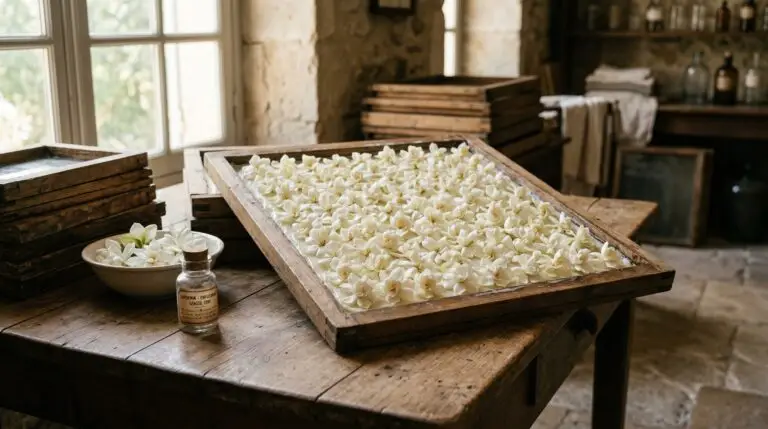
Gardenia essential oil and the history of this fragrance in perfumery and aromatherapy
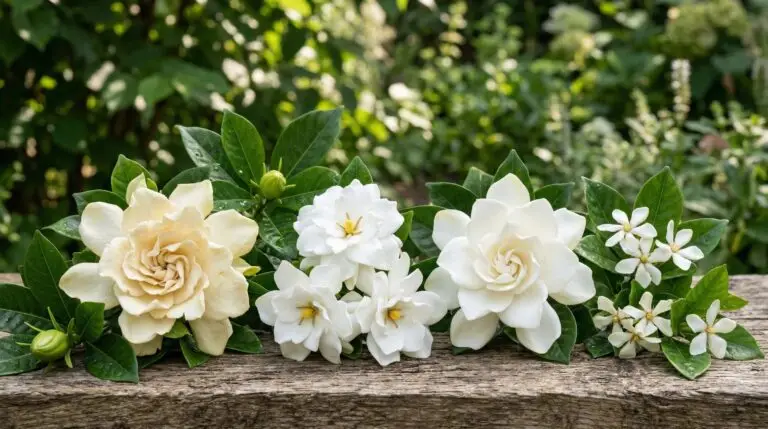
Best gardenia varieties from compact Radicans to the classic August Beauty
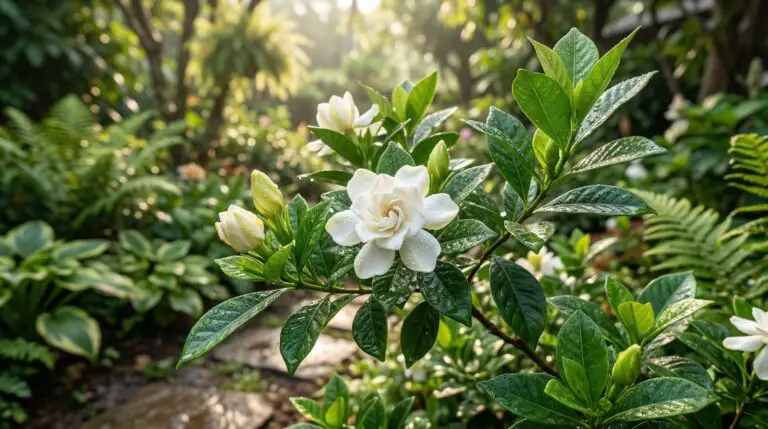
Why gardenia buds turn brown and drop off before opening and how to stop it
Gardenia flower meaning and why this bloom represents secret love and purity
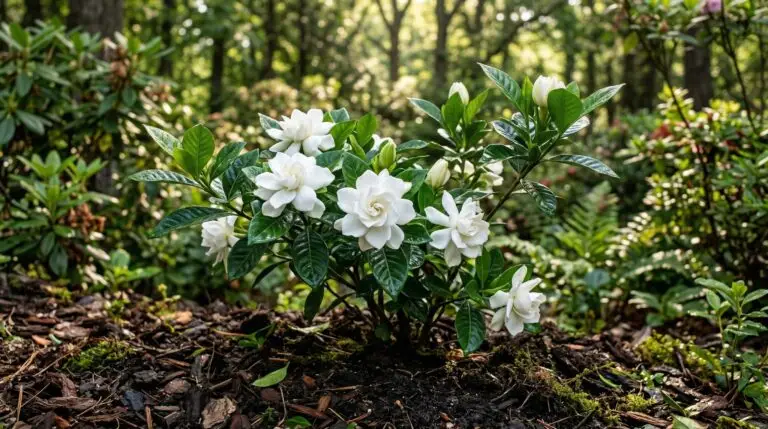
How to grow gardenias for intoxicating fragrance and creamy white blooms
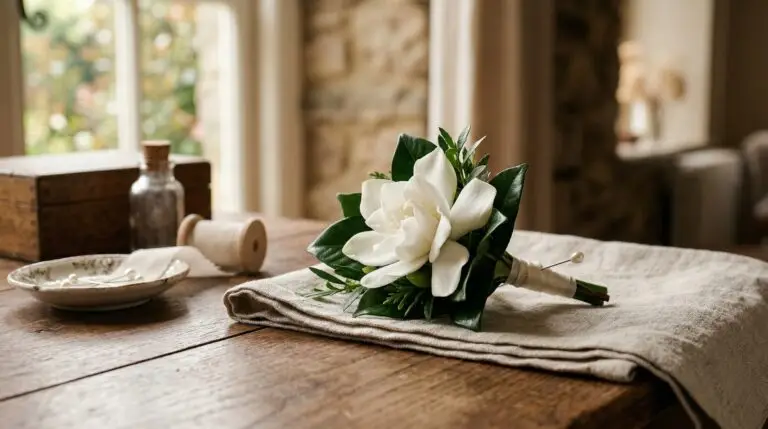
Gardenia wedding flowers and the timeless elegance of white gardenia corsages and bouquets