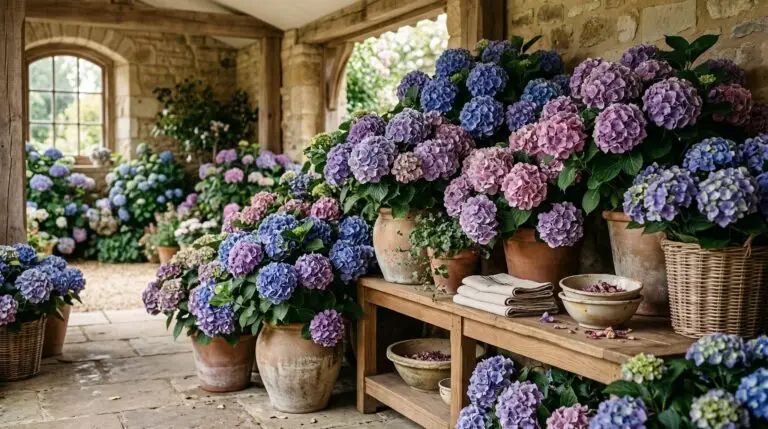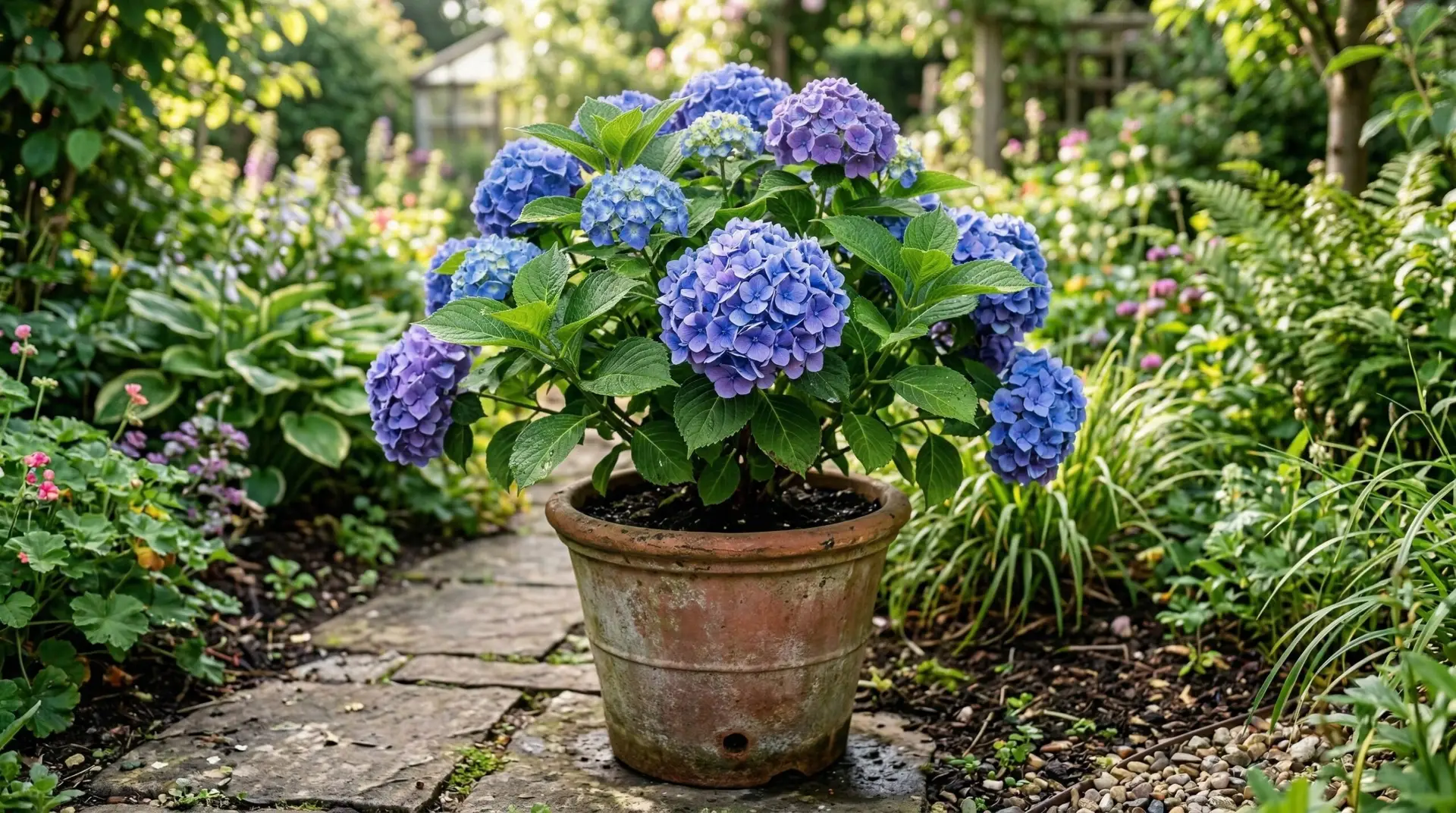
Walking out onto a patio in the late afternoon heat often reveals a familiar sight for anyone who grows big-leaf hydrangeas. The leaves hang limp and sad against the sides of the pot, looking as though the plant has completely given up on life. This dramatic wilting is practically a rite of passage when growing a container hydrangea for the first time. The good news is that a heavy drink of water usually perks the leaves right back up within an hour or two. Keeping a hydrangea in pots happy on a hot doorstep requires a bit more vigilance than planting one directly in the garden bed. After trying both methods for several years, the secret to a thriving display comes down to mastering soil moisture and choosing a container that is actually large enough for the job.
Putting these heavy drinkers in containers does offer some distinct advantages for home gardeners. A pair of blooming shrubs flanking a front door creates a welcoming entrance without needing to dig up the surrounding concrete or walkway. Growing them in pots also allows you to move the plants around as the seasons change and the sun shifts across your yard. You can pull them into a prominent spot when they are full of blooms and push them into a quiet corner when they are just green leaves. The trade-off for this mobility is a serious commitment to daily maintenance during the hottest months of the year. Anyone looking for a plant that can be ignored for weeks at a time should probably look for something tougher, as these shrubs will demand your attention.
Selecting the right pot and plant size
Most standard nursery pots are far too small to sustain a mature big-leaf hydrangea through a long summer. A proper container needs to be at least twenty inches wide and equally deep to give the root system room to grow. This volume of soil is absolutely necessary to hold enough water to last the plant through a single hot day. Heavy resin or thick glazed ceramic pots work much better than thin plastic or unglazed terracotta, which wick moisture away from the soil far too quickly. Because these large pots become incredibly heavy once filled with wet soil, placing them on a sturdy wheeled plant caddy before planting saves a lot of back strain later. Drilling extra drainage holes in the bottom of the pot is always a good idea, as sitting in stagnant water will rot the roots just as quickly as drought will kill the leaves.
The specific plant you choose to put in that pot matters just as much as the container itself. Older varieties of Hydrangea macrophylla want to grow five feet tall and will quickly become severely rootbound and stressed in any pot. Trying to force a massive shrub to stay small in a container usually results in a weak plant that refuses to bloom. Look for dwarf or compact varieties specifically bred for smaller spaces, which naturally top out at around two or three feet tall. These smaller varieties have root systems that are much better suited to life in a confined space. Starting with a compact plant means you can keep it in the same pot for several years before needing to worry about upgrading the container size.
Managing sunlight and soil moisture
Placing a potted hydrangea in the right spot can significantly cut down on the amount of watering required. Much like an azalea, these shrubs thrive on gentle morning sunlight but will absolutely bake if left completely exposed to the harsh afternoon sun. A covered porch, an east-facing doorstep, or a patio shaded by a large tree provides the ideal balance of light and protection. If the leaves start developing crispy, brown edges, the plant is getting too much direct sunlight and needs to be moved to a shadier location. Gardeners in the South may find that their plants need almost full shade during the peak of summer to keep the foliage looking green and healthy. In cooler northern zones, the plants can usually tolerate a bit more sun as long as the soil never dries out.
Watering is the single biggest chore when keeping a container hydrangea alive, especially during the peak heat of July and August. These plants transpire heavily through their large leaves, and the soil in a pot dries out exponentially faster than the soil in a garden bed. You will likely find yourself standing over the pots with a watering can every single morning before the sun gets too hot. Adding a thick layer of shredded hardwood mulch or pine straw to the top of the potting soil prevents the sun from baking the surface and slows down evaporation. The trick is to water deeply until it runs out the drainage holes, ensuring the entire root ball gets soaked rather than just the top few inches of soil. A quick sprinkle from the hose is never enough to sustain a large shrub in a container.
The potting mix you use plays a massive role in how well the plant holds onto that water. A standard bag of affordable potting soil from the hardware store works perfectly fine, provided it is mixed with a few handfuls of compost to help retain moisture. You want a mix that feels spongy and absorbs water quickly without turning into heavy, compacted mud. Avoid using straight topsoil or garden dirt in a pot, as it will compress into a solid brick and suffocate the roots. Some gardeners like to mix in water-retaining gel crystals, but plain organic compost does an excellent job of keeping the root zone damp without costing extra money. Checking the soil moisture with your bare fingers is the most reliable way to know if the plant actually needs a drink.
Controlling bloom colors in a container
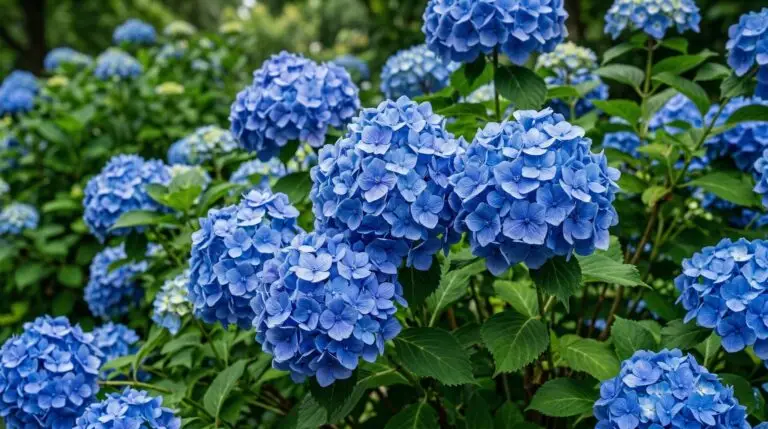
One distinct advantage of growing a hydrangea patio display is having absolute control over the soil chemistry and the resulting flower colors. In a garden bed, changing the soil pH takes years of constant amendments, but a container is a small, closed environment where changes happen much faster. To get those classic blue flowers, the soil needs to be highly acidic, which is easy to achieve by applying aluminum sulfate to the potting mix in early spring. You can treat the soil much like you would for a camellia, using a slow-release granular fertilizer formulated specifically for acid-loving shrubs. The color transformation does take a full growing season to show up in the blooms, so patience is required after adding any soil amendments.
If bright pink flowers are the goal, the process requires shifting the soil chemistry in the opposite direction. Adding a handful of garden lime to the soil surface will raise the pH and encourage the plant to produce pink blooms. Many commercial potting soils are slightly acidic out of the bag, so a new plant might bloom purple or blue in its first year before the lime takes effect. Feeding the plants regularly is also necessary because heavy daily watering washes nutrients out of the bottom of the pot fairly quickly. A basic, all-purpose liquid fertilizer applied every few weeks keeps the leaves dark green and gives the plant enough energy to push out massive flower heads. You can follow a feeding routine similar to what works for an azalea in a pot, stopping all fertilizer by late summer to let the plant harden off for winter.
Pruning and refreshing rootbound plants
Pruning a potted big-leaf hydrangea is an area where many well-meaning gardeners accidentally ruin their flower display for the entire year. Most traditional Hydrangea macrophylla varieties bloom on old wood, meaning the flower buds for next summer are formed on the stems grown this year. If you cut the plant down to the soil line in the fall or spring, you are cutting off every single flower bud. The only pruning these plants usually need is the removal of dead, brittle twigs that snap easily in your fingers. You can snip off the faded flower heads right below the bloom if you want a tidier look, but leaving them on the plant through the winter causes no harm at all. The bare stems will look completely dead for weeks after the weather warms up, but eventually, fat green buds will swell along the wood.
Even a compact variety will eventually fill its container with a dense mat of roots after three or four years on the patio. When water starts running straight down the inside of the pot and out the bottom without soaking in, the plant has become severely rootbound. Pulling the heavy root ball out of the pot in early spring allows you to inspect the roots and refresh the soil. Shaving an inch of roots off the sides and bottom with an old bread knife sounds brutal, but it stimulates fresh growth and makes room for new potting soil. Packing fresh compost and soil around the trimmed root ball gives the shrub a new lease on life and saves you from having to buy an even larger, heavier pot.
Winter survival strategies for potted plants
Getting a potted hydrangea through the winter requires a completely different approach than leaving one planted in the ground. Roots growing above the frost line in a container lack the deep, insulating warmth of the earth, making them highly vulnerable to hard freezes. In mild southern climates, simply pulling the pot close to the brick wall of a house and wrapping the container in a thick layer of burlap or bubble wrap is usually enough protection. The brick absorbs heat during the day and radiates it at night, creating a microclimate that keeps the roots just warm enough to survive. Piling dry fallen leaves over the top of the soil provides an extra layer of insulation against unexpected cold snaps.
In northern zones where temperatures drop below freezing for weeks at a time, leaving a ceramic pot on an exposed doorstep usually results in a cracked container and a dead plant. The safest bet is to move the heavy pot into an unheated garage, basement, or shed once the plant drops its leaves in late autumn. The shrub will look like a bundle of dry sticks for months, which is entirely normal during its winter dormancy. Check the soil once a month and give it a tiny splash of water just to keep the roots from turning to dust, but avoid soaking it. Once the danger of hard spring frost has passed, you can drag the heavy pot back out to the patio, give it a thorough watering, and wait for the green buds to break open for another season.
More About Hydrangea macrophylla
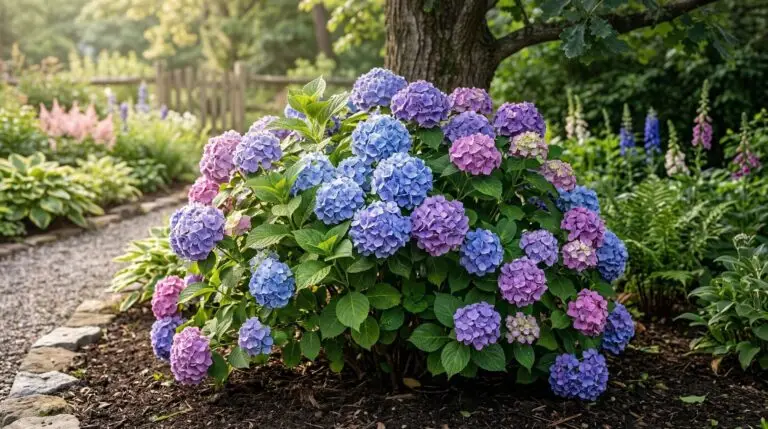
How to grow hydrangeas for massive flower heads that dominate the summer garden
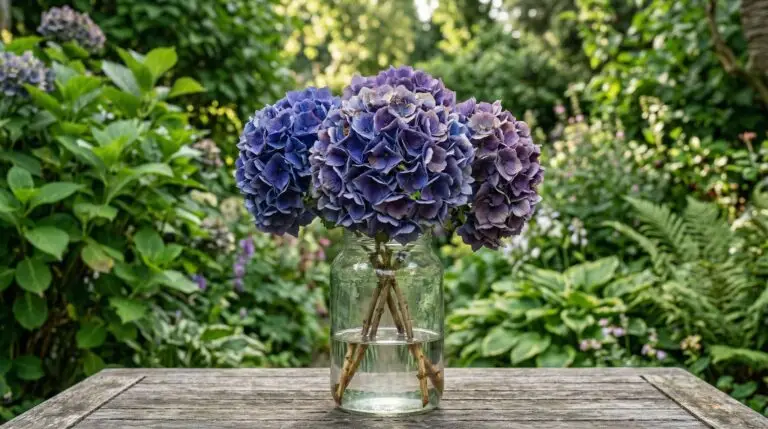
Drying hydrangea flowers for beautiful arrangements that capture summer all year
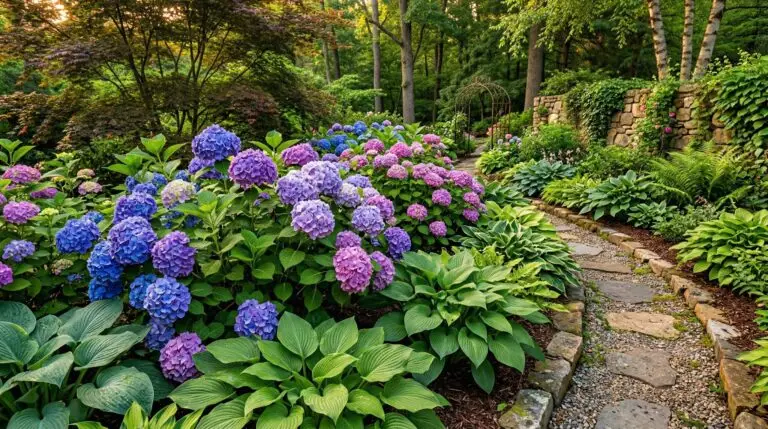
Companion plants for hydrangeas in a shady border that looks beautiful all season
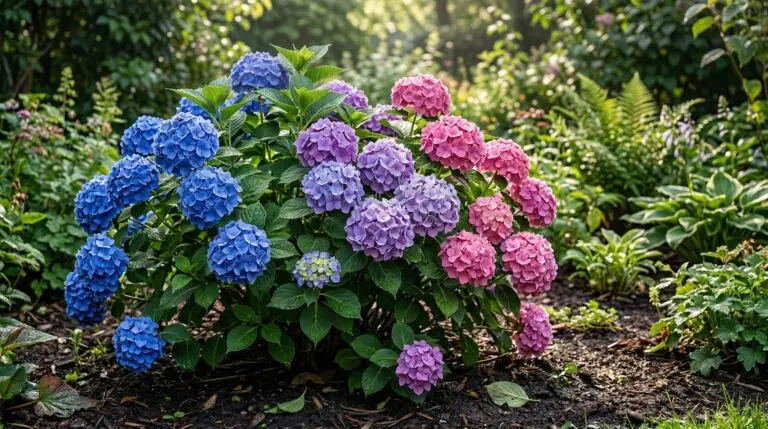
How to change hydrangea color from pink to blue and the soil science behind it
Hydrangea meaning, by colour and across the centuries, honestly explained
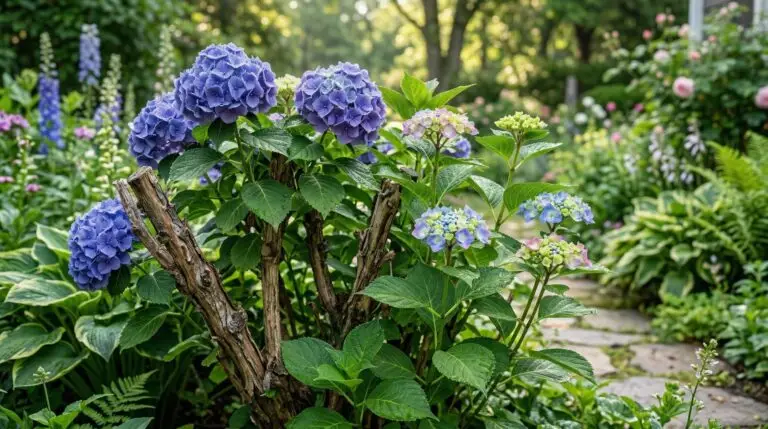
Why hydrangeas do not bloom and the pruning mistakes that remove all the flower buds
Best hydrangea varieties from classic Nikko Blue to reblooming Endless Summer
Pruning hydrangeas correctly and which type you have determines when you cut