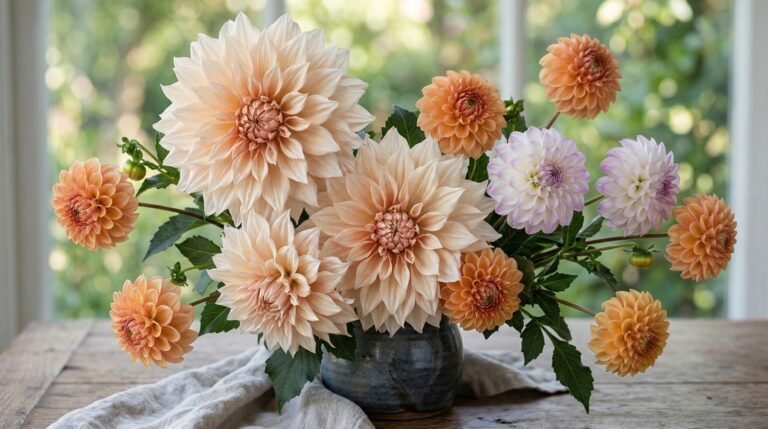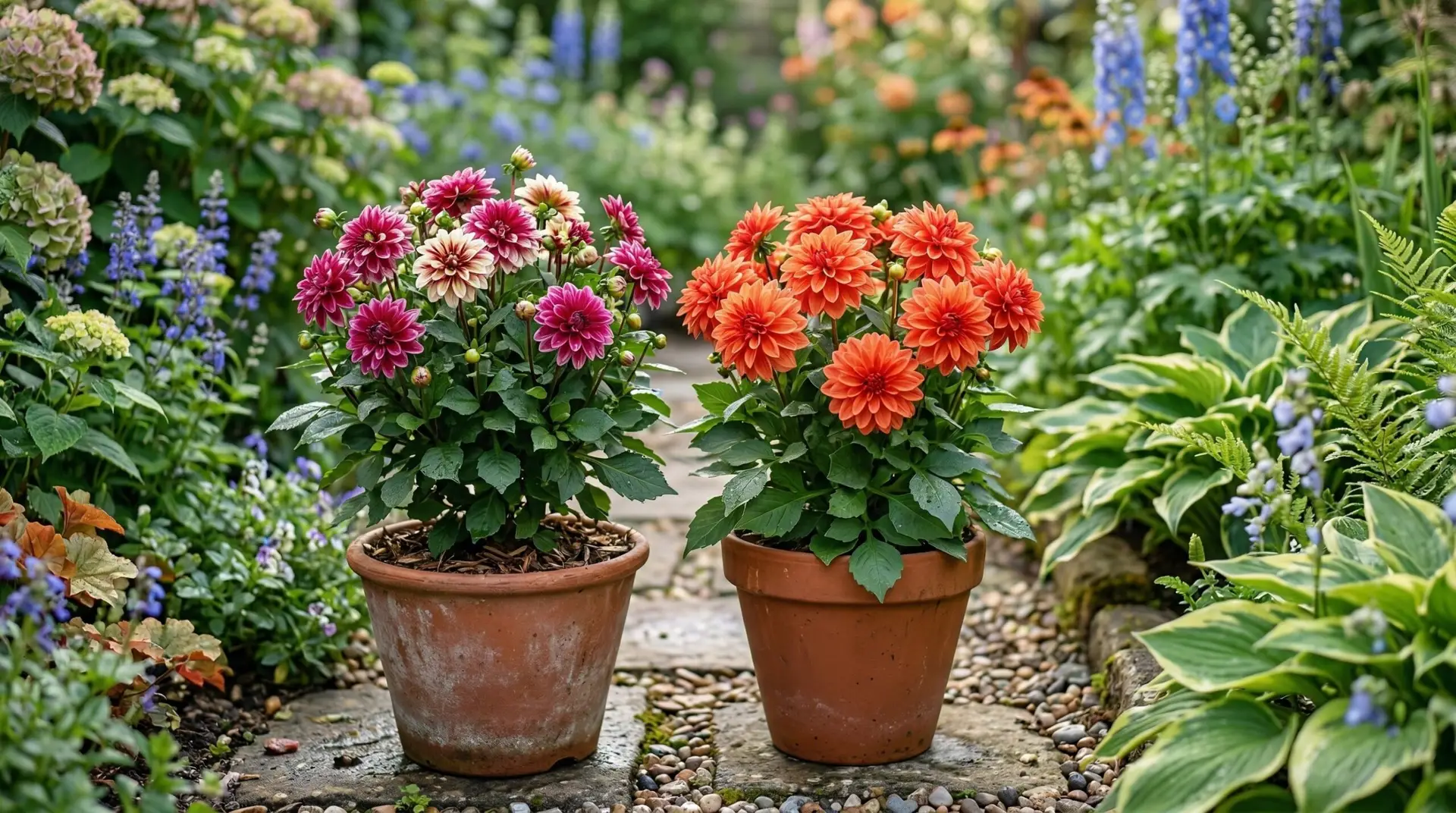
Late July arrives, and the spring patio planters often start looking tired, leggy, and thoroughly worn out from the summer heat. That exact moment is when container dahlias step in to save the patio flower show, pushing out massive blooms right up until the first frost hits. Growing a dahlia in pots requires a slightly different approach than putting them in the ground, mostly because these plants are incredibly hungry and thirsty by nature. The secret to success lies entirely in picking the right variety, because trying to cram a dinnerplate dahlia into a standard patio pot usually ends in a top-heavy disaster that blows over in the first strong breeze. After testing dozens of varieties over the years, the Gallery and Melody series consistently perform the best for container growing. These specific series are bred to stay relatively compact, usually topping out around two feet tall, which keeps the root system manageable while still producing full-sized flowers. These plants bring heavy, colorful flower heads right to eye level where you sit and relax, completely transforming a bare concrete slab into a garden space.
Choosing the right pot and preparing the soil
Selecting the right container is the first step, and bigger is always better when dealing with these fast-growing tubers. A pot that is at least fifteen to eighteen inches across and equally deep provides enough room for the root system to expand and keeps the soil from drying out by noon every day. Heavy clay or ceramic pots work much better than lightweight plastic, simply because a mature plant catches the wind like a sail and will easily tip over if the base lacks weight. Drainage matters immensely, so drilling a few extra holes in the bottom of the pot prevents the tubers from sitting in stagnant water and turning into mush before they even sprout. Placing the pot on some cheap clay feet or bricks keeps the drainage holes clear of the patio surface so excess water can escape freely. Fill those large pots with a standard, affordable potting soil mixed with a few handfuls of perlite to keep things loose and well-draining. Mixing in a slow-release granular fertilizer at planting time gives the tubers the early boost they need while they establish their initial roots. For a mixed patio display, setting these large pots behind smaller containers of trailing begonia plants creates a full, layered look that hides the bare lower stems of the taller plants.
Feeding and watering for continuous blooms
Keeping patio dahlias fed and watered is where the real daily work happens, as these plants will consume everything you give them and immediately ask for more. In the heat of midsummer, a mature plant in a container will likely need a deep soaking every single day, sometimes twice a day if the temperatures climb into the nineties. The rule of thumb is to stick a finger deep into the soil, and if it feels dry two inches down, the plant needs water immediately. Always water at the base of the plant rather than over the leaves, as wet foliage sitting in humid summer air invites powdery mildew. Because frequent watering washes nutrients right out the drainage holes, relying solely on the fertilizer mixed in at planting time will leave the plants starving by August. Feeding them with a basic liquid tomato fertilizer every ten to fourteen days gives them the phosphorus and potassium required to keep pushing out new buds. Gardeners in the South may find this daily watering routine exhausting, so setting up a simple, inexpensive drip irrigation line on a battery timer can save a tremendous amount of time and effort. In northern zones, the cooler nights mean the soil stays moist longer, but the plants still need that heavy feeding schedule to maximize their shorter growing season.
Keeping container plants upright and blooming
Even with the shorter Gallery and Melody series, providing some form of support is entirely necessary to keep the stems from snapping under the weight of their own flowers. Pushing three or four sturdy bamboo stakes into the soil right at planting time is the easiest method, as trying to add stakes later usually results in accidentally piercing the tuber underground. As the plant grows, simply loop some basic garden twine around the stakes to create a supportive corral that holds the heavy foliage in place during summer storms. When the young plant reaches about twelve inches tall, pinching out the very top center growth feels completely wrong but forces the plant to branch out from the base. The seedlings look dead or stunted for about two weeks after this aggressive pruning, but they will soon push out multiple side stems that result in four times as many flowers. Removing the spent blooms regularly, cutting the stem back to the next set of leaves, prevents the plant from setting seed and signals it to create more buds. A cheap pair of bypass pruners works perfectly for this job, making clean cuts that heal quickly without tearing the main stem. Tall companion plants like a canna lily can be placed in separate pots nearby to create a windbreak, which helps protect the brittle stems from sudden gusts.
Storing potted tubers for the winter
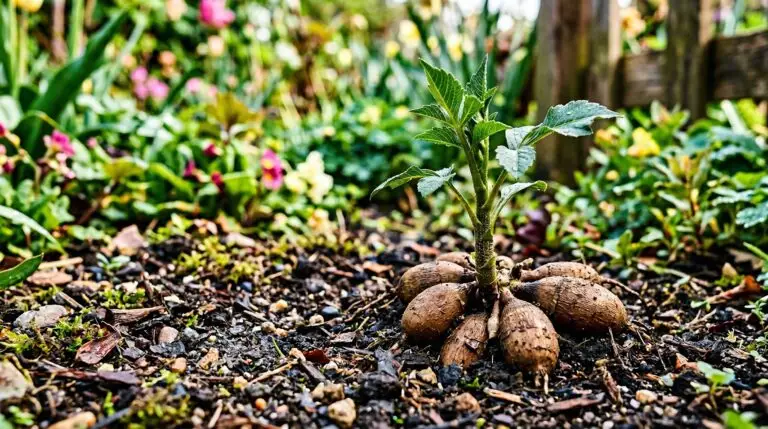
When the first hard frost finally arrives, the foliage will turn completely black and collapse overnight, signaling that the growing season is officially finished. At this point, the easiest way to store container dahlias for the winter is to simply leave them exactly where they are in their pots. Cut the blackened stems down to about two inches above the soil line, move the entire pot into an unheated garage or basement, and let the soil dry out completely. The dirt provides natural insulation, keeping the tubers from shriveling up while protecting them from freezing temperatures. Around March or April, dump the dry pot out onto a tarp, gently brush the old soil away, and separate the new tubers that formed over the summer. If space is tight and storing massive pots is not an option, digging the tubers up in the fall, letting them dry for a few days, and packing them in cheap cardboard boxes filled with wood shavings works just as well. Checking on the stored boxes once a month ensures they are not rotting from too much moisture or wrinkling from dry air. The process takes a bit of trial and error to find the right winter humidity levels, but pulling those firm, healthy tubers out of storage the following spring makes the effort entirely worthwhile.
More About Dahlia
Dahlia wedding flowers and why brides are choosing dahlias over traditional roses
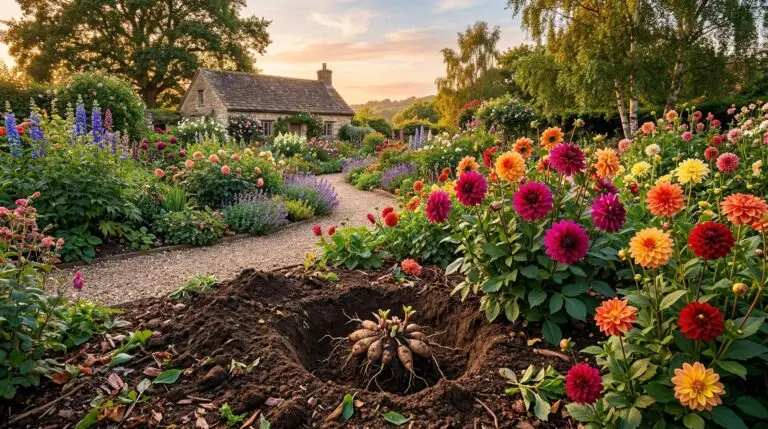
Dahlia tuber storage over winter so your favorite varieties survive until spring
Dahlia flower meaning and the Victorian language of flowers message behind each color
How to pinch and disbud dahlias for more flowers or bigger individual blooms
Dark-leaved dahlias that bring drama with stunning foliage and jewel-toned flowers
How to divide dahlia tubers in spring for more plants from your collection
How to grow dinner plate dahlias for enormous blooms that stop people in their tracks
Dahlia pests and diseases including earwigs slugs and powdery mildew solutions