Growing a true dinner plate dahlia requires a deliberate shift from casual gardening to active plant management. These massive flowers belong to the informal decorative or semi-cactus classifications and routinely exceed ten inches in diameter when cultivated correctly. Gardeners often plant a tuber expecting an enormous flower by default, but the plant naturally wants to produce multiple smaller blooms to maximize seed production. Coaxing a plant to produce a ten-inch or twelve-inch flower means overriding its natural reproductive instincts through specific pruning and feeding techniques. Varieties like Cafe au Lait have popularized this giant dahlia growing category, while classic exhibition varieties like Kelvin Floodlight and Emory Paul continue to set records for size. Success with a large dahlia depends entirely on how you manage the plant from the moment the tuber enters the soil.
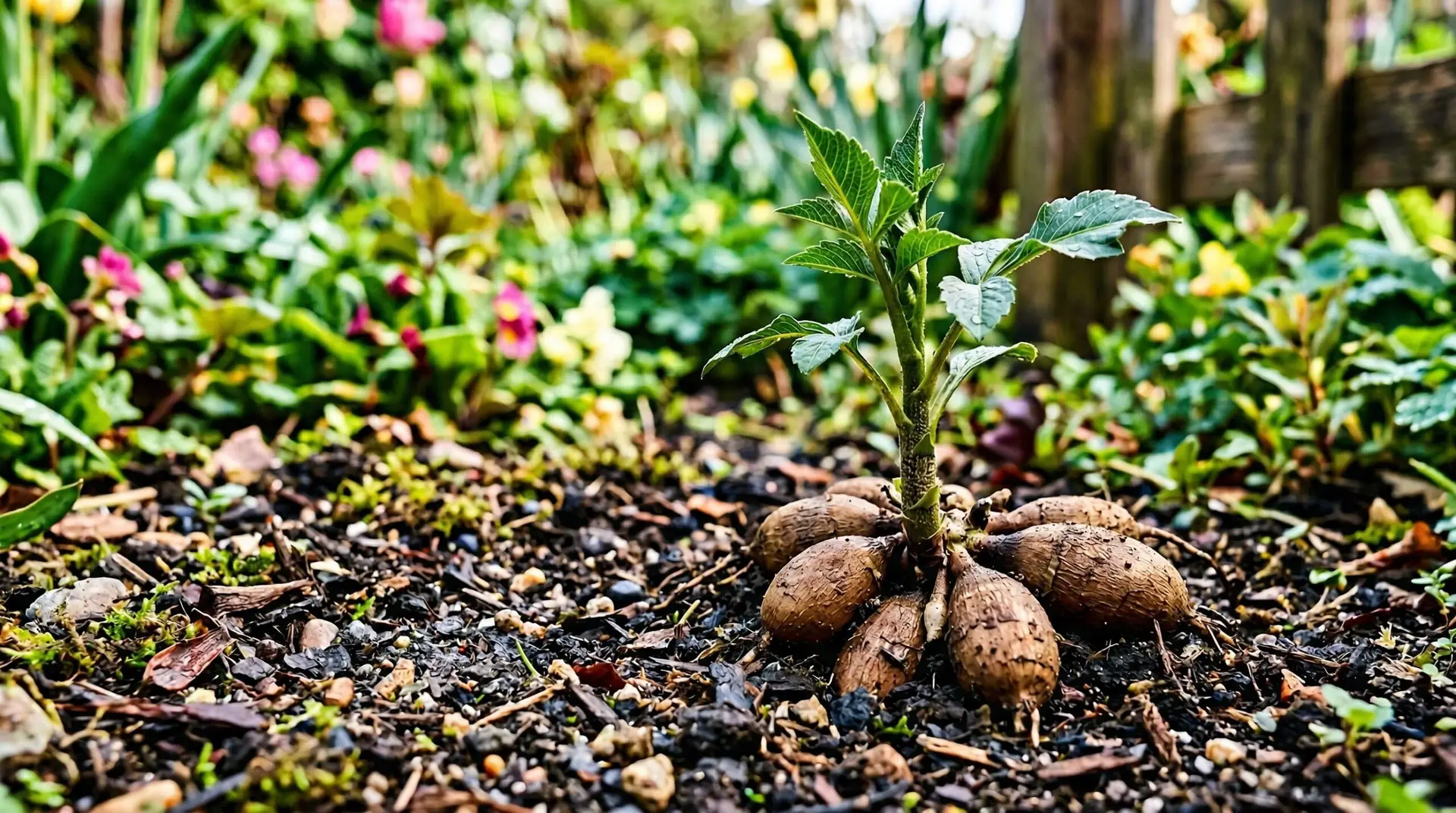
The foundation of an enormous bloom begins with the soil chemistry and the initial tuber planting. Dahlias require excellent drainage and perform best in soil with a pH ranging from 6.5 to 7.0. Incorporating a generous amount of aged compost into the planting bed a few weeks before planting will improve both drainage and nutrient retention. If your soil holds too much clay, the fleshy tubers will rot before they can establish a viable root system. I recommend waiting until the soil temperature consistently registers above sixty degrees Fahrenheit before planting outside. Lay the tuber horizontally about four to six inches deep with the eye, or the small growth node, pointing upward. Do not water the tuber at planting time unless the soil is completely powdery and dry, as the tuber holds enough internal moisture to initiate its own root growth.
Because dinner plate dahlias produce such heavy top growth, you must install your support system at the exact same time you plant the tuber. Driving a stake into the ground later in the season will almost certainly spear the expanding tuber clump and introduce rot. A mature dinner plate dahlia plant can reach five feet tall and will snap under the weight of its own water-logged flowers after a summer rainstorm. Use heavy wooden stakes or steel T-posts positioned about two inches away from the tuber eye. As the central stalk emerges and grows, tie it to the stake every twelve inches using soft twine or specialized plant ties that will not cut into the hollow stems. A figure-eight knot works best for this task, with the twine crossing over itself between the stake and the stem to prevent abrasive rubbing. Proper staking prevents wind damage and keeps the heavy stalks perfectly upright, which allows the heavy blooms to face outward rather than drooping toward the mud.
Contents 3 sections
Early pruning and lateral branch development
When the young dahlia plant reaches about eighteen inches tall and develops four sets of true leaves, you must pinch out the growing center. This process feels counterintuitive because you are removing the very top of your healthy plant, but it forces the dahlia to redirect its energy into the lower leaf nodes. Those lower nodes will then push out strong lateral branches, creating a bushier plant capable of supporting massive terminal flowers. Without this early pinching, the plant will produce one mediocre central flower on a weak, spindly stalk. This technique is similar to the early pinching practices used by growers who cultivate a robust chrysanthemum for fall exhibition. Building a sturdy architectural framework of thick stems is an absolute requirement before the plant shifts its energy into bud production.
The mechanics of disbudding
The absolute most important step in giant dahlia growing is a technique called disbudding. As a lateral stem develops, it will produce a cluster of three buds at the very top, consisting of one large central bud and two smaller side buds. To achieve a true dinner plate dahlia size, you must pinch off the two side buds as soon as they are large enough to grasp with your fingers. You must also move down the stem and remove the leafy side shoots emerging from the next two leaf axils below the main bud. By stripping away these competing growth points, you force the plant to pump all its water and nutrients into that single terminal bud. If you leave all the buds intact, you will get a nice spray of five-inch flowers, but you will never see the massive ten-inch blooms you set out to grow.
This aggressive pruning strategy requires regular attention because dahlias are vigorous growers that will constantly try to replace the buds you remove. I walk my dahlia beds twice a week during the active blooming season specifically to rub out new lateral buds. The stems of these large varieties are hollow and brittle, so you must support the main stem with one hand while snapping off the side buds with the other. The resulting single flower will grow incredibly dense with petals, demanding significant structural support as it matures. Just as you might stake a massive sunflower head to keep it from bowing, you will often need to tie the individual dahlia stems directly to your main stake right below the heavy flower head. A ten-inch bloom filled with rainwater can weigh more than a pound, making supplemental support absolutely necessary.
Soil fertility and watering practices
Feeding a large dahlia requires a shift in fertilizer formulation as the season progresses. Early in the summer, the plant needs a balanced fertilizer or one slightly higher in nitrogen to build the massive amount of foliage required to photosynthesize energy. A standard 10-10-10 granular formulation applied a month after planting provides a solid foundation for this vegetative growth phase. Once the first buds appear, usually in late July or early August, you must eliminate supplemental nitrogen entirely. High nitrogen at the flowering stage will result in weak, floppy stems and excessive leaf growth at the expense of the flowers. Switch to a fertilizer high in phosphorus and potassium, such as a 0-20-20 blend, to support bud development and strengthen the root system. Apply this bloom-boosting fertilizer every three to four weeks until the end of the season.
Water management plays an equally vital role in flower size, as a large dahlia bloom is composed largely of water. Once the plant is established and actively growing, it requires deep, consistent watering that reaches the entire root zone. Shallow, frequent watering encourages roots to stay near the surface where they are vulnerable to heat stress and drought. I recommend using drip tape or soaker hoses placed at the base of the plants to keep the foliage dry and prevent fungal diseases like powdery mildew. Applying a two-inch layer of organic mulch around the base of the plants will help regulate soil moisture and keep the root zone cool. During the hottest weeks of late summer, a mature dinner plate dahlia may need a deep soaking two or three times a week depending on your soil retention.
As the season winds down and the days shorten, your dahlias will produce their best and most deeply colored blooms. The cooler nights of early autumn slow the opening process, allowing the petals to accumulate more pigment and reach their absolute maximum diameter. Continue your disbudding and watering routines right up until the first hard frost blackens the foliage. Once the frost kills the top growth, leave the tubers in the ground for about a week to allow the skins to cure and toughen. You can then cut the stalks down to a few inches, carefully lift the massive tuber clumps with a digging fork, and wash off the excess soil. Store the dried tubers in slightly damp peat moss or wood shavings in a cool, dark basement to preserve them for another season of massive blooms.
More About Dahlia
Dahlia wedding flowers and why brides are choosing dahlias over traditional roses
Dahlia tuber storage over winter so your favorite varieties survive until spring
Dahlia flower meaning and the Victorian language of flowers message behind each color
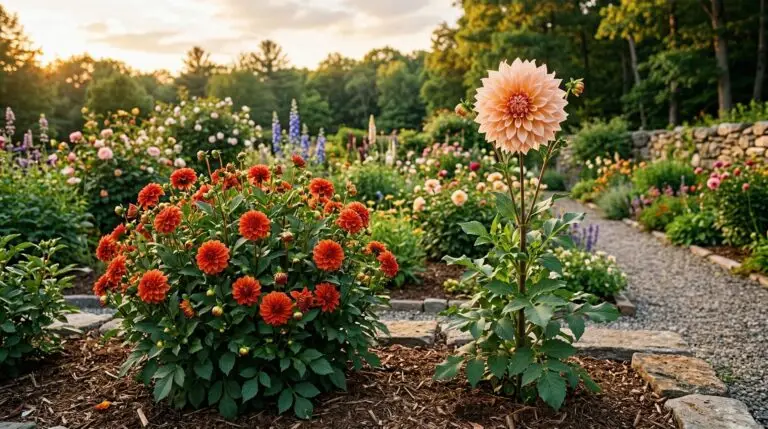
How to pinch and disbud dahlias for more flowers or bigger individual blooms
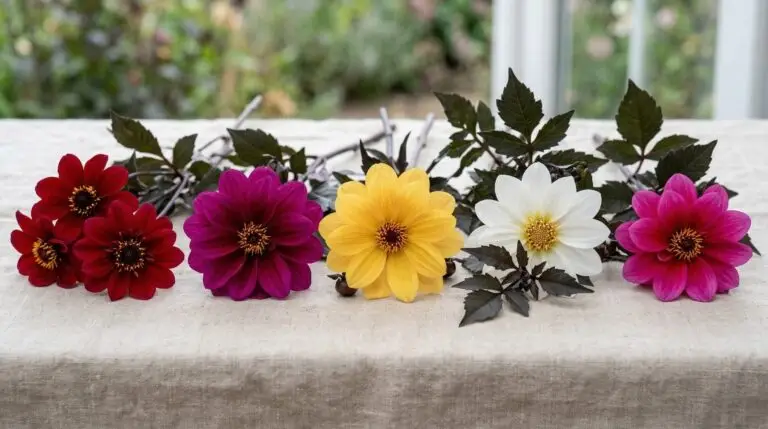
Dark-leaved dahlias that bring drama with stunning foliage and jewel-toned flowers
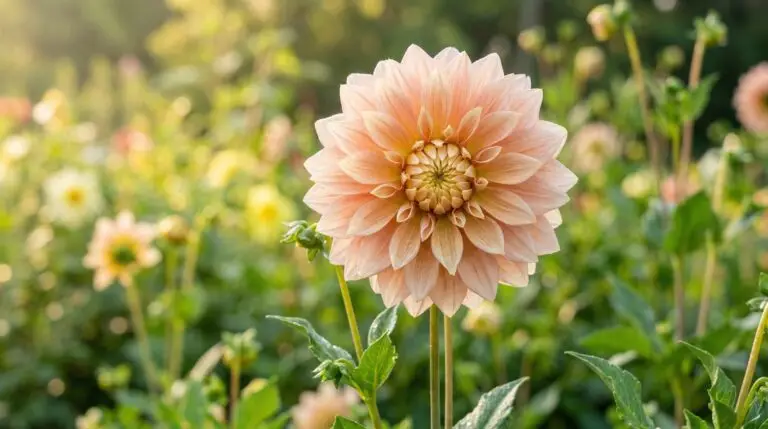
How to divide dahlia tubers in spring for more plants from your collection
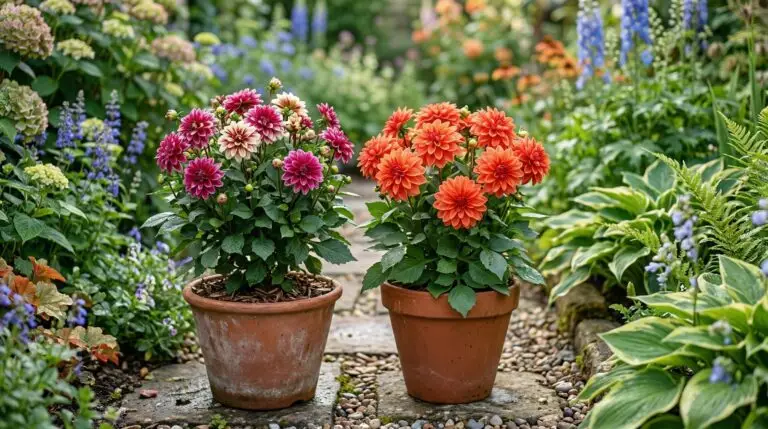
Growing dahlias in containers for a patio flower show from midsummer to frost
Dahlia pests and diseases including earwigs slugs and powdery mildew solutions
Best dahlia varieties for a cutting garden that produces armloads of flowers all season
Enjoying our flower guides? Add YourFlowersGuide as a preferred source on Google. It helps more readers find us.
Add to Preferred Sources