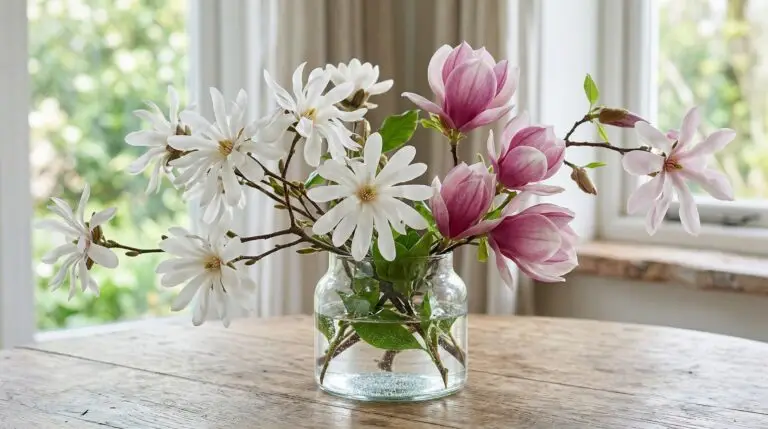
Magnolia meaning, from dignity and perseverance to its place in the American South
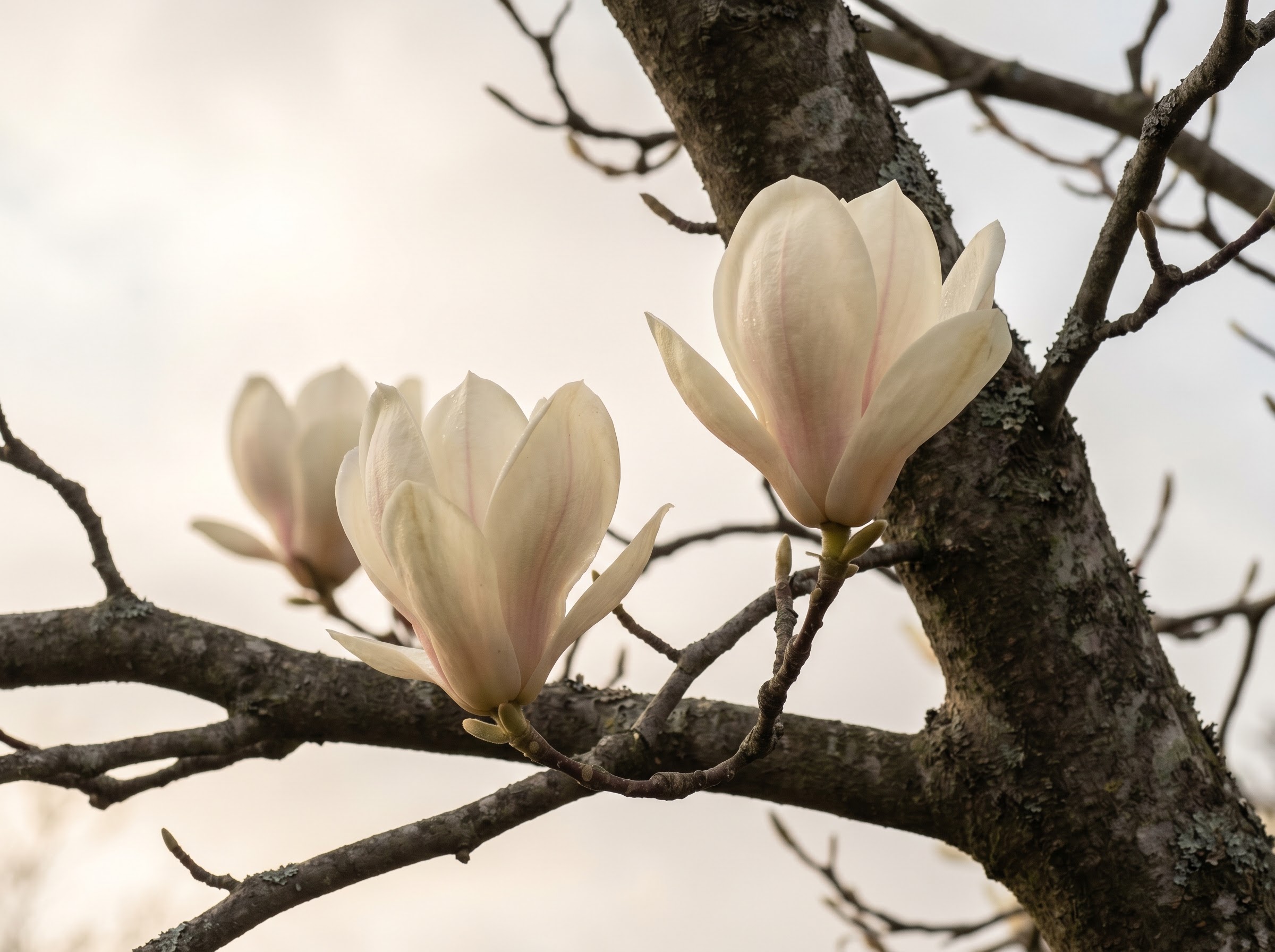
A magnolia means dignity. That is the steady thread through almost every reading of this flower, from the old Victorian lists to the way people use it today, and it is worth knowing why before you give one or wear one. The magnolia stands for nobility, perseverance, and a kind of composed inner strength, the bearing of someone who holds steady through hard seasons without making a fuss about it. In the American South it softens into something warmer, a byword for gentility, grace, and gentle beauty. There is no wild dispute to settle here, no colour that flips the message into its opposite, which makes the magnolia one of the more honest flowers in the whole language. Below you will find what it means at its core, how it reads in love and friendship, where the meaning came from, what it says as a tattoo, and the plain caveats worth keeping in mind.
What gives the magnolia its consistency is that the meaning never depended on colour or fashion. Plenty of flowers carry two readings at once, and you have to ask which century or which bouquet you are standing in to know which one applies. The magnolia carries one mood and carries it well, which is exactly why people reach for it when they want to honor someone strong rather than someone they are courting.
What a magnolia means
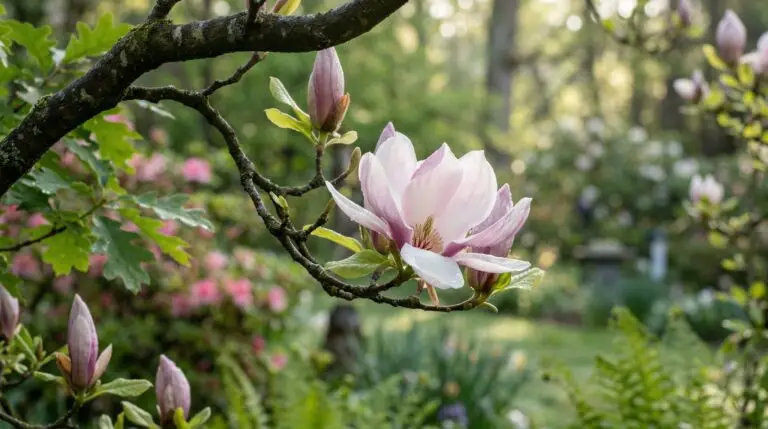
At its core the magnolia is the flower of dignity and nobility. It reads as quiet, earned strength, the sort that does not announce itself, and as perseverance, the ability to keep standing through whatever the years bring. Part of that comes straight from the tree itself. Magnolias are an ancient lineage, some of the oldest flowering trees on earth, and a few kinds open their great waxy blooms on bare branches before a single leaf appears, which lends the flower an air of age, patience, and survival. General botanical knowledge holds that the magnolia is one of the most primitive flowering plants, old enough that it is often said to predate bees and to rely on beetles to pollinate it, and that deep-time framing is part of where its reputation for endurance and ancient nobility comes from.
For most of us that lineage matters less than the feeling, and the feeling is composure. A magnolia suits a person who carries themselves with grace under pressure, who is admired for steadiness rather than flash. It is a respectful flower more than a romantic one. When you give a magnolia you are usually saying I admire your strength and your bearing, not I am falling for you, and that distinction is the most useful thing to understand about it. If you want the tree itself, the varieties, when it blooms, and how to grow one, our full guide to how to grow magnolia covers that side.
Who a magnolia is really for
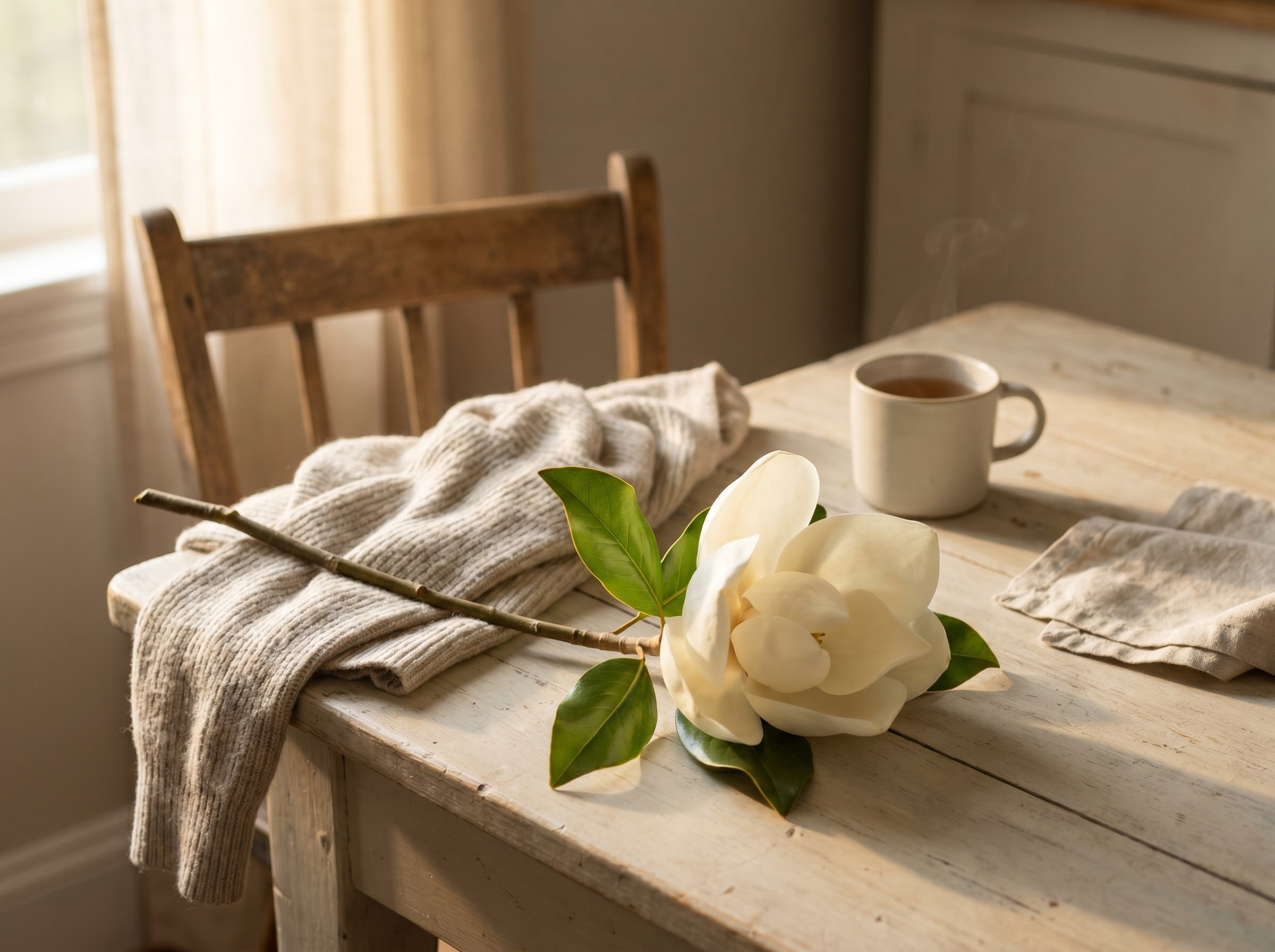
The magnolia leans toward admiration rather than passion, which makes it a graceful gift for a wider circle than romance alone. Give it to someone you respect deeply, a mother, a mentor, a friend who has weathered something hard with their head up, and the flower says you have noticed their dignity and you honor it. It carries a note of perseverance, so it suits a person rebuilding after loss or holding a family together through a long stretch, the kind of strength that deserves quiet recognition rather than a fanfare.
In love it works less as a hot declaration and more as a statement of lasting regard, the love that has settled into respect and admiration. That is why a magnolia can be a lovely anniversary flower for a long marriage, where the message is closer to I still admire who you are than to the breathless romance of a first red rose. It also reads well as congratulations, a way of saying you carried yourself nobly and you earned this. As a friendship flower it offers warmth without any romantic charge, especially in its Southern reading, where it simply means grace and gentle beauty. If you are matching flowers to a feeling more broadly, our guide to what flowers mean by feeling sets the magnolia next to its neighbors in strength, dignity, and quiet admiration.
How the meaning grew from the tree
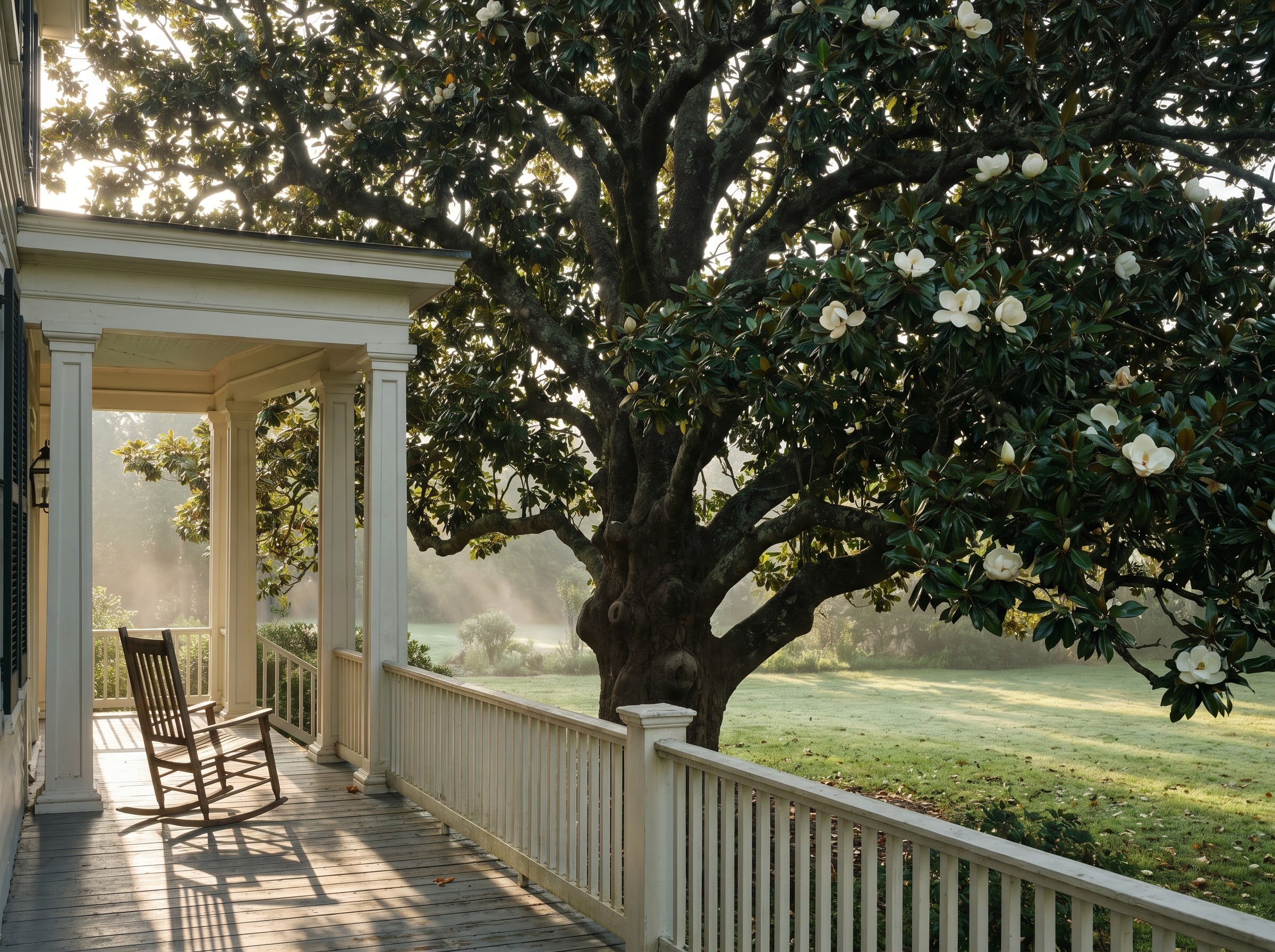
The magnolia has no founding myth, no Greek god turned to a flower or lover mourned into bloom the way the rose or the sunflower do. Its meaning grew the slower way, out of the tree's own nature: its age, its size, the unhurried way it blooms, and the dignity people read into all of that over centuries. General botanical knowledge holds that the flower took its name from Pierre Magnol, a French botanist, which is a small reminder that the magnolia we know in gardens spread through European botany even though its wild relatives are far older and grow far from Europe.
The Victorian reading is gentle and consistent with everything since. In the nineteenth-century language of flowers a magnolia stood for dignity, nobility, and a love of nature, the same composed, high-minded note it still carries. Sending messages through flowers was old work by then. Cornell University traces the practice back through the symbolism of China, Egypt, and Assyria, and notes that much of what hardened into the British craze was assembled in France first, before it ever crossed the Channel. The magnolia slotted neatly into that vocabulary because its meaning needed no invention; the tree already looked the part.
Culture deepened the flower in two places especially. In China the magnolia is an ancient symbol of purity and nobility, prized for a very long time and tied to the same ideas of refinement and high character it carries elsewhere. In the American South it became something almost regional, an emblem of beauty, gentility, and endurance, woven so tightly into the landscape and the imagination that it stands in for a whole way of carrying oneself: graceful, rooted, and resilient. That Southern reading is the one most people in the United States feel first, and it is worth knowing it is gentler and warmer than the plain dignity the rest of the tradition assigns. People also ask whether the magnolia appears in the Bible, and honestly it does not; the tree is native to Asia and the Americas, well outside the lands of scripture, so any spiritual weight it carries comes from association and personal faith rather than from a verse.
Here is how the readings line up across tradition and place, with a plain note on how each one tends to land today. What stands out is the agreement; where most flowers scatter, the magnolia keeps returning to the same dignified note.
| Tradition or place | What the magnolia reads as | How solid it is today |
|---|---|---|
| Modern, general | Dignity, nobility, and perseverance; quiet, composed strength | The core meaning. Steady and widely shared. |
| Victorian flower language | Dignity, nobility, and love of nature | Almost identical to the modern reading. No drift to settle. |
| American South | Beauty, gentility, and endurance | The reading most people in the United States feel first. Warmer than plain dignity. |
| China | Purity and nobility, an ancient and prized symbol | Old and well established; refinement and high character. |
| In love and gifting | Lasting admiration and respect more than passion | A settled-love or anniversary note rather than a first-romance one. |
Our look at flower meanings around the world traces how the same bloom can pick up such different shades from one culture to the next.
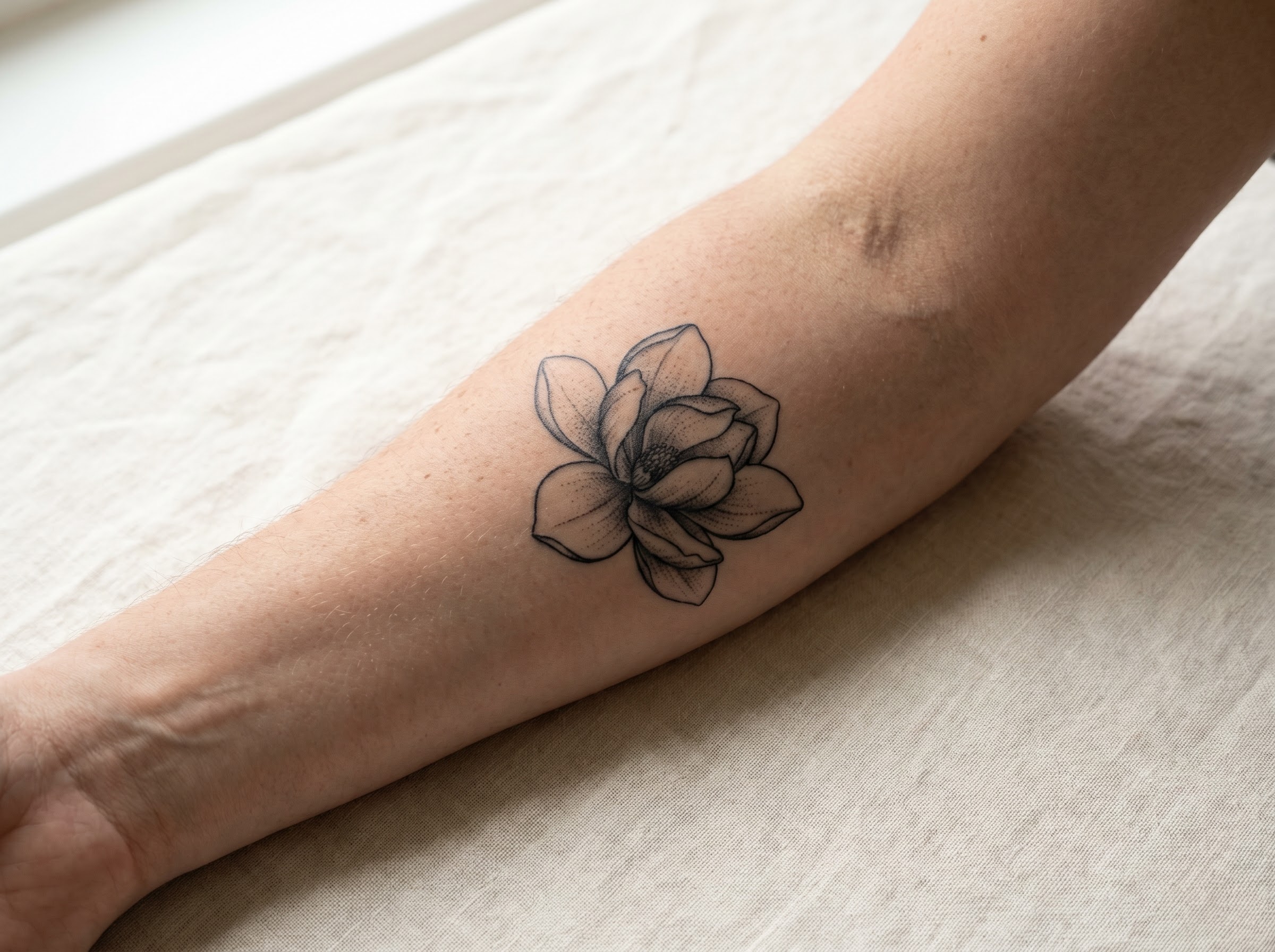
Magnolia tattoo meaning
As a tattoo the magnolia keeps its core and adds a personal layer. The common reading is dignity and quiet strength, often chosen by someone who wants to mark the kind of resilience that does not need to perform itself, the steady endurance of having come through something. For many it carries a Southern thread as well, an emblem of grace and of roots, a way of wearing home and a certain bearing on the skin. A magnolia in bloom can speak to a turning point handled with composure, while the tree's ancient, long-lived nature makes it a fitting piece for honoring a parent or grandparent whose strength shaped you.
It helps to be clear that a tattoo meaning is an association you choose more than a fixed code anyone else will read off your arm. The magnolia leans toward dignity and grace by long tradition, so it gives you a sound starting point, but the precise weight is yours to set. If you are weighing the magnolia against other blooms for ink, our guide to flower tattoo meanings lines up the popular choices and what each one tends to signal.
Giving a magnolia, and the words to send with it
Reach for a magnolia when the message is admiration and respect rather than romance, and you will rarely strike a wrong note. It suits an anniversary that has grown into deep regard, a congratulations earned through perseverance, a tribute to someone steady, and any moment when you want to honor grace under pressure. It blooms in spring, so it carries a natural sense of renewal and fresh strength alongside its dignity, which makes it especially apt for a new chapter someone is meeting with composure. For a card, a line like dignified through it all says what the flower says, plainly and without overstatement. For a long marriage, something close to still, after all these years, I admire you fits the magnolia's settled, respectful kind of love.
One last point of honesty, the same one that shadows every flower meaning. The catalogue kept by Iowa State University Extension is candid that a single flower gets read different ways by different sources, and no official dictionary exists to overrule them. The magnolia happens to be one of the calmer cases, with dignity and nobility holding firm from the Victorian lists to today and across both its Chinese and its Southern readings, so you can lean on it with real confidence. It carries no agreed colour code, so there is no need to overthink white against pink; both carry the same dignity, and any finer split you read online is loose modern convention rather than settled custom. The word does double duty elsewhere, as a given name and as a paint shade, but none of that touches what the flower itself says. If you want to see how meanings get made in the first place, and why most of them shift while a steady few like the magnolia do not, our hub on the meaning of flowers lays out the whole picture.
- Cornell University, Written in Petals: The Language of Flowers, on the history of floriography.
- Iowa State University Extension, Flowers and Their Meanings, on why sources disagree.
More About Magnolia
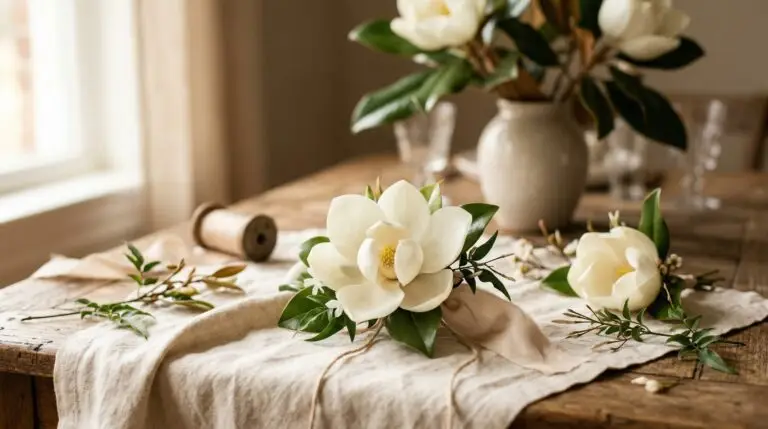
Magnolia in wedding decor and the southern tradition of magnolia bridal flowers
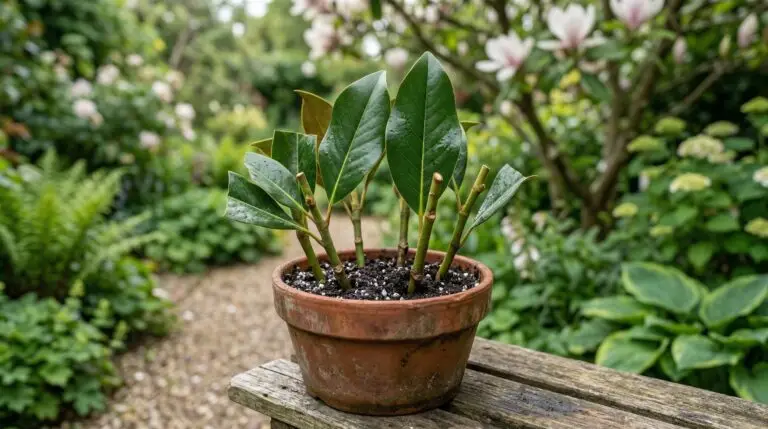
How to propagate magnolias from cuttings and layering for new trees from your favorite
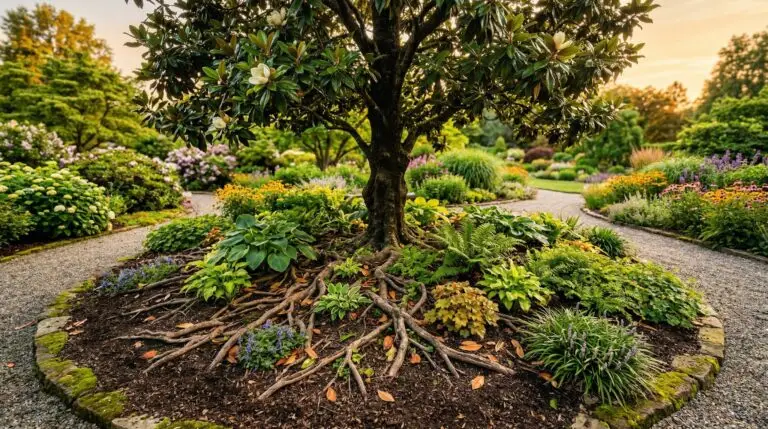
Companion plants for magnolias that complement without competing for the spotlight
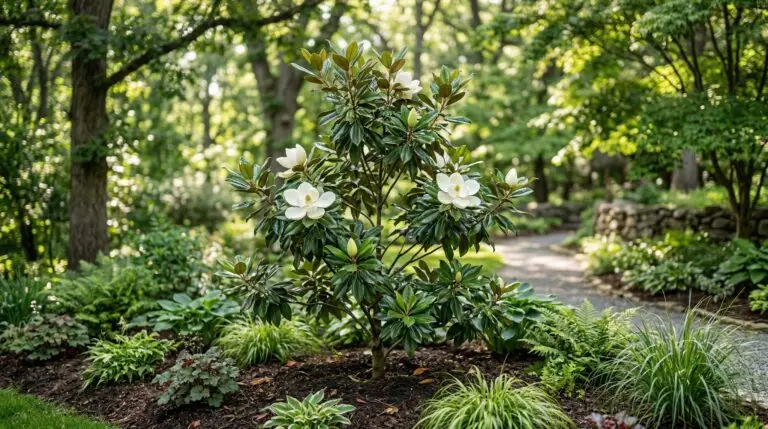
How to grow magnolia trees for breathtaking spring blooms on bare branches
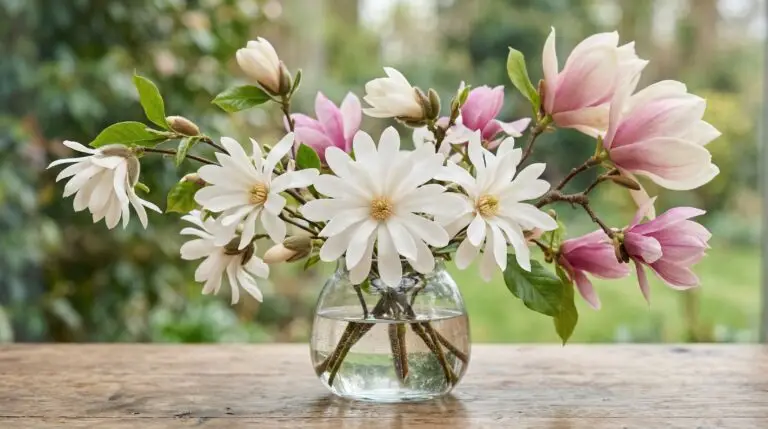
Small magnolias for compact gardens that fit any yard with room to spare
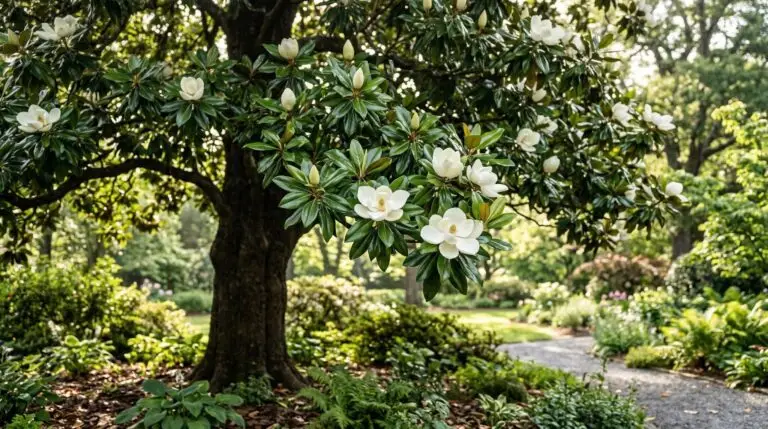
Southern magnolia grandiflora and growing the iconic evergreen of the American South
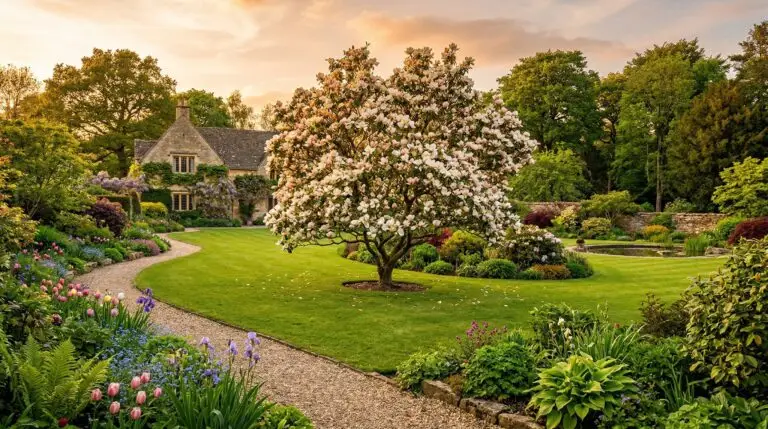
Magnolia trees in landscape design and placing them for maximum dramatic impact
Why magnolia flower buds freeze in late spring frost and how to protect your tree