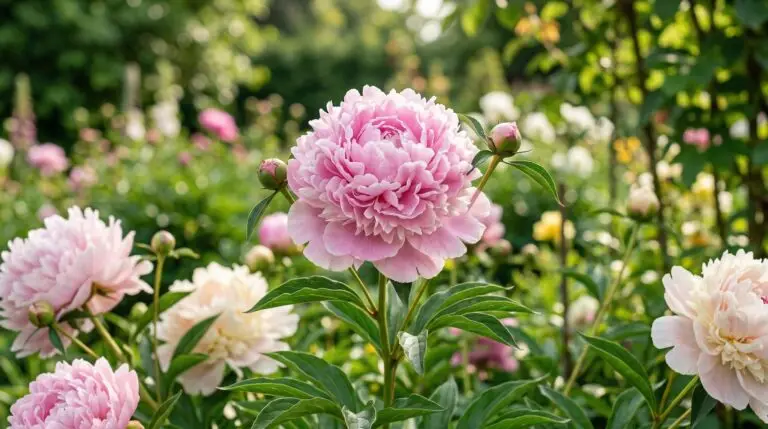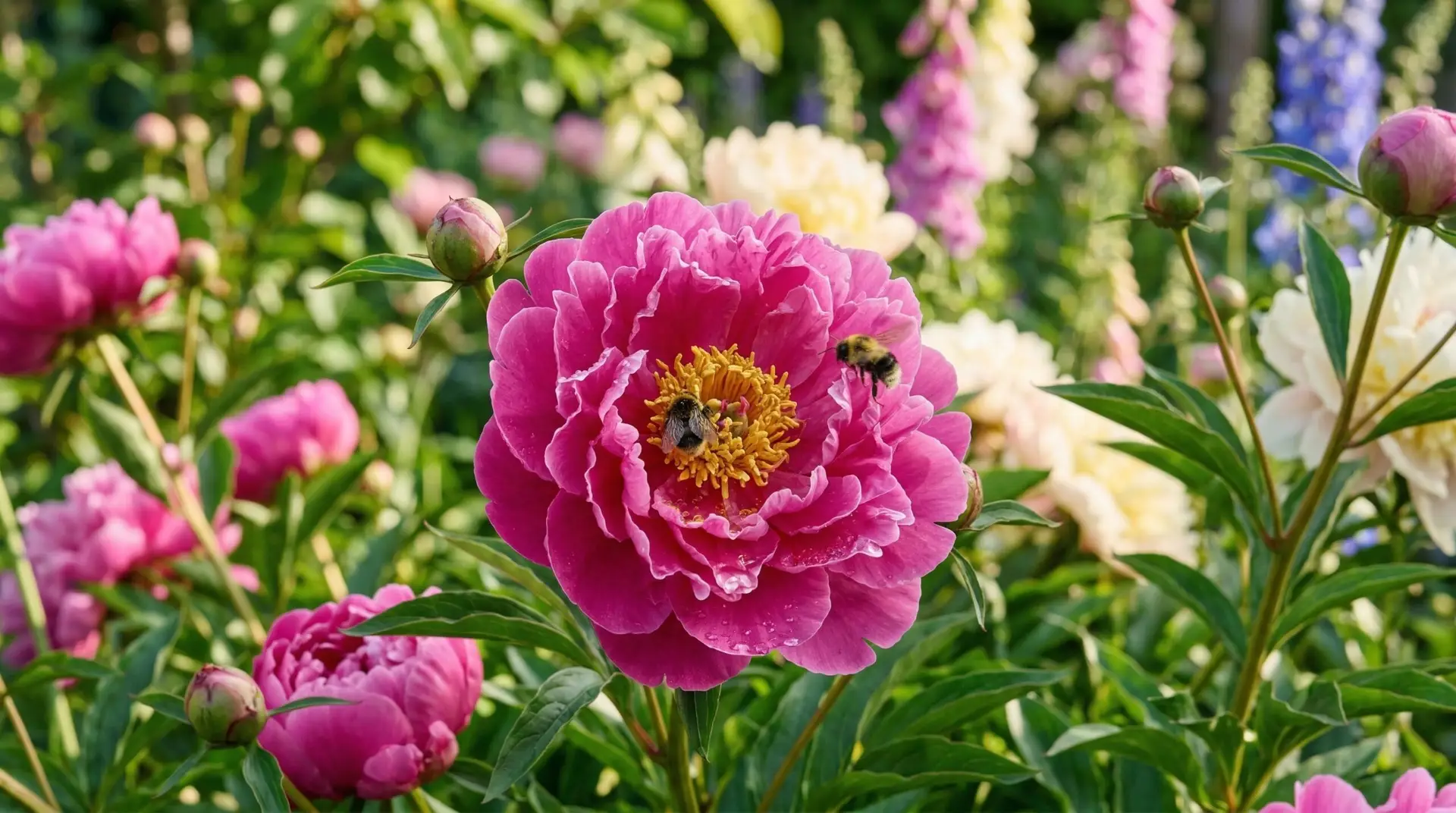
Ants do not help peony buds open, nor do they chew away a sticky coating to release the petals. The presence of ants on your peony buds is a strict biological transaction involving food and protection. Generations of gardeners have passed down the advice that you must never wash ants off a peony bush or the flowers will remain tightly closed. This persistent myth likely survives because ants arrive in large numbers right before the bloom, creating a false correlation in the minds of observant gardeners. If you isolate a peony bush and remove every single ant, the flowers will still open perfectly on schedule. The insects are simply responding to a chemical signal the plant broadcasts when its buds are at their most vulnerable stage.
The biology behind the attraction
Peonies develop specialized glands called extrafloral nectaries along the green sepals and bud scales. These microscopic glands secrete a thick liquid composed of water, sugars, and amino acids starting weeks before the flower is ready to open. The amino acids present in the nectar provide essential nutrients that ant colonies require to raise their larvae during the spring growth period. Ants detect this high-energy food source and climb the stems to harvest the sap continuously. The plant expends significant energy producing this nectar entirely outside of its reproductive organs, meaning the liquid is never intended to attract pollinators. It is a targeted bribe designed exclusively for predatory insects willing to aggressively patrol the plant structure. The ants consume the nectar and return to their colonies, leaving the actual bud tissue completely untouched and undamaged.
How ants protect peony buds
While the ants feed on the extrafloral nectar, they act as a temporary security force for the flower buds. A swelling peony bud contains soft, developing tissue that is highly attractive to thrips, aphids, and small caterpillars seeking an easy meal. When a worker ant is harvesting nectar, it becomes highly territorial and will attack or chase away other insects that land on the bud. An ant defending its nectar source will often rear up on its hind legs with open mandibles to threaten approaching wasps or beetles. This mutualistic relationship ensures the peony reaches maturity without insect damage, while the ant colony secures a reliable carbohydrate source. The arrangement is entirely optional for the plant’s mechanical blooming process but highly beneficial for its survival in a competitive ecosystem. Unlike the complex pruning and spraying requirements of a classic garden rose, peonies require zero intervention from the gardener to manage this natural pest control system.
Managing ants on cut flowers
Bringing cut peonies indoors requires a simple strategy to leave the ants outside where they belong. Spraying the buds with pesticides is unnecessary and counterproductive, as it poisons the insects providing free pest control for your garden. The most effective method is to cut the stems in the early morning when the buds feel soft like a marshmallow but have not yet unfurled. Cutting the flowers at this exact stage prevents insects from hiding deep within the petals and extends the vase life by several days. Hold the cut stem upside down and gently flick the bud with your finger to knock off the largest ants onto the grass. Submerge the cut flower heads entirely in a bucket of cool water for ten to fifteen minutes. The remaining ants will release their grip on the sticky sepals and float to the surface, allowing you to shake the flowers dry and arrange them indoors.
Why the bud opening myth persists
The myth that peonies need ants to bloom stems directly from a misunderstanding of the sticky sap covering the buds. Many gardeners observe the thick nectar and assume it is a physical glue holding the petals shut, requiring ants to eat it away before the flower can expand. In reality, the swelling petals possess more than enough hydraulic pressure to break through the bud scales regardless of how much nectar remains on the surface. You will often see early spring blooms like yellow trumpet daffodils open effortlessly without any symbiotic insect assistance, and peonies operate on the exact same mechanical principles. When a peony bud fails to open, the culprit is usually a fungal infection called botrytis blight or a late spring freeze, rather than a lack of ant activity. Botrytis blight turns the small buds black and hard, halting their growth permanently and confusing gardeners who blame the absence of ants. The sticky residue left on a healthy peony bud simply washes away in the rain or dries up once the flower opens.
The end of the nectar cycle
Understanding the true relationship between peonies and ants allows you to stop worrying about insect interference. The ants are performing exactly as the plant intended, serving as hired guards paid in sugar. Treat their presence as an indicator of a healthy, functioning plant rather than a problem requiring a chemical solution. Once the flower petals fully expand and the extrafloral nectaries stop producing sap, the ants will lose interest entirely. The sudden disappearance of the ants coincides precisely with the moment the flower no longer needs protection. They will climb back down the stems and move on to their next food source, leaving behind a perfectly formed bloom.
More About Peonies
Best peony varieties from classic Sarah Bernhardt to trendy Coral Charm
Peony flower meaning and why this bloom represents romance prosperity and good fortune
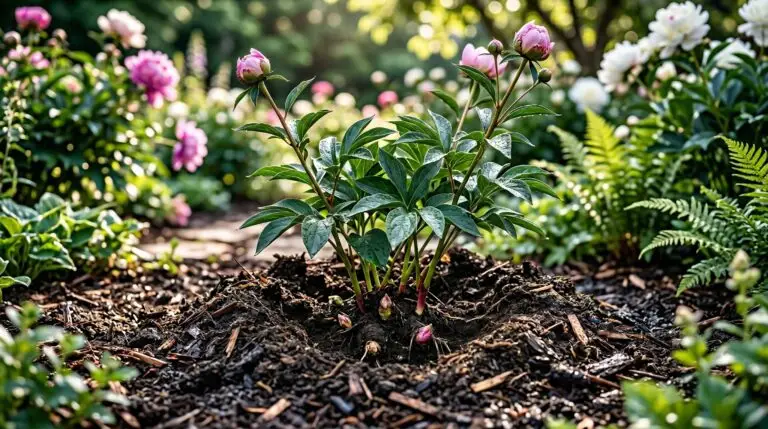
Why peonies fail to bloom and the planting depth mistake that keeps them flowerless
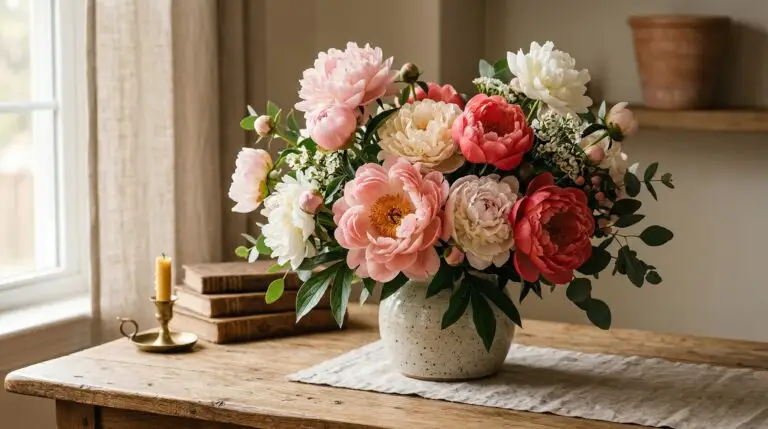
Peonies as the most coveted wedding flower and why brides pay premium for peony season

Companion plants for peonies that extend the beauty season beyond peony’s brief moment
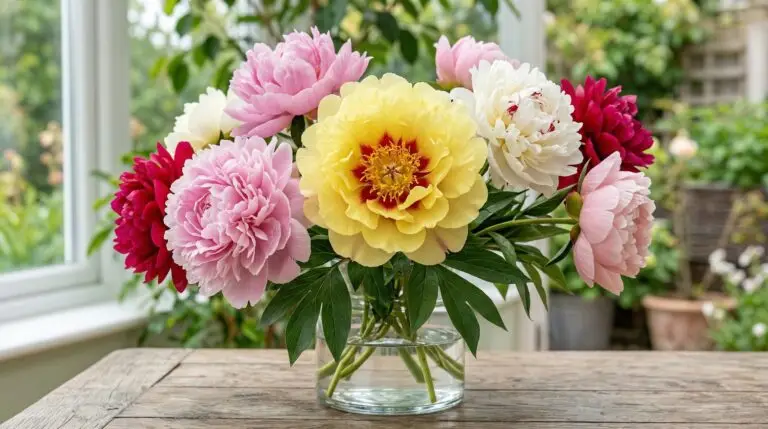
Itoh peonies the hybrid breakthrough that gives the best of both herbaceous and tree peonies
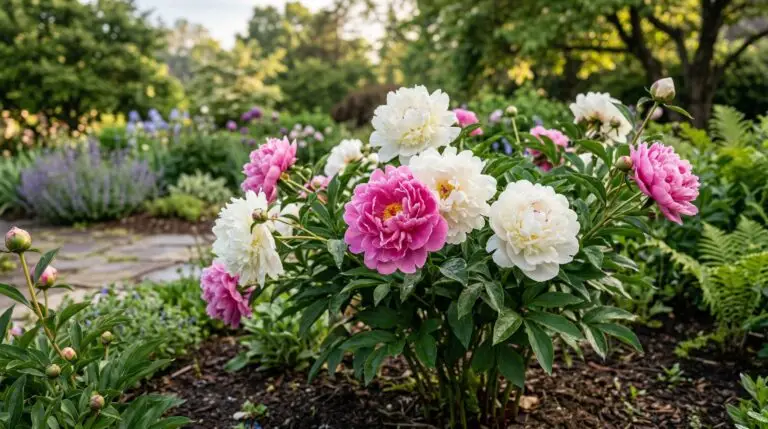
Growing peonies in warm climates and the chill-hour challenge in zones 8 and above
How to grow peonies for lush romantic blooms that last a lifetime in your garden