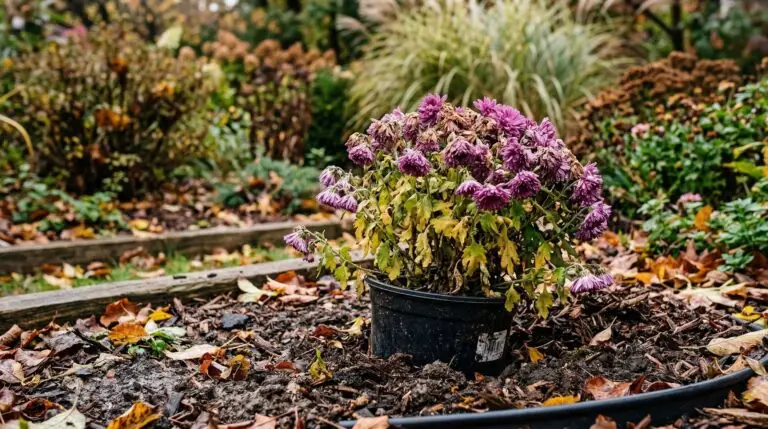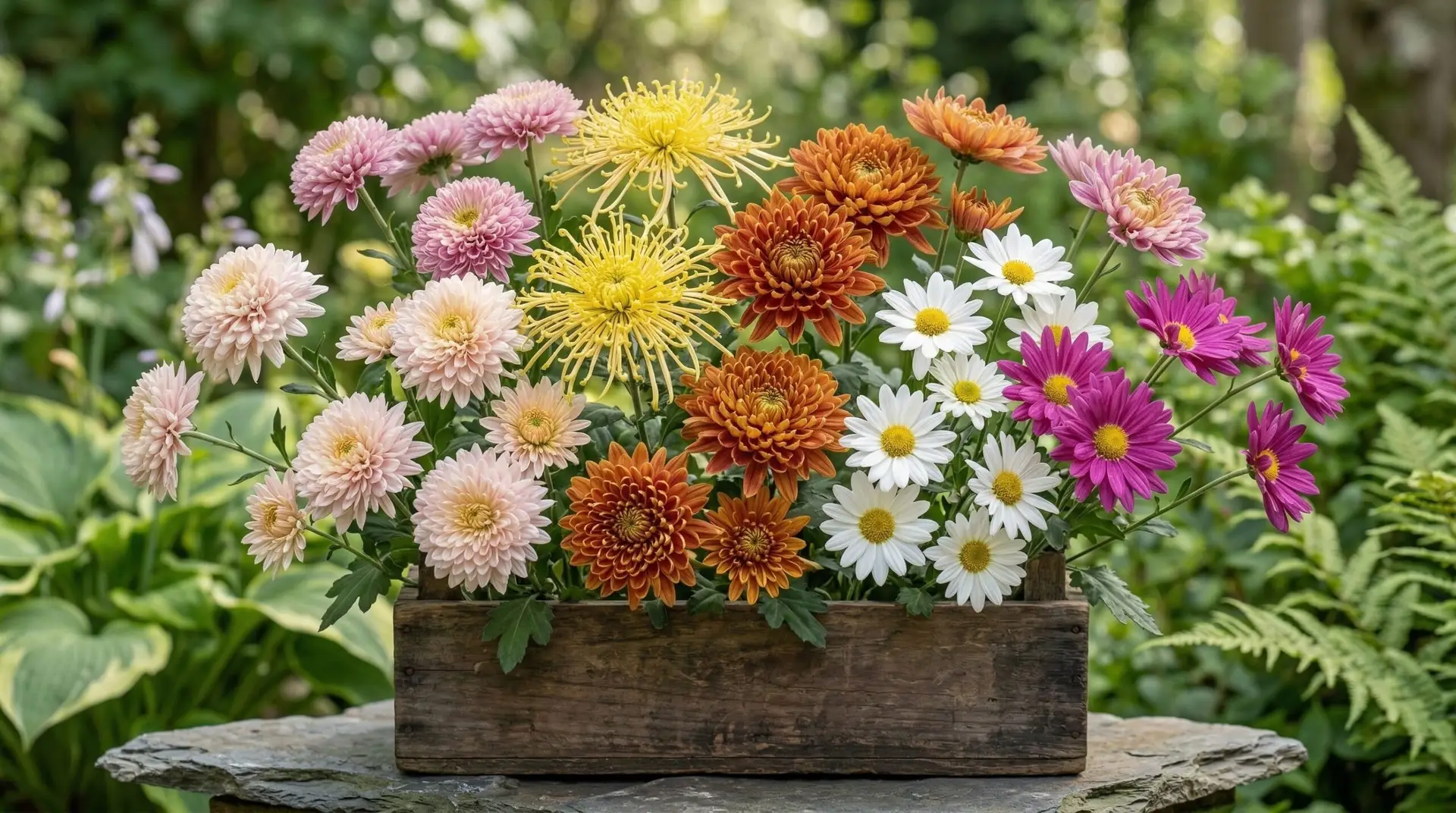
Every autumn, garden centers and grocery stores fill their displays with tightly domed, heavily blooming chrysanthemums. Shoppers buy these plants, place them on their front porches, and eventually plant them in the ground with the expectation that they will return the following spring. Most of these plants die as soon as the ground freezes because they are florist mums bred entirely for immediate floral impact rather than root hardiness. The choice facing a cold-climate gardener is whether to treat these seasonal purchases as annuals or to seek out true winter hardy chrysanthemum varieties that actually survive the cold and return stronger each year. True hardy garden chrysanthemums require a different approach to fall planting and offer a completely different growth habit than the tight, greenhouse-grown cushions sold in foil-wrapped pots. When you decide to plant perennial chrysanthemums, you are choosing between heritage varieties like the Korean hybrids or modern introductions like the Mammoth series. Understanding the differences between these reliable perennials will help you select the right plant for your specific climate and garden style.
Comparing the classic Korean hybrids
The Korean hybrid chrysanthemums are some of the oldest and most reliable hardy mums available to gardeners. These plants typically produce single, daisy-like flowers with prominent yellow centers, contrasting sharply with the heavily doubled, pom-pom shapes of grocery store varieties. Two of the most common and successful Korean hybrids are ‘Clara Curtis’ and ‘Sheffield Pink’. ‘Clara Curtis’ produces clear pink, fragrant flowers and begins blooming earlier in the season, often starting in late August or early September. ‘Sheffield Pink’ blooms later in the fall and has a complex apricot-pink color that fades to a soft peach as the flowers age. Both varieties are reliably hardy down to USDA Zone 4 and possess vigorous, spreading root systems that allow them to establish large colonies over time. If you want a plant that will naturalize and weave its way through your garden beds, these Korean hybrids offer excellent performance.
When deciding between ‘Clara Curtis’ and ‘Sheffield Pink’, your choice largely depends on your preferred bloom time and color palette. ‘Clara Curtis’ works well if you want a bridge between the late summer perennials and the true autumn flowers. Its clear pink color pairs easily with the purple blooms of late-season asters that dominate the September garden. ‘Sheffield Pink’ is the better choice if you want to extend your garden’s season as late as possible, as it often continues blooming well into November and survives light frosts. The apricot tones of ‘Sheffield Pink’ also blend naturally with the russet and gold colors of autumn foliage. Both of these Korean hybrids share a somewhat loose, relaxed growth habit that fits perfectly into cottage gardens but might look untidy in highly formal garden beds. They both reach about two to three feet in height and will lean or flop over if they are not pinched back early in the summer or supported by neighboring plants.
Evaluating the Mammoth series for cold climates
Gardeners who live in the coldest parts of the country or who prefer a more structured, dome-like plant often turn to the Mammoth series of chrysanthemums. The University of Minnesota bred the Mammoth series specifically to withstand extreme winter temperatures, making them reliably hardy all the way down to USDA Zone 3. These plants survive harsh winters without the need for heavy mulching or special winter protection. Unlike the Korean hybrids, Mammoth mums produce semi-double flowers that completely cover the foliage, closely mimicking the dense floral display of a grocery store mum but on a much larger scale. A mature Mammoth chrysanthemum can reach three feet tall and up to four feet wide, acting more like a small flowering shrub than a typical herbaceous perennial. They come in several distinct colors, including ‘Mammoth Red Daisy’, ‘Mammoth Coral Daisy’, and ‘Mammoth Lavender Daisy’.
The primary advantage of the Mammoth series over the Korean hybrids is their self-branching habit and rigid structure. A common frustration with heritage garden mums is the necessity of pinching the stems back multiple times before July to force the plant to grow bushy instead of tall and leggy. Mammoth chrysanthemums do not require any pinching to achieve their signature rounded shape. Their thick, sturdy stems easily support the weight of thousands of flowers without flopping over in the rain or wind. However, this large size means you must commit a significant amount of garden space to a single plant. If you have a small urban garden, a single Mammoth mum might overwhelm your available space and crowd out your other late-season perennials. They also lack the delicate, informal charm of the Korean hybrids, presenting a very solid block of color that demands to be the focal point of the autumn border.
Choosing based on maintenance and garden style
Your decision between Korean hybrids and the Mammoth series should factor in your tolerance for mid-summer garden maintenance. Growing ‘Clara Curtis’ or ‘Sheffield Pink’ requires a commitment to the practice of pinching or shearing the plants back by half in June. If you skip this step, the plants will grow tall and spindly, eventually splitting open in the center when the heavy fall blooms appear. This maintenance task is not particularly difficult, but it is one more chore on the summer gardening schedule. On the other hand, the Mammoth series is a true plant-it-and-forget-it perennial. You simply let the Mammoth mum grow naturally throughout the spring and summer, and it will independently form its dense, sturdy cushion. For gardeners who prefer low-maintenance yards or those who manage large properties, the self-branching nature of the Mammoth series is a significant advantage.
Garden style and companion planting also play a major role in determining which hardy mum variety will work best for your yard. The loose, spreading habit of the Korean hybrids makes them excellent companions for tall ornamental grasses and the dark seed heads of fading coneflowers. Because they have a more open structure, you can plant spring bulbs like daffodils and tulips right around their base, utilizing the space before the chrysanthemum foliage fills in. The Mammoth series requires a different design approach because of its impenetrable canopy. Nothing can grow directly underneath or immediately adjacent to a mature Mammoth mum without being shaded out by late summer. You must treat the Mammoth varieties as standalone specimen plants, giving them a wide berth and surrounding them with lower-growing ground covers or early-blooming perennials that will die back before the mum reaches its full four-foot width in September.
Making the right selection for your yard
Selecting the right winter hardy chrysanthemum comes down to matching the plant’s natural characteristics with your specific climate and aesthetic preferences. If you garden in the extremely cold regions of Zone 3 or 4 and have struggled to keep perennials alive over the winter, the Mammoth series offers the highest guarantee of survival. The Mammoth varieties are also the clear choice for gardeners who want the dense, dome-shaped look of a traditional fall mum without the hassle of summer pinching. Their large footprint makes them perfect for filling empty spaces in the late-season garden, provided you have the square footage to accommodate their mature width. You trade the delicate, airy look of a wildflower for a solid, reliable block of bright color.
Conversely, if you favor a relaxed, cottage-style garden and enjoy cutting flowers for indoor arrangements, the Korean hybrids are the superior option. ‘Clara Curtis’ and ‘Sheffield Pink’ produce long, graceful stems that look beautiful in a vase, whereas the short, stiff stems of the Mammoth series are difficult to arrange. The Korean hybrids also offer a more subtle, sophisticated color palette that shifts and fades naturally as the autumn weather cools. You will need to dedicate a few minutes in June to pinch them back, and you might need to divide their spreading roots every few years to keep them in bounds. This division process also provides you with free plants to expand your fall borders or share with neighbors. By weighing these differences in maintenance, hardiness, and growth habit, you can confidently choose a garden chrysanthemum that will thrive in your soil and return reliably year after year.
More About Chrysanthemum
Chrysanthemum tea and edible flowers from garden to cup and kitchen
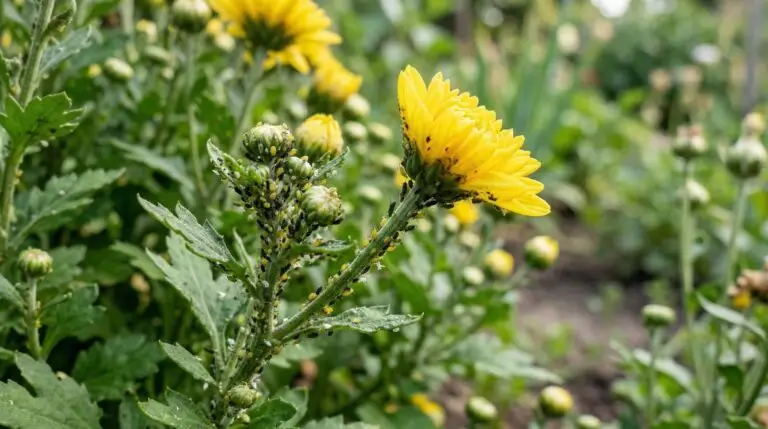
Chrysanthemum pest and disease guide including aphids leaf miners and white rust
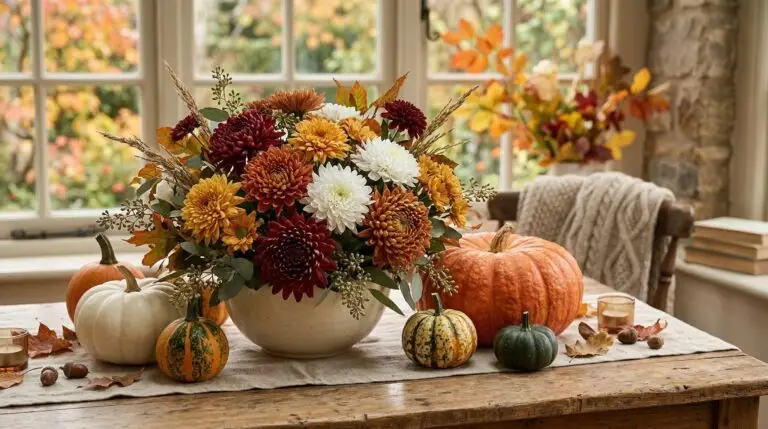
Fall porch and front door displays using chrysanthemums pumpkins and autumn decor

How to pinch chrysanthemums for bushy plants loaded with fall flowers
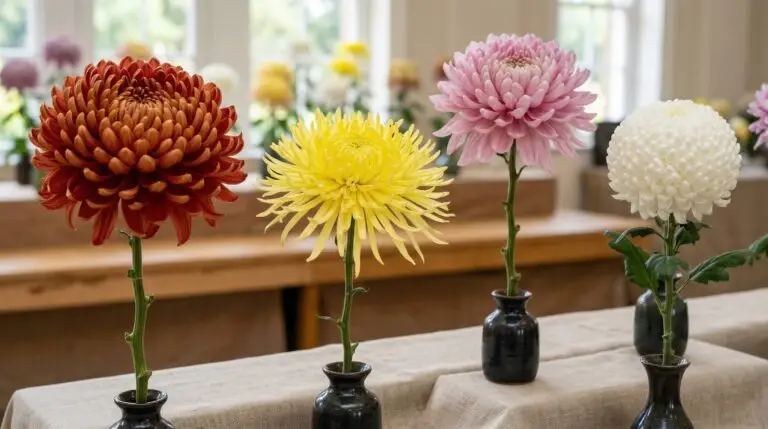
Exhibition chrysanthemums and the art of growing show-stopping single blooms

Best chrysanthemum companion plants for a colorful fall garden border
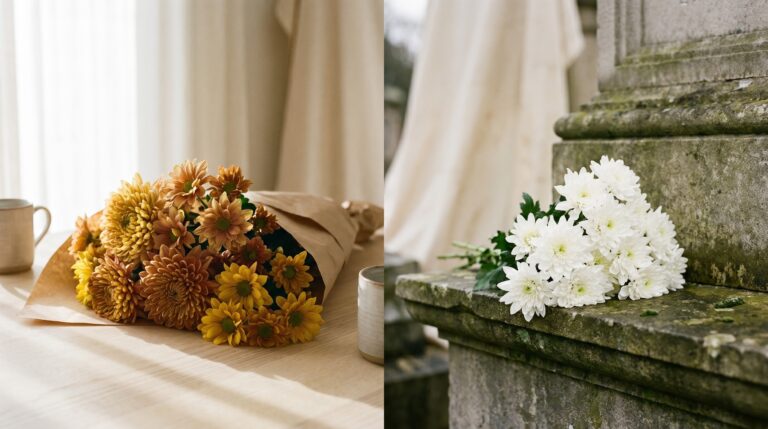
Chrysanthemum meaning, and why it says joy in one country and death in the next

How to divide chrysanthemums in spring for healthier plants and more blooms