One of the first things gardeners ask when they start growing flowers with their children is which seed will actually sprout before the kids lose interest. The answer is almost always the marigold because it is incredibly forgiving and fast to emerge from the soil. When you plant a marigold from seed, you are looking at a germination time of just around five days under the right conditions. This rapid turnaround makes them a staple for classroom growing projects and weekend garden activities alike. You do not need any special equipment, heat mats, or grow lights to see success with these tough little plants. They practically want to grow, which takes all the pressure off a beginner who might be nervous about getting things exactly right.
The natural follow-up question is whether you should start these easy flower seeds indoors or just put them right into the garden dirt. You can actually do either, but direct sowing is often the most rewarding method if your soil has warmed up enough in the spring. You want to wait until all danger of frost has passed in your area and the ground feels comfortable to the touch. If you prefer a head start, you can plant them in small cups on a sunny windowsill about four to six weeks before your last frost date. Children love poking the long, needle-like seeds into a cup of potting mix and checking on them every morning before school. Either way, the marigold seed starting process is so simple that you just barely cover the seed with soil and keep it moist.
Finding the right spot for your new seedlings
Once people decide how to plant them, they usually wonder where these flowers will grow best in the yard. Marigolds need full sun to produce their characteristic bright blooms, meaning they want at least six hours of direct sunlight every day. If you plant them in the shade, the plants will grow tall and spindly with very few flowers to show for the effort. They make excellent companions for vegetable gardens, often planted near tomatoes and peppers to help deter certain pests. You might also want to mix them into a border with other simple annuals, much like how you would grow a zinnia for continuous summer color. The sturdy nature of the marigold means it will hold its own against summer heat and occasional dry spells.
This leads to something many growers wonder about regarding exactly how much water a marigold needs once it starts growing. While the seeds need constant moisture to sprout, the mature plants actually prefer their soil to dry out slightly between waterings. Overwatering is one of the very few ways you can actually harm a marigold, as sitting in soggy soil will cause the roots to rot. You should water them deeply at the base of the plant rather than spraying the leaves, which helps prevent powdery mildew from forming. If you are growing them in pots, just make sure the containers have drainage holes so the excess water can escape. They are remarkably drought tolerant once established, making them perfect for gardeners who occasionally forget their watering chores.
As the plants grow and start blooming, gardeners naturally ask if they need to cut off the old flowers. This practice is called deadheading, and while the plants will survive without it, removing the spent blooms encourages the marigold to produce many more flowers. When a flower dries up and turns brown, the plant shifts its energy from making new blooms to producing seeds inside that dried flower head. By snapping off the dead flowers with your fingers, you trick the plant into making more buds to try and reproduce again. By the way, the foliage of a marigold has a very distinct, pungent scent that some people love and others dislike. This scent is actually part of what makes them so useful in the garden, as it naturally repels deer and rabbits that might otherwise eat your tender plants.
Saving seeds for the next generation
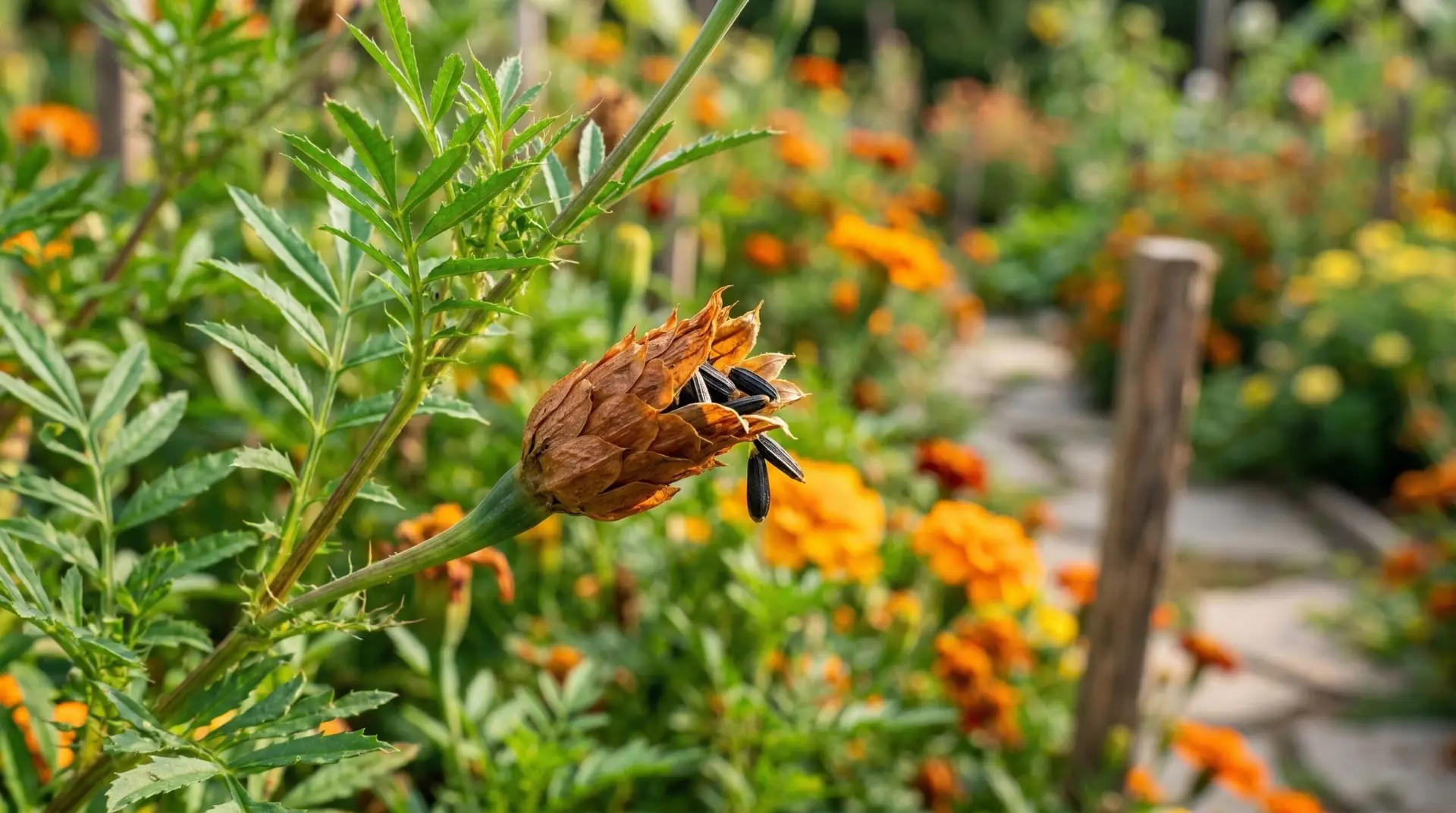
Eventually, the end of the season approaches, and people ask if they have to buy new seeds all over again next year. You definitely do not, because saving seeds from open-pollinated marigold varieties is just as easy as growing them in the first place. When you let the very last flowers of the season dry completely on the stem, they form a tight little pod filled with dozens of seeds. You will know they are ready when the base of the flower turns brown and feels papery to the touch. Pulling that dried pod apart reveals a cluster of seeds that look like tiny porcupine quills, dark on one end and light on the other. Children find this part fascinating, as one single flower can yield enough seeds to plant an entire border the following spring.
A common curiosity at this stage is how to store these harvested seeds safely through the winter months. You simply spread the seeds out on a paper towel indoors for a few days to ensure they are completely dry before packing them away. Any residual moisture trapped in a storage container will cause the seeds to mold, ruining your harvest before spring arrives. Once dry, keep them in a simple paper envelope stored in a cool, dark closet or drawer. If you enjoy saving seeds, you might also want to try growing a sunflower or a cosmos, as both offer similarly large, easy-to-handle seeds at the end of their growing cycle. Building a small collection of saved seeds is a rewarding habit that turns a one-time garden purchase into a lifelong supply of flowers.
After mastering the planting and saving cycle, you might wonder if these tough plants actually need any fertilizer to perform their best. The surprising truth is that feeding marigolds too much nitrogen will actually result in massive, bushy green plants with almost no flowers at all. They thrive in average to poor soil, using their energy to push out blooms rather than growing excessive foliage. If your garden soil is reasonably healthy, you can skip the fertilizer entirely and let the plants do what they do naturally. Understanding this preference for lean soil completely changes how you manage them, saving you time and money while resulting in a much more colorful garden display. This simple requirement makes them the perfect low-maintenance companion for any summer garden.
More About Marigolds
Why marigolds stop blooming in midsummer heat and how to get them flowering again
Best marigold varieties from tiny French Bonanza to towering African Antigua

Marigold meaning, from the sun and celebration to Victorian grief
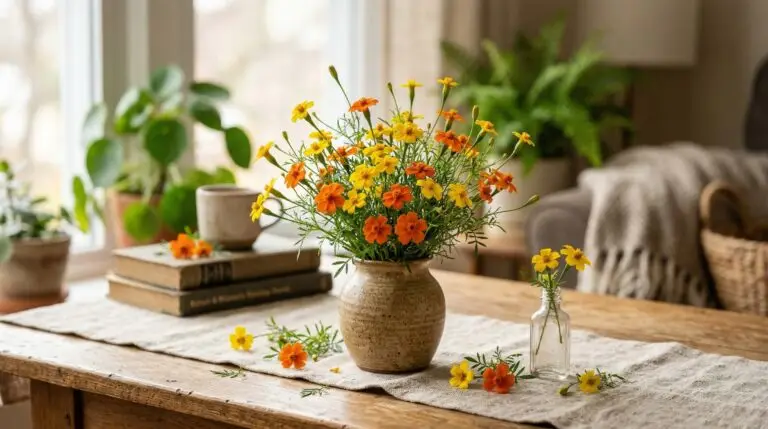
Signet marigolds for edible flowers that taste like citrus in salads and cocktails
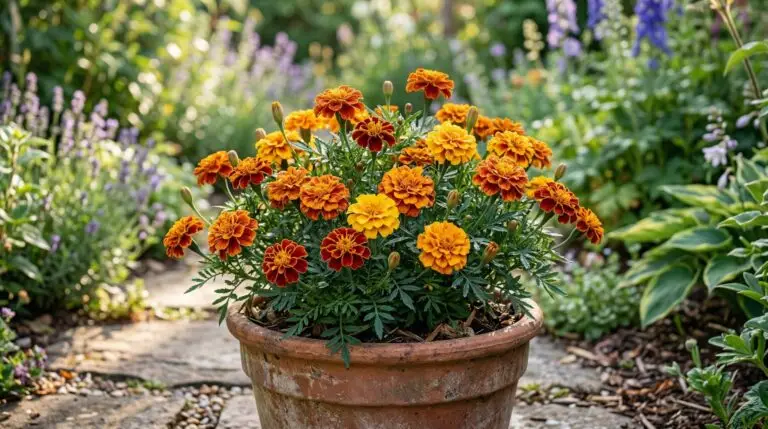
Marigolds in containers and window boxes for instant summer curb appeal
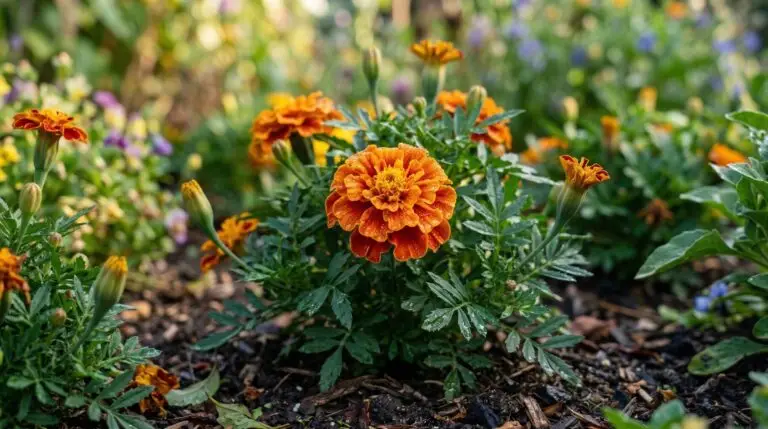
How to grow marigolds for bulletproof color from planting day to first frost
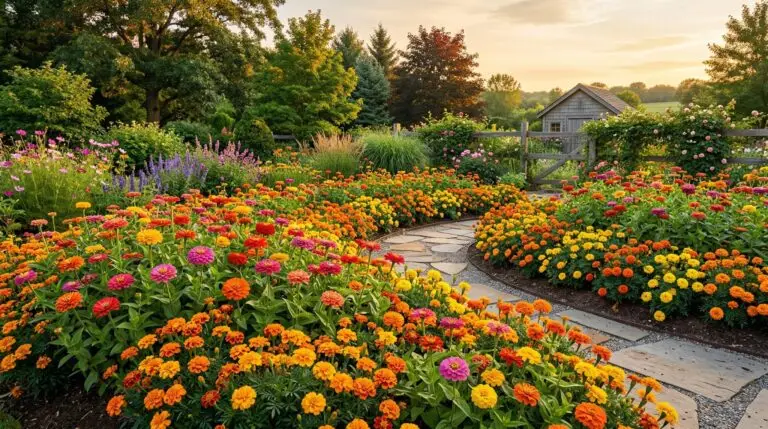
Companion plants for marigolds in beds that combine cheerful colors with purpose