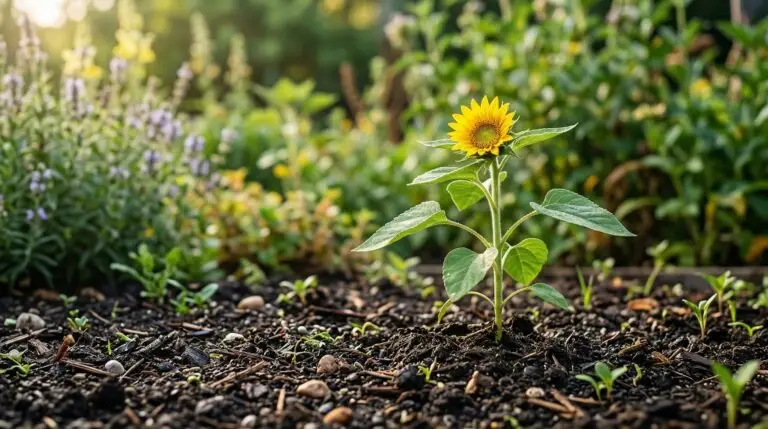
One of the first things gardeners ask when they want to get their children outside is what seed will actually hold a kid’s attention. Growing sunflowers with children answers this perfectly because these plants offer immediate, large-scale gratification. The seeds themselves are large enough for clumsy toddler fingers to pinch and push into the soil without frustration. Once watered, they sprout in just a few days, giving impatient young minds exactly the fast results they need. This makes them the ultimate gateway flower for young gardeners who might lose interest in slower plants. You just need a sunny patch of dirt and a packet of seeds to start an easy kids gardening project that lasts all summer.
A natural follow-up is when and how exactly to plant them so the project does not fail right out of the gate. You should wait until all danger of frost has passed and the soil feels warm to the bare hand. Sunflowers grow best when you push the seeds directly into the garden bed rather than starting them in little plastic pots indoors. They develop a long, thick taproot very quickly, and moving that root later will stunt the plant’s final height. You can plant a border of low-growing zinnias in front of them to fill in the bare lower stems as they shoot upward. Digging a little trench about an inch deep lets kids drop the seeds in before covering them up and giving them a good drink of water.
This leads to something many parents wonder about, which is how to keep the excitement alive during the long weeks before the flowers actually bloom. The trick is turning the rapid vegetative growth into a tangible game that children can track. Setting up height competition races between siblings or even between the child and the plant gives them a reason to visit the garden every day. You can keep a dedicated measuring tape by the back door or mark the plant’s progress with a permanent marker on a wooden stake. Children love seeing the exact day the thick green stalk finally surpasses their own height. This simple act of measuring introduces basic math and biology concepts without ever feeling like a school lesson.
Designing living play spaces
Once the stems start getting tall, the next question is usually whether you can actually build structures out of them for kids to play in. Creating sunflower houses and forts is entirely possible and requires very little extra effort during the planting phase. You simply plant the seeds in a large circle or square, leaving a two-foot gap on one side to serve as the door. As the stalks grow six or eight feet tall, they form thick living walls that create a shaded, secret hideout inside. When the plants reach their maximum height, you can loosely tie the heavy heads together with soft twine to form a leafy roof. Children will spend hours sitting inside their living fort reading books or playing in the dirt.
By the way, people often do not realize they can use the base of these sunflower forts to teach children about companion planting. The tall stalks eventually lose their lower leaves, leaving the bottom foot or two of the fort completely bare and open. Planting a thick ring of marigolds around the bottom edge creates a nice colorful border that acts as a baseboard for the living house. These low-growing flowers help shade the soil to keep the sunflower roots cool and moist during the hottest days of August. They also attract beneficial insects while giving kids another easy, fast-growing plant to care for. The combination of towering stalks and bright bushy bases makes the play space feel like a complete, finished room.
Managing the end of the season
As autumn approaches, a new question pops up about what to do with the drooping, heavy flower heads once the bright yellow petals fall off. Harvesting seeds is just as fun as planting them, and it gives the gardening project a clear, satisfying conclusion. You have to wait until the back of the flower head turns completely brown and dry before cutting it off the stalk. Kids love using their thumbs to rub the dry face of the flower, watching hundreds of striped seeds cascade into a bucket below. You can soak these seeds in salt water and roast them in the oven for a healthy snack that the children grew themselves. Alternatively, you can leave a few heads completely intact and tie them to tree branches to feed the local birds through the winter.
A question that rarely comes up until there is a problem is whether these massive plants need extra support to stay upright in a summer storm. Wind is the absolute enemy of a tall sunflower kids garden, and a snapped stalk will break a young gardener’s heart. Planting them in tight blocks or circles, like the forts mentioned earlier, actually helps the plants buffer the wind and support each other. You can also encourage deeper, stronger roots by watering the plants heavily at the base once a week rather than giving them a light daily sprinkle. Deep watering forces the taproot to reach far down into the earth, creating a heavy anchor that holds the towering stalk firm. Teaching children to water deeply rather than frequently sets them up with good watering habits they will use for the rest of their gardening lives.
More About Sunflower
Why sunflowers follow the sun and the fascinating science of heliotropism

Sunflower flower meaning and why this golden bloom represents adoration and loyalty
Dwarf sunflowers for containers and small gardens that still bring big sunshine energy
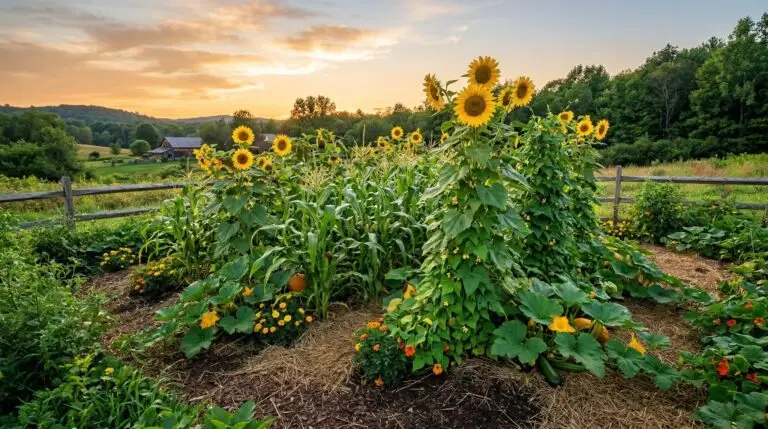
Sunflower companion plants: what to grow and what to avoid
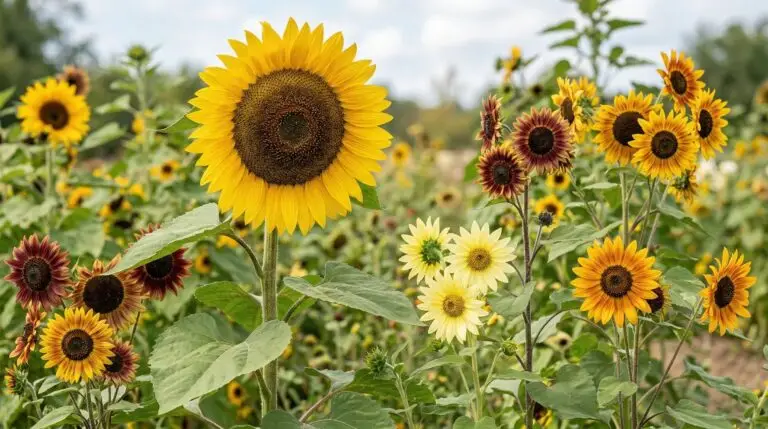
Best sunflower varieties from single-stem giants to branching bouquet types
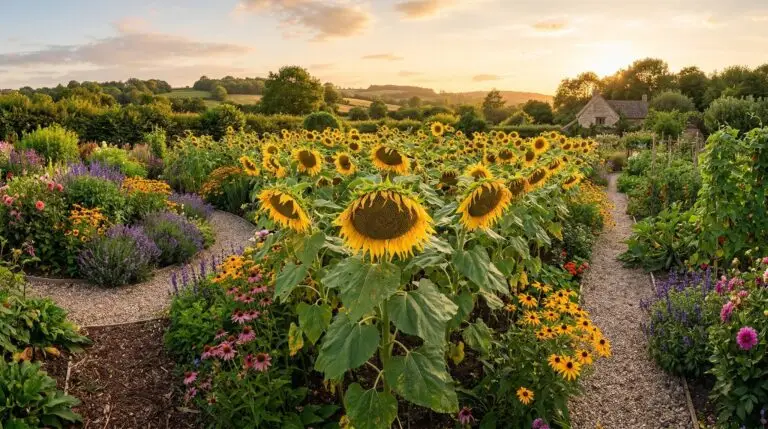
Harvesting sunflower seeds for roasting eating and saving for next year’s garden
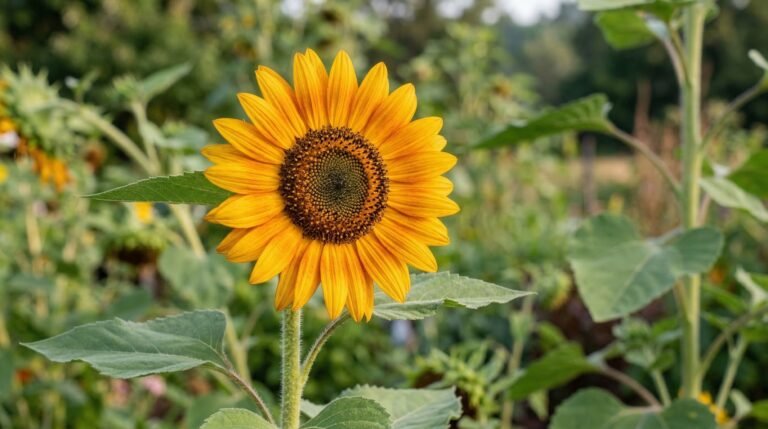
Pollen-free sunflowers for cutting gardens and allergy-friendly bouquet arrangements

Creating a sunflower field effect in your backyard for the ultimate summer photo backdrop