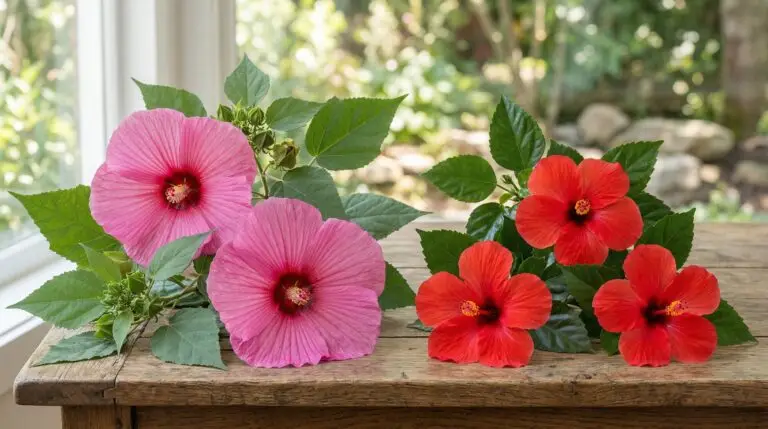
The story of the hibiscus begins in the quiet hours of early morning. Before the sun fully clears the horizon, the tightly furled buds begin to stir, responding to the warming air. Over the course of a single hour, the petals unroll themselves, stretching outward to reveal a wide, papery blossom with a prominent central stamen. This daily performance is a fleeting one, because most hibiscus flowers live for exactly one day. By nightfall, the blossom will fold back up and drop to the earth, making room for the next bud on the branch. This brief, intense existence has shaped hibiscus meaning across centuries, linking the flower to the concept of delicate, ephemeral beauty. Gardeners who watch this cycle learn to appreciate the present moment, knowing the blossom they admire today will be gone tomorrow.
Following the sun across the Pacific
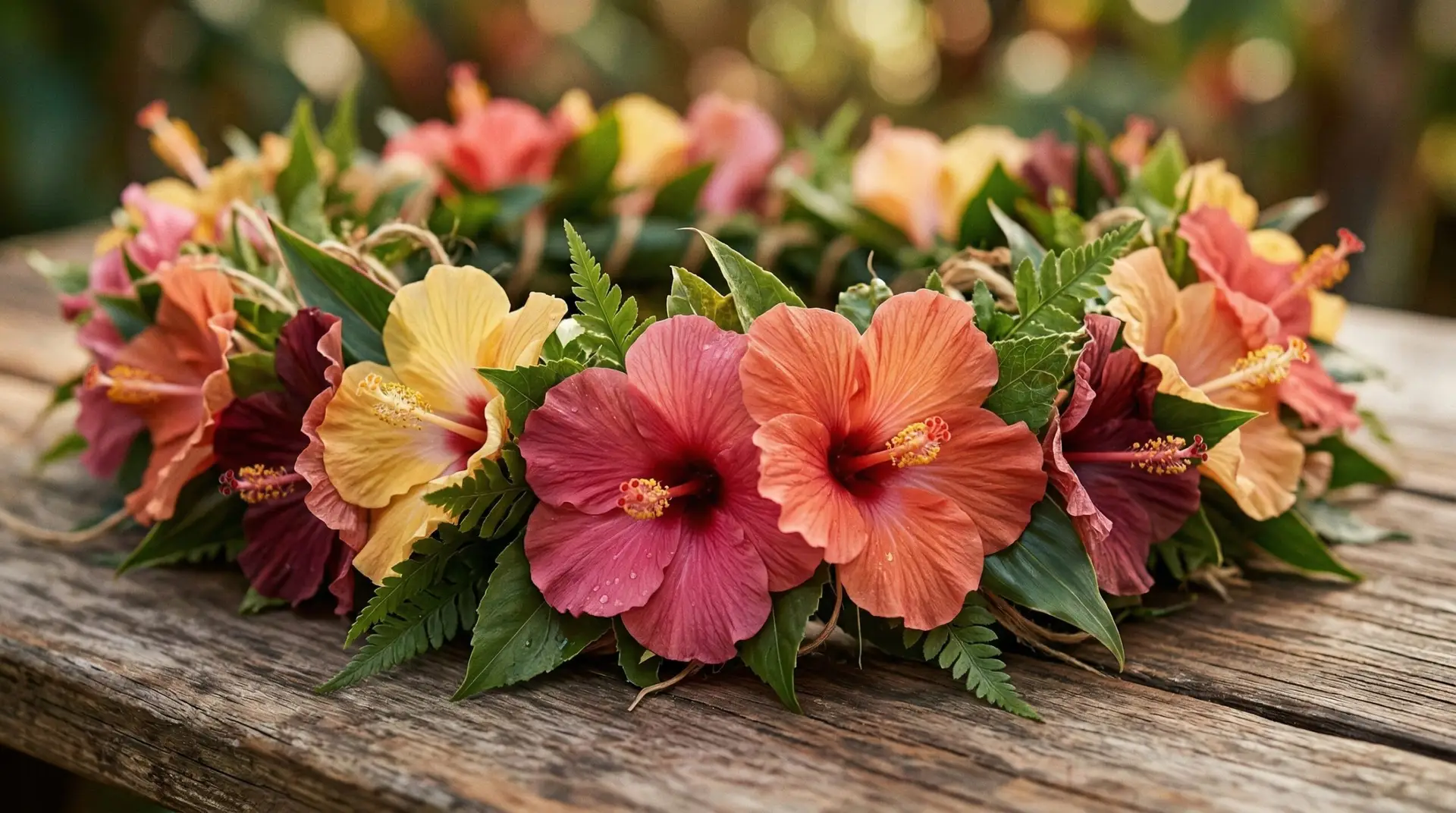
Long before modern ships crossed the oceans, early Polynesians carried hibiscus seeds and cuttings in their voyaging canoes. They recognized the practical value of the plant, using its inner bark to make rope and its wood to carve floats for fishing nets. As the plant took root in the volcanic soil of Hawaii, it became deeply entwined with the daily rhythms of island life. The yellow hibiscus eventually became the official state flower, but all colors found their way into the traditional art of lei making. Stringing a lei requires patience and a gentle touch, as the maker carefully pierces the base of hundreds of fresh blossoms to create a thick collar of petals. Women also wore single blossoms tucked behind their ears, creating a silent language of romance. A flower worn on the left side indicated the wearer was married or in a relationship, while a flower on the right signaled she was looking for love. The hibiscus shares this coastal environment with other dramatic plants like the Bird of Paradise, but it maintains a softer, more inviting presence in the garden.
Offerings of red petals
As the morning heat builds, the red hibiscus takes on a different role in gardens thousands of miles away. In the Hindu tradition, the brilliant red blossoms are the preferred offering to the goddess Kali and the elephant-headed god Ganesha. Devotees gather the flowers just after they open, careful not to bruise the delicate petals before bringing them to the temple to place at the feet of the statues. The physical structure of the flower, with its wide open face, mirrors the expansion of consciousness and spiritual awakening. The red color carries the energy of divine power and courage, a meaning that resonated strongly in Southeast Asia as well. When Malaysia gained independence in the twentieth century, the nation chose the red hibiscus, known locally as the Bunga Raya, as its national flower. The five petals of the Bunga Raya correspond directly to the five principles of the national philosophy, firmly grounding the plant in the country’s political and cultural identity. Much like the fragrant Jasmine, the hibiscus holds a sacred space in these regions, moving seamlessly from the garden bed to the altar.
The persistence of the hardy varieties
While the tropical hibiscus thrives in the humid heat of the equator, its close relatives adapted to the freezing winters of the north. The hardy hibiscus, specifically the species known as the Rose of Sharon, tells a story of remarkable resilience. In Korea, this flower is called Mugunghwa, a name that translates roughly to the flower of immortality or the flower that blooms endlessly. Unlike the tropical varieties that bloom year-round, the hardy hibiscus waits patiently through the snow and ice, holding its energy deep in the soil. When summer finally arrives, the shrub produces a continuous succession of blossoms for months on end, replacing each fallen flower with a new bud. This relentless blooming cycle gave the flower its meaning of perseverance and national stamina in Korean culture. The Mugunghwa survived centuries of political upheaval, with citizens planting the shrubs in secret to maintain a connection to their heritage. It carries a quiet strength that rivals the classic Rose, proving that beauty does not always require a fragile constitution.
Reading the colors at dusk
As the afternoon shadows lengthen and the day draws to a close, the specific colors of the hibiscus take on their own distinct meanings. White hibiscus flowers gather the fading light, glowing softly in the evening garden while carrying the meaning of purity and female energy. Yellow blossoms, which often open with a bright intensity, communicate sunshine, good fortune, and happiness. Pink hibiscus flowers soften the garden palette and communicate friendship and affection between neighbors who trade cuttings over the fence. The deep purple and blue varieties, which are rarer in cultivation, speak to mystery and the pursuit of the unusual. Gardeners who plant multiple colors create a physical vocabulary in their yards, a silent conversation expressed entirely through petals.
The sun finally sets, and the hibiscus flower begins its slow retreat. The wide petals lose their tension, curling inward upon themselves like a closing umbrella. The blossom that commanded attention all day now hangs heavily from the stem, its work complete. Tomorrow morning, a new bud will take its place, opening to the early light and starting the story over again. This endless rhythm of opening and closing asks the gardener to slow down and pay attention to the small changes happening in the soil. When you plant a hibiscus, you are not just adding color to a sunny corner of the yard. You are participating in an ancient cycle of temporary beauty, learning to value the flower exactly as it is, for the single day it is here.
More About Hibiscus
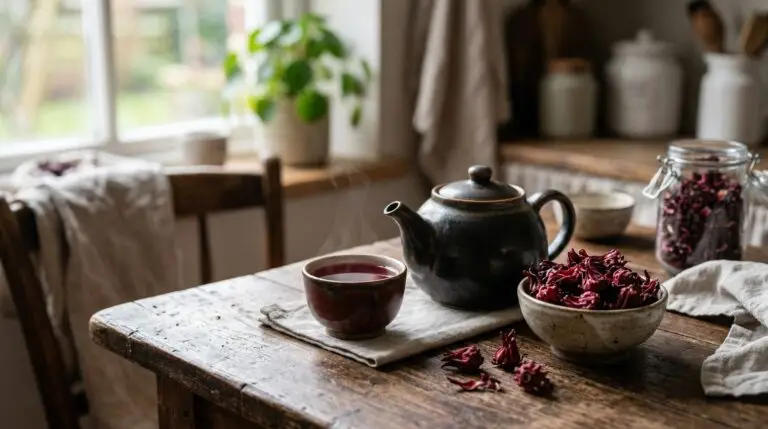
Hibiscus tea from flowers to cup and the health benefits of this ruby red drink
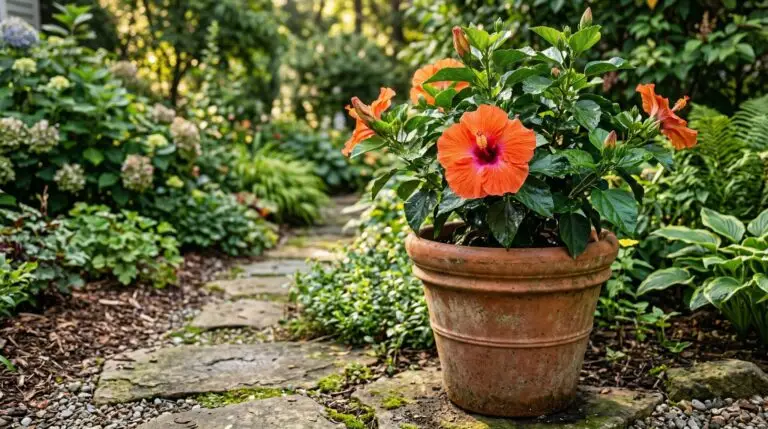
Growing hibiscus in containers for tropical patio style even in northern gardens
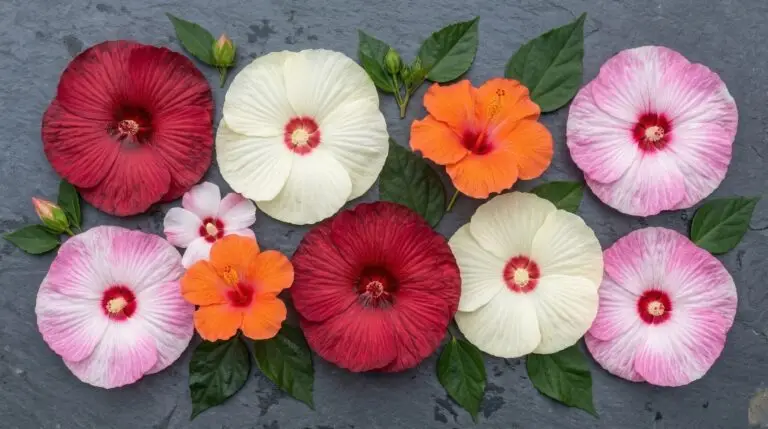
Best hardy hibiscus varieties with enormous flowers that rival tropical species
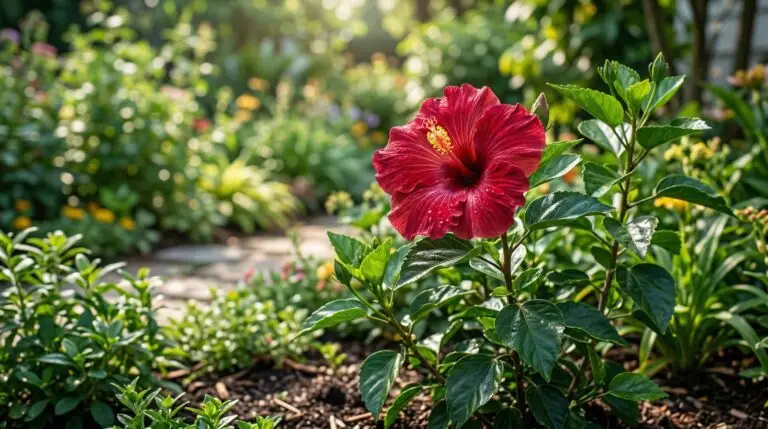
How to grow tropical hibiscus for dinner-plate-sized blooms in vivid tropical colors
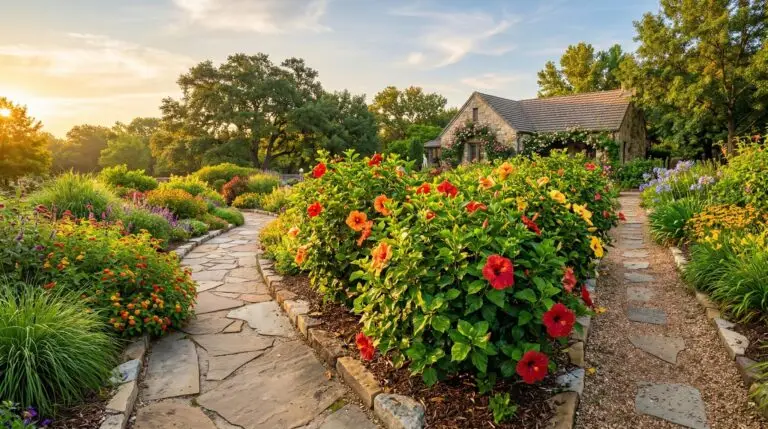
Overwintering tropical hibiscus indoors without losing all the leaves
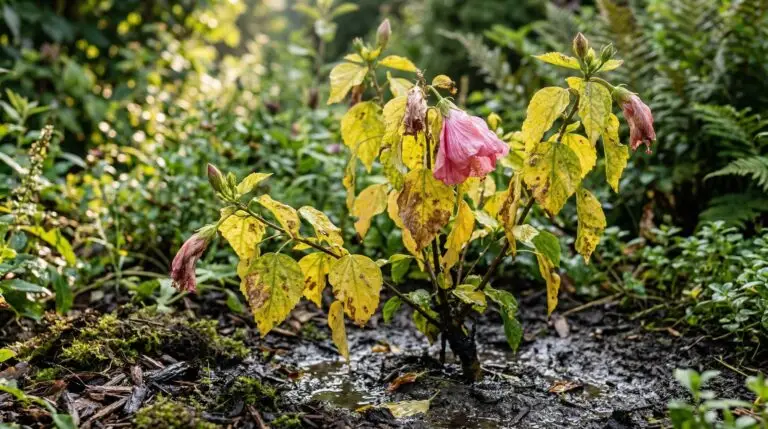
Why hibiscus leaves turn yellow and the common care mistakes that cause it
Companion plants for hibiscus: what to grow, what to avoid
Pruning hibiscus at the right time for maximum flowers and bushy compact growth