Almost every gardener has experienced the familiar heartbreak of buying a perfect, brightly colored potted flower at the spring nursery, bringing it home, and watching it turn into a mushy pile of wilted leaves within a week. Gerbera daisies are notorious for doing exactly this to well-meaning beginners who treat them like standard bedding plants. They happen to be the fifth most popular cut flower in the world, which makes sense when looking at their thick stems and perfect, saturated petals. Translating that greenhouse perfection into a backyard dirt patch requires understanding exactly what these plants hate the most. They despise wet feet, they resent being planted too deep, and they will rot at the first sign of soggy soil. The secret to growing gerbera daisies successfully is fighting the urge to overcare for them and focusing entirely on drainage and airflow. Taking a step back and letting the soil dry out is the hardest but most necessary lesson to learn.
Getting the soil and drainage right to prevent crown rot
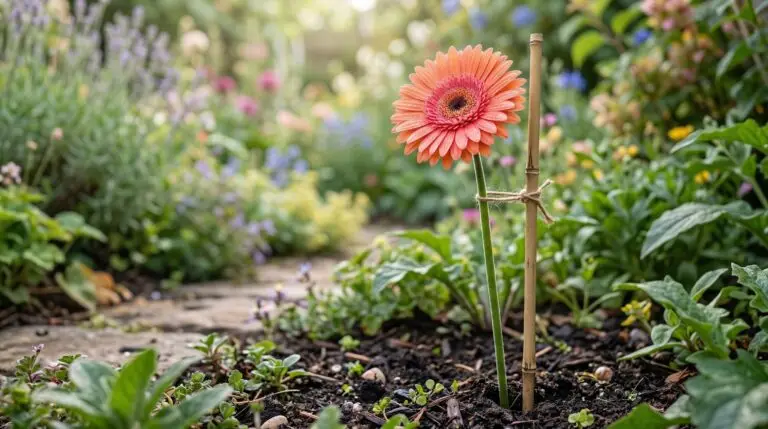
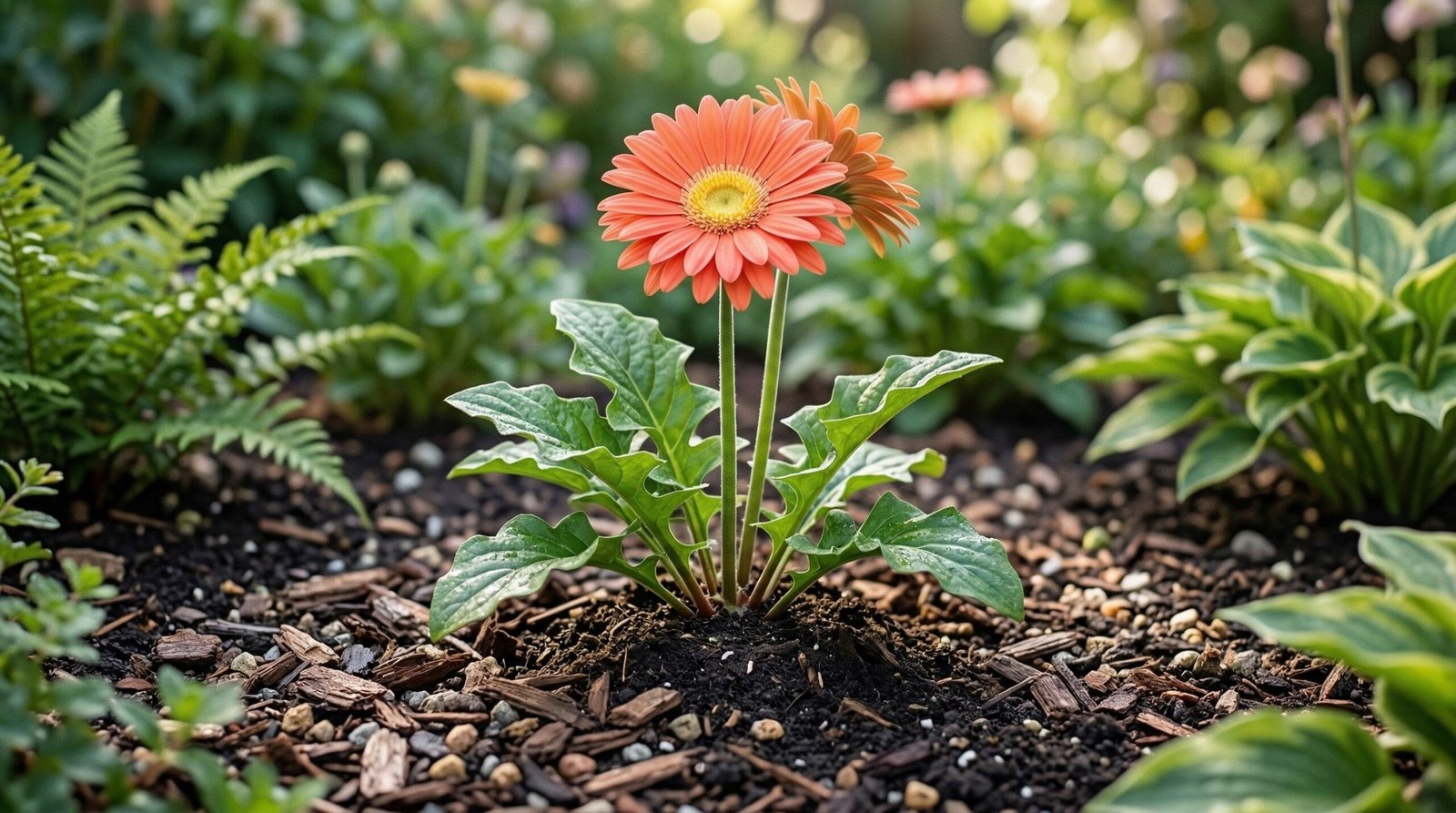
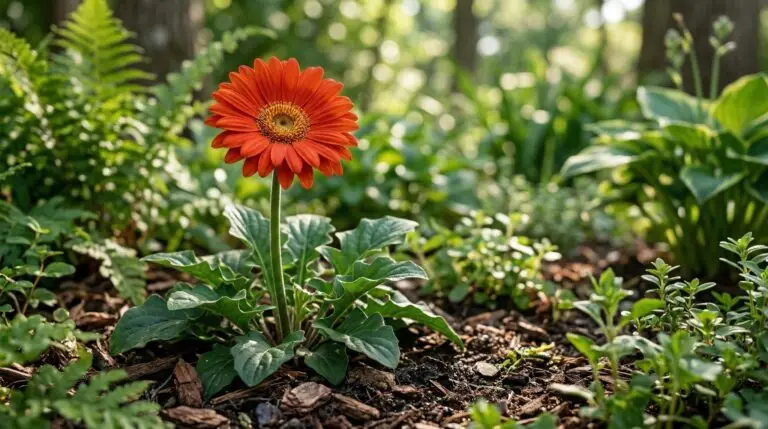
The single biggest mistake made with gerbera plant care happens on planting day when the root ball goes into the ground. These plants have a central crown where the fuzzy leaves meet the roots, and if that crown gets buried under soil or mulch, the entire plant will succumb to crown rot. Crown rot shows up as a gray, mushy center, and once it sets in, the plant is completely done for and must be thrown away. To prevent this, dig the hole just shallow enough so that the crown sits about an inch above the surrounding soil level. This slight elevation ensures that rain water runs away from the center of the plant rather than pooling right where the new leaves emerge. Gardeners working with heavy clay soil will struggle here, as clay holds moisture like a sponge and suffocates the roots very quickly. A cheap and effective fix is to mix a generous amount of coarse builder’s sand and fine pine bark into the planting area to break up the clay and force water to drain. If the native soil is just too dense, building a small raised mound of well-draining topsoil for each plant is a highly reliable workaround.
Finding the sweet spot for sunlight and temperature
Finding the right lighting for gerbera daisies often takes a bit of trial and error because their needs change drastically depending on the local climate. Gardeners in the South quickly learn that these plants cannot handle the brutal afternoon sun, which will scorch their leaves and cause the blooms to fade prematurely. In hot climates, the ideal spot gets direct morning sunlight from sunrise until around noon, followed by dappled shade during the hottest part of the day. Up in northern zones, the approach changes completely, and the plants need full, unobstructed sun all day long to generate enough energy for blooming. It is very common to see the large leaves drooping dramatically on a hot afternoon, which tricks many people into reaching for the watering can. Do not water a wilting plant in the middle of the day without checking the soil first with a bare finger, because heat stress causes temporary wilting that resolves once the sun goes down. If a garden spot gets baked by afternoon heat and needs a flower that will never wilt under pressure, planting a hardy Zinnia is a much safer bet for continuous summer color.
Watering and feeding for continuous blooms
Watering gerbera daisies requires a disciplined hand and a strict rule about keeping the foliage entirely dry. Overhead sprinklers are the enemy of these fuzzy-leafed plants because water resting on the foliage invites powdery mildew and fungal leaf spots. Always water right at the soil line using a watering wand or a drip hose, and only water when the top inch of the soil feels completely dry to the touch. When it is time to water, soak the root zone deeply to encourage the roots to reach down, rather than giving them frequent shallow sips that keep the surface perpetually wet. Because they produce such large blooms, gerbera daisies deplete soil nutrients rapidly and need regular feeding to keep the show going. A basic, inexpensive liquid bloom booster fertilizer applied every two weeks provides plenty of phosphorus to support new flower development. Regular deadheading is also required to keep the plant producing new buds throughout the season. When a bloom starts to fade, follow the stem all the way down to the base of the plant and snip it off right at the crown to prevent the hollow stem from rotting. For those who want a lower-maintenance bloomer that thrives on neglect and poor soil, a rugged Coneflower might be a better choice for that specific garden bed.
Choosing between containers and garden beds
After trying both methods for several years, the one that consistently works best for home gardeners is growing gerbera daisies in containers. Pots offer total control over the soil mixture and drainage, which eliminates the guesswork of dealing with native yard dirt. A standard potting mix heavily amended with extra perlite creates the exact light, airy environment these thick roots prefer. Containers also solve the problem of heavy rainstorms, because a pot with good drainage holes will never leave the plant sitting in a puddle. Growing them in garden beds is absolutely possible, especially in zones eight through ten where they act as perennials, but it requires diligent soil preparation and careful spacing. Plants in the ground need at least eighteen inches of space between them to guarantee good air circulation, which keeps fungal diseases away from the lower leaves. Potted gerberas can also be pulled into a cool garage or sunroom before the first frost, allowing northern gardeners to keep their favorite colors alive through the winter. In colder zones where gerberas are strictly treated as annuals, a classic Shasta Daisy offers a similar cheerful shape but brings the added benefit of surviving harsh winter freezes right in the ground.
The learning curve for growing gerbera daisies is real, and losing a few plants to root rot or powdery mildew is just part of the process of figuring out the right watering rhythm. The seedlings look dead or stunted for about two weeks after transplanting, but they are usually just focusing their energy on establishing roots before pushing out new growth. Give them time, keep the crown high and dry, and resist the urge to water them every time the sun makes them droop. A cheap soil moisture meter from the hardware store can save dozens of plants simply by proving that the soil below the surface is still wet. Once the soil moisture balance is dialed in, these plants are surprisingly resilient and will keep pushing up fresh flowers for months. The reward for paying attention to the details is a steady supply of florist-quality blooms sitting right outside the back door, ready to be cut and brought inside all summer long.
More About Gerbera Daisy
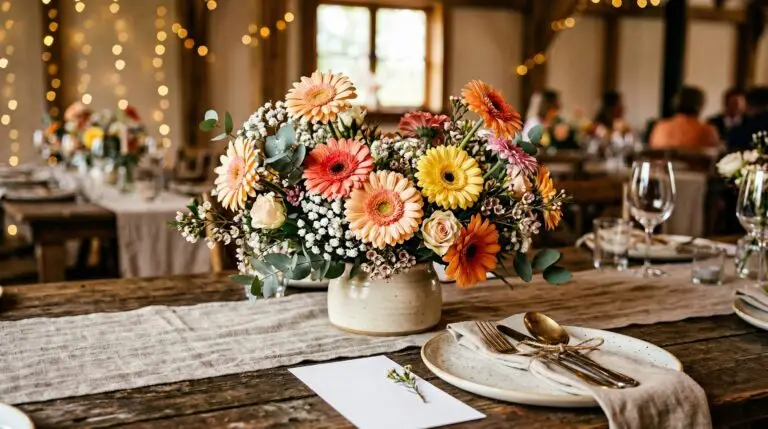
Gerbera daisies in wedding bouquets for colorful fun alternatives to traditional flowers
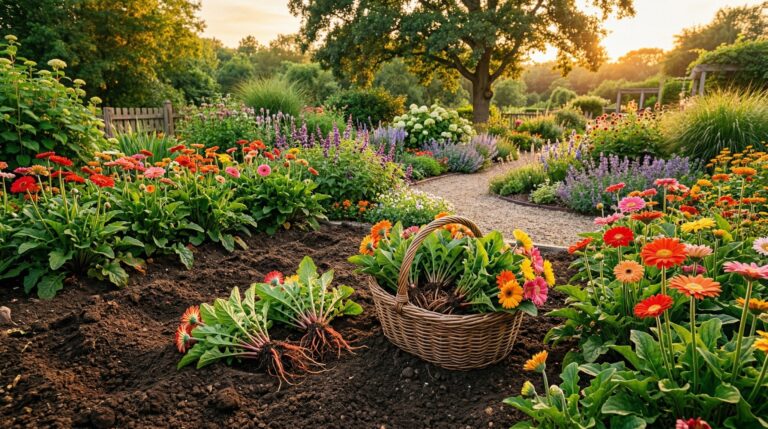
Overwintering gerbera daisies in cold climates and bringing them back year after year
Gerbera daisy meaning and why these happy flowers represent cheerfulness and joy
Why gerbera daisies die indoors and the crown rot problem that kills most gift plants
Garvinea gerberas the hardy outdoor series that changed gerbera gardening forever
Growing gerbera daisies from seed and the patience needed for these slow starters
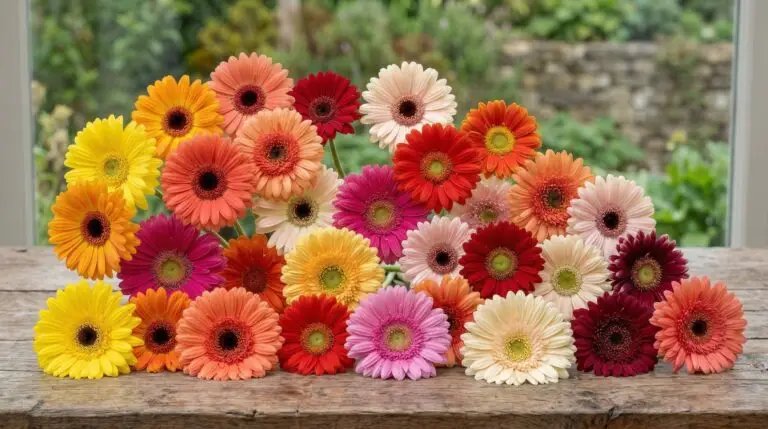
Best gerbera daisy colors and varieties from classic red to novel spider types