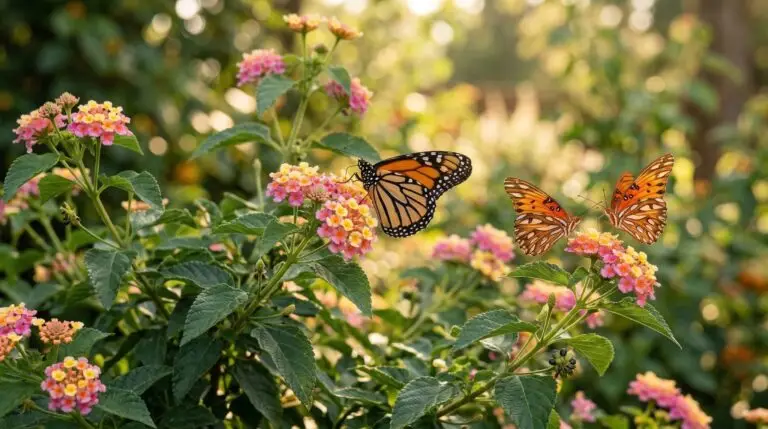
Deep in the scrublands of Central and South America, long before European botanists began cataloging the flora of the world, a tough shrub thrived under the punishing tropical sun. The indigenous peoples of the region knew this plant well, recognizing it by its rough, sandpaper-like leaves and its dense clusters of small, brightly colored tubular flowers. This wild shrub survived extended droughts, poor soil, and intense heat with absolute indifference. The core lantana meaning comes directly from this biological reality. The plant is a symbol of rigor, resilience, and an unyielding nature. When the rains failed and other plants withered, this survivor continued to bloom, providing a reliable source of nectar for local insects and birds. The plant demanded nothing from its environment while giving back a constant display of color and life. This fierce independence established the plant as the ultimate survival artist of the flower world.
European glasshouses and the colonial exchange
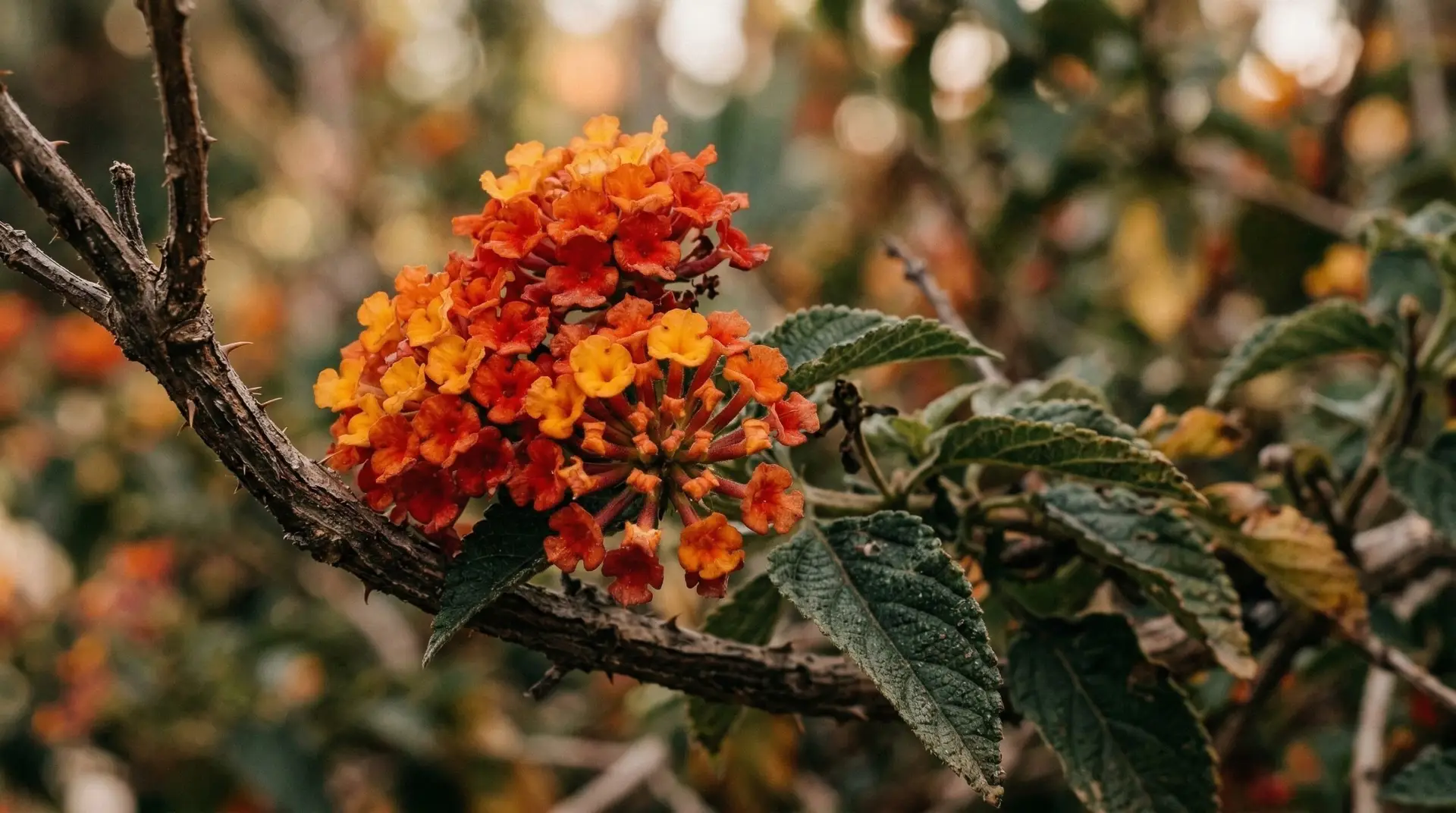
Dutch and Portuguese explorers encountered the shrub during their early voyages to the Americas and quickly recognized its ornamental value. By the seventeenth century, ships returning to Europe carried seeds and cuttings of the plant, introducing it to the rapidly growing botanical gardens of the continent. Wealthy estate owners in cold northern climates constructed elaborate glasshouses specifically to cultivate these new tropical imports. In these controlled environments, gardeners grew the shrub alongside other exotic specimens like the tropical hibiscus, attempting to recreate the humid warmth of the equatorial zone. European botanists were fascinated by the way the flower clusters changed color as they matured, shifting from yellow to orange to red on a single plant. They carefully selected and bred the most vigorous specimens, laying the groundwork for the modern hybrids we see today. The lantana flower language developed during this era focused heavily on tropical abundance and the exotic mysteries of distant continents.
Indigenous medicine and protective symbolism
Beyond its visual appeal, the shrub held a significant place in the traditional medicine practices of Central and South American cultures. Indigenous healers understood the complex chemical nature of the plant, which is highly toxic to livestock but contains compounds useful for treating specific human ailments. They carefully prepared poultices from the crushed leaves to treat snake bites, skin irritations, and minor wounds. In some regions, practitioners brewed highly diluted teas from the roots to address respiratory issues and stomach pains, always measuring the doses with extreme caution. This duality of poison and cure heavily influenced lantana symbolism among native populations. The plant was a harsh but necessary protector, a force that could heal or harm depending on the respect shown by the user. Modern pharmacological studies have since confirmed the presence of antimicrobial and anti-inflammatory compounds in the leaves, which proves centuries of indigenous botanical knowledge.
The unstoppable spread across continents
The true unyielding nature of the plant became apparent when British colonial administrators began moving it from Europe to other parts of their empire in the nineteenth century. They planted it as an ornamental hedge in the botanical gardens of India, Australia, and parts of Africa, expecting it to remain neatly confined. The shrub quickly escaped these cultivated boundaries, finding the warm climates perfectly suited to its aggressive growth habits. Birds consumed the small dark berries and scattered the seeds across vast distances, allowing the plant to colonize millions of acres of wild terrain. In many of these regions, it formed impenetrable thickets that choked out native vegetation and frustrated agricultural expansion. While farmers viewed it as an agricultural menace, the plant proved its status as a pure survival artist, adapting to new soils and resisting all human efforts to eradicate it. This aggressive global expansion solidified its cultural reputation as a symbol of sheer, unstoppable persistence.
Community strength in the garden
The physical structure of the bloom offers another layer of meaning that resonates deeply with gardeners and botanists alike. The flowers do not grow as solitary blossoms, but rather form flat-topped clusters called umbels, where dozens of tiny individual flowers pack tightly together. This dense arrangement creates a massive landing pad for butterflies, bees, and hummingbirds, making it far more attractive to pollinators than a single flower would be. The outer ring of older flowers typically displays a different color than the newly opened flowers in the center, signaling to insects exactly where the fresh nectar is located. This collective biology is a pure expression of community strength, showing how individual units working together create a powerful and effective whole. Like the structural bird of paradise, the plant relies on a specialized physical form to ensure its survival and reproduction in competitive environments. The changing colors within the cluster remind observers that adaptability and cooperation are essential components of long-term survival.
Modern cultivation and historical legacy
Today, plant breeders have developed sterile varieties that capture the historical beauty of the shrub without the aggressive spreading habits that defined its colonial history. When modern gardeners place these plants in their summer borders or drought-tolerant garden beds, they participate in a horticultural tradition that spans hundreds of years and multiple continents. The plant still demands very little from its caretaker, thriving in poor soil and baking heat while producing a continuous supply of nectar. Understanding the full history of the plant changes the way we view its presence in our yards and public parks. It is a living record of early global trade, indigenous medicinal wisdom, and biological tenacity. The deep meaning of the flower remains completely intact in these modern cultivars. Every bright cluster of blossoms is a reminder that true beauty often requires a foundation of absolute rigor and unyielding resilience.
More About Lantana
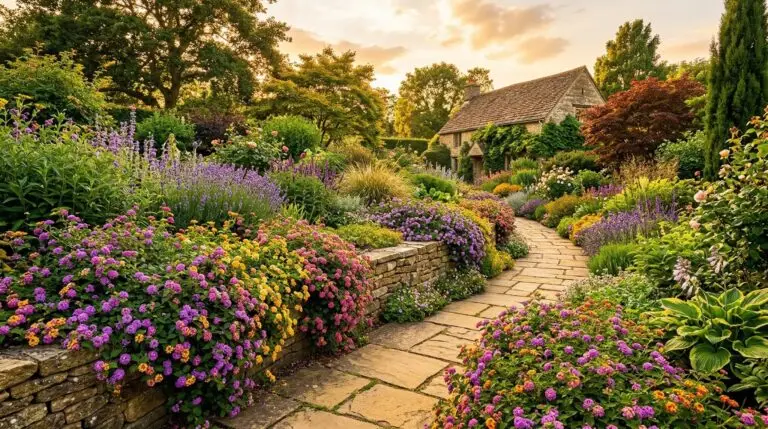
Lantana as a low-maintenance ground cover for slopes and hard-to-mow areas
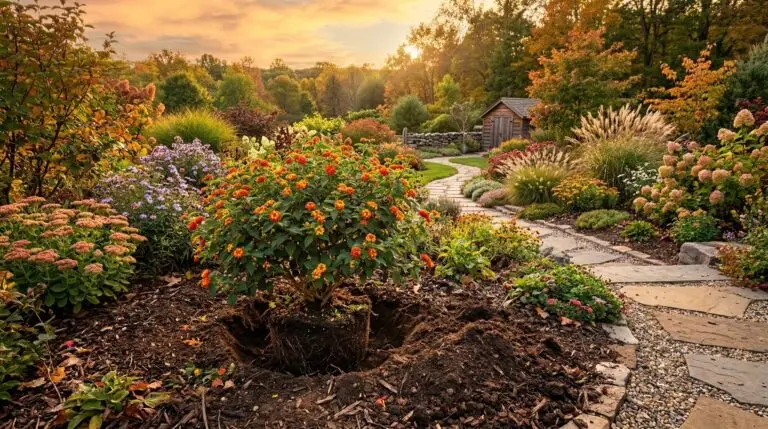
Overwintering lantana plants indoors for saving your favorite varieties until spring
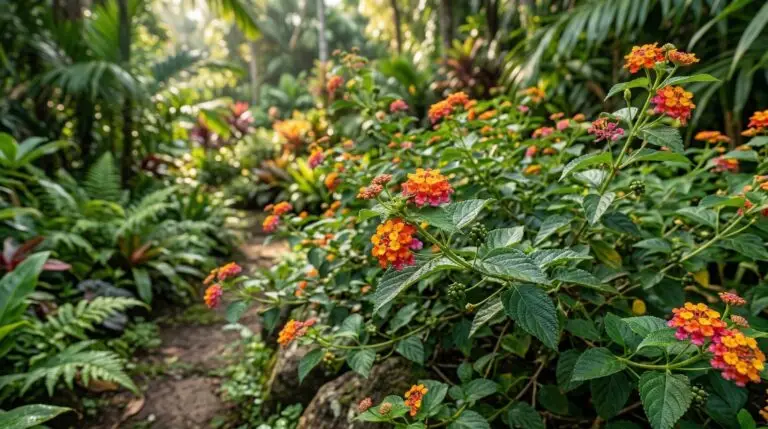
Is lantana invasive and how to grow it responsibly in warmer climates
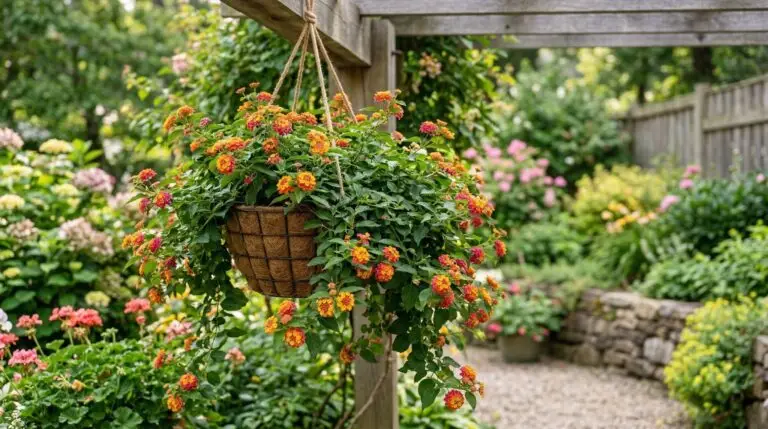
Growing lantana in containers and hanging baskets for summer patio color
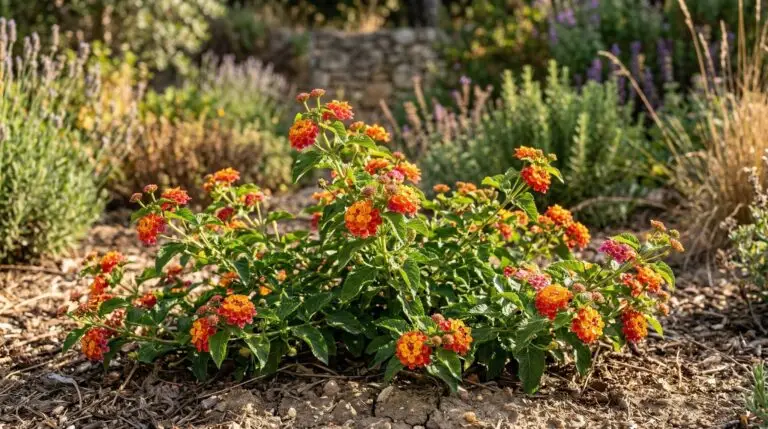
How to grow lantana for non-stop color in the hottest driest spots in your garden