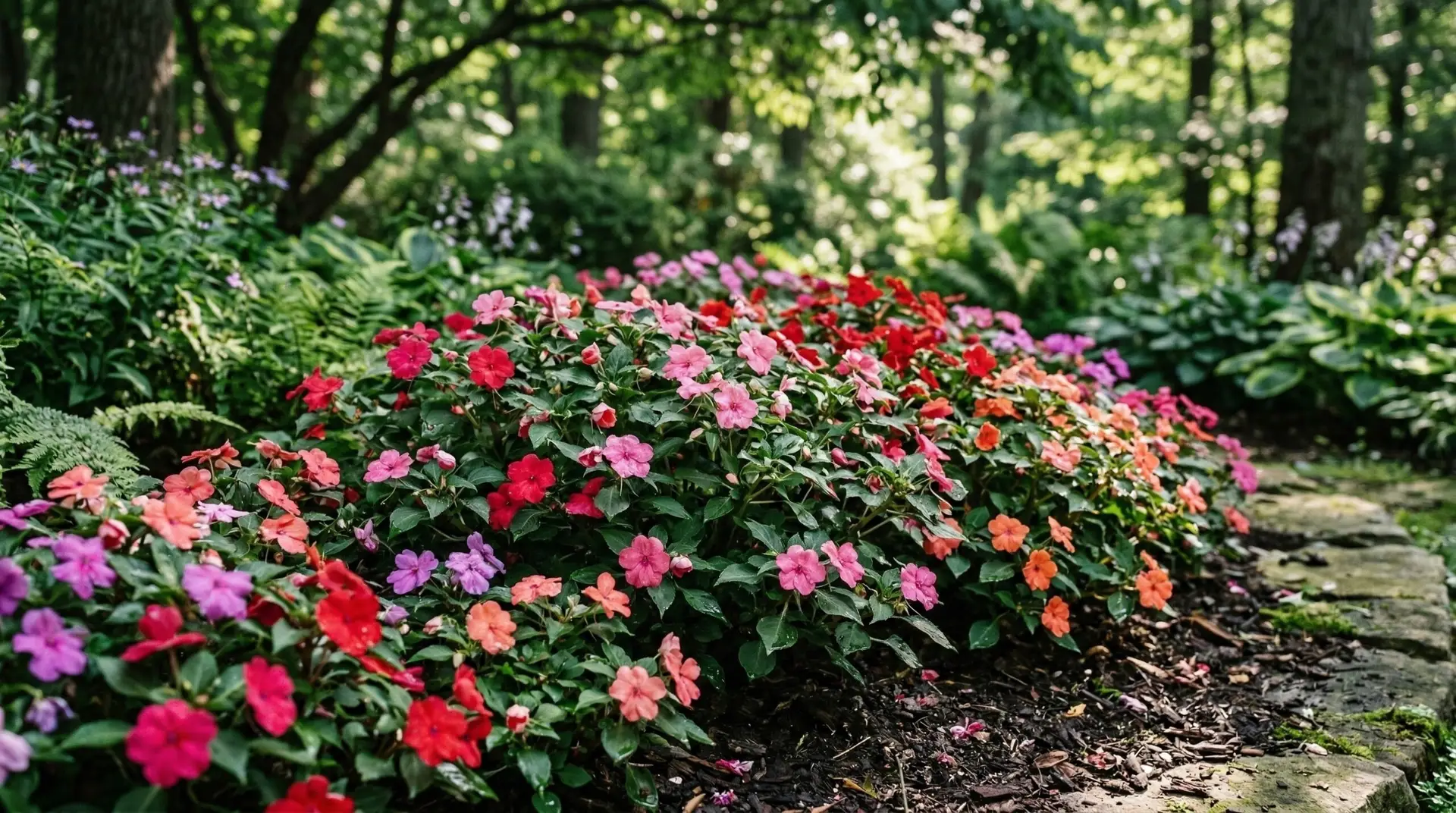
Over the years, I have seen countless gardeners struggle to bring color to the dark corners of their properties under mature trees or along north-facing walls. The standard Impatiens walleriana is often the most reliable solution for these difficult areas. Native to eastern Africa, these tender perennials are grown almost exclusively as annuals in temperate zones. They have a reliable habit of producing continuous blooms without the need for deadheading, a trait botanists call self-cleaning. When you understand the specific requirements for growing impatiens, you can transform heavy shade into a reliable display of white, pink, red, and orange.
Success with impatiens shade planting begins with recognizing their precise light tolerances. While they are famous for thriving in deep shade, they actually perform best with dappled morning sunlight followed by complete protection from harsh afternoon rays. If you plant them in absolute gloom, the stems will stretch and become leggy as the plant reaches for light, resulting in sparse foliage and fewer flowers. Conversely, too much direct sun will scorch their delicate, translucent leaves and cause the plants to wilt rapidly, even if the soil is wet. Finding that middle ground of bright, indirect light is the foundation of proper impatiens care.
Understanding soil and moisture needs
The root system of an impatiens plant is fine and shallow, which dictates exactly how you must prepare your planting beds. They require a highly organic, well-draining soil with a slightly acidic pH ranging between 6.0 and 6.5. I always recommend incorporating a generous amount of well-rotted compost or leaf mold into the top six inches of soil before planting. This organic matter holds necessary moisture while preventing the soil from compacting and suffocating the delicate roots. Heavy clay soils are fatal to these plants because they hold water against the stems, inevitably leading to fungal root rots.
Watering impatiens requires a careful balance, as these plants are highly sensitive to both drought and waterlogging. Their fleshy, succulent stems consist mostly of water, meaning they will droop dramatically the moment the soil dries out completely. You should aim to keep the soil consistently moist but never visibly soggy. In the heat of midsummer, this often translates to watering every day or two, especially for plants grown in containers or hanging baskets where soil volume is limited. Applying a two-inch layer of shredded hardwood mulch around the base of the plants will help stabilize soil moisture and reduce the frequency of your watering chores.
Navigating the downy mildew problem
Any honest discussion about growing impatiens today must address the devastating impact of impatiens downy mildew. A little over a decade ago, this aggressive water mold pathogen swept through nurseries and home gardens, completely defoliating and killing standard Impatiens walleriana across the country. The disease presents first as a faint yellowing of the upper leaves, followed by a white, fuzzy growth on the undersides, and eventually total plant collapse. For several years, horticulturists advised gardeners to abandon traditional impatiens entirely and substitute them with a begonia or other shade-tolerant species. The spores of this pathogen overwinter in the soil, making it impossible to plant susceptible varieties in the same bed year after year. Once the soil is infected, the disease will strike new plantings almost immediately.
Fortunately, plant breeders have developed highly resistant cultivars that allow us to return this plant to our shade gardens safely. Series like Beacon and Imara XDR have been rigorously tested and show excellent resistance to the downy mildew pathogen. When purchasing plants at your local nursery, you must specifically look for these resistant tags if you live in an area where the disease is prevalent. Alternatively, you might choose New Guinea impatiens, which are a different species entirely and possess natural immunity to the disease. New Guinea varieties tolerate slightly more sun and have larger, more pointed leaves. They do require even more frequent watering than standard varieties to prevent wilting during the heat of the day.
Designing with mass plantings and containers
The true visual impact of impatiens is realized when they are planted in large, sweeping masses rather than as isolated specimens. To achieve a dense, carpet-like effect, space the transplants about ten to twelve inches apart in a staggered grid pattern. Within a few weeks of warm weather, they will grow together and shade out competing weed seeds. This dense canopy also creates a microclimate that helps retain soil moisture at the root level. When massing them under trees, be careful not to sever large tree roots during planting, and remember that the tree will aggressively compete with your flowers for available water.
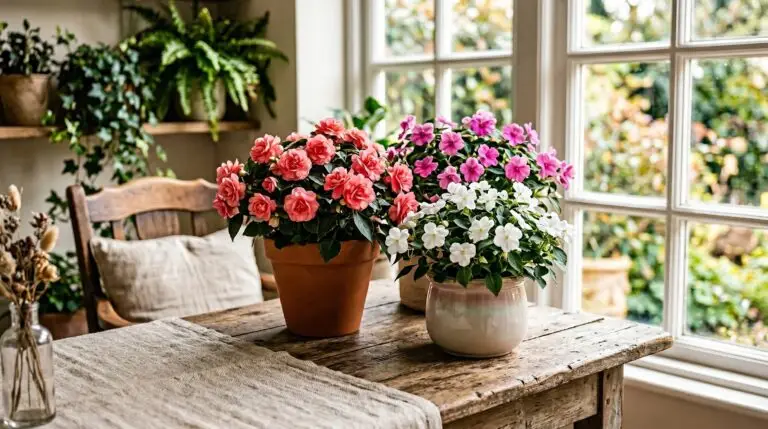
These plants are equally valuable for container gardening and hanging baskets, where their mounding habit spills naturally over the edges. When potting them up, use a high-quality, peat-based potting mix formulated for moisture retention. Because frequent watering leaches nutrients from potting soil quickly, container-grown impatiens demand more fertilizer than those planted in the ground. You can create a classic, shaded porch display by combining them with trailing foliage plants, much like you might use a trailing petunia or an ivy geranium in a full-sun hanging basket. Ensure every container has large drainage holes, as stagnant water at the bottom of a pot will destroy the root system in a matter of days.
Routine maintenance and seasonal care
One of the most appealing aspects of impatiens care is the complete lack of deadheading required to keep the plants looking tidy. The spent blossoms simply fall away on their own, making them an excellent choice for large commercial plantings or busy home gardeners. They do benefit from a light application of a balanced, slow-release granular fertilizer mixed into the soil at planting time. If the plants begin to look pale or slow their growth in midsummer, a supplemental feeding with a water-soluble fertilizer diluted to half strength will encourage a new flush of dark green leaves. Avoid high-nitrogen lawn fertilizers, which will push aggressive foliage growth at the expense of flower production.
Temperature plays a significant role in the overall health and longevity of your impatiens throughout the growing season. These are tropical plants that suffer chilling injury when nighttime temperatures drop below fifty degrees Fahrenheit. You should wait until all danger of frost has completely passed and the soil has warmed before moving transplants into the garden. If you live in a region with long, hot summers, you might notice the plants looking exhausted by August. You can rejuvenate leggy, overgrown impatiens by cutting the stems back by one-third, which forces dormant buds to break and creates a denser, more compact plant for the autumn months.
As the season winds down and the first frost approaches, you have a few options for preserving your favorite plants. While most gardeners simply pull them up and compost them, you can easily take stem cuttings to root indoors over the winter. Cut healthy, non-flowering stems about four inches long and place them in a glass of water on a bright windowsill. They will develop roots within two weeks and can be potted up in sterile soil to serve as houseplants until spring. This simple propagation method ensures you always have vigorous, healthy stock ready for the next growing season without having to start from scratch.
More About Impatiens
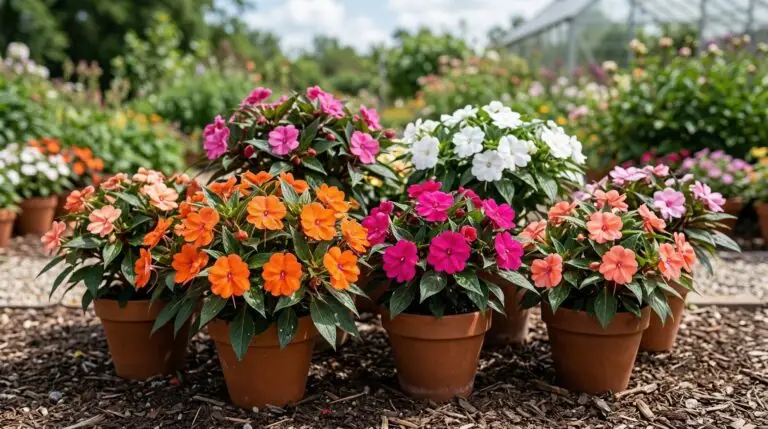
SunPatiens versus regular impatiens and which one handles sun and heat
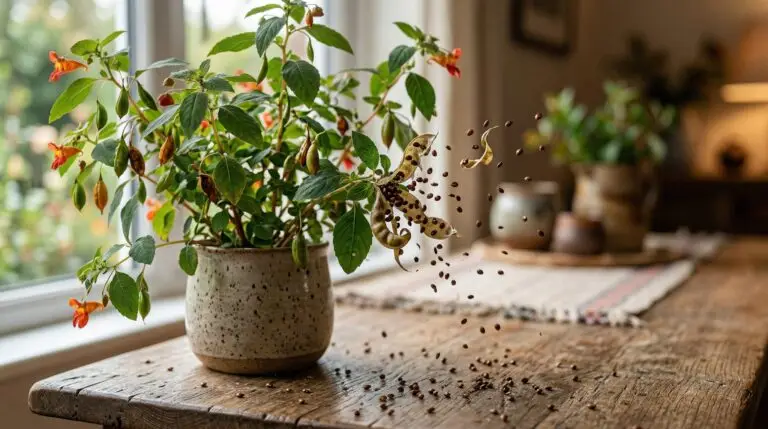
How impatiens seed pods explode and the fun of growing touch-me-nots from seed
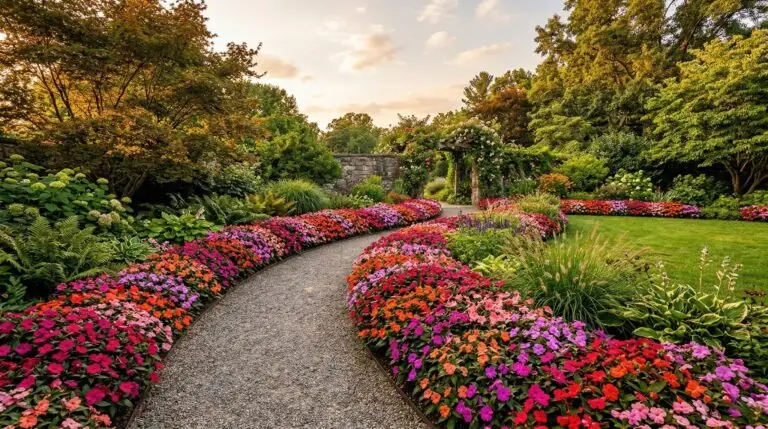
Mass planting impatiens for dramatic sweeps of color under trees and along walkways
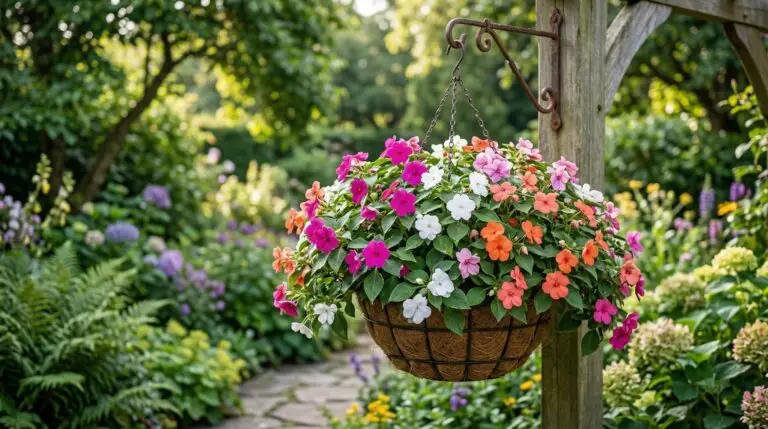
Growing impatiens in hanging baskets for cascading color on porches and patios
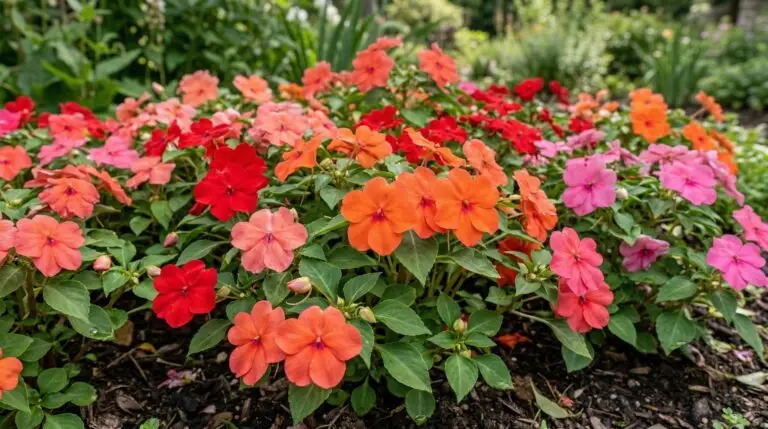
Best impatiens varieties from classic walleriana to exotic New Guinea hybrids
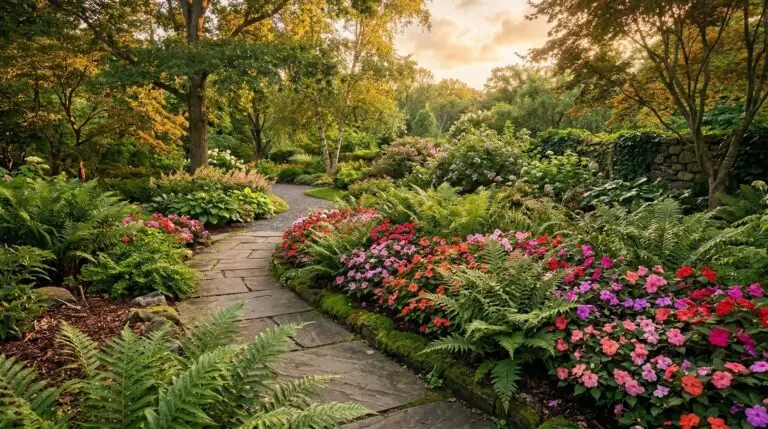
Companion plants for impatiens: what to grow, what to avoid
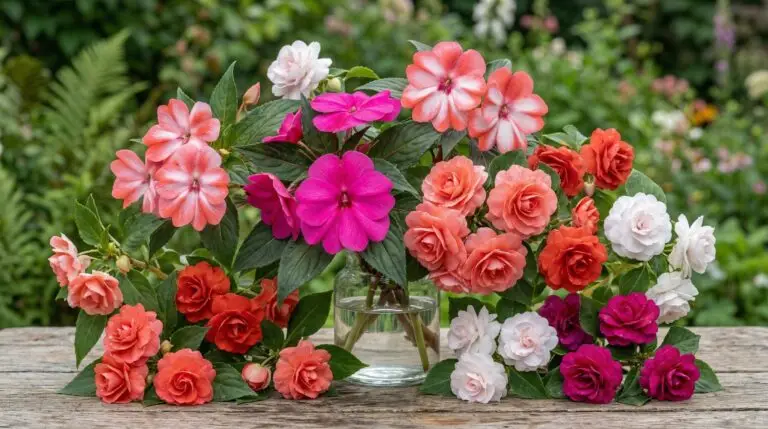
New Guinea impatiens for bigger bolder flowers with colorful foliage in partial shade
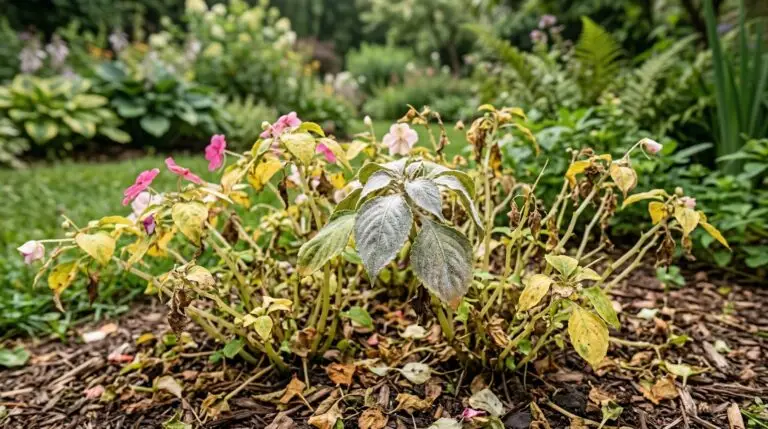
Impatiens downy mildew disease and the new resistant varieties that saved this flower