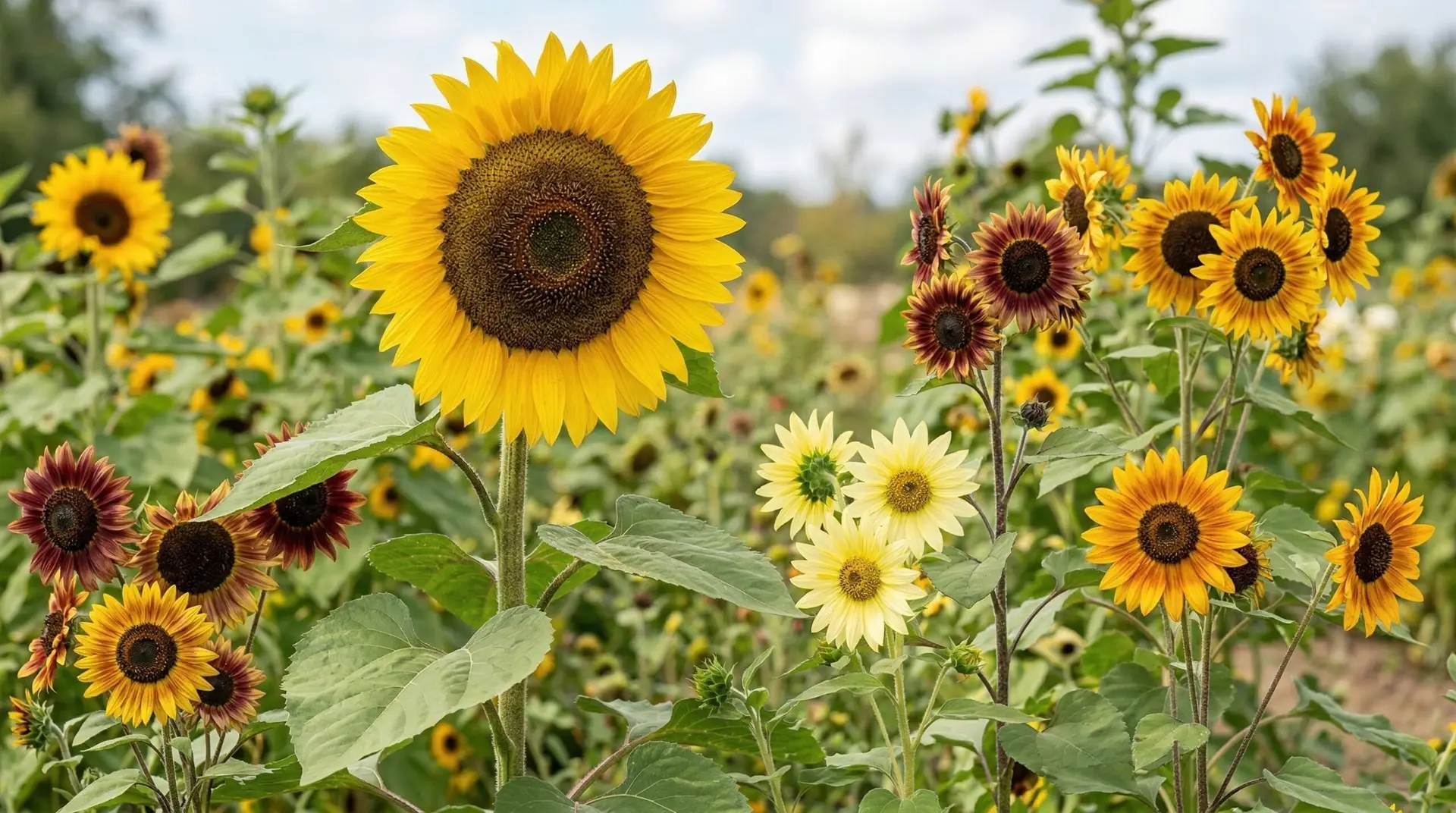
When you open a seed catalog, the sheer number of types of sunflowers can easily overwhelm your garden plan. Breeders have spent decades manipulating the common sunflower, creating everything including knee-high dwarfs and towering giants. Rather than planting a random assortment of seeds and hoping for the best, you get much better results by understanding the fundamental divide in the sunflower world. Sunflowers fall into two distinct camps: single-stem varieties bred specifically for the vase, and branching varieties bred for a long season of color in the garden. I have grown dozens of cultivars over the years, and I find that paring down your selection to a few specific, reliable performers yields a much better garden. Choosing the right sunflower varieties requires looking past the glossy seed packet photos and understanding how the plant actually behaves in your soil. By selecting the best variety for your specific purpose, you avoid the common pitfalls of weak stems, dropped pollen, and abbreviated bloom times.
The best single stem varieties for cutting
Single-stem sunflowers produce one large flower per plant and then die. Because they do not branch, you must plant them in succession every week or two to keep flowers coming throughout the summer. The standard recommendation for cut flowers has long been the Sunrich series, which is still widely grown by commercial farmers. Sunrich produces beautiful flowers, but in practice, it underperforms compared to the ProCut series for home growers. The ProCut series matures faster, usually in about sixty days, and develops stronger necks that hold the heavy flower heads upright while remaining completely pollen-free. This means they will not drop yellow dust all over your dining room table as they age. If you want a classic yellow sunflower with a dark center, ProCut Orange is the absolute standard for consistency, while ProCut Plum produces muted, dusty rose petals for a more unusual look. These moody tones pair exceptionally well with a dark dahlia in an autumn centerpiece.
Branching sunflowers for the garden
If you want a plant that blooms continuously for weeks rather than giving you one single flower, you need a branching variety. Branching sunflowers produce a thick main stem with multiple side shoots, each ending in a slightly smaller flower. Among the many branching types available, Autumn Beauty remains the superior choice for a long-lasting garden display. This mix produces flowers in a range of warm colors, including gold, bronze, deep red, and bicolor combinations that shift as the season progresses. The plants grow roughly six feet tall and produce dozens of flowers over a period of several weeks, making them highly attractive to local pollinators. Many modern branching varieties try to stay too compact, resulting in crowded flower heads that rot in wet weather. Autumn Beauty spaces its branches out nicely, allowing good airflow and creating a graceful, open plant architecture. You can cut these for casual arrangements as well, though the stems will be thinner and shorter than those of the dedicated single-stem varieties.
Giants and dwarfs for specific spaces
Sometimes you need a plant to perform a very specific structural role in the garden. When people think of classic, towering sunflowers, they are usually picturing the Mammoth Russian variety. I include Mammoth here because it remains the best choice if you want to grow massive, twelve-foot plants with heads the size of dinner plates. Unlike the pollen-free cutting types, these giant single-stem plants are grown primarily for their massive seed yield. The seeds are edible and highly attractive to birds, making this a highly functional plant for a wildlife garden or a children’s garden plot. You do need to give these giants plenty of space and deep, rich soil, as their root systems must be substantial to anchor that much top growth. You should also avoid planting them where they will shade out your other sun-loving vegetables.
On the opposite end of the size spectrum, dwarf varieties offer a completely different way to use these plants. Many gardening guides suggest growing standard sunflowers in large pots, but those tall plants almost always blow over in the summer wind. If you want to grow sunflowers in containers, you should choose a true genetic dwarf variety like Teddy Bear. Teddy Bear grows only two to three feet tall and produces fully double, fluffy yellow flowers that look almost like oversized pom-poms. The compact stature keeps the plants stable in pots on a windy patio, and the unusual flower form provides excellent texture in a mixed planting. The double petals obscure the center disk, giving the flower a soft, cushion-like appearance that contrasts nicely with flat-faced blooms. If you are looking for a taller, bright orange flower to fill a similar late-summer niche, you might also plant the Mexican Sunflower, though it requires much more space than a dwarf variety.
The curator’s top recommendation
If I had to choose just one type of sunflower to grow every year, I would bypass the giants and the branching mixes entirely. My top recommendation is the ProCut White Nite sunflower. White sunflowers have historically been a disappointment, often blooming with a muddy yellow or pale green tint rather than a true white. ProCut White Nite actually delivers on its promise, producing crisp, creamy white petals around a dark, chocolate-colored center. Because it is a single-stem, pollen-free variety, it makes an exceptionally clean and elegant cut flower that lasts up to ten days in a vase. It grows reliably to about five feet tall, requires no staking, and blooms in just two months from planting the seed. This variety turns the humble sunflower from a rustic garden staple into a refined flower that works exceptionally well in formal arrangements alongside a late-season dahlia.
More About Sunflower
Why sunflowers follow the sun and the fascinating science of heliotropism
Sunflower flower meaning and why this golden bloom represents adoration and loyalty
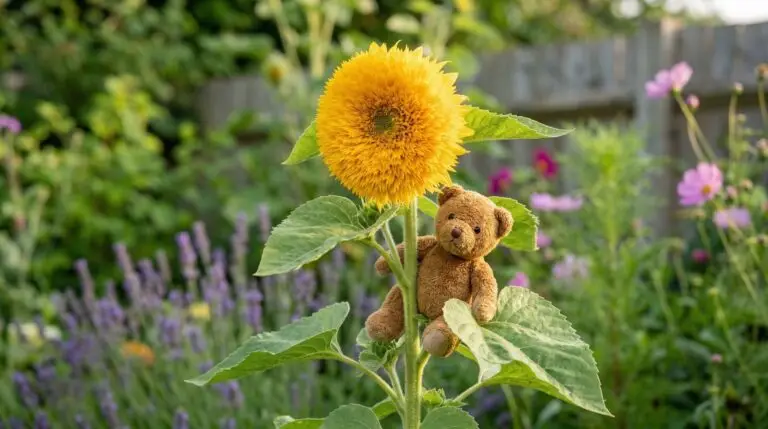
Dwarf sunflowers for containers and small gardens that still bring big sunshine energy
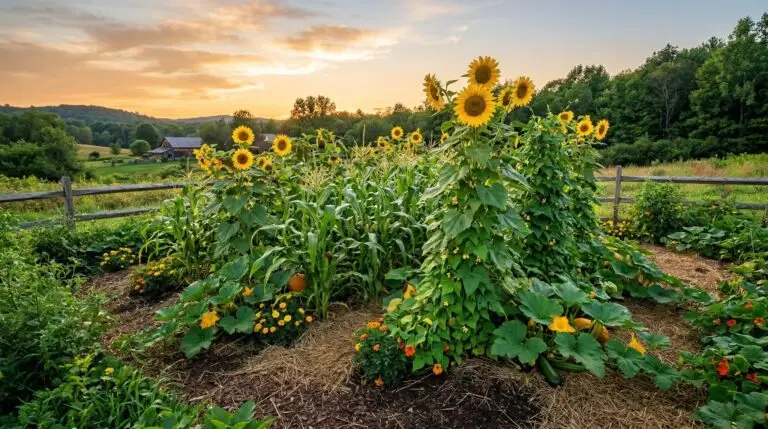
Sunflower companion plants: what to grow and what to avoid
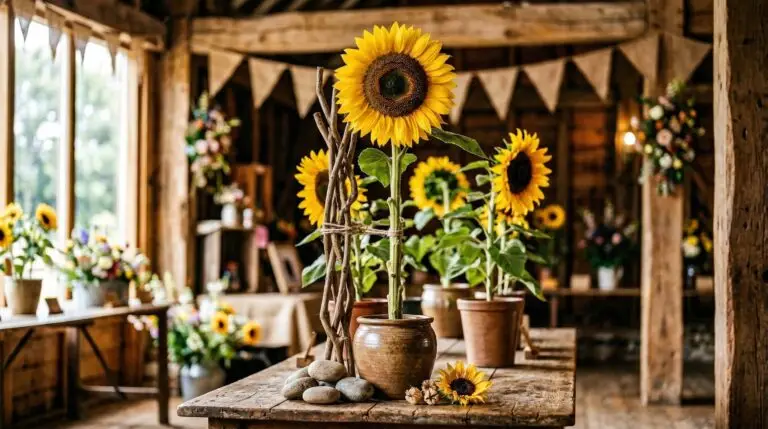
Growing sunflowers with children for the easiest and most exciting garden project ever

Harvesting sunflower seeds for roasting eating and saving for next year’s garden
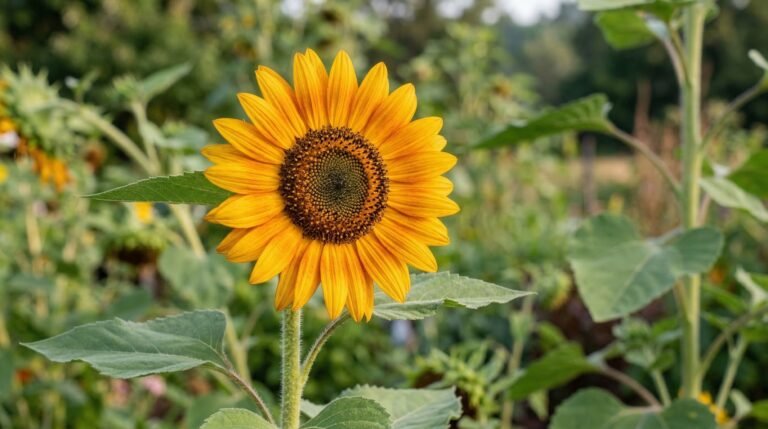
Pollen-free sunflowers for cutting gardens and allergy-friendly bouquet arrangements

Creating a sunflower field effect in your backyard for the ultimate summer photo backdrop