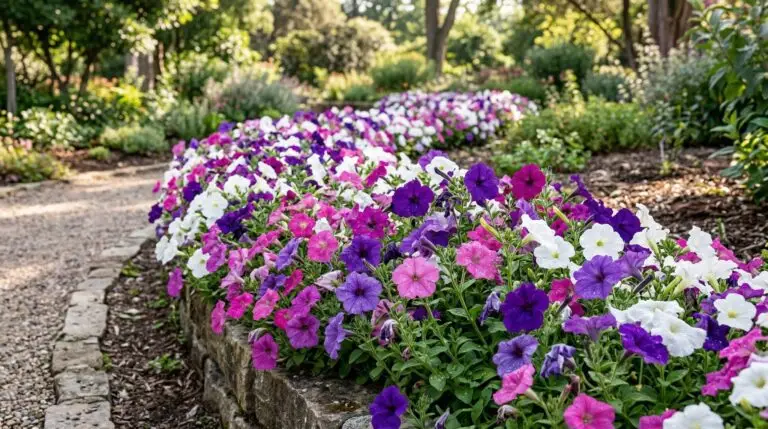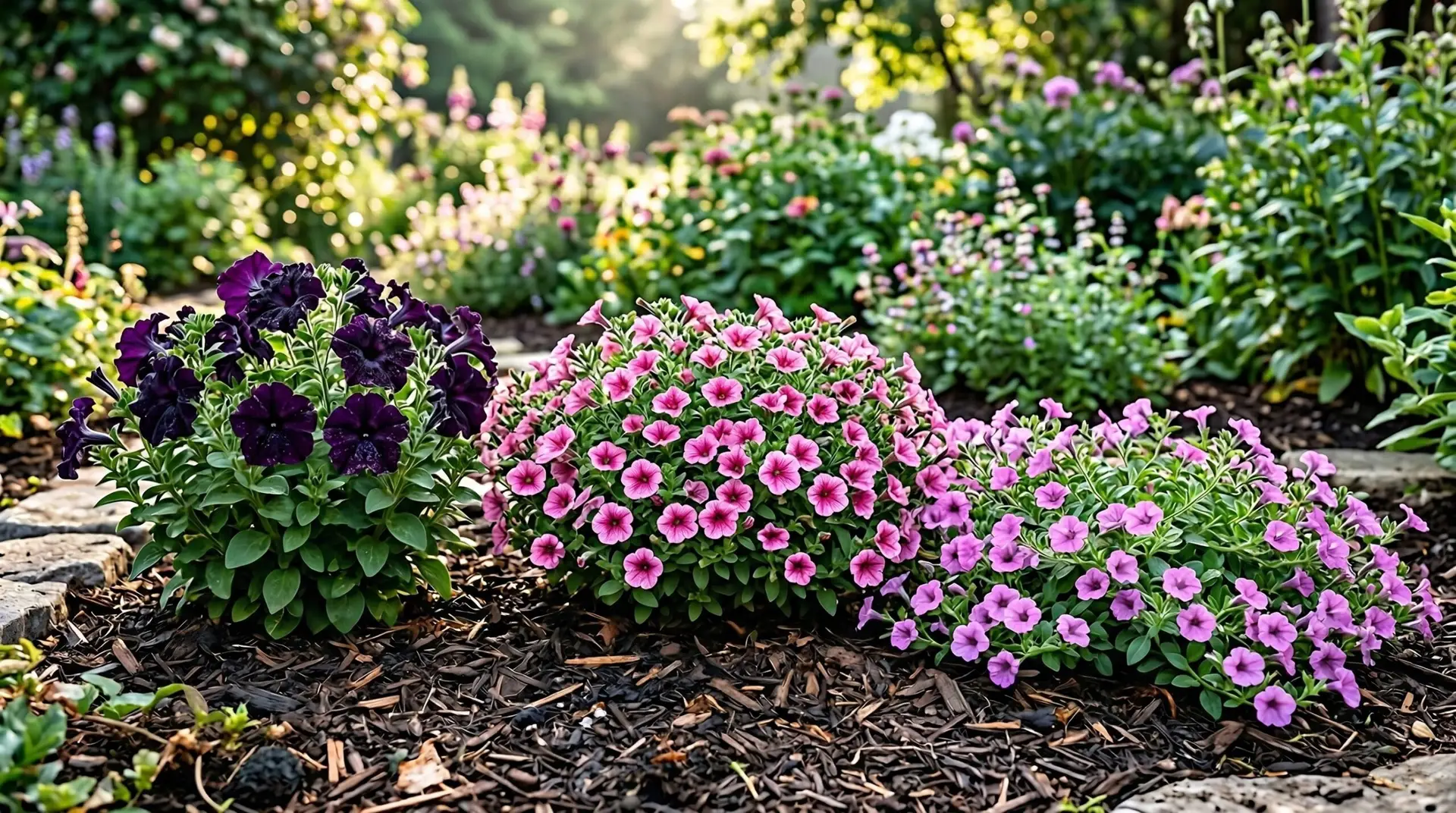
Petunias belong to the Solanaceae family, making them close relatives of tomatoes and potatoes, a fact that becomes obvious when you handle their slightly sticky, scented foliage. I have watched these plants evolve from the simple, upright garden varieties of the mid-twentieth century into the aggressive, trailing hybrids that now dominate commercial horticulture. They are technically tender perennials in frost-free zones, but we cultivate them universally as summer annuals because they grow rapidly and flower continuously under the right conditions. Growing petunias successfully requires understanding that they are high-energy plants demanding ample sunlight, consistent moisture, and significant nutritional support. When you provide this foundation, they become a reliable workhorse in the garden, capable of filling large empty spaces and cascading thickly over the edges of elevated planters.
Understanding petunia classes and growth habits
Horticulturists generally divide petunias into four main categories based on their flower size and growth habit, and choosing the right one dictates your success. Grandiflora petunias produce the largest individual blooms, sometimes reaching four inches across, which makes them highly visible from a distance. However, these large blossoms are highly susceptible to rain damage, often turning into a mushy mess after a summer thunderstorm, making them better suited for protected patios or covered porches. Multiflora types have smaller flowers but produce them in much greater quantities on plants with a naturally compact, mounding habit. These multifloras bounce back quickly from harsh weather and require less frequent deadheading, the practice of removing spent blooms to prevent the plant from putting energy into seed production. Spreading or trailing petunias, which include the famous Wave series, grow vigorously outward rather than upward, sometimes covering three feet of ground from a single root system. These spreading varieties have completely changed how we plant hanging baskets and large retaining walls, though their aggressive root systems will quickly choke out less vigorous companions.
Site selection and soil preparation for optimal growth
Petunias require a minimum of six hours of direct, unfiltered sunlight each day to maintain a tight growth habit and produce continuous flowers. If you plant them in partial shade, the stems will stretch toward the light, resulting in a leggy plant with long gaps between the leaves and very few blossoms. Soil chemistry plays a surprisingly large role in petunia health, specifically regarding the availability of iron in the root zone. They prefer a slightly acidic soil pH between 6.0 and 6.5, and when the pH climbs above 7.0, the plants frequently develop iron chlorosis, a condition where the newer leaves turn yellow while the veins remain dark green. You can correct high pH in garden beds by incorporating elemental sulfur or peat moss before planting, while container growers should use a high-quality commercial potting mix that is naturally pH-balanced. For garden beds with heavy clay, you must amend the soil heavily with compost to improve drainage, as petunia roots will rot quickly in standing water. If your garden receives full sun but suffers from poor drainage, you might have better success planting a rugged marigold in those specific spots while keeping your petunias elevated in pots.
Watering strategies and heavy feeding requirements
The most common mistake gardeners make with petunias is underestimating their appetite for both water and fertilizer during the peak of summer. A mature trailing petunia in a ten-inch hanging basket will often consume its entire available water supply in a single hot day, requiring daily or even twice-daily irrigation. You should water deeply until moisture drains from the bottom of the pot, which encourages the roots to grow downward rather than remaining near the hot surface of the soil. Because frequent watering leaches nutrients out of the potting mix, you must replenish those nutrients regularly to keep the plant from stalling. I recommend incorporating a slow-release granular fertilizer into the soil at planting time, followed by a supplemental liquid feed every ten to fourteen days once the plant reaches its mature size. Without this constant supply of nitrogen and potassium, the lower leaves will yellow and drop, leaving bare stems at the center of the plant. If your climate is exceptionally hot and dry, pairing petunias with a heat-tolerant verbena in mixed containers can help create a dense canopy that shades the soil and reduces evaporation.
Managing common pests and midsummer maintenance
Even with perfect soil and nutrition, petunias often experience a period of exhaustion by late July or early August, a phase growers refer to as the midsummer slump. The plants become elongated, flowering slows down, and the stems look woody and tired from months of rapid growth. The most effective remedy is a hard pruning, where you cut the entire plant back by one-third to one-half of its length. This aggressive haircut removes the oldest, least productive growth and forces dormant buds along the lower stems to break and form fresh branches. Within two weeks of this pruning, followed by a heavy application of liquid fertilizer, the plant will flush out with new foliage and a fresh crop of flowers that will last until the first hard frost. During this time, you should also monitor for the tobacco budworm, a small green caterpillar that bores directly into the unopened flower buds and ruins the display. You can usually manage these caterpillars by applying Bacillus thuringiensis, a biological control that targets only caterpillars, applied in the early evening when the pests are most active.
Growing petunias successfully over a long season requires a commitment to observation and timely intervention. You must watch the foliage for signs of nutritional deficiency and be willing to cut the plants back severely when they lose their shape. If your garden includes heavily shaded areas where petunias simply will not perform, you can rely on an impatiens planting to provide similar continuous color without the need for intense sunlight. For your sun-drenched beds and baskets, establish a strict watering and feeding schedule from the day you put the young transplants into the soil. As the season progresses, pinch back any stems that begin to outgrow their neighbors to maintain a balanced, full shape across the entire plant. By treating petunias as the heavy-feeding, high-energy plants they are, you will easily sustain their flowering capacity from the first warm days of spring right up until the autumn freeze.
More About Petunia
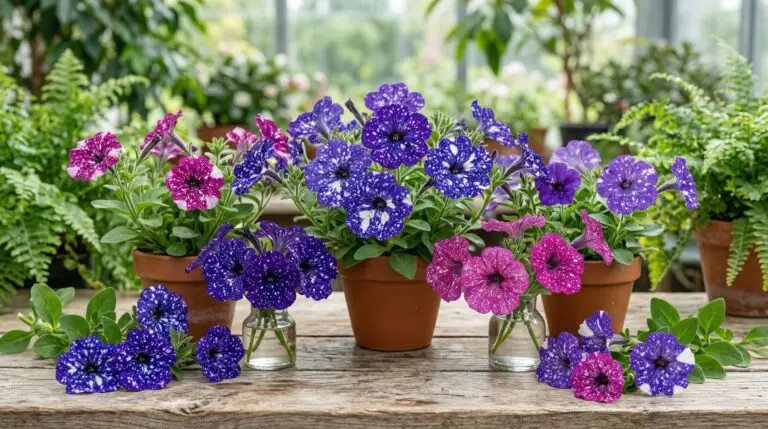
Night Sky petunia and the novelty varieties that look like galaxy flowers
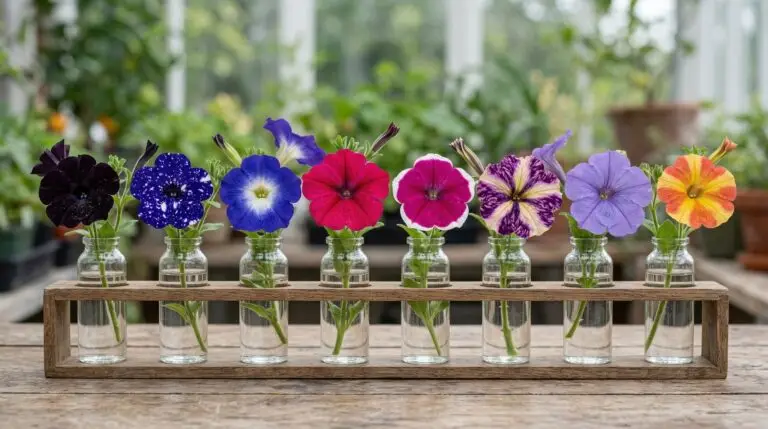
Supertunia and Surfinia versus regular petunias and why branded varieties outperform
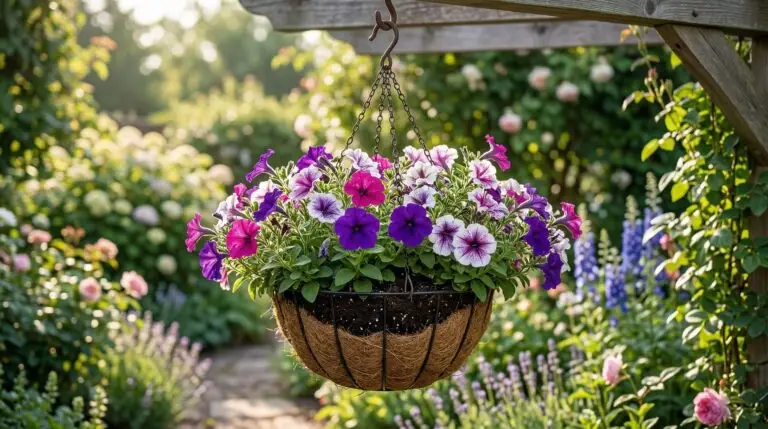
Growing petunias in hanging baskets for cascading waterfalls of summer color
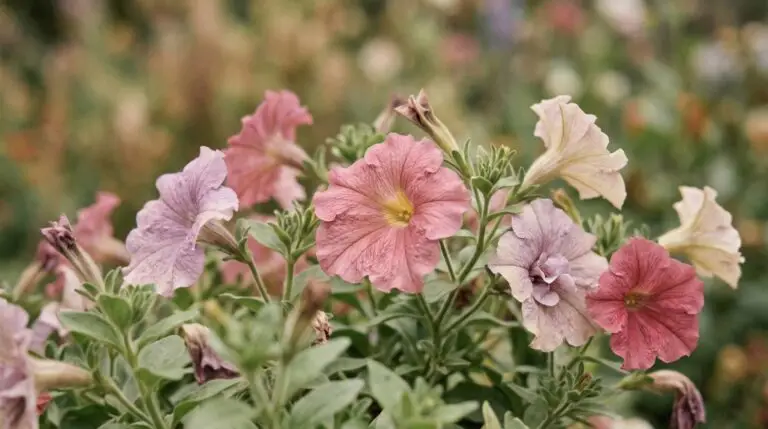
Petunia flower meaning and why this humble bloom represents desire and comfort
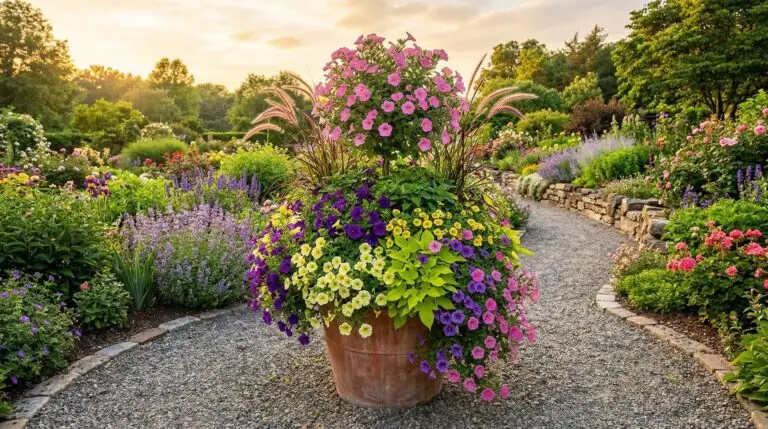
Companion plants for petunia: what to grow and what to avoid
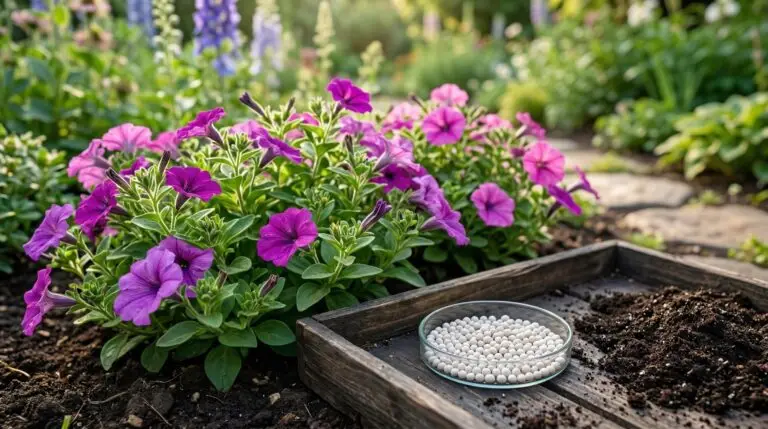
Growing petunias from seed and the tiny seeds that need light and patience to germinate
Why petunias get leggy and scraggly by midsummer and the hard cutback that saves them