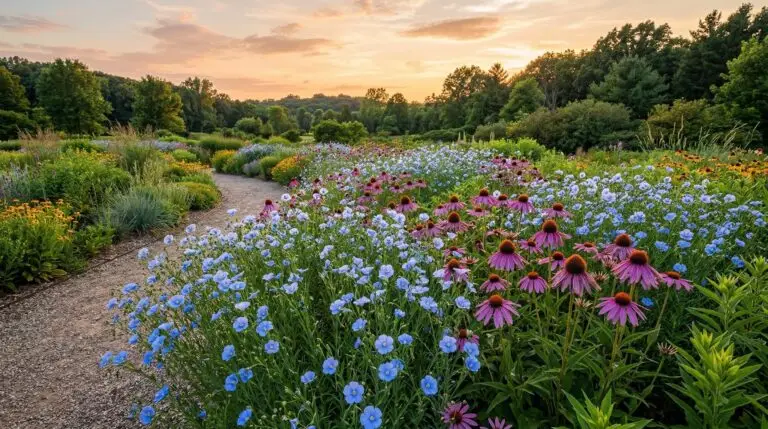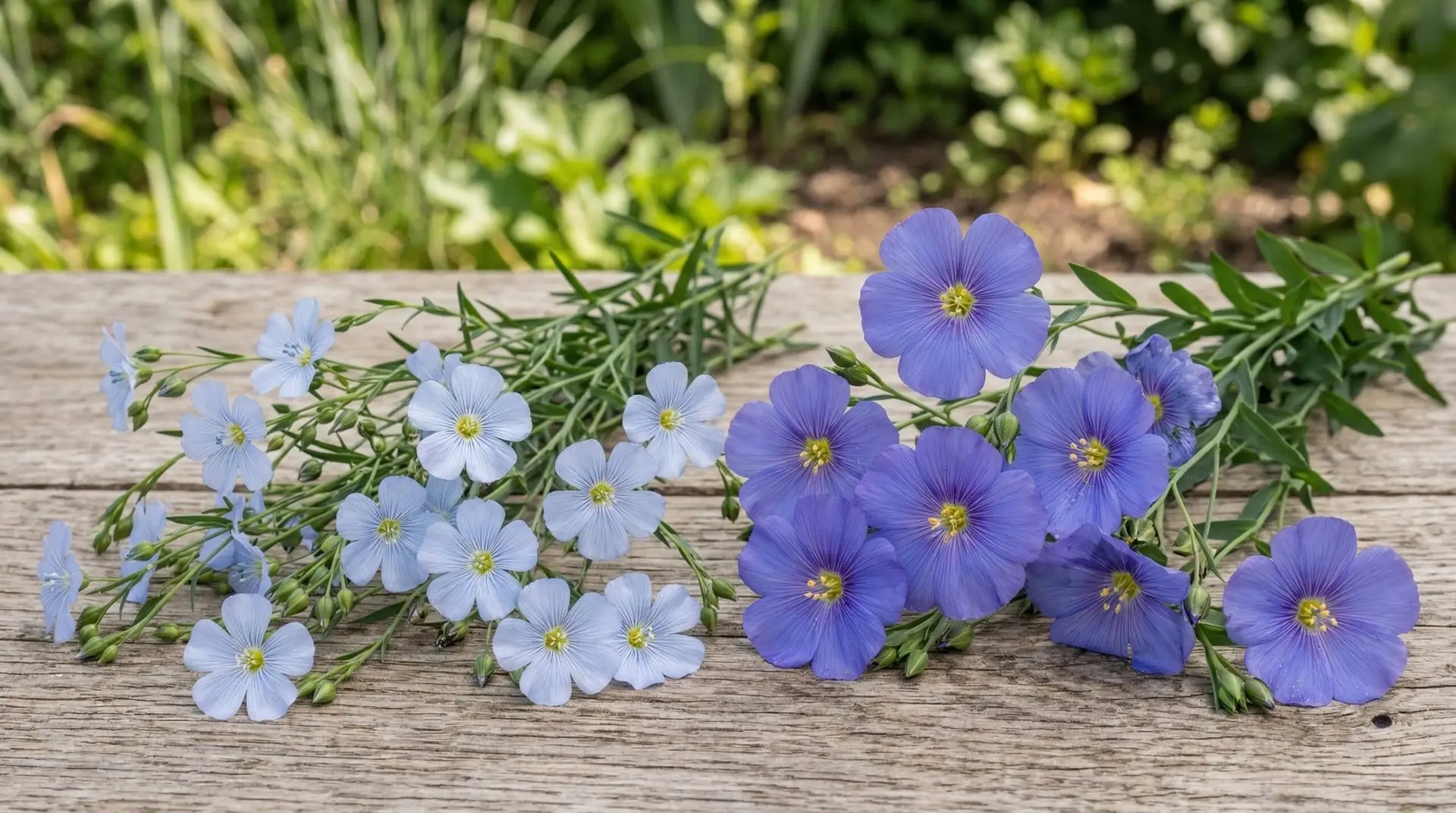
When you decide to add the delicate, sky blue blooms of flax to your garden, you immediately face a confusing choice at the seed rack. Two distinct plants share the common name of blue flax, and they look nearly identical to the untrained eye. On one side is Lewis flax, a North American native species with deep historical roots. On the other side is perennial blue flax, a European species that dominates commercial wildflower seed mixes. The decision between linum lewisii vs perenne comes down to your gardening goals, your local ecosystem, and how much effort you want to put into sourcing seeds. Both plants offer wiry stems and daily flushes of short lived morning flowers, but their ecological footprints differ significantly.
Understanding the distinction matters because the gardening industry frequently mixes up these two species. You might buy a packet labeled as native blue flax only to find the scientific name points to the European variety. If your goal is simply to fill a dry, sunny patch with blue flowers, either plant will perform beautifully. If you are trying to support local pollinators or restore a native prairie habitat, planting the correct species becomes much more critical. Making an informed choice requires looking closely at the subtle differences in their origins, growth habits, and ecological roles.
Understanding Lewis flax and its native roots
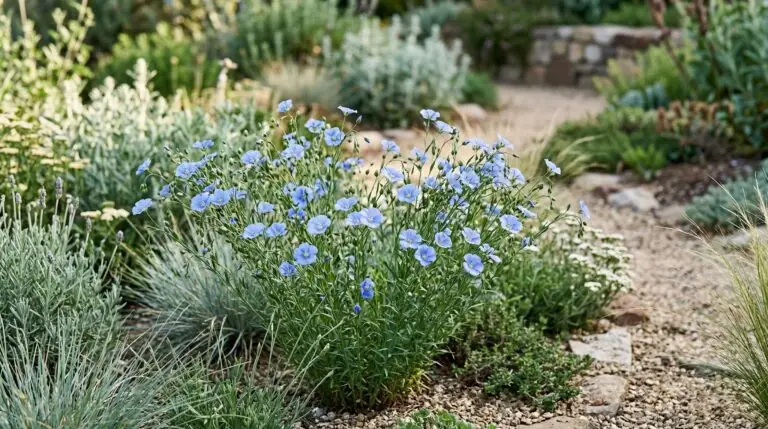
Lewis flax carries the botanical name Linum lewisii, honoring the explorer Meriwether Lewis who documented the plant during the Lewis and Clark expedition in the early nineteenth century. This native wildflower ranges across the western and central United States, thriving in dry meadows, rocky slopes, and open woodlands. The plant grows one to three feet tall, producing slender, graceful stems that sway easily in the wind. Its flowers are a pale, clear sky blue with five delicate petals that open wide in the morning sunlight. These blooms are highly attractive to native bees and other specialized pollinators that evolved alongside the plant. By afternoon, the petals usually drop, but the plant continuously produces new buds for a bloom period that lasts from late spring through midsummer.
Growing Lewis flax connects your garden directly to the natural heritage of the North American landscape. This species is deeply adapted to regional climate extremes, including harsh winters and prolonged summer droughts. It prefers lean, well drained soils and actually suffers if given too much fertilizer or rich compost. As a garden subject, it pairs beautifully with other drought tolerant natives like coneflower, creating a resilient and low maintenance planting scheme. The native blue flax relies on a unique reproductive strategy called heterostyly, meaning it produces two different types of flowers to ensure cross pollination. This biological quirk makes it an excellent participant in a diverse, living ecosystem rather than just a static garden display.
The case for perennial blue flax
Perennial blue flax, scientifically known as Linum perenne, originates in Europe and parts of Asia. It was introduced to North America as an ornamental garden plant and quickly gained popularity for its hardiness and reliable floral display. Visually, it is so similar to the native variety that even experienced botanists sometimes need a magnifying glass to tell them apart. The European species frequently produces flowers in a slightly deeper, more intense shade of blue, though color variations exist in both plants. It grows to roughly the same height of one to two feet and shares the same wiry, delicate appearance. Because it has been cultivated for so long, seed companies have developed a highly reliable supply chain for this specific species.
The widespread availability of Linum perenne makes it the default choice for many casual gardeners and municipal planting projects. If you pick up a generic box of wildflower seeds at a hardware store, you are almost certainly buying the European species. It establishes quickly from direct sowing and provides a fast return on your investment with a heavy crop of blue flowers in its second year. The plant tolerates a wide range of soil conditions, though it shares the native variety’s preference for good drainage. While it lacks the historical and ecological pedigree of Lewis flax, it remains a highly effective plant for adding cool tones to a hot, sunny border. It looks particularly striking when massed together or allowed to weave through larger, bolder perennials like lupine in a cottage garden setting.
Comparing growth habits and garden performance
When you compare linum lewisii vs perenne side by side in the garden, their daily behaviors are remarkably similar. Both plants are early risers, opening their blooms at dawn and shedding them as the heat of the day sets in. They both possess a deep taproot, which makes them highly drought resistant but very difficult to transplant once established. Both species are relatively short lived perennials, typically surviving for three to five years before fading away. To maintain a constant presence in the garden, both rely heavily on dropping seeds to produce the next generation of plants. The difference lies in how aggressively they pursue this reseeding strategy in a North American climate.
The European Linum perenne tends to be a much more prolific self seeder in typical garden conditions. In some regions, particularly in the western United States, it escapes cultivation and establishes itself in wild areas, outcompeting native vegetation. Lewis flax behaves much more politely in its home territory, integrating into the existing plant community without taking over. If you garden in a region where invasive plants are a severe concern, the native species is the safer and more responsible choice. On the maintenance front, neither plant requires deadheading, as the continuous production of flowers makes the practice unnecessary and tedious. You simply let the plants form their small, round seed capsules, which add a subtle textural interest to the late summer garden.
Making the right choice for your garden
Choosing between these two blue flax species ultimately requires you to weigh your ecological goals against your budget and shopping convenience. If you want to build a strict native plant garden that supports local wildlife, you must seek out true Linum lewisii. You will likely need to order seeds from a specialized native plant nursery, as mainstream garden centers rarely carry the authentic native species. Ordering from a specialist ensures you get the right plant and often allows you to buy seeds sourced from your specific geographic region. The extra effort pays off when you see native solitary bees visiting the pale blue flowers on a warm June morning. You also gain the peace of mind knowing your garden will not spread non-native species into nearby wildlands.
If you have a small urban garden far from wild natural areas, the European perennial blue flax might fit your needs perfectly. It is an excellent choice for gardeners who want a quick, inexpensive splash of blue in a difficult, dry spot like a curbside strip or a rock wall. You can find the seeds easily, sow them with minimal preparation, and enjoy the results with very little ongoing maintenance. For those creating a general ornamental landscape rather than a habitat restoration, Linum perenne delivers exactly what it promises. You just need to be mindful of its reseeding habits and pull up any unwanted seedlings that wander into neighboring garden beds. By understanding the true nature of both plants, you can select the blue flax that best matches your specific gardening philosophy and local environment.
More About Blue Flax
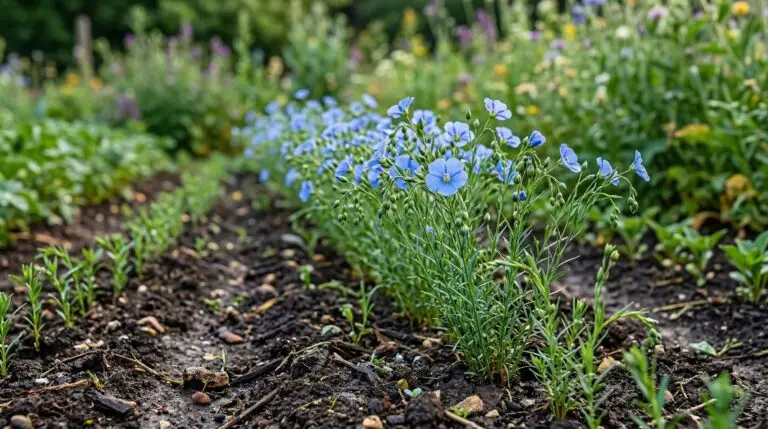
How to grow blue flax from seed for a low maintenance wildflower meadow
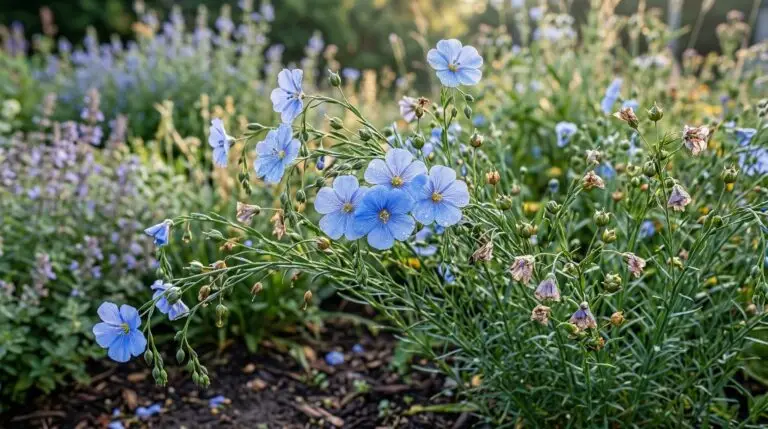
Why blue flax flowers only last one day and why that is actually a good thing
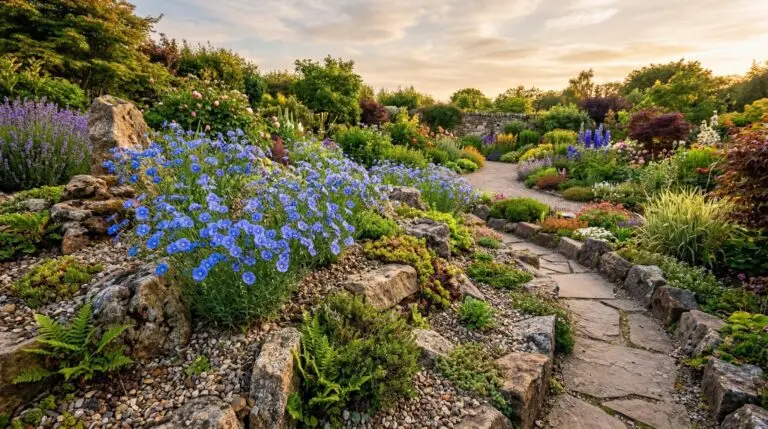
Blue flax in rock gardens and gravel pathways for a natural alpine look
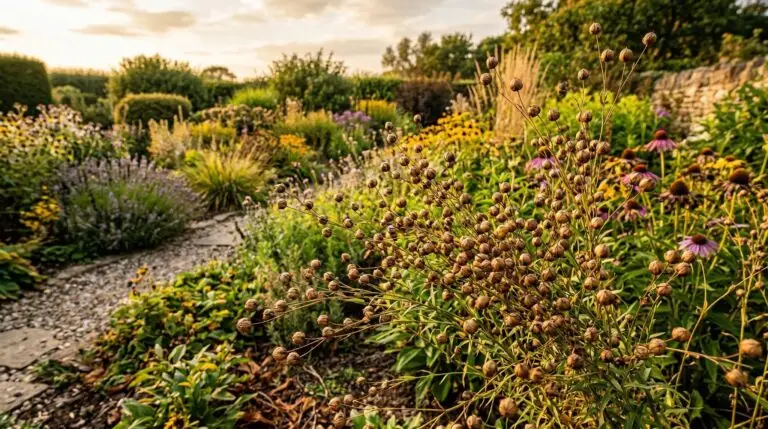
How to collect and save blue flax seeds for planting next season
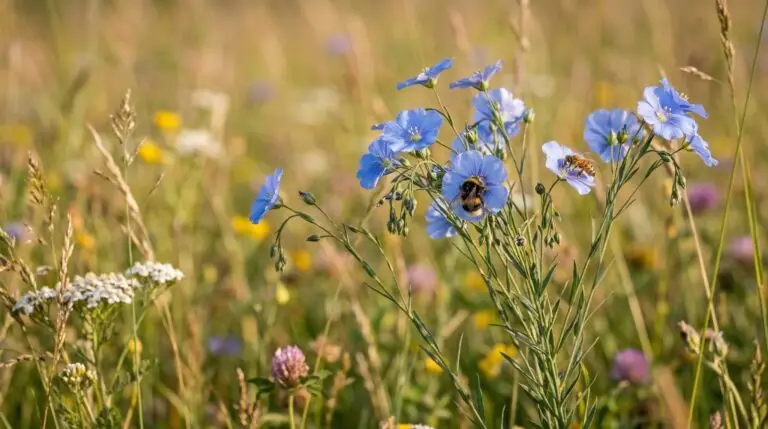
Blue flax for pollinator gardens attracting native bees and beneficial insects
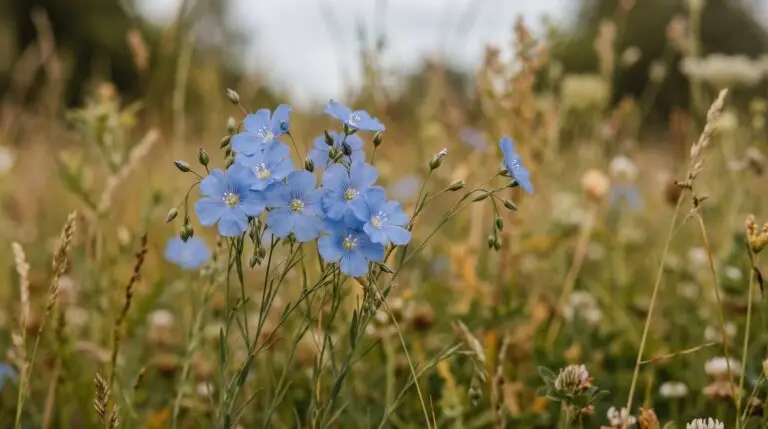
The history of flax from ancient linen production to ornamental garden flower
Blue flax for xeriscaping and drought-tolerant gardens that still look beautiful