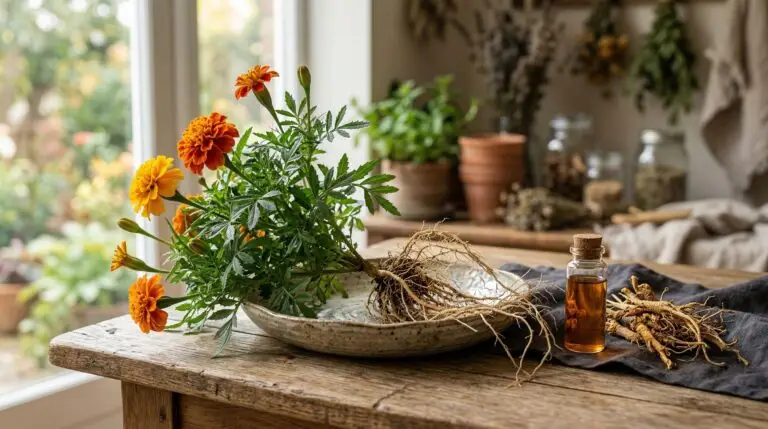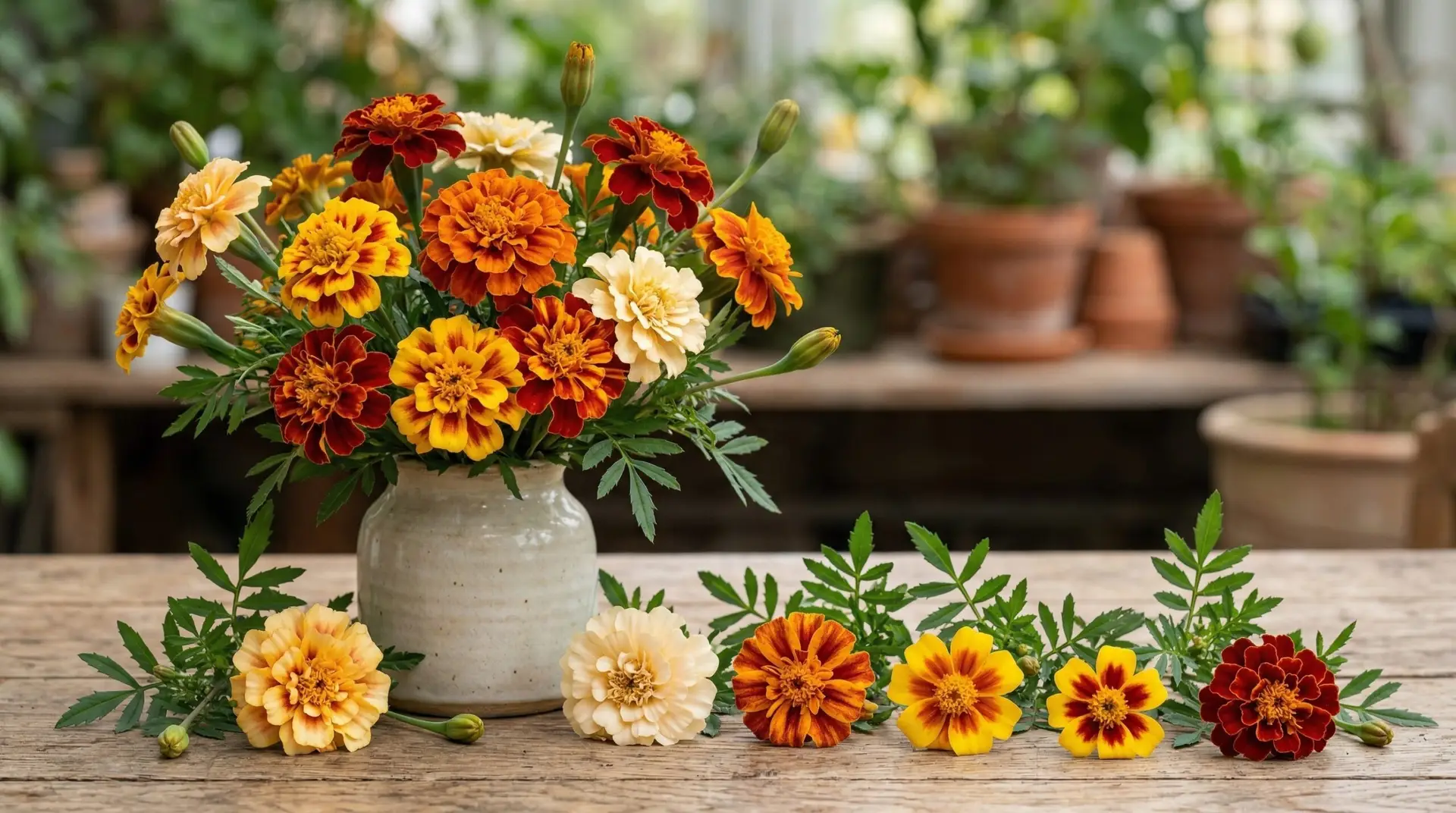
When most gardeners think of marigolds, they picture anonymous plastic market packs sitting outside a hardware store. These generic bedding plants often deliver inconsistent heights, muddy colors, and a tendency to exhaust themselves before the end of August. The genus Tagetes contains far more potential than these unnamed mixes suggest. By looking past the standard retail offerings and selecting specific named varieties, you can grow plants that serve highly specialized roles in the garden. A thoughtfully chosen marigold provides reliable architecture, specific bloom forms, and even culinary value. Rather than trying to catalog every available hybrid, this guide focuses on a few exceptional varieties across the three main types of marigolds that genuinely deserve space in your beds.
The cultivated marigold world divides cleanly into three primary categories, each offering a distinct growth habit and flower structure. African marigolds produce tall, thick stems topped with massive, tightly ruffled spheres. French marigolds stay close to the ground, offering dense, bushy foliage and smaller, often bicolored flowers. Signet marigolds break the mold entirely with lacy, citrus-scented leaves and hundreds of tiny, single-petaled blossoms. Many guides recommend mixing all three types indiscriminately, but in practice, they require entirely different placements to succeed. Selecting the right plant means matching the specific structural traits of the variety to the exact job you need it to perform.
The dependable architecture of African types
For pure visual weight and structural reliability, the African marigold ‘Antigua’ series stands entirely apart from older, weaker strains. Older tall varieties often suffer from weak necks, meaning their heavy blooms snap off after a heavy summer rainstorm. Breeders developed the ‘Antigua’ line specifically to solve this problem by shortening the internodes and thickening the main stalks. The plant builds a stout, heavily branched base before producing perfectly round, densely packed double flowers that easily reach three inches across. Because the stems are so rigid, the plant requires no staking even when fully loaded with blossoms. If you need a solid, unbroken line of yellow or orange in the middle of a border, this variety delivers better weather resistance than almost anything else available.
While ‘Antigua’ excels in compact strength, the ‘Inca’ series offers a slightly taller profile that works exceptionally well for cut flower production. ‘Inca’ plants routinely reach three feet in height, producing long, straight stems that strip easily for arranging in a vase. The blooms are just as massive as the ‘Antigua’ line but sit higher above the foliage canopy. Many catalogs push newer, supposedly improved tall hybrids every year, but ‘Inca’ remains the gold standard for consistent stem length and bloom size. You might typically rely on a zinnia for summer cutting material, but a row of ‘Inca’ marigolds provides a similar yield with significantly less susceptibility to powdery mildew. Planting them tightly together in a dedicated cutting bed forces the stems to stretch even further, maximizing your harvest of long-lasting, heavy blooms.
Refined performance in French varieties
Moving to the front of the border, French marigolds require a completely different set of performance metrics to earn their keep. The common failing of generic French types is a tendency to open up in the center and sprawl outward as the season progresses, leaving an untidy, hollow middle. The ‘Bonanza’ series avoids this structural collapse entirely by maintaining a tight, mounding habit from early summer through the first hard frost. These plants reach about a foot tall and wide, producing deeply saturated, crested double blooms that arrive weeks earlier than most competing varieties. The uniformity of the ‘Bonanza’ line is unmatched, meaning a row of twenty plants will grow to the exact same height and width without erratic outliers. This absolute predictability makes them the superior choice for outlining a vegetable garden or defining the edge of a formal pathway.
The color retention in the ‘Bonanza’ series also deserves specific attention from anyone planning a high-sun garden. Many bi-colored French marigolds, particularly those with mahogany and yellow stripes, fade to a muddy rust color under intense July heat. The ‘Bonanza’ flowers hold their sharp, contrasting patterns even during prolonged periods of drought and high temperatures. They also drop their spent petals cleanly, which prevents the gray mold issues that frequently plague older French varieties in humid climates. Where a cosmos might offer an airy, transparent quality to a planting scheme, ‘Bonanza’ provides an essential visual anchor with its dense, opaque presence. This solid block of color grounds the front of a bed and visually supports the taller, looser plants behind it.
The culinary and aromatic appeal of signets
The most frequently overlooked category of the genus is the signet marigold, and the variety ‘Lemon Gem’ represents the absolute pinnacle of this group. Unlike the heavy, double blooms of the African and French types, ‘Lemon Gem’ produces hundreds of simple, five-petaled yellow flowers. The foliage is equally distinct, featuring finely cut, fern-like leaves that release a bright lemon scent when brushed against. This clean citrus aroma is a welcome departure from the sharp, pungent smell that makes traditional marigolds unpopular with some gardeners. The plant grows into a perfect, airy dome that weaves beautifully around the bases of taller, stiff-stemmed perennials. It completely redefines the expectations associated with the genus, offering a delicate texture that feels far more refined than a standard bedding plant.
Beyond its visual appeal, ‘Lemon Gem’ possesses a genuine culinary value that sets it apart from other ornamental varieties. While all marigolds are technically non-toxic, the petals of the signet types actually taste good, offering a mild citrus flavor with hints of tarragon. Chefs frequently use the tiny, single blooms whole to garnish summer salads or float in cold soups. You can pull the petals individually to mix into softened butter or freeze them whole into ice cubes for summer drinks. Because the plant produces such a staggering volume of flowers, harvesting heavily for the kitchen only encourages more buds to form. Treating ‘Lemon Gem’ as both an ornamental edging plant and a working culinary herb maximizes the utility of your garden space.
The curator’s choice
If forced to select just one variety to grow this season, ‘Lemon Gem’ stands out as the most rewarding choice for a thoughtful gardener. The heavy double blooms of ‘Antigua’ and the precise uniformity of ‘Bonanza’ are excellent tools for specific landscape problems. However, ‘Lemon Gem’ offers a rare combination of delicate texture, pleasing fragrance, and culinary utility that you cannot find in standard garden center offerings. It challenges the assumption that marigolds must be stiff, heavy, and purely functional companion plants. Growing this specific signet variety elevates a common garden staple into something unexpected and highly versatile. It proves that careful selection within a familiar genus can completely change your experience of a plant.
More About Marigolds
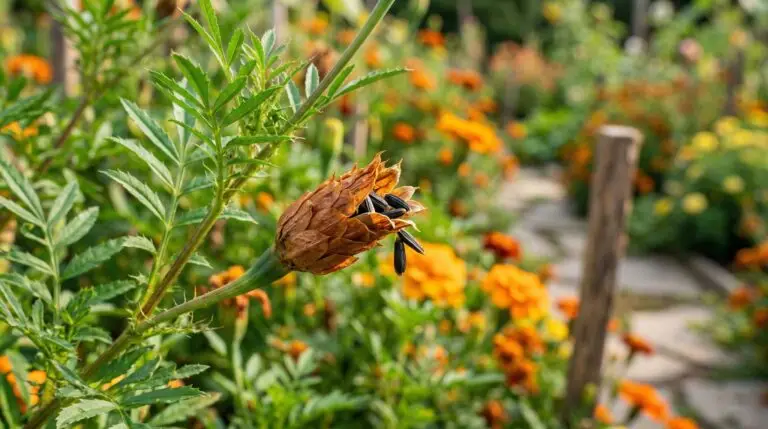
Growing marigolds from seed so easily that children can do it on their first try

Marigold meaning, from the sun and celebration to Victorian grief
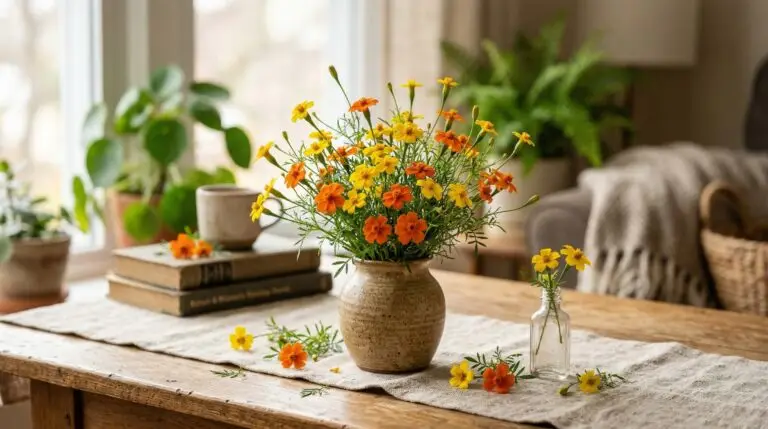
Signet marigolds for edible flowers that taste like citrus in salads and cocktails
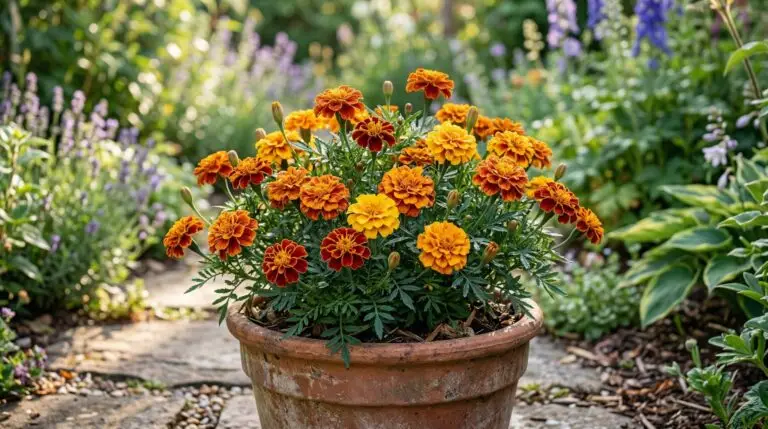
Marigolds in containers and window boxes for instant summer curb appeal
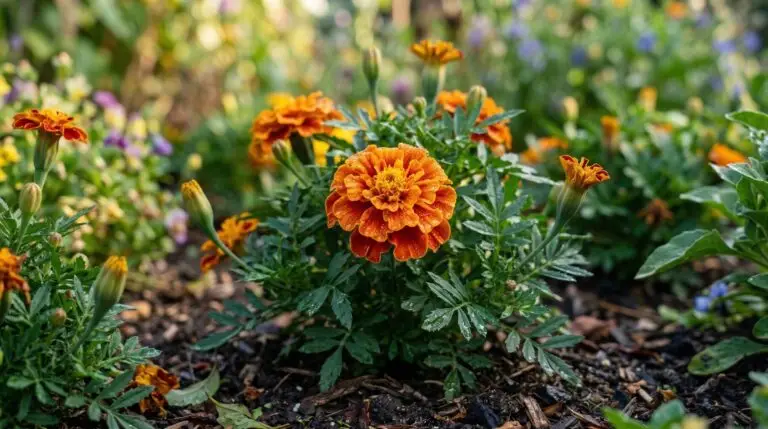
How to grow marigolds for bulletproof color from planting day to first frost

Companion plants for marigolds in beds that combine cheerful colors with purpose