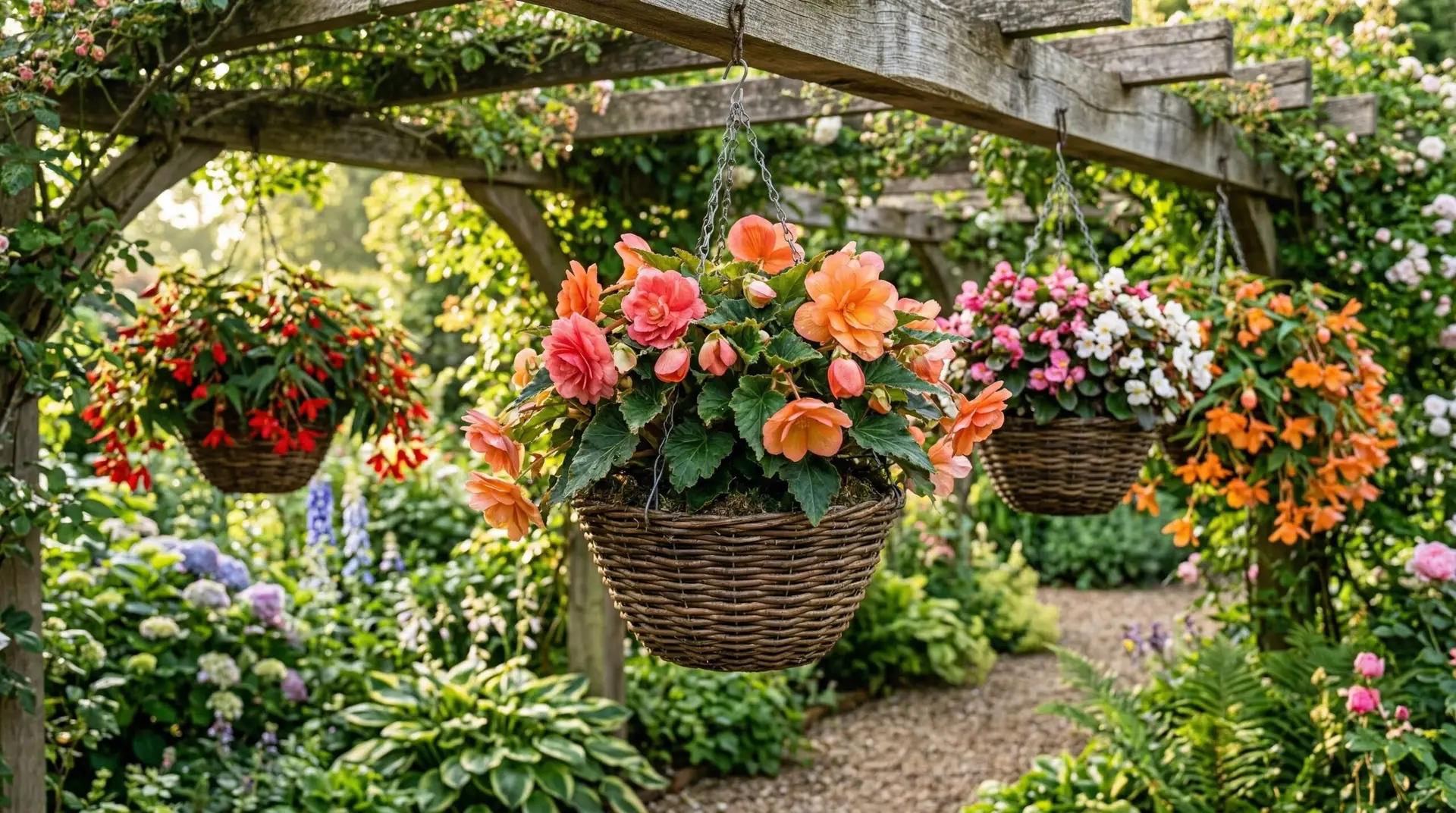
Spring garden centers always hang heavy, blooming baskets right at the entrance to catch the eye of shoppers walking through the doors. Buying one of those fully grown baskets is an expensive habit, but creating a tuberous begonia hanging basket at home is surprisingly affordable and rewarding. The secret to getting that spilling, waterfall effect is choosing the right type of tuber and giving it a head start indoors while the ground outside is still frozen solid. A cascade begonia, specifically bred to trail rather than stand upright, will easily fill a container by midsummer if given the right conditions. Learning to grow these from dry, ugly little tubers feels like a leap of faith the first time, but the payoff is a shady porch filled with color from July until the first frost.
Gardeners in the South may find growing these a bit challenging during the peak of summer heat, because tuberous begonias prefer mild, humid weather and will drop their flowers if temperatures stay above ninety degrees for too long. In northern zones, the challenge is entirely different, requiring a long indoor head start to get any meaningful bloom time before autumn arrives. The trailing stems are brittle and snap easily in heavy winds, so finding a protected spot under an eavesdrop or on a covered porch helps prevent damage. They thrive in bright, indirect light or dappled morning sun, much like impatiens, making them excellent choices for those tricky shaded areas where sun-loving plants struggle. The effort of finding the proper location pays off once the heavy, double blooms start weighing down the stems and spilling over the edges of the pot.
Selecting the right basket and pendula varieties
The type of container matters just as much as the soil when putting together a begonia hanging basket for the summer. Wire baskets lined with coco coir look natural and provide excellent drainage, but they dry out incredibly fast during a dry spell and require daily checking. Standard plastic hanging pots retain moisture much better, which is helpful for busy gardeners, though you must ensure the drainage holes at the bottom are actually punched out and functioning. When shopping for tubers, look specifically for packages labeled as pendula or trailing, as standard upright varieties will just grow straight up and look awkward in a suspended pot. The tubers themselves look like hairy, dark brown bowls, and you want to pick firm ones that show no soft spots or white mold. Buying the largest tubers available usually results in the biggest plants, though even the smaller, cheaper ones will put on a good show by the end of the season.
Starting tubers indoors before the last frost
Starting tubers indoors takes patience because they often sit in the dirt doing absolutely nothing for what feels like an eternity. About eight weeks before the last expected frost, fill a shallow tray or individual small pots with a lightweight, slightly damp potting mix. The most confusing part for beginners is figuring out which way is up, but you just need to remember that the hollow, concave side faces the ceiling, and the rounded side goes down into the soil. Press them gently into the mix so they are only half buried, leaving the hollow top completely exposed to the air to prevent water from pooling inside and causing rot. Place the tray in a warm spot, ideally around seventy degrees, and keep the soil barely moist until little pink buds start to form in the hollow center. The seedlings look dead for about two weeks after transplanting them into their final outdoor baskets, but they are just focusing their energy on root growth before pushing out new leaves.
Soil mix, watering routines, and regular feeding
Watering a cascade begonia requires finding a careful balance between keeping the roots hydrated and avoiding the dreaded stem rot that ruins so many plants. The soil should feel like a wrung-out sponge, damp to the touch but never soggy or sitting in a saucer of leftover water. It is always better to wait until the top inch of soil feels dry before watering again, especially during cool or cloudy stretches when the plant is not using as much moisture. When watering, aim the spout directly at the soil rather than wetting the leaves or the center of the tuber, as water trapped in the stems invites fungal diseases. A simple trick is to lift the hanging basket slightly with one hand; if it feels unusually light, it is time to water, but if it still has some heft, leave it alone for another day.
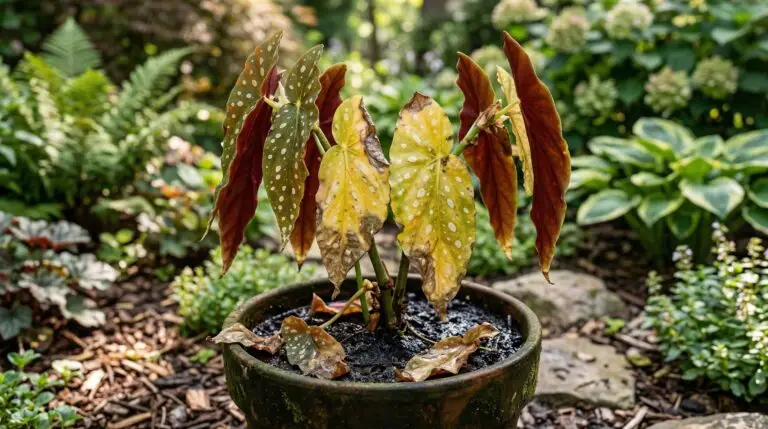
Heavy blooming requires consistent food, but tuberous begonias have sensitive roots that easily burn if given too much fertilizer at once. A basic, inexpensive water-soluble fertilizer mixed at half the recommended strength works well when applied every other week throughout the growing season. Unlike a petunia that demands heavy, constant feeding to keep pushing out flowers, begonias prefer a lighter touch and will produce fewer blooms if given too much nitrogen. The leaves will tell you if the feeding schedule is off; pale yellow foliage usually means the plant is hungry, while dark green leaves with crispy brown edges indicate fertilizer burn. Stop feeding entirely by late August to let the plant naturally slow down and prepare for dormancy as the days start getting shorter.
Overwintering tubers for the next season
One of the best parts of growing these plants is that you do not have to buy new tubers every spring if you take the time to save them. When the first light frost hits in autumn, the foliage will turn black and collapse, which is the signal to bring the basket into a garage or shed. Stop watering completely and let the soil dry out until the thick, fleshy stems shrivel up and detach easily from the tuber with a gentle tug. Never cut or force the stems off while they are still green, as the open wound is an open invitation for rot to destroy the tuber during winter storage. Dig the tubers out of the dry soil, brush off the excess dirt with your thumbs, and let them sit on a piece of newspaper in a cool room for a week to cure and harden their outer skin.
Storing the cured tubers is a simple process, requiring nothing more than a cardboard box or a brown paper grocery bag and some dry peat moss. Layer the tubers in the peat moss so they are not touching each other, and place the box in a dark, cool spot that stays around fifty degrees, like an unheated basement or a cool closet. Check on them once a month during the winter just to make sure they are not shriveling into hard little rocks or turning to mush. If they look too dry, a single, light misting of water over the peat moss is enough to keep them viable until spring. Accept that a few tubers will inevitably rot or dry out in storage no matter how careful you are, but the ones that survive will grow back larger and produce an even heavier display of flowers the next year.
More About Begonia
How to propagate begonias from leaf cuttings and stem cuttings step by step
Best begonia varieties for shade gardens that add color where sun rarely reaches
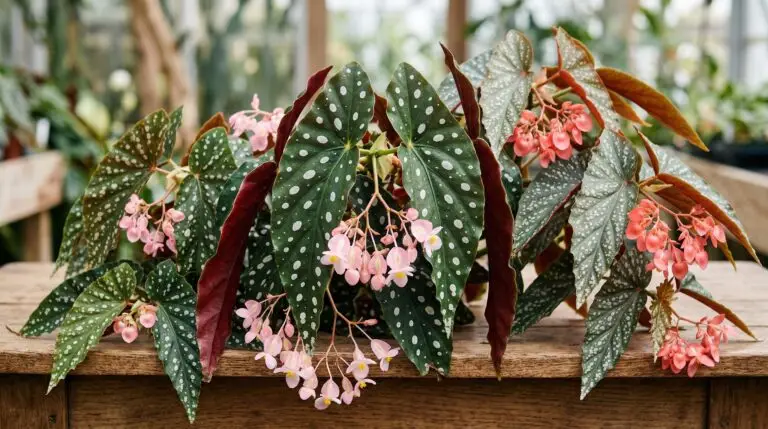
Angel wing begonias as statement houseplants with polka dot leaves and hanging clusters
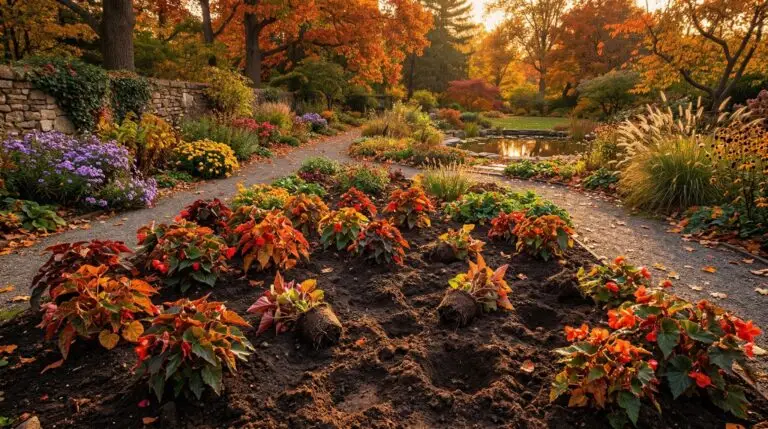
How to overwinter begonia tubers and bring them back bigger next summer
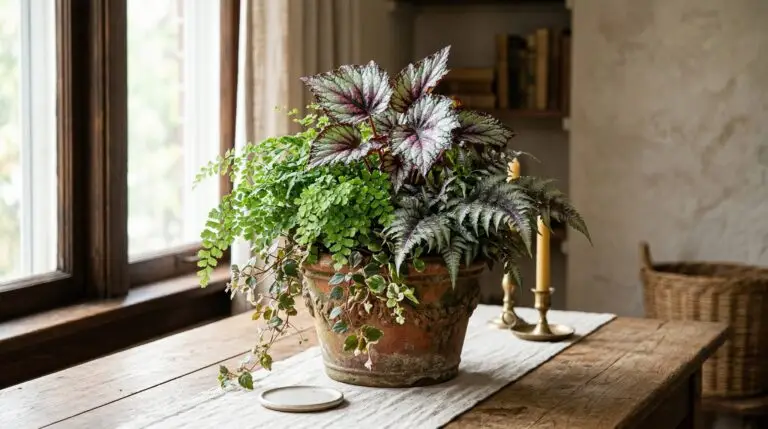
Begonia container combinations that look gorgeous on a shaded front porch
Begonia flower meaning and the Victorian message of caution and gratitude
Why begonia leaves are curling dropping or developing brown spots