Selecting an azalea for your garden requires more than picking a pretty color at the local nursery. You are looking at a massive group of plants with entirely different growth habits, climate preferences, and maintenance needs. Some varieties keep their leaves all winter, while others drop them to survive freezing temperatures. Certain types bloom once in a massive spring display, and others produce smaller flushes of flowers multiple times a year. Understanding these differences helps you avoid planting a delicate southern variety in a harsh northern climate or putting a ten-foot woodland shrub in a tiny foundation bed. Your specific climate, soil pH, and available space dictate which azalea types will actually thrive in your yard.
Deciding between evergreen and deciduous azaleas
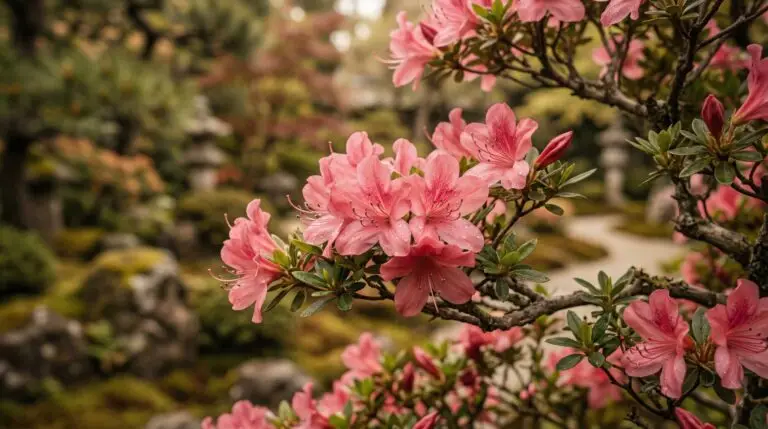
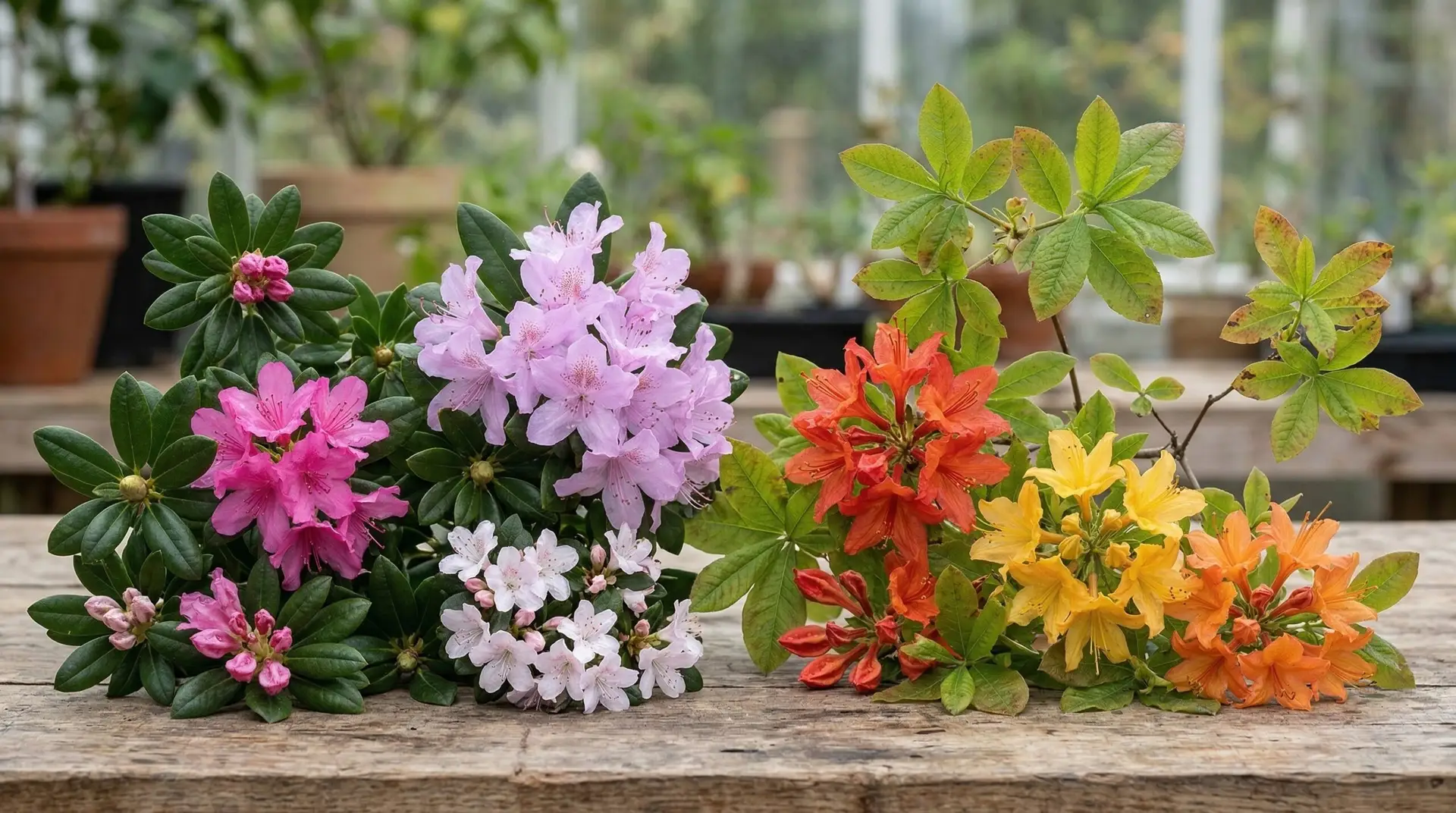
Evergreen azaleas originate primarily from Asia and provide year-round structure in the garden. These shrubs typically grow in a dense, mounded shape that works well for foundation plantings or formal borders. Their leaves are usually small, dark green, and leathery, remaining on the branches through the winter months. Most evergreen varieties perform best in USDA hardiness zones 6 through 9, though a few specialized hybrids can tolerate zone 5. The flowers cover the entire shrub in spring, creating a solid block of color in shades of pink, white, red, or purple. Because they hold their leaves, they need protection from harsh winter winds that can dry out the foliage.
Deciduous azaleas take an entirely different approach to winter survival by dropping their leaves in the fall. These shrubs often grow much taller and have a more open, upright, and branching habit than their evergreen cousins. Before the leaves fall, many deciduous varieties provide excellent autumn color in shades of yellow, orange, and red. They are generally much more cold hardy, with many varieties easily surviving winters in zone 4 or even zone 3. The flowers are typically trumpet-shaped, often highly fragrant, and appear in warm tones like bright yellow, fiery orange, and clear white. Their loose growth habit makes them look out of place in a formal clipped hedge, but they fit perfectly into a natural woodland setting.
The choice between evergreen and deciduous varieties comes down to your climate and your design goals. If you live in a cold northern zone, deciduous azaleas offer the most reliable performance and the lowest risk of winter damage. Gardeners in warmer climates often prefer evergreen types because they prevent the garden from looking bare in January. If you need a solid green backdrop for summer perennials, the dense foliage of an evergreen azalea is the better option. However, if you want a tall, graceful plant that catches the light at the edge of a tree line, the deciduous types are far superior.
Traditional spring bloomers versus reblooming varieties
Traditional spring-blooming azaleas put all their energy into one massive floral display that lasts for several weeks. These older, established varieties have been bred for decades to produce the largest possible flowers and the most intense color saturation. Once the spring bloom finishes, the shrub simply provides a quiet green presence for the rest of the year. This single bloom cycle means the plant requires very little maintenance, needing only basic watering and perhaps a light pruning right after the flowers fade. Traditional varieties also tend to grow larger over time, creating substantial mature shrubs that anchor a garden bed.
Reblooming azaleas, such as the popular Encore or Bloom-A-Thon series, offer flowers in spring, late summer, and fall. These plants produce a heavy flush of flowers in the spring, spend the early summer putting on new leafy growth, and then form new buds for a second show in autumn. To support this heavy flower production, reblooming varieties require more consistent moisture and more frequent fertilizer applications than traditional types. The individual flowers are sometimes smaller, and the spring display is often slightly less dense than what you get from a traditional single-bloomer. They also require careful timing if you need to prune, as cutting them back at the wrong time will remove the buds for the next bloom cycle.
Choosing between these bloom styles depends heavily on how much time you want to spend managing the plants. If you prefer a low-maintenance garden where plants take care of themselves, traditional spring bloomers are the clear winner. Reblooming varieties are the better choice if you have a small garden and need every plant to work hard across multiple seasons. You can also mix traditional azaleas with other flowering shrubs to extend the season naturally. For example, pairing a spring azalea with a late-blooming camellia gives you flowers at opposite ends of the year without forcing one plant to do all the work.
Evaluating native species against Asian hybrids
Asian hybrids make up the vast majority of the evergreen azaleas sold in standard garden centers. These include familiar groups like the Kurume hybrids, which stay relatively small and produce masses of tiny flowers, and the Southern Indian hybrids, which grow quite large and tolerate high heat. Breeders developed these plants specifically for their compact shape and their ability to completely cover themselves in blooms. They are highly effective when planted in large sweeps or used to line a driveway. Their main drawback is a susceptibility to certain pests like lace bugs, especially if they are planted in too much sun or suffer from drought stress.
Native American azaleas are almost entirely deciduous and offer a completely different aesthetic for the garden. Species like the Pinxterbloom azalea or the Flame azalea grow naturally in the understory of eastern forests. They have a loose, airy structure that allows you to see the branching architecture of the plant. Native azaleas offer flower colors rarely found in Asian hybrids, including deep golds, bright oranges, and pale yellows. Many of these native species also produce a strong, sweet fragrance that can perfume an entire section of the yard. They generally experience fewer pest problems than Asian hybrids, provided they are planted in the dappled shade they prefer.
The decision here often rests on the style of your garden and your tolerance for pest management. Asian hybrids look appropriate in manicured suburban landscapes where neat mounds of foliage are expected. Native azaleas look messy in a formal foundation planting but shine when allowed to grow naturally under a canopy of tall oak or pine trees. If you want fragrance and unique warm colors, you have to choose the native deciduous types. If you want a tight, controllable shape and classic pink or white flowers, the Asian hybrids are the right path.
Matching plant size and soil requirements
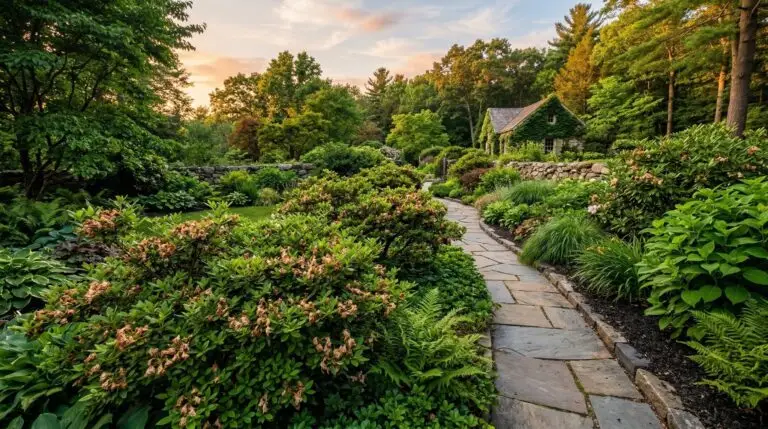
Selecting the right size azalea is crucial for long-term success and minimal maintenance. Dwarf azalea varieties usually top out at two or three feet tall, making them perfect for under windows or at the front of a border. Mid-sized types reach four to six feet and work well as informal hedges or background plants. Large varieties, particularly some native species and older Southern Indian hybrids, can easily exceed eight or ten feet in height and width. If you plant a large variety in a small space, you will spend years fighting its natural shape with constant, stressful pruning. Always read the plant tag for the mature size and believe it, spacing your plants accordingly.
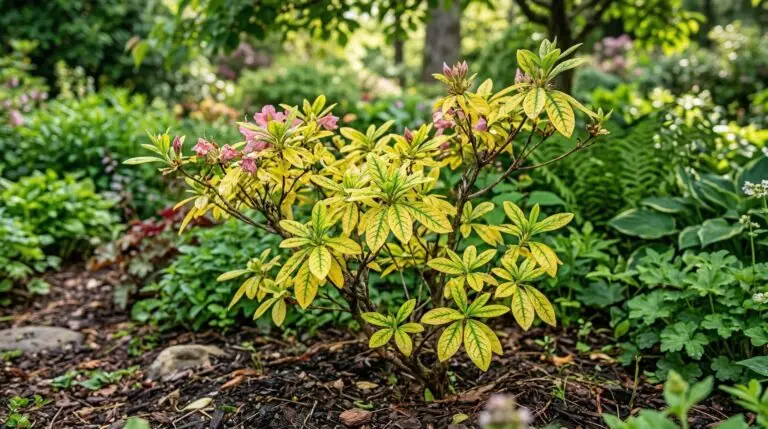
Regardless of which azalea you choose, you must provide acidic soil for the plant to survive. Azaleas require a soil pH between 4.5 and 6.0 to properly absorb nutrients through their shallow root systems. If you plant them in alkaline soil, the leaves will quickly turn yellow with green veins, a condition known as chlorosis. This strict soil requirement is exactly the same for other acid-loving plants like the classic gardenia or the popular Hydrangea macrophylla. If your native soil is highly alkaline, growing azaleas in the ground becomes a constant, expensive battle of applying soil acidifiers. In regions with alkaline clay, you are often better off growing dwarf azalea varieties in large containers filled with a specific acidic potting mix.
Finding the right azalea means looking past the flower color and evaluating your growing conditions honestly. Start by testing your soil pH to confirm you can actually support acid-loving plants without constant chemical intervention. Next, look at your hardiness zone to determine if you need the tough cold tolerance of a deciduous native or if you can safely grow a broadleaf evergreen. Measure your planting space carefully so you can select a variety that fits the area at its mature size without heavy pruning. If you want low maintenance and classic form, stick to traditional spring-blooming evergreens. If you prioritize extended bloom times and do not mind extra watering, the reblooming varieties will serve you well.