By the time you finish reading this guide, you will understand exactly why some plants thrive in certain yards while struggling in others, all based on an invisible chemical measurement in the ground. Many gardeners bring home a healthy azalea, plant it carefully, water it regularly, and watch in frustration as the leaves turn pale yellow with dark green veins. This yellowing is rarely a sign of disease or a lack of fertilizer in the ground. Instead, it is a direct result of the soil chemistry locking away the nutrients the plant needs to survive. Understanding azalea soil requirements requires looking past the physical texture of the dirt and examining the chemical environment where the roots live. Think of soil pH as a locked door on a pantry, where the plant is standing right next to the food but cannot open the door to eat it.
The measurement we use to understand this chemical environment is the pH scale, which measures how acidic or alkaline a substance is. The scale runs from zero to fourteen, with seven being perfectly neutral. Anything below seven is acidic, and anything above seven is alkaline. For an azalea to truly thrive, it needs a soil pH hovering between 5.0 and 6.0, which is distinctly acidic. When the soil creeps up toward neutral or becomes alkaline, the roots lose their physical ability to absorb essential minerals, particularly iron. You can dump all the iron fertilizer in the world onto the ground, but if the pH is too high, the plant will simply starve while surrounded by plenty.
Understanding the chemistry of azalea roots
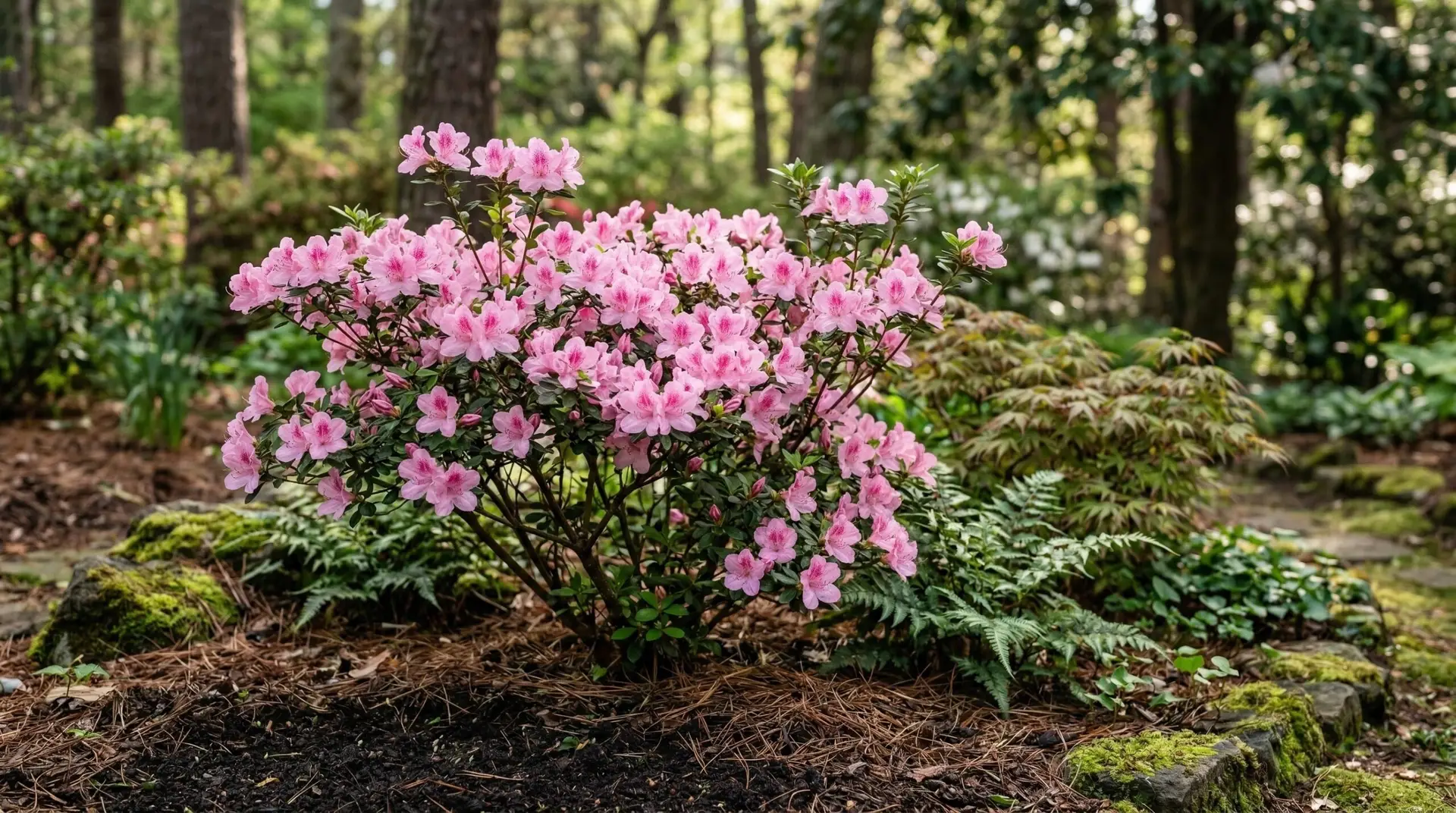
To grasp why acidic soil for azaleas is so critical, we have to look at how these specific shrubs evolved over thousands of years. Azaleas naturally developed in woodland environments where generations of fallen leaves, pine needles, and rotting wood created a constantly decomposing, highly acidic layer of organic matter. Their shallow, fibrous root systems adapted to pull nutrients specifically from this low-pH environment. When we take these plants and place them in a typical suburban yard, especially near concrete foundations that leach alkaline lime into the ground, we are asking them to survive in an alien environment. Other woodland natives share this exact same evolutionary quirk, which is why you will often see azaleas growing beautifully alongside shade-loving camellia shrubs in established gardens.
This specific root biology means that azaleas share their soil preferences with a whole class of plants we call acid lovers. If you have ever tried to grow a classic bigleaf hydrangea macrophylla and wanted to turn the pink blooms to blue, you were manipulating this exact same soil chemistry. The lower the pH, the more easily these plants can absorb aluminum and iron from the earth. Similarly, the famously fragrant white blooming gardenia demands this same acidic environment to keep its glossy leaves dark green. Understanding that these plants belong to a shared family of acid-loving woodland natives helps you group them together in the garden, creating designated zones where you can manage the soil chemistry more efficiently.
Testing and preparing your garden beds
Before you add anything to your garden to alter the chemistry, you must know your starting point. Adding acidifying amendments to soil that is already acidic can drive the pH down so low that it becomes toxic to the plant. You can purchase a simple soil test kit from a local nursery or send a soil sample to your local university extension office for a detailed breakdown. The extension office test is usually the most accurate method and will give you a precise number to work with. Once you have that number, you can calculate exactly how much amendment you need to reach that sweet spot of 5.0 to 6.0. Guessing your azalea soil pH based on how the dirt looks or feels is impossible, as both highly acidic and highly alkaline soils can look exactly the same in your hand.
This might seem contradictory, but sometimes soil that tests perfectly for acidity still produces yellowing azaleas. The reason for this usually comes down to drainage and soil compaction, particularly in heavy clay soils. Clay soil is made of microscopic particles that pack tightly together, leaving very little room for oxygen, and azalea roots desperately need oxygen to function. If you plant an azalea in dense clay, the roots will suffocate and rot, which stops them from absorbing nutrients just as effectively as a high pH would. You must fix the drainage by blending in generous amounts of compost and aged bark before you even begin to worry about adjusting the chemical pH.
Methods for lowering soil pH naturally
If your soil test reveals a pH higher than 6.0, you will need to learn how to lower soil pH using natural amendments. The most reliable and safest method for home gardeners is applying elemental sulfur. Elemental sulfur looks like yellow powder or small pellets and works through a biological process rather than a strictly chemical one. When you mix sulfur into the top few inches of soil, naturally occurring soil bacteria consume it and excrete sulfuric acid as a byproduct. Because this process relies on living bacteria, it only happens when the soil is warm and moist, meaning it will take several months for the pH to actually drop. This takes a season or two to get a feel for, and that is completely normal for a beginner.
Another excellent way to maintain azalea soil pH over time is by choosing the right organic matter for your mulch. Think of mulch as a protective blanket for the soil, keeping the shallow azalea roots cool in the summer and warm in the winter while retaining moisture. If you use pine needles, often called pine straw, or finely shredded pine bark as your mulch, you provide a slow, steady drip of mild acidity into the ground as the material breaks down. While a layer of pine needles will not drastically lower the pH of highly alkaline soil on its own, it works perfectly to maintain the acidity once you have reached the correct level with sulfur. You should avoid using hardwood ashes or mushroom compost near your azaleas, as both of these materials are highly alkaline and will push the pH in the wrong direction.
Creating raised environments for alkaline regions
Sometimes the native soil in a yard is simply too alkaline to fight, especially in regions with heavy limestone bedrock. When your starting pH is 7.5 or 8.0, trying to force it down to 5.5 with sulfur becomes an endless, frustrating battle against nature. The surrounding alkaline soil will constantly try to neutralize the small pocket of acidic soil you created, requiring heavy applications of sulfur every single year. In these situations, the most logical approach is to stop digging down and start building up. Creating a raised bed or a large berm allows you to control the soil composition entirely from scratch, bypassing the native alkaline dirt completely.
To build a successful raised bed for azaleas, you want to mix equal parts of coarse sand, aged pine bark fines, and sphagnum peat moss. Peat moss is naturally very acidic, usually sitting around a pH of 4.0 to 4.5, which makes it the perfect base ingredient for acid-loving plants. The pine bark provides excellent drainage while contributing to the acidity, and the sand ensures the mixture never compacts into a solid block. When you plant your azalea in this custom blend, the roots will spread happily through the loose, acidic material without ever touching the hostile native soil below. The core principle to take away from this process is that successful gardening is rarely about forcing a plant to adapt to poor conditions. True understanding comes from recognizing what the plant naturally requires and either finding the right spot in your yard or building the exact environment it needs to thrive.
More About Azaleas
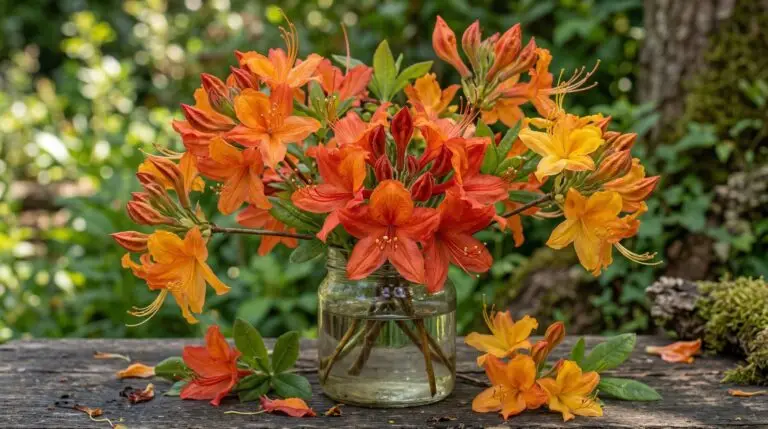
Native azaleas of North America and how to grow these fragrant wild beauties
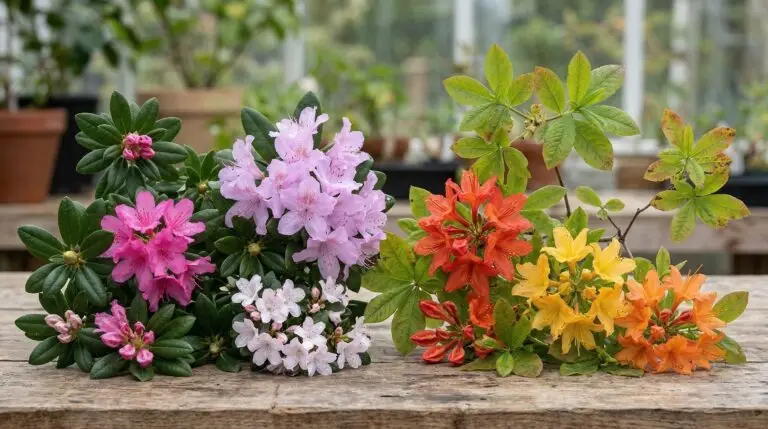
How to choose the right azalea variety for your garden soil and climate
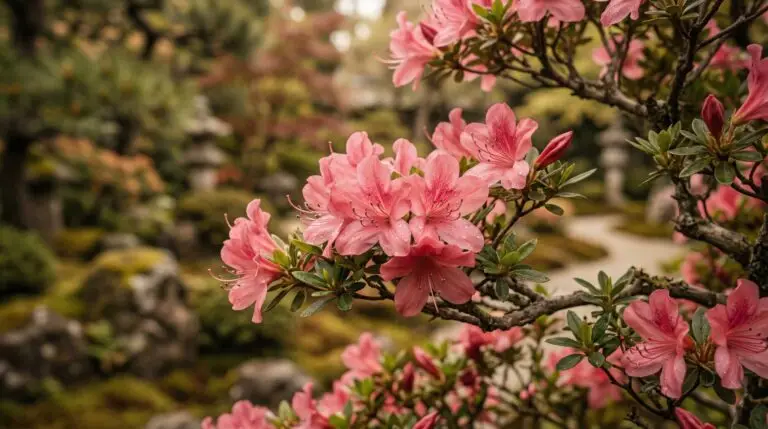
Azalea flower meaning and their place in Japanese garden culture and symbolism
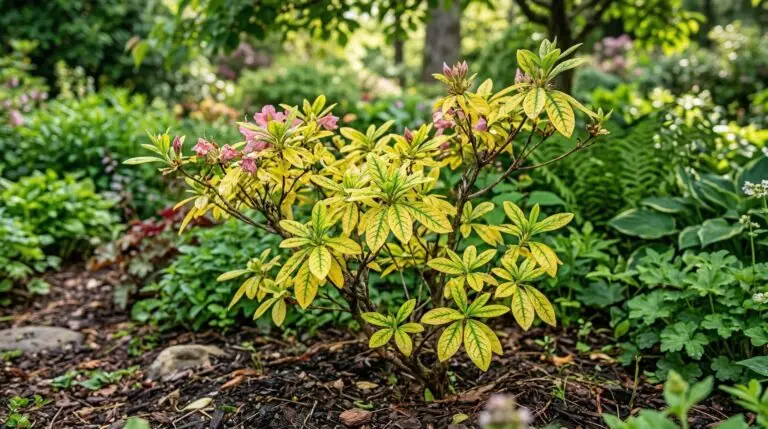
Why azalea leaves are turning brown or yellow and how to save your shrub