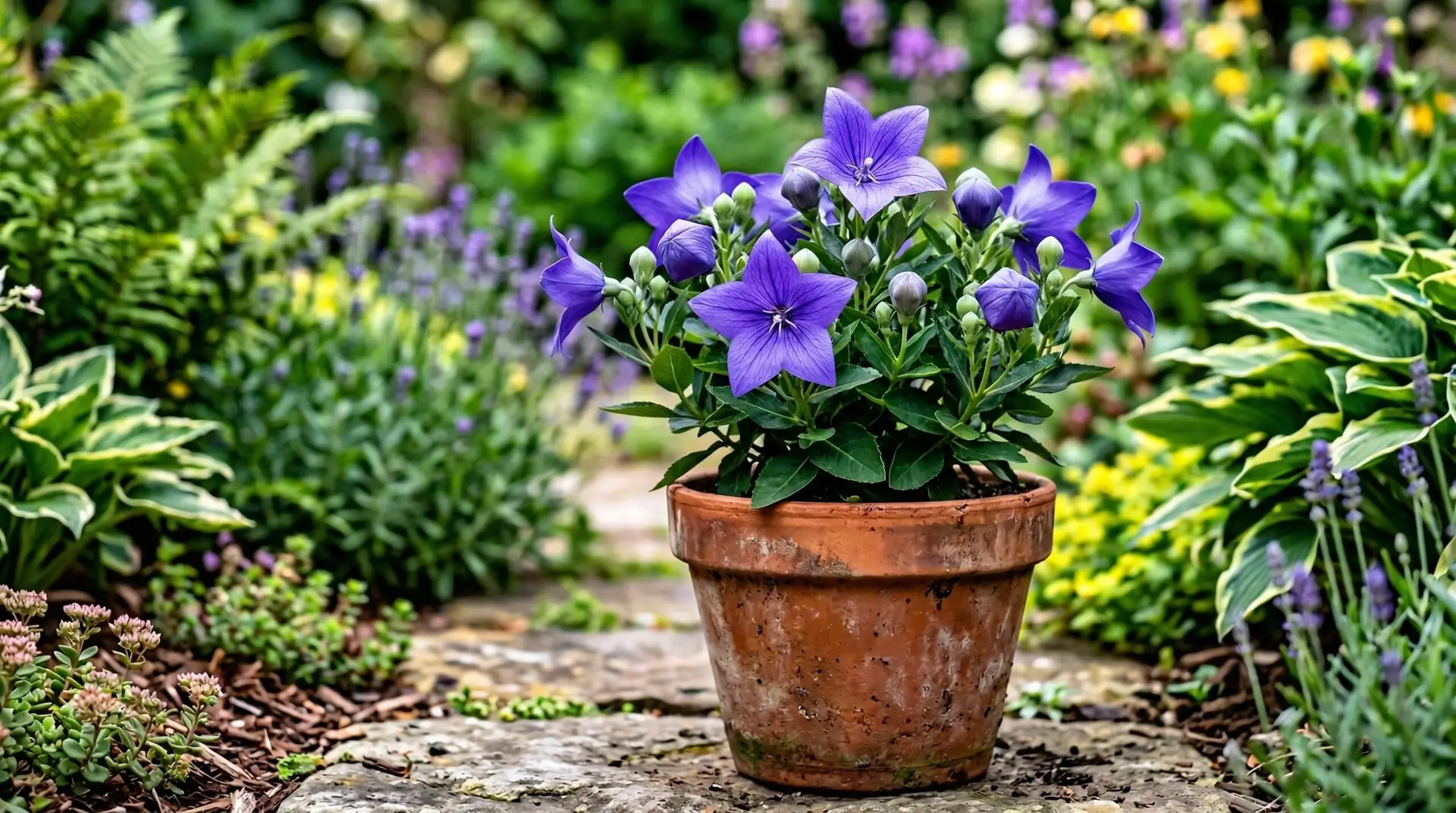
Watching those puffy, origami-like buds swell up and finally pop open is a gardening moment that never really gets old. Balloon flowers, known botanically as Platycodon grandiflorus, bring a very specific kind of charm to a patio setting where you can watch their daily progress up close. Putting a balloon flower in pots is an entirely different experience than growing them out in the traditional perennial border. After trying various perennials in patio containers over the years, these plants consistently earn their keep because they offer a long season of interest without needing constant fussing. They are closely related to the classic bellflower, sharing that same delicate woodland appearance but holding up surprisingly well to intense summer heat. Growing a balloon flower patio display takes a specific approach to container selection and winter care, but the reward is a reliable perennial that comes back year after year. The trick is simply understanding how their unique root system behaves when confined to a pot.
Contents 5 sections
Choosing dwarf varieties and deep containers
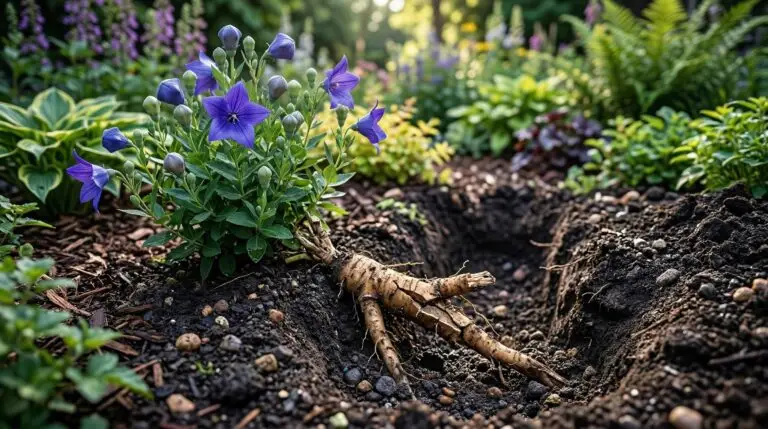
The biggest mistake made with a platycodon container garden is choosing the wrong plant size and the wrong pot depth. Standard balloon flowers can easily reach three feet tall and have a frustrating habit of flopping over completely after a heavy summer rainstorm. For containers, the dwarf varieties are the only practical way to go, staying neat and compact at about six to eight inches tall. Look for types with names like Sentimental Blue or the Astra series, which behave beautifully in confined spaces and produce just as many flowers as the tall versions. The container itself needs to be surprisingly deep because balloon flowers grow a thick, fleshy taproot that looks a lot like a pale carrot. Shallow bowl-style planters will stunt the plant and eventually cause the root to rot if it sits against the damp bottom. A standard nursery pot or decorative planter that is at least ten to twelve inches deep gives that taproot the downward space it requires to thrive. Heavy terra cotta pots are excellent for these plants because the porous clay helps pull excess moisture away from that sensitive root system.
Mixing the soil and managing summer watering
Because of that fleshy taproot, drainage is the single most important factor for keeping these plants alive through a wet season. Heavy garden soil scooped straight from the yard will suffocate the roots and turn them to mush within a few weeks. A standard, affordable potting mix from the hardware store works perfectly fine as a base, but it needs a little modification to drain fast enough. Adding a generous handful or two of coarse perlite or small gravel to the commercial mix ensures water runs through the pot quickly. The goal is soil that stays lightly damp but never soggy, much like a well-wrung-out sponge. When watering, wait until the top two inches of the soil feel completely dry to the touch before giving the pot a thorough soaking. Gardeners in the South may find they need to water patio pots every day in July, while northern zones might only need to water twice a week. Adding a weak, water-soluble fertilizer once a month during the growing season is plenty to keep the foliage green and the buds forming.
Deadheading for a continuous patio display
Keeping a balloon flower patio display looking fresh requires a little bit of regular maintenance once the blooms start to fade. As the flowers finish their blooming cycle, they shrivel up into small, brown clumps that can make the whole pot look messy. Snipping these spent blooms off encourages the plant to put its energy into forming new buds rather than developing seed pods. When cutting the stems, you will notice a thick, milky sap oozing from the cut ends, which is completely normal for this plant family. It helps to use sharp bypass pruners rather than pinching them off with your fingers, because the sap is sticky and difficult to wash off your hands. If the plant starts looking ragged by late August, cutting the entire thing back by a third will often force a fresh flush of neat foliage. Mixing in a fast-growing annual like a bright petunia around the edges of the pot provides continuous color even when the balloon flowers are resting between bloom cycles.
Waiting out the late spring emergence
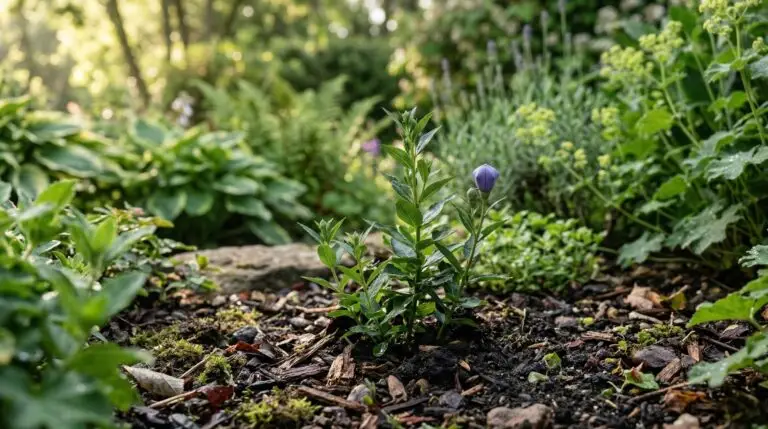
One of the most common reasons home gardeners fail with balloon flowers is a simple lack of patience early in the spring. These plants are notoriously late to break dormancy, often waiting until the soil is thoroughly warmed up before showing any signs of life. The pot will look completely dead for weeks after other perennials have already leafed out, tempting many people to dump the soil out and start over. The seedlings look dead for about two weeks after transplanting or waking up, but they are usually fine. Disturbing the soil at this stage often breaks the fragile new growth tips hiding just below the surface, which can permanently damage the plant. Leaving the pot alone in a sunny spot and keeping it barely moist is the best strategy during this frustrating waiting period. Sticking a plastic plant label in the center of the pot in the fall is a helpful reminder of what is sleeping under the soil. Once the shoots finally appear, they grow rapidly and quickly fill out the container with their distinctive blue-green foliage.
Overwintering containers in cold climates
Keeping perennials alive in pots over the winter requires a different strategy than leaving them in the ground. Soil in a container freezes much harder and faster than the earth in a garden bed, leaving the roots vulnerable to extreme temperature swings. In zones six and below, leaving a balloon flower in pots out on an exposed patio usually results in a dead plant by spring. Moving the containers into an unheated garage or shed provides just enough protection from the wind and the worst freezing temperatures. The plants need to stay cold to maintain their natural dormancy, so bringing them inside a heated house will confuse their growth cycle and lead to weak, spindly growth. Check the pots once a month during the winter and give them a tiny sip of water only if the soil is completely bone dry. Gardeners in warmer southern zones can usually leave the pots right on the patio, perhaps pulling them up against the house wall for shelter during unusual cold snaps. Pulling the pots back out into the open spring sun when the heavy frosts have passed will start the cycle over again for another year of blooms.
More About Balloon Flower
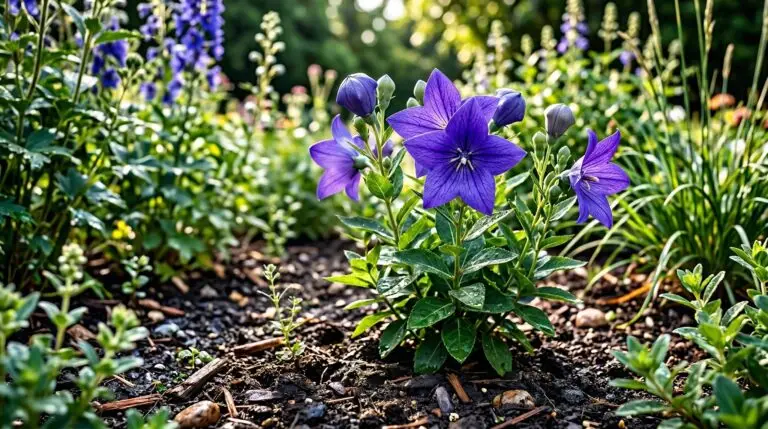
How to grow balloon flowers from seed for charming summer blooms year after year
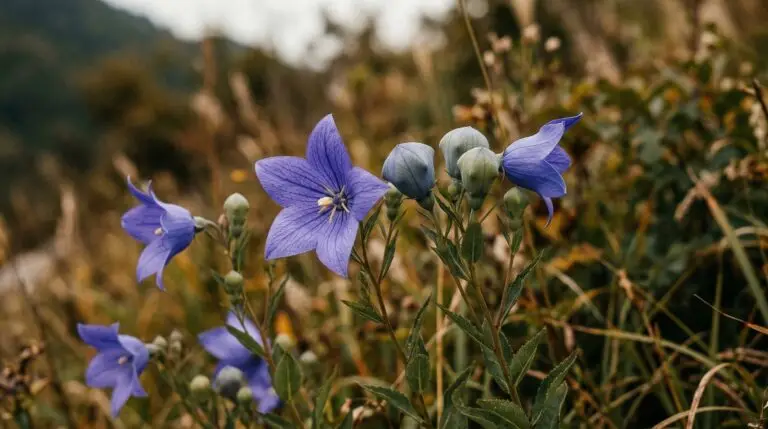
Balloon flower meaning in Korean and Japanese culture and garden traditions
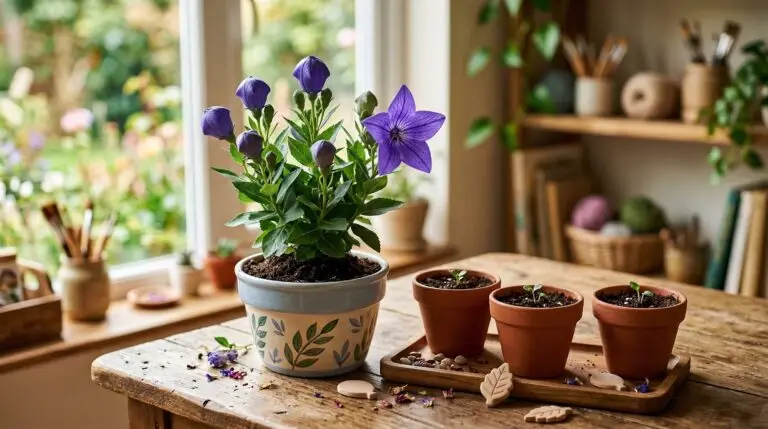
Balloon flowers in children’s gardens and why kids love watching the buds pop open
Designing a blue and purple perennial garden with balloon flowers as the star
Best balloon flower varieties including double blooms and dwarf forms for small gardens
Dividing and transplanting balloon flowers without killing the deep taproot
How to deadhead balloon flowers to keep them blooming through late summer
Why balloon flowers are late to emerge in spring and how to avoid digging them up
Companion plants for balloon flowers: what to grow and avoid
Enjoying our flower guides? Add YourFlowersGuide as a preferred source on Google. It helps more readers find us.
Add to Preferred Sources