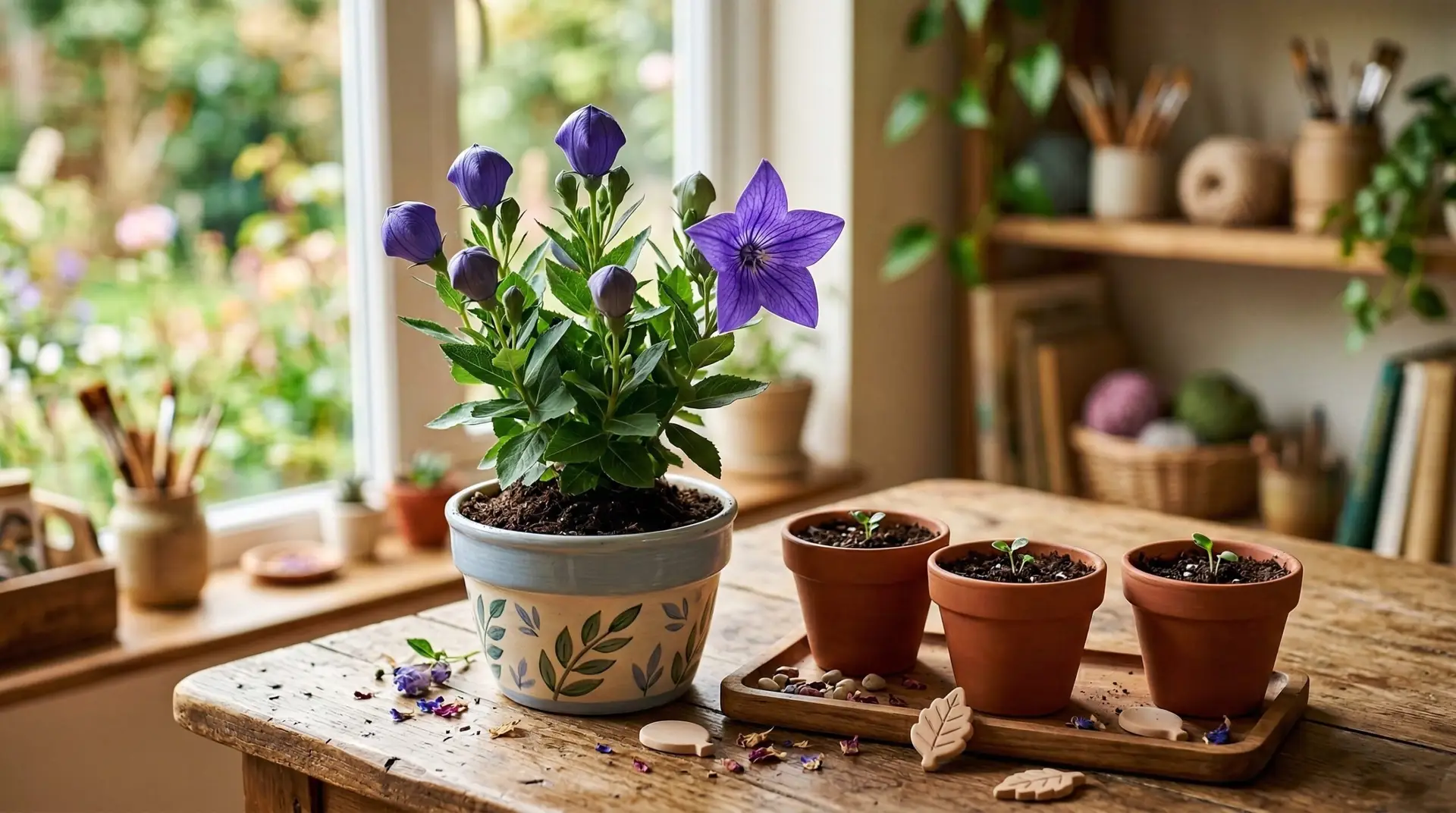
There is a specific kind of magic that happens when a child discovers a plant that actually does something. We spend so much time telling kids to look but not touch in the garden, treating flowers like fragile museum pieces. The balloon flower completely changes those rules and invites small hands to interact directly with the plant. I remember the exact moment I first pinched one of those inflated, paper lantern buds and felt the satisfying little snap as the petals burst open into a perfect star. That simple tactile reward turns a standard perennial border into a playground. When you are looking for ways to engage young minds outdoors, growing a balloon flower kids can touch and explore is one of the most reliable ways to spark genuine curiosity.
The botanical name is Platycodon grandiflorus, but absolutely no one calls it that when they are watching those whimsical buds swell up in the midsummer sun. The plant spends the early part of the season building up a neat clump of blue green foliage before sending up wiry stems topped with tightly pleated green shapes. Over a few days, those shapes inflate like tiny hot air balloons, taking on rich shades of violet, soft pink, or crisp white. The anticipation builds as the seams stretch tight, signaling that the flower is ready to open on its own or with a gentle squeeze. It is a plant that rewards patience and daily observation, making it a perfect anchor for any space designed around children garden flowers. I always find myself checking the progress of the buds just as eagerly as the youngest members of my family.
Contents 4 sections
The magic of watching balloon flower buds popping
The real hook of this plant is the interactive element that happens just before the bloom fully opens. If you catch the bud at the precise moment it reaches maximum inflation, a gentle squeeze on the sides will cause the fused petals to pop apart with an audible, satisfying sound. I have watched kids run straight to the garden every morning before breakfast just to check if any new balloons are ready for them. Experiencing balloon flower buds popping becomes a daily ritual that connects them to the rhythm of the growing season in a way that simply looking at a static bloom never could. You do have to teach them the difference between a ready bud and a green one, as squeezing them too early just damages the developing flower. Once they figure out the timing, they become fiercely protective garden guardians, monitoring their patch with intense dedication. It is incredibly rewarding to watch them take ownership of a living thing.
Beyond the popping trick, the open flowers themselves are incredibly rewarding to observe up close. The five pointed star shape is crisp and geometric, with delicate contrasting veins running through the petals that look like they were drawn on with a fine tipped pen. The flowers track the sun slightly, turning their faces outward to attract a constant stream of bees and butterflies. Watching a heavy bumblebee weigh down a balloon flower stem as it climbs inside the bell is just as entertaining for a child as popping the buds. The plants bloom heavily for weeks in the heat of July and August when many other perennials are looking tired and stressed. This midsummer performance makes them an essential bridge in the garden timeline, keeping the interest high right through the dog days of summer. Even when the spring blooms have faded, these bright stars carry the garden forward.
Varieties that shine in a family garden
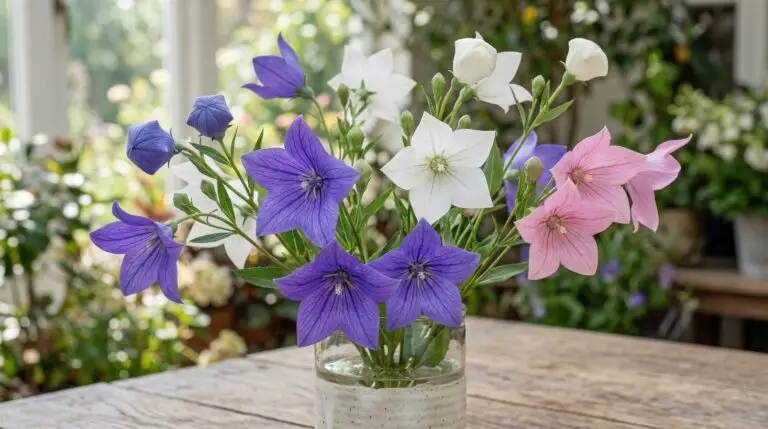
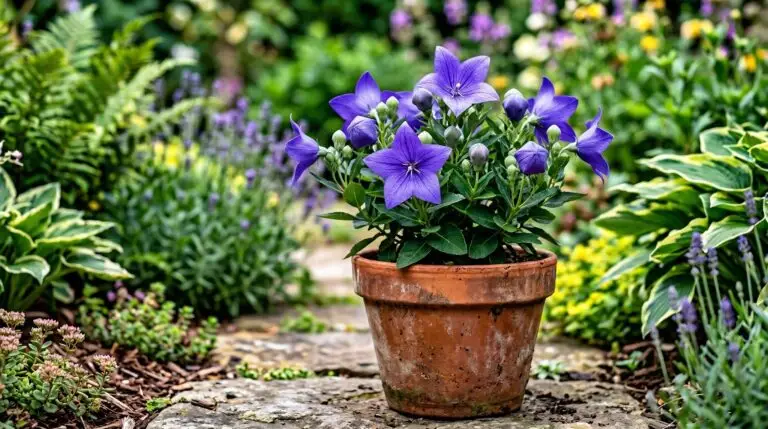
Over the years, I have grown dozens of different balloon flowers, and some varieties definitely perform better than others when you have small hands interacting with them. The Fuji series is the classic tall variety, reaching up to three feet high with loose, airy stems that dance in the breeze. These taller types are beautiful but they tend to flop over if they do not have support from neighboring plants, which can be frustrating if you want a tidy look. For a dedicated children’s space, I much prefer the dwarf varieties like Sentimental Blue or the Astra series. Sentimental Blue stays incredibly compact, forming a dense six inch mound that completely covers itself in bright blue balloons that are perfectly positioned at toddler height. The Astra series offers a similar low profile but comes in a wider range of colors, including a lovely soft pink and a double flowered version that looks like a tiny rose when it finally opens. I highly recommend starting with the dwarf types if you want a sturdy plant that can handle a little roughhousing. They form neat little domes of color that look great at the very front of the border.
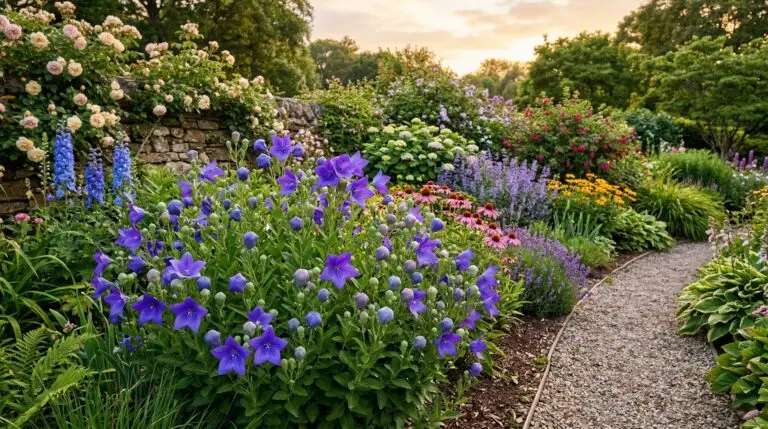
The double varieties like Astra Double Blue or Hakone Double Blue are fascinating because they have an extra layer of petals inside the bell. The buds on these double types get even rounder and fatter than the single varieties, looking almost like little blueberries before they burst. I do find that the double flowers sometimes struggle to open cleanly on their own if the weather is overly humid, making them the perfect candidates for a little manual assistance. Whichever variety you choose, planting them in a spot with good drainage and full sun is the secret to getting the highest bud count. They will tolerate some light shade, especially in hotter climates, but the stems will stretch and the flower production will drop noticeably. I always try to plant them in groups of three or five to create a solid mass of color and maximize the daily bud harvest. More plants mean more buds, and more buds mean fewer arguments over who gets to pop the next one.
Managing the quirks of a late bloomer
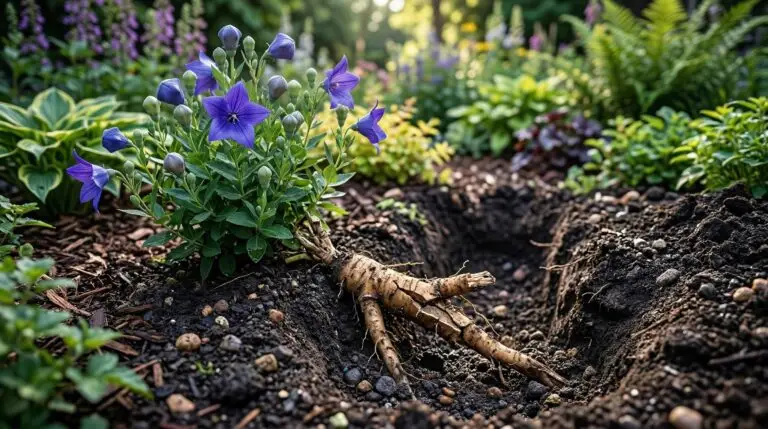
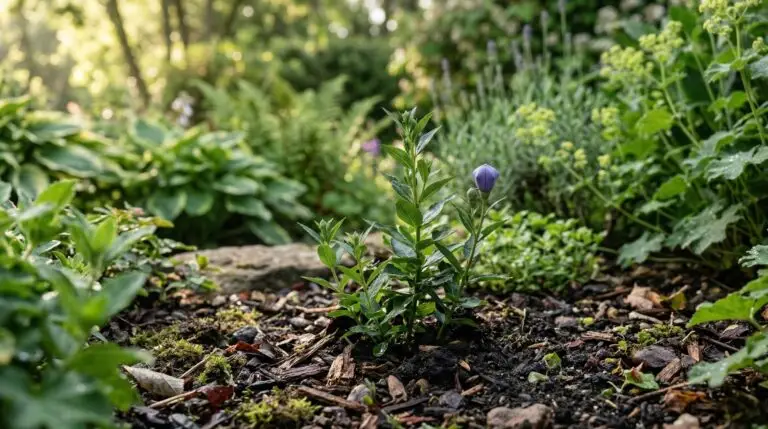
As much as I love this plant, it does have a few distinct quirks that can cause a bit of panic for new growers. The most significant trait is that balloon flowers are notoriously late to emerge in the spring, often staying completely dormant weeks after everything else has started growing. I cannot tell you how many times I have accidentally dug up a perfectly healthy balloon flower root because I thought the plant had died over the winter and the spot was empty. You learn very quickly to mark their exact location in the fall with a sturdy stake so you know exactly where to leave the soil undisturbed. The roots themselves are thick, fleshy taproots that resemble white carrots, and they absolutely hate being moved once they are established. If you need to relocate a balloon flower, you have to dig incredibly deep to get the whole root intact, or the plant will likely pout and fail to return the following year. I usually advise finding a permanent home for them right from the start and letting them settle in for the long haul. They will reward your patience by growing wider and more productive with each passing season.
Another minor frustration is the deadheading process, which is necessary if you want to keep the plant blooming late into the summer. When the flowers fade, they kind of melt into a sticky, brown mush that clings tightly to the developing seed pod. Pinching these off is a messy job that leaves your fingers covered in a slightly sticky residue, and it is definitely not as fun as popping the fresh buds. If you leave the spent flowers on the plant, it will stop producing new balloons and channel all its energy into making seeds. I usually let the last flush of flowers go to seed in September, as the dried pods look like tiny wooden stars and are great for fall craft projects. The seeds are also very easy to save and sow, offering another great project for kids to try in the spring. Seeing a tiny seedling emerge from a seed they collected themselves completes the entire growing cycle in their minds. It is a messy process, but the extra blooms are worth the sticky fingers.
Cultivating a lifelong love of growing things
The real value of growing balloon flowers lies in how they transform a child’s relationship with the natural world. Gardening can sometimes feel like a long game of waiting, which is a hard concept for young minds to grasp. Giving them plants that offer immediate, tangible interactions bridges that gap and keeps them coming back to the dirt. I love pairing balloon flowers with other interactive plants to create a whole sensory experience. Showing a child how to squeeze a tall snapdragon bloom to make it talk, and then letting them pop a balloon flower bud right next to it, creates a morning of pure garden magic. You can even plant them at the base of a towering sunflower stalk to give the kids something to play with at eye level while the giants loom overhead. Learning about growing different flowers together builds a foundation for a lifetime of outdoor exploration.
I keep coming back to balloon flowers year after year because they are one of the few plants that never lose their novelty. Even as an adult, I cannot walk past a fully inflated bud without giving it a gentle squeeze to feel that satisfying pop. They are incredibly long lived perennials once they settle into a spot, reliably returning every summer to put on their show with almost zero maintenance. The pure blue color of the classic varieties is notoriously difficult to find in the late summer garden, making them a welcome sight from a purely aesthetic standpoint as well. But their true worth is always measured in the smiles and eager hands of the kids who discover them. Planting a balloon flower is planting a memory, and that is a reward that outlasts any single blooming season.
More About Balloon Flower
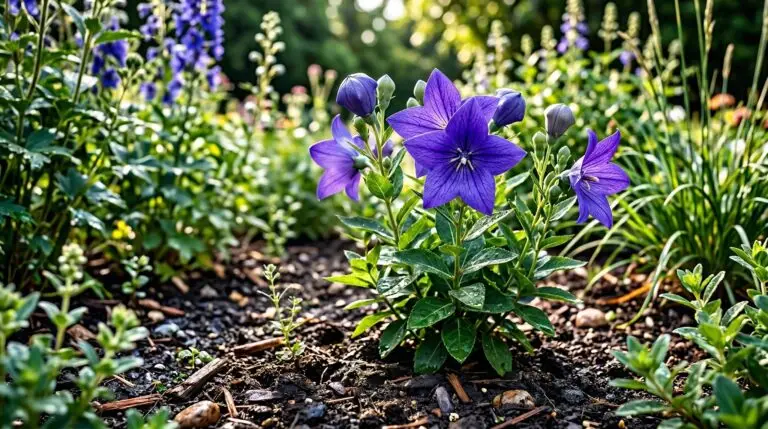
How to grow balloon flowers from seed for charming summer blooms year after year
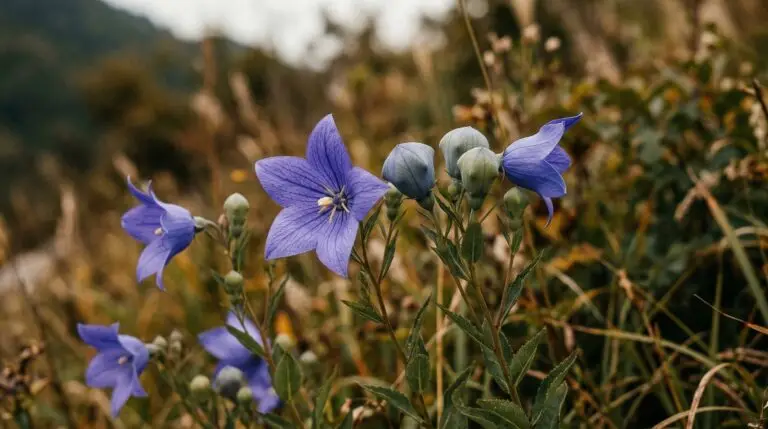
Balloon flower meaning in Korean and Japanese culture and garden traditions
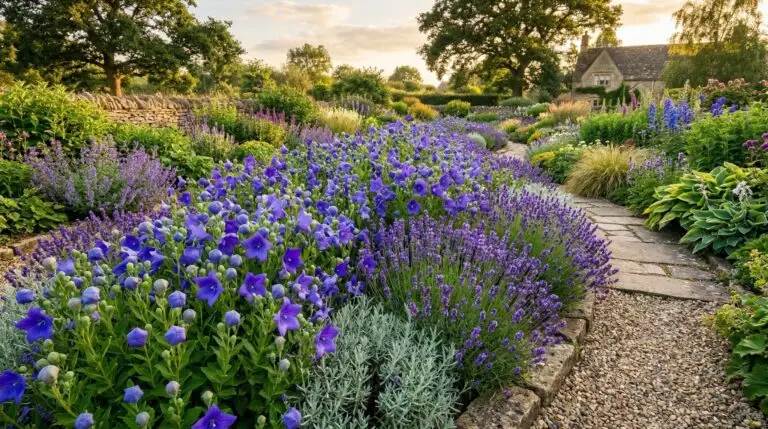
Designing a blue and purple perennial garden with balloon flowers as the star
Best balloon flower varieties including double blooms and dwarf forms for small gardens
Dividing and transplanting balloon flowers without killing the deep taproot
Growing balloon flowers in containers for a whimsical patio garden display
How to deadhead balloon flowers to keep them blooming through late summer
Why balloon flowers are late to emerge in spring and how to avoid digging them up
Companion plants for balloon flowers: what to grow and avoid
Enjoying our flower guides? Add YourFlowersGuide as a preferred source on Google. It helps more readers find us.
Add to Preferred Sources