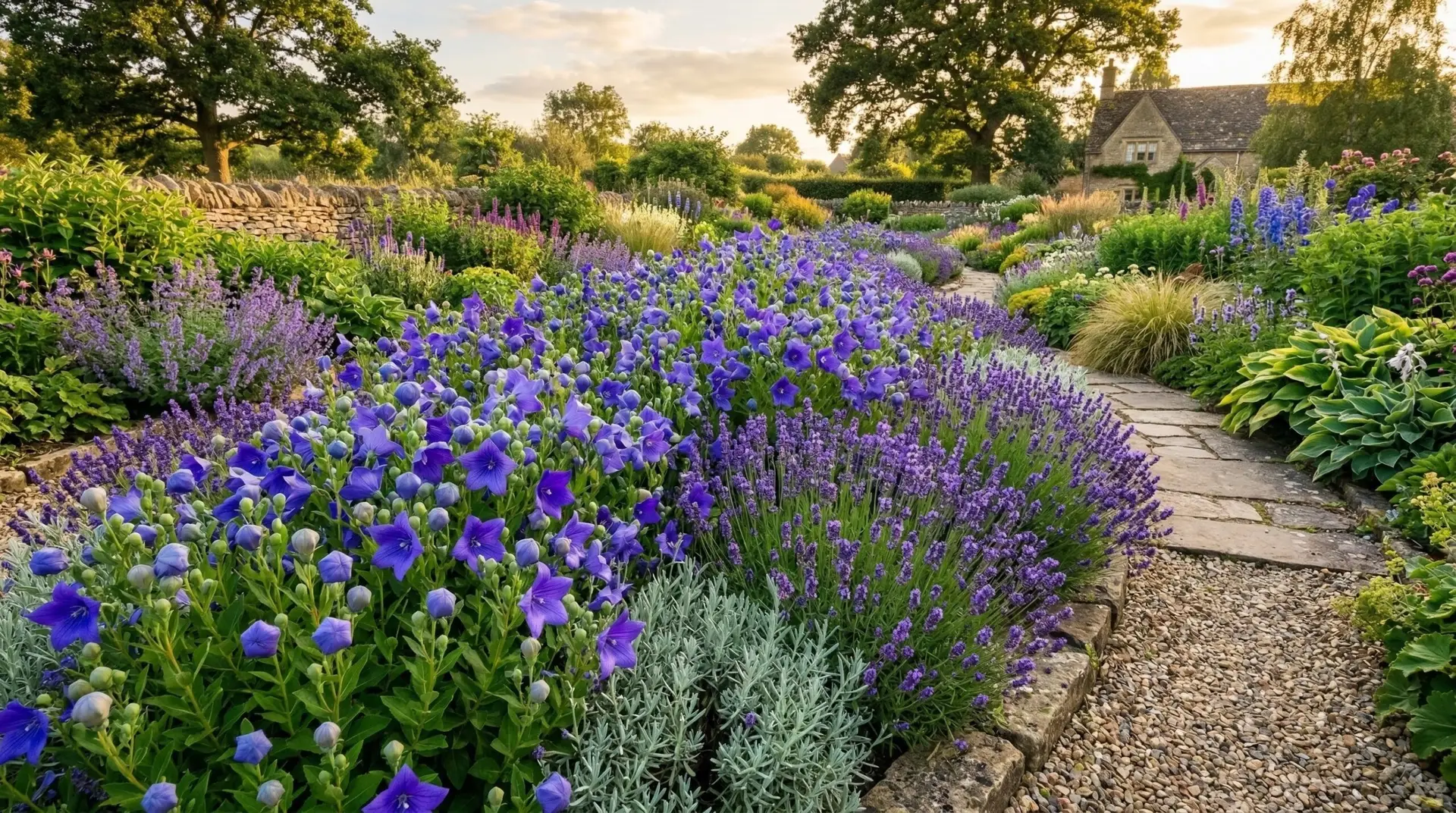
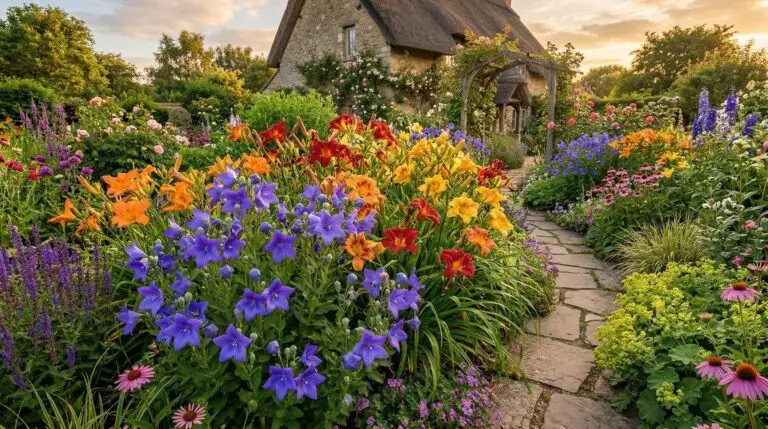
The morning dew settles heavy on the swollen buds of the balloon flower, turning each ribbed sphere into a temporary magnifying glass. When the sun finally crests the eastern wall, these puffed-up origami shapes catch the light and reveal their true color, a saturated violet-blue that seems to absorb the surrounding shadows. I wish you could stand here on the damp grass and watch them slowly split open into crisp five-pointed stars. This specific hue forms the beating heart of a cool-toned border, anchoring a blue perennial garden that shifts in mood from dawn to dusk. Designing a space around these inflated blossoms requires a careful eye for texture and a deep appreciation for the quiet resonance of purple and blue. The garden becomes a study in temperature, where the eye rests easily on layers of indigo, lilac, and slate.
Walking down the gravel path, the air feels noticeably cooler near these deeply pigmented petals. The balloon flower garden ideas we discussed last autumn have taken root in the dark, loamy soil, creating a steady rhythm of color that pulls you forward. Every plant chosen for this space shares a similar wavelength, yet they all interpret the light differently through their distinct physical forms. Some leaves are fuzzy and silvered, catching the wind like sea foam, while others are smooth, dark, and glossy. The balloon flowers themselves have a rubbery, almost waxy quality to their unopened buds, making them irresistible to touch. When you press gently on the sides with your thumb and forefinger, they yield with a soft resistance just before they are ready to bloom.
Contents 4 sections
Planning the cool color palette
Building a garden entirely out of blues and purples requires a careful layering of scent and structure so the eye does not become bored by a single note. I started by planting generous drifts of lavender along the sunbaked edges of the stone retaining wall. On hot afternoons, the essential oils evaporate from the needle-like foliage, releasing a sharp, clean fragrance that carries all the way to the porch. Just behind these fragrant mounds, the upright spikes of blue salvia rise like dark, fuzzy exclamation points against the sky. Their tiny, tubular flowers are a much darker, inkier purple than the soft lilac tones of the border plants, creating a visual drop-off that makes the garden feel twice as deep. The bees find these spires long before I do, filling the afternoon air with a low, constant hum that vibrates through the warm air.
The balloon flowers sit right in the middle of this aromatic cloud, offering a completely different floral architecture. Where the salvia is rough and vertical, the balloon flower is smooth, geometric, and surprisingly wide. Their broad, saucer-like faces look straight up at the sky, catching the midday sun and reflecting a pure, unclouded azure. In the hazy light of an overcast afternoon, the purple undertones push forward, making the petals look almost bruised in their intensity. This shifting color profile makes them the ideal anchor for a purple flower garden design, bridging the visual gap between the pale silver-blues and the deep, midnight purples.
Layering heights for depth and shadow
A successful border needs a sense of enclosure, a tall backdrop that catches the wind and casts long, cooling shadows across the lower plants. For this towering back layer, I chose delphinium elatum, whose massive, densely packed flower spikes reach high above the rest of the foliage. The petals on these giants are papery and thin, fluttering violently whenever a summer storm rolls in from the west. Their color is a piercing, electric blue with a soft white center that draws the eye upward toward the tree line. Staking these tall stems is a necessary chore, but feeling the rough, hollow stalks beneath your fingers connects you directly to the raw, upward energy of the garden. They stand like sentinels at the back of the bed, providing a dramatic curtain of color that frames the rounder, lower shapes in the middle ground.
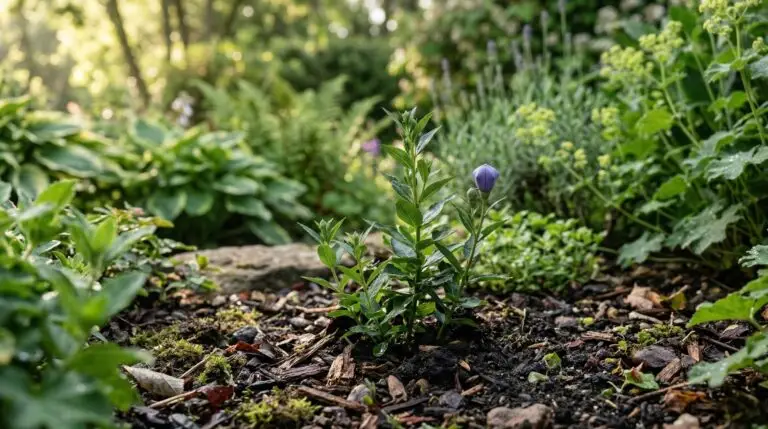
Below the towering delphiniums, the balloon flowers form a solid, bushy middle tier that hides the bare lower stems of the taller plants. Their jagged, blue-green leaves emerge late in the spring, unfurling slowly from the warming soil long after the other perennials have woken up. To soften the front edge where the soil meets the path, I rely on the sprawling, chaotic energy of catmint. This low-growing perennial spills out over the gravel in a loose wave of gray-green leaves and tiny, pale violet flowers. When you brush past it with your boots, it releases a musky, minty scent that lingers in the humid air for hours. Together, these three distinct heights create a sloping hillside of cool tones, mimicking the natural progression of a wild meadow.
Cultivating continuous color through the seasons
The true measure of a blue perennial garden is how it moves through time, passing the baton of color from one month to the next. In the damp chill of late May, the early salvias and catmint take the lead, washing the bare soil in a haze of soft purple. The balloon flowers are still just tight rosettes of foliage at this point, gathering strength in the lengthening days. You can almost watch the delphiniums stretch upward during these wet weeks, their thick stems drinking in the spring rains. The garden feels expectant and green, with just enough floral pigment to hint at the heavy colors to come.
July brings the heavy heat, and this is when the balloon flowers finally decide to open their tightly sealed buds. The stems grow slightly woody at the base, supporting dozens of those distinctive, inflated balloons that seem ready to burst. Deadheading becomes a daily meditation during this peak season, requiring you to snap off the spent blossoms just above the next set of leaves. The stems bleed a sticky, milky sap onto your fingers, a tactile reminder of the plant pumping water from the earth. Removing the fading stars encourages a second, slightly smaller flush of blooms that carries the blue theme deep into August. The garden smells of dry earth and sun-baked leaves, a mature, heavy fragrance that replaces the sharp, clean scents of spring.
Caring for the blue perennial garden
Maintaining these cool tones requires a soil that holds moisture without ever feeling swampy or heavy. You will know the earth is right when you dig down a few inches and the soil feels exactly like a wrung-out sponge against your bare skin. During the dry spells of late August, I drag the heavy rubber hose out to the beds and let the water pool slowly around the base of the balloon flowers. The dry ground drinks it up with a faint hissing sound, turning from pale dust to a rich, dark chocolate color. These deep, infrequent soakings encourage the fleshy taproots of the balloon flowers to reach further down into the cool, insulated earth.
When the first hard frost finally arrives, the blue and purple petals melt away overnight, leaving behind a skeletal framework of brown stems and papery seed heads. The balloon flower foliage turns a clear, bright yellow in the autumn, offering one last flash of contrasting color before collapsing into the soil. I leave the hollow delphinium stalks and the wiry salvia stems standing through the snow, allowing the winter birds to pick at the remaining seeds. The garden sleeps under a blanket of white, but the thick taproots of the balloon flowers rest safely below the freeze line. They wait patiently in the dark, holding the blueprint for next summer’s blue garden locked inside their dormant cells.
The best time to stand in this garden is just as the sun drops behind the western trees and the golden hour fades into twilight. In this low, indirect light, the warm colors of the world disappear, but the blues and purples begin to glow with an inner luminescence. The white centers of the delphiniums float in the dimming air, while the lavender mounds turn into soft, shadowy clouds. Down in the middle of the bed, a single balloon flower bud, swollen and tight, finally gives way to the pressure inside. It splits open with a faint, almost imperceptible pop, revealing a fresh, crisp star to the gathering night.
More About Balloon Flower
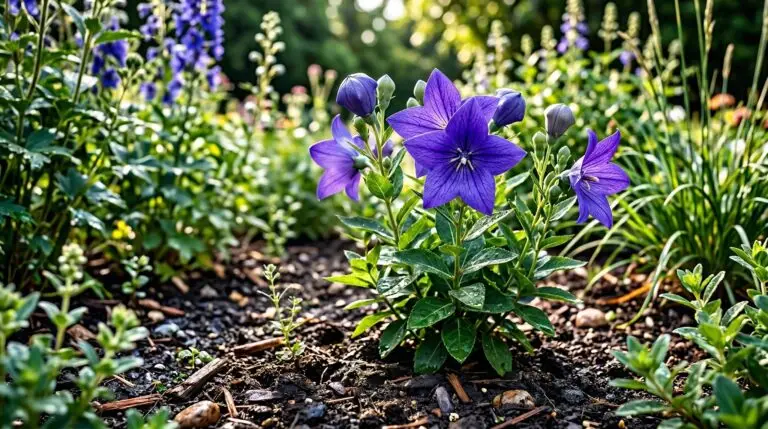
How to grow balloon flowers from seed for charming summer blooms year after year
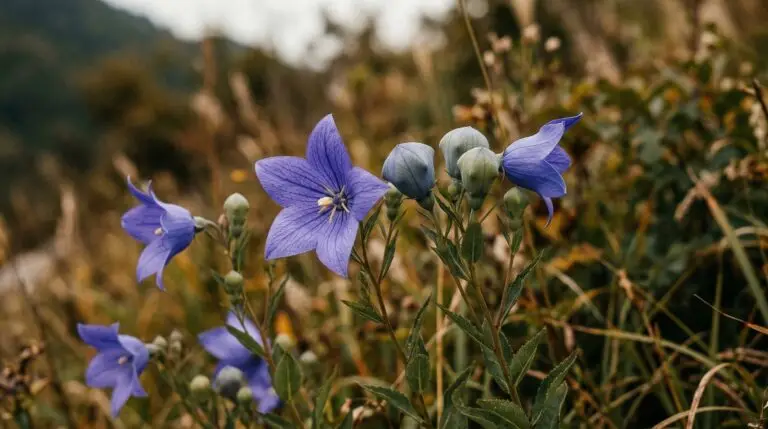
Balloon flower meaning in Korean and Japanese culture and garden traditions
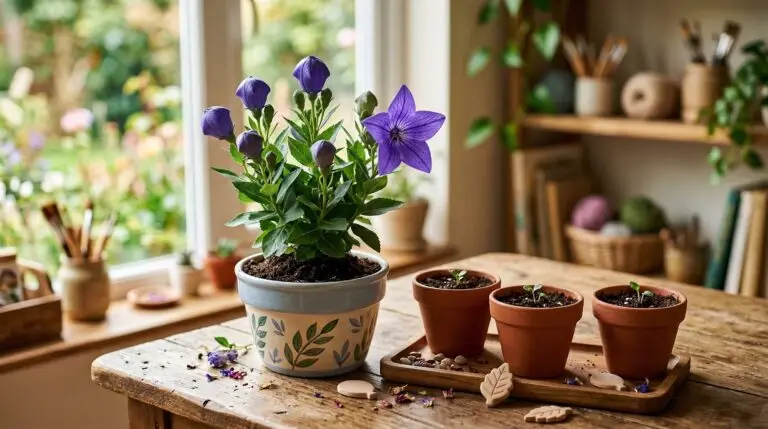
Balloon flowers in children’s gardens and why kids love watching the buds pop open
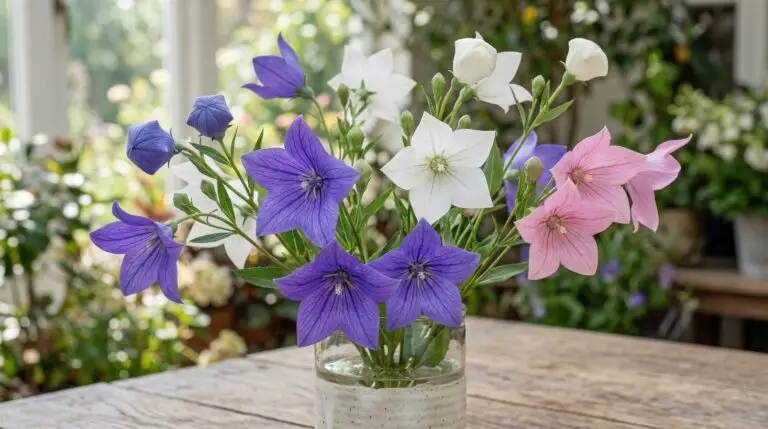
Best balloon flower varieties including double blooms and dwarf forms for small gardens
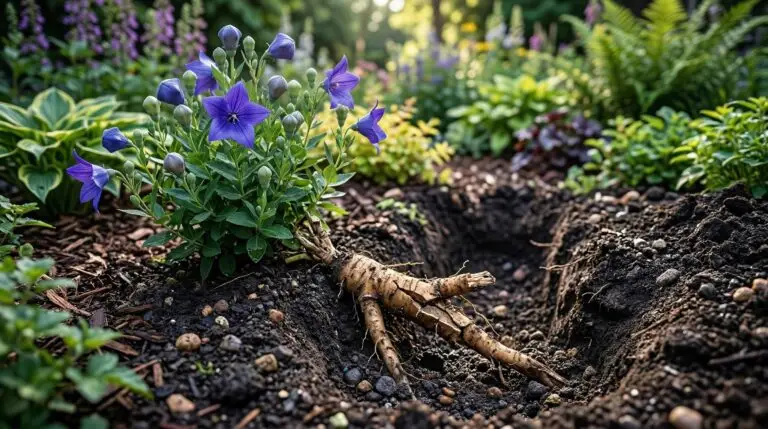
Dividing and transplanting balloon flowers without killing the deep taproot
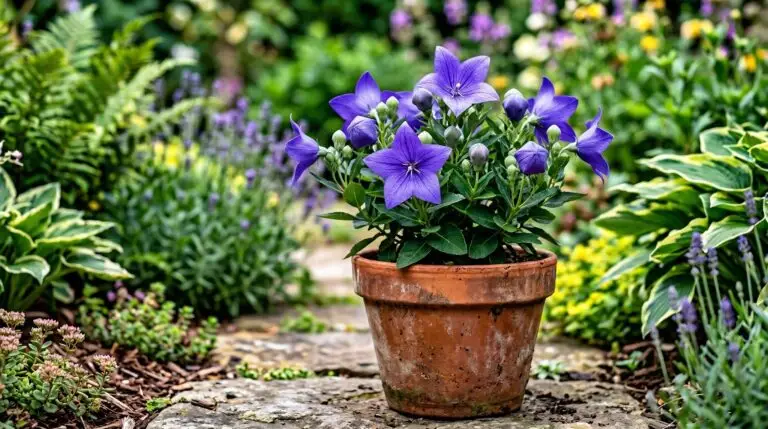
Growing balloon flowers in containers for a whimsical patio garden display
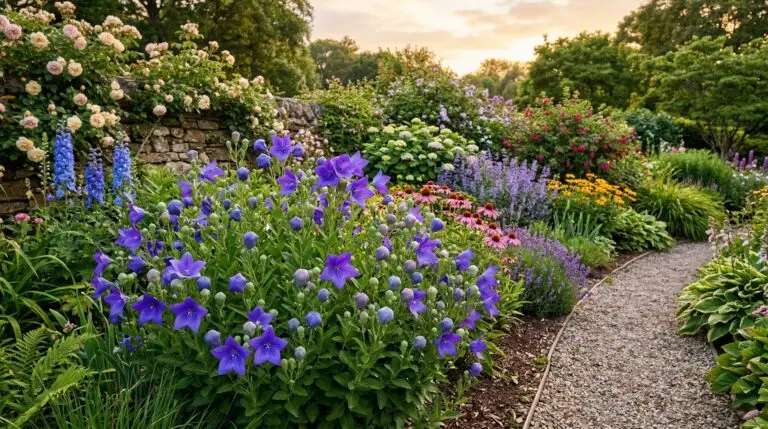
How to deadhead balloon flowers to keep them blooming through late summer
Why balloon flowers are late to emerge in spring and how to avoid digging them up
Companion plants for balloon flowers: what to grow and avoid
Enjoying our flower guides? Add YourFlowersGuide as a preferred source on Google. It helps more readers find us.
Add to Preferred Sources