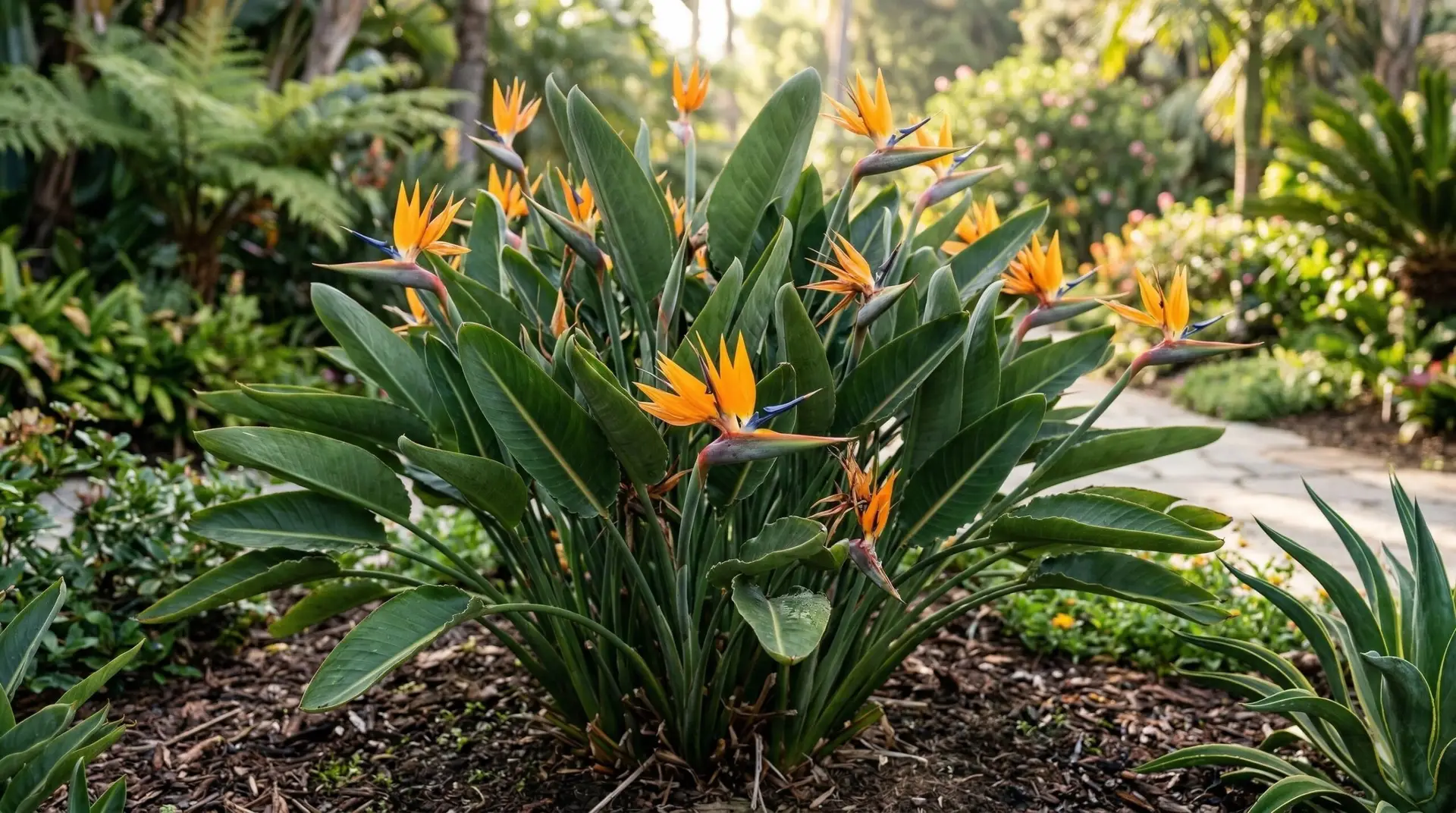
Gardening success depends entirely on your local climate conditions, and growing bird of paradise outdoors is a perfect example of this reality. What thrives effortlessly in the humid environment of southern Florida requires careful soil management in the arid Southwest. Understanding your specific regional context is the foundation of success when cultivating Strelitzia reginae in zones 9 through 11. Gardeners in the dry Mountain West or high deserts face entirely different challenges than those dealing with the heavy summer rainfall of the Gulf Coast. By adapting your approach to your local humidity, rainfall patterns, and soil chemistry, you can establish healthy plants that bloom consistently. Treating these plants with a generic set of instructions often leads to poor growth and absent flowers.
The climate differences within the accepted growing zones dictate how you should position these plants in your yard. In the intense summer heat of the desert Southwest, planting a bird of paradise in full afternoon sun often results in scorched leaves and stunted growth. Conversely, placing the same plant in partial shade along the foggy California coastline will severely reduce flower production. You have to evaluate your local day length, average cloud cover, and peak summer temperatures before digging a hole. Microclimates within your own property play a massive role in bridging the gap between your regional weather and the plant’s needs. South-facing walls can create heat pockets in cooler areas, while mature tree canopies offer necessary respite in extreme desert environments.
Contents 3 sections
Managing winter cold in zone 9 gardens
Gardeners in zone 9 face the specific challenge of occasional winter frosts that zone 10 and 11 gardeners rarely experience. While bird of paradise outdoor plants handle temperatures down to 24 degrees Fahrenheit for brief periods, prolonged freezing weather damages the foliage and destroys developing flower buds. In northern Florida, southern Louisiana, and inland valleys of California, you must plan for these inevitable cold snaps. Utilizing microclimates is the most effective strategy for keeping your plants safe during winter temperature drops. Planting against a south-facing brick or stucco wall allows the structure to absorb solar radiation during the day and release it slowly throughout the cold night. A dense windbreak of evergreen shrubs can also protect the broad leaves from freezing winter winds that strip moisture from the plant tissues.
When a hard freeze is in the local forecast, active protection becomes necessary for zone 9 bird of paradise outdoor specimens. You should water the soil deeply before the cold front arrives, as moist soil holds and radiates more heat than dry earth. Covering the plants with frost cloth or heavy cotton sheets provides an extra few degrees of insulation, provided the material drapes all the way to the ground to trap the rising soil heat. Plastic sheeting is a poor choice for cold protection because it transfers freezing temperatures directly to any leaves it touches and traps condensation. If frost does burn the outer leaves of your plant, leave the damaged foliage in place until all danger of freezing weather has passed in the spring. The dead leaves act as a protective barrier for the healthy core of the plant, and pruning them away too early exposes vulnerable new growth to subsequent cold fronts.
Soil chemistry and watering across different arid and humid regions
Soil conditions vary wildly across the southern United States, and Strelitzia outdoor growing requires adjusting your soil to match the plant’s preferences. In the alkaline soils common across the Southwest and parts of Texas, bird of paradise often struggles to absorb necessary nutrients. You can add granular sulfur to lower the soil pH closer to the 5.5 to 6.5 range these plants prefer. Southern California gardeners dealing with heavy clay must amend their planting sites heavily with organic matter or utilize raised beds to ensure proper drainage. In contrast, the sandy soils of the Florida peninsula drain almost too quickly and lack the organic material needed to hold nutrients around the root zone. Amending sandy coastal soils with rich compost helps retain moisture and provides a steady supply of nutrients for heavy blooming. Adding companion plants like a hibiscus nearby can help create a shared zone of improved, heavily mulched soil.
Rainfall patterns dictate how you handle irrigation once your bird of paradise is in the ground. In the humid Southeast, frequent summer thunderstorms provide more than enough water for established plants, making root rot the primary concern if the soil drains poorly. Gardeners in these high-rainfall areas should plant their clumps slightly above the surrounding soil grade to keep the crown dry. In the arid Southwest and Mediterranean climates of California, summer brings little to no rain, shifting the focus to deep, infrequent irrigation. Once established, these plants handle dry periods quite well, but prolonged drought causes the leaves to fold inward along the midrib to conserve moisture. Providing a deep soaking every two weeks during dry summer months keeps the foliage broad and supports the energy-intensive process of producing flowers.
Coastal exposure and managing established plant clumps
Coastal gardeners face the constant pressure of salt spray, high winds, and sandy soil conditions. Bird of paradise is highly tolerant of coastal environments and performs exceptionally well in beach gardens if positioned correctly. The thick, leathery leaves resist damage from salt-laden winds much better than delicate tropicals, making them an excellent choice for properties near the ocean. However, direct exposure to hurricane-force winds or constant, heavy salt spray right on the dune line will eventually shred the foliage. Planting them behind a primary dune or a protective screen of salt-tolerant native shrubs gives them the slight buffer they need to thrive. Similar to growing a canna lily in a coastal setting, providing a thick layer of organic mulch helps protect the shallow roots from temperature fluctuations in sandy soil.
As your bird of paradise matures in its ideal climate, it will spread into a dense clump that requires eventual management. These plants actually bloom best when they are slightly crowded, so you should resist the urge to divide them too frequently. In regions with long growing seasons like zone 10 and 11, a single plant will form a massive thicket over five to seven years. When the center of the clump stops producing flowers or the plant outgrows its designated space, division becomes necessary. The best time to divide the thick, fleshy rhizomes depends entirely on your local climate patterns. In Florida, division is best done in late spring before the heavy summer rains begin, while California gardeners often have better success dividing in early spring before the dry heat sets in.
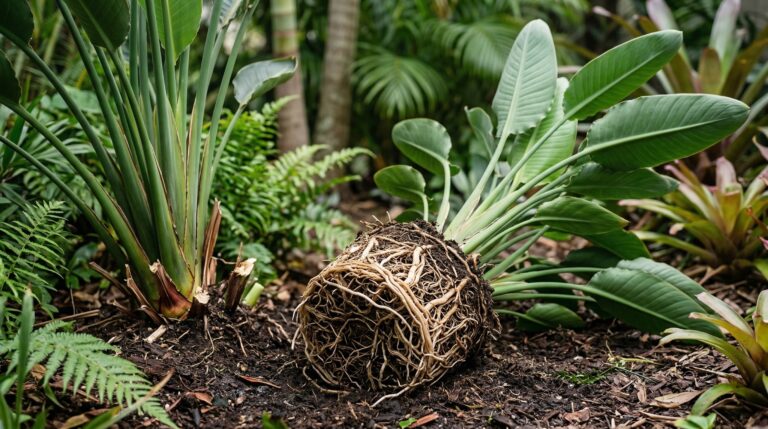
Digging up and dividing a mature bird of paradise outdoor clump requires significant effort due to the dense, tuberous root system. You will need a sharp spade or a pruning saw to cut cleanly through the thick rhizomes, making sure each new division contains at least four healthy leaves and a solid portion of roots. Replanting these divisions immediately into well-prepared soil minimizes transplant shock, though you should expect a delay of a year or two before the new clumps begin flowering again. Providing consistent moisture and a light application of balanced fertilizer helps the divisions establish their root systems in their new locations. You can surround the newly divided clumps with temporary fillers like lantana to maintain color in the garden bed while the bird of paradise recovers.
The way a plant behaves in the soil and weather of your specific neighborhood matters far more than the generalized advice printed on a nursery tag. Recognizing the limitations and advantages of your local climate allows you to manipulate the growing environment to your advantage. Whether you are building raised beds to combat heavy clay or planting near a brick wall to ward off winter frost, these targeted actions make the difference between a surviving plant and a thriving one. Modifying your gardening practices to match your regional reality results in healthier root systems and more reliable flowering cycles. Applying this principle of local observation and adaptation will improve your success rate with every plant you introduce to your garden.
More About Bird of Paradise
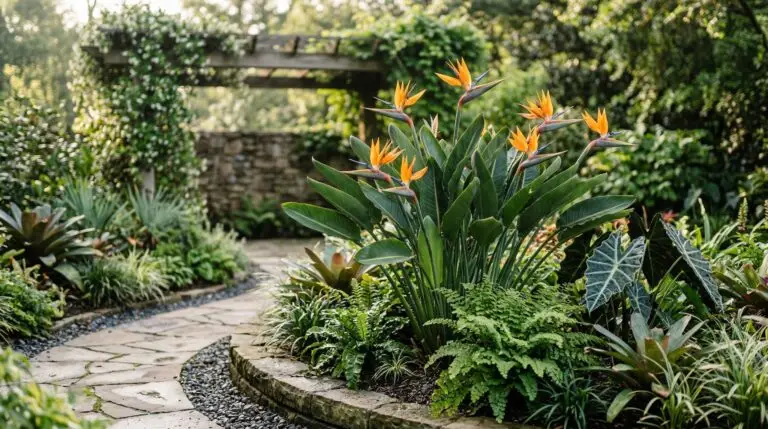
Using bird of paradise flowers in dramatic tropical floral arrangements
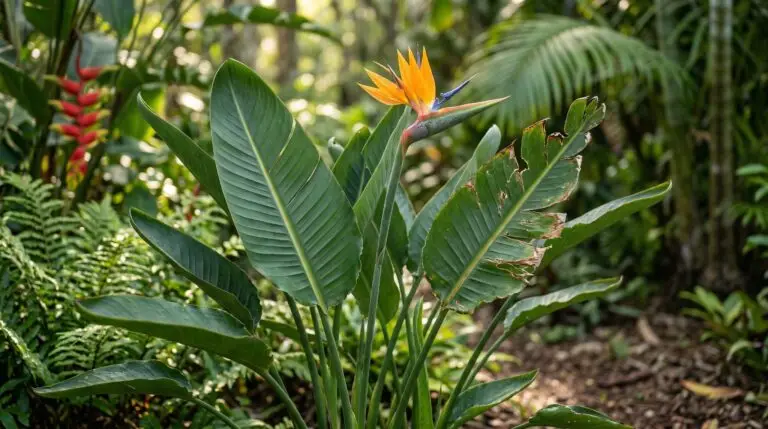
Bird of paradise leaf splitting and curling and what your plant is trying to tell you
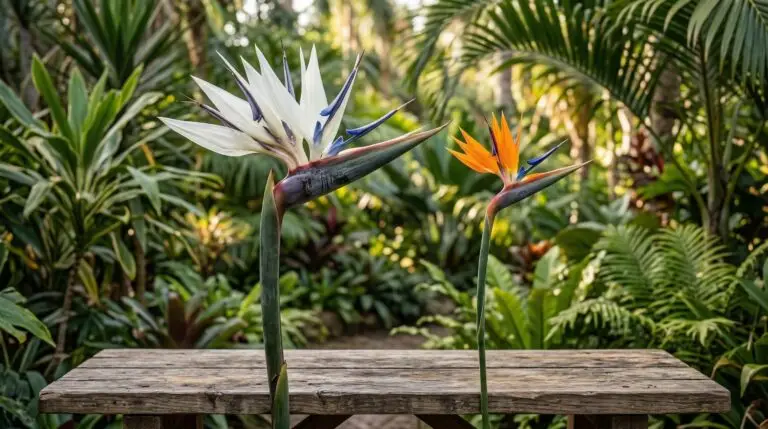
Giant white bird of paradise versus orange bird of paradise and which to choose
How to divide bird of paradise to share with friends or fill your garden
Bird of paradise in modern interior design as a living sculptural statement
Bird of paradise in tropical landscape design for a resort-style backyard
Bird of paradise flower meaning and its connection to freedom and paradise
How to grow bird of paradise indoors and get it to bloom in your living room
How to repot a large bird of paradise plant without damaging the root system
Enjoying our flower guides? Add YourFlowersGuide as a preferred source on Google. It helps more readers find us.
Add to Preferred Sources