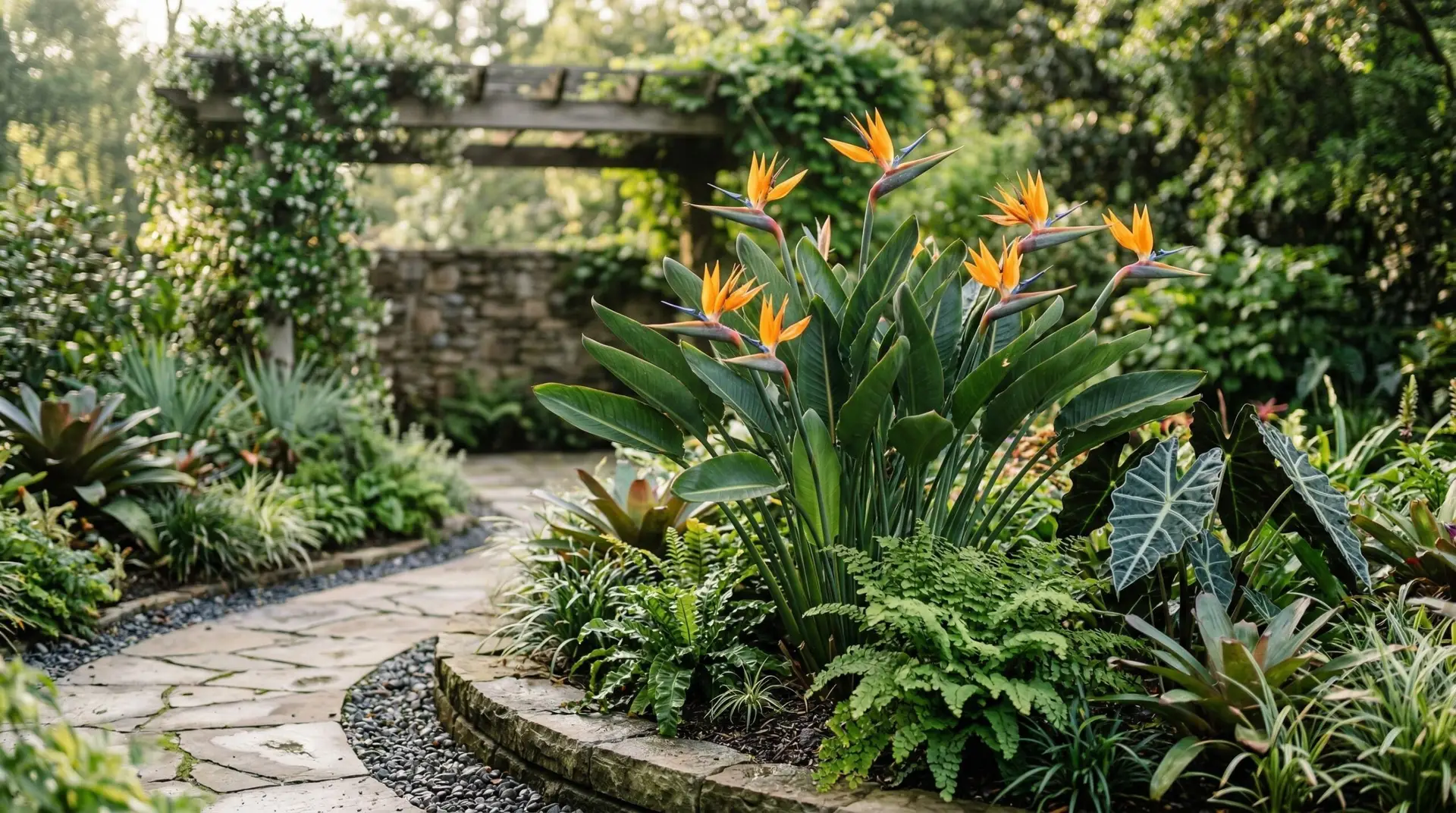
Walk into the lobby of any grand hotel in a warm climate, and you are likely to be greeted by an arrangement that defies gravity. At the center of these massive displays, angular orange and blue crests cut through the air like frozen flames. The bird of paradise, known botanically as Strelitzia reginae, brings an unmistakable geometry to floral design that softer garden blooms simply cannot match. Each thick, reed-like stem supports a horizontal bract that seems ready to take flight across the room. Florists and designers rely on these sharp, horizontal lines to create scale and drama in large spaces. There is a primal energy in the way these flowers hold their shape, refusing to wilt or droop in the quiet heat of an afternoon. Building a tropical flower arrangement requires a shift in perspective, moving away from romantic clusters of petals toward a bold, structural approach.
Working with such a dominant flower means leaving behind the traditional rules of the rounded centerpiece. A successful bird of paradise arrangement acts more like a piece of modern sculpture than a traditional bouquet. The heavy, rigid stems demand heavy, stable vases that can anchor their visual and physical weight without tipping. Designers often use shallow, wide bowls fitted with heavy metal floral frogs, or tall, cylindrical glass vases filled with submerged river stones to hold the thick stalks firmly in place. Giving the flowers room to breathe allows their sharp angles to interact with the empty space around them.
Contents 3 sections
Building structure with negative space
The concept of negative space is essential when arranging tropical flowers. Because the bird of paradise has such a defined, horizontal profile, crowding it next to dozens of other flowers ruins its visual impact. You have to let the sharp beak of the flower point toward open air, creating an invisible line that the eye naturally follows. Many event designers will place just three or five tall stems at varying heights, letting the staggered orange crests step down through the air. The thick green stalks themselves become part of the design, creating strong vertical pillars that anchor the horizontal blooms. A strelitzia bouquet built for a modern event often relies heavily on this grid-like intersection of stems and blooms. When you allow space between the flowers, the arrangement commands the room through sheer architectural presence rather than a dense mass of color.
Finding the right companions for such an assertive flower requires careful editing. Soft, ruffled garden flowers often look out of place next to the rigid geometry of tropical blooms. The goal is to introduce contrasting shapes that share the same thick, waxy texture and preference for warm environments. Deep green tropical foliage like split-leaf philodendron or massive monstera leaves provide a visual resting place beneath the bright orange crests. These broad leaves hide the mechanics of the vase while adding a lush, jungle-like foundation that supports the height of the main flowers.
Selecting companion flowers
The most successful companions offer smooth curves to offset the sharp points of the bird of paradise. The broad, glossy face of an anthurium provides exactly this kind of visual relief. When placed low in the arrangement, their flat, heart-shaped spathes create a solid base of color that grounds the soaring orange blooms above them. For a softer, more elegant transition between heights, the sweeping, tubular form of a calla lily introduces a graceful curve that breaks up the rigid vertical stems. The smooth, unblemished surface of the calla lily feels entirely at home next to the waxy texture of tropical foliage. These pairings work because they share a sculptural quality, looking almost as if they were molded from clay rather than grown in soil.
Adding height and delicate movement to the upper reaches of the design requires a different kind of partner. A tall branch of a moth orchid can arc beautifully over the rigid crests of the strelitzia. The flat, rounded faces of the orchid blossoms provide a quiet contrast to the sharp, arrow-like profiles below them. This combination of strong foundational lines and arching, delicate upper elements is a staple in high-end corporate floral design. The resulting silhouette feels balanced, drawing the eye up the thick stalks and letting it rest on the cascading orchid blooms.
Engineering for longevity
Beyond their visual impact, these flowers are prized in the events industry for their remarkable endurance. A freshly cut bird of paradise can easily last two weeks in a vase with proper care, making it a highly practical choice for weekly hotel lobby installations and multi-day corporate events. The thick, fibrous stems hold a massive amount of water, but they also tend to release a sticky sap that can cloud the vase water quickly. Regular maintenance requires changing the water every two days and giving the stems a fresh, clean cut with a very sharp knife. Dull scissors will crush the vascular tissue in the thick stalks, preventing the heavy flower head from drawing up the water it needs. Keeping the water clean and the cuts fresh ensures the intense orange and blue pigments remain saturated for the life of the arrangement.
There is a specific trick to maintaining the visual impact of these flowers as they age. The horizontal green sheath, called the spathe, actually holds multiple sets of flowers inside its tough casing. As the first set of orange and blue petals begins to shrivel and fade, you can gently snap them off and pull them away. Then, by inserting your thumbs into the slit of the green spathe, you can carefully lift the next hidden set of petals up into the light. This simple technique breathes entirely new life into a fading arrangement, extending its presence on the table for another several days.
Living with these dramatic flowers indoors changes the atmosphere of a room. They refuse to fade quietly into the background or soften the edges of a dining table the way a bowl of garden roses might. They demand attention, casting sharp, bird-like shadows across the walls when the morning light hits them. Watching the stiff orange petals catch the afternoon sun reveals subtle variations in their color, from deep rust at the base to bright tangerine at the tips. The vivid blue tongue at the center of the bloom holds a dusty, iridescent quality that feels almost reptilian up close. Arranging them is an exercise in confidence, requiring you to embrace bold lines and empty space. You are left with a quiet, structural monument on the table, a piece of the tropics standing perfectly still in the shifting light of the house.
More About Bird of Paradise
Growing bird of paradise outdoors in zones 9 through 11 for year-round tropical color
Bird of paradise leaf splitting and curling and what your plant is trying to tell you
Giant white bird of paradise versus orange bird of paradise and which to choose
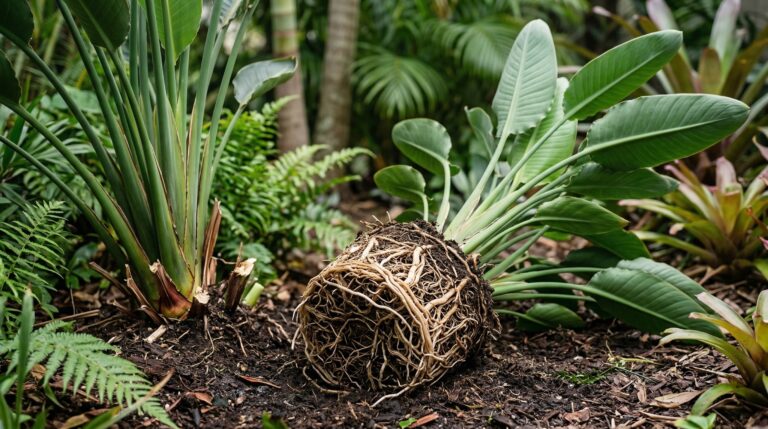
How to divide bird of paradise to share with friends or fill your garden
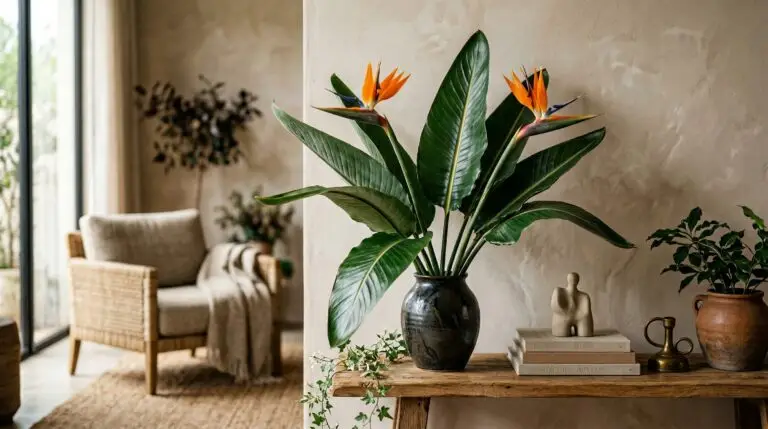
Bird of paradise in modern interior design as a living sculptural statement
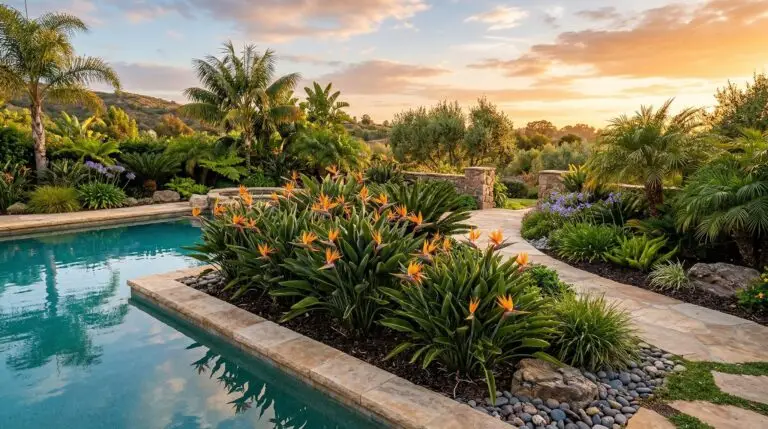
Bird of paradise in tropical landscape design for a resort-style backyard
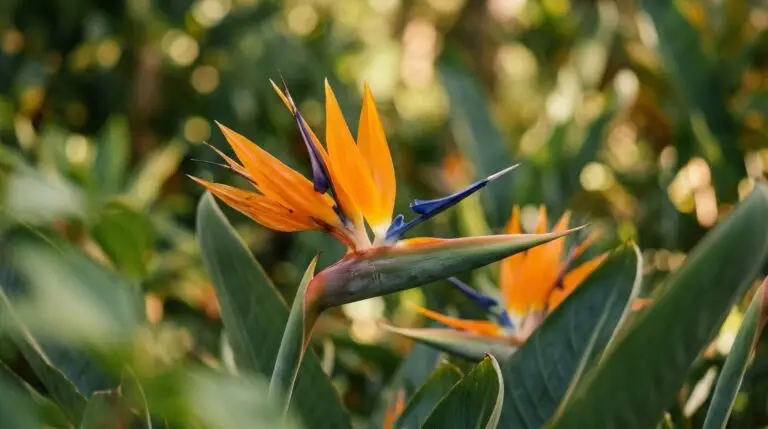
Bird of paradise flower meaning and its connection to freedom and paradise
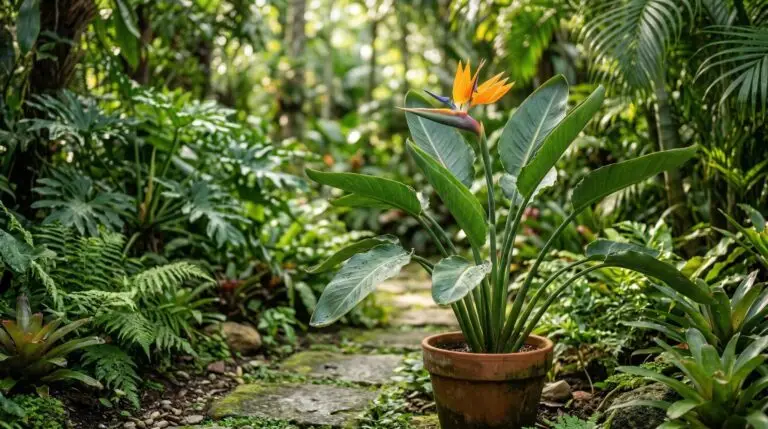
How to grow bird of paradise indoors and get it to bloom in your living room
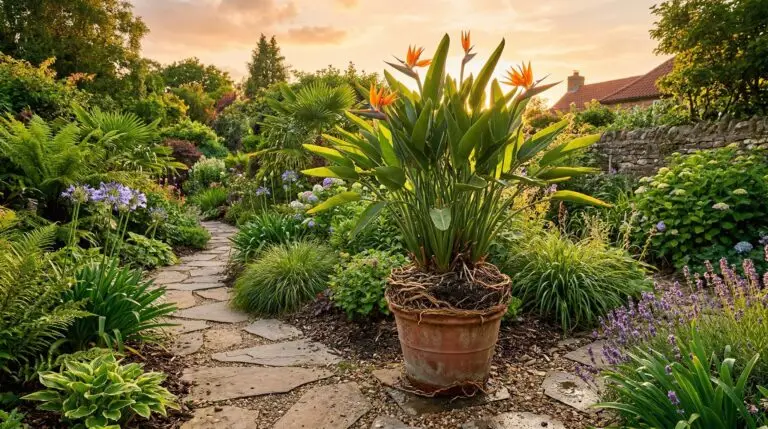
How to repot a large bird of paradise plant without damaging the root system
Enjoying our flower guides? Add YourFlowersGuide as a preferred source on Google. It helps more readers find us.
Add to Preferred Sources