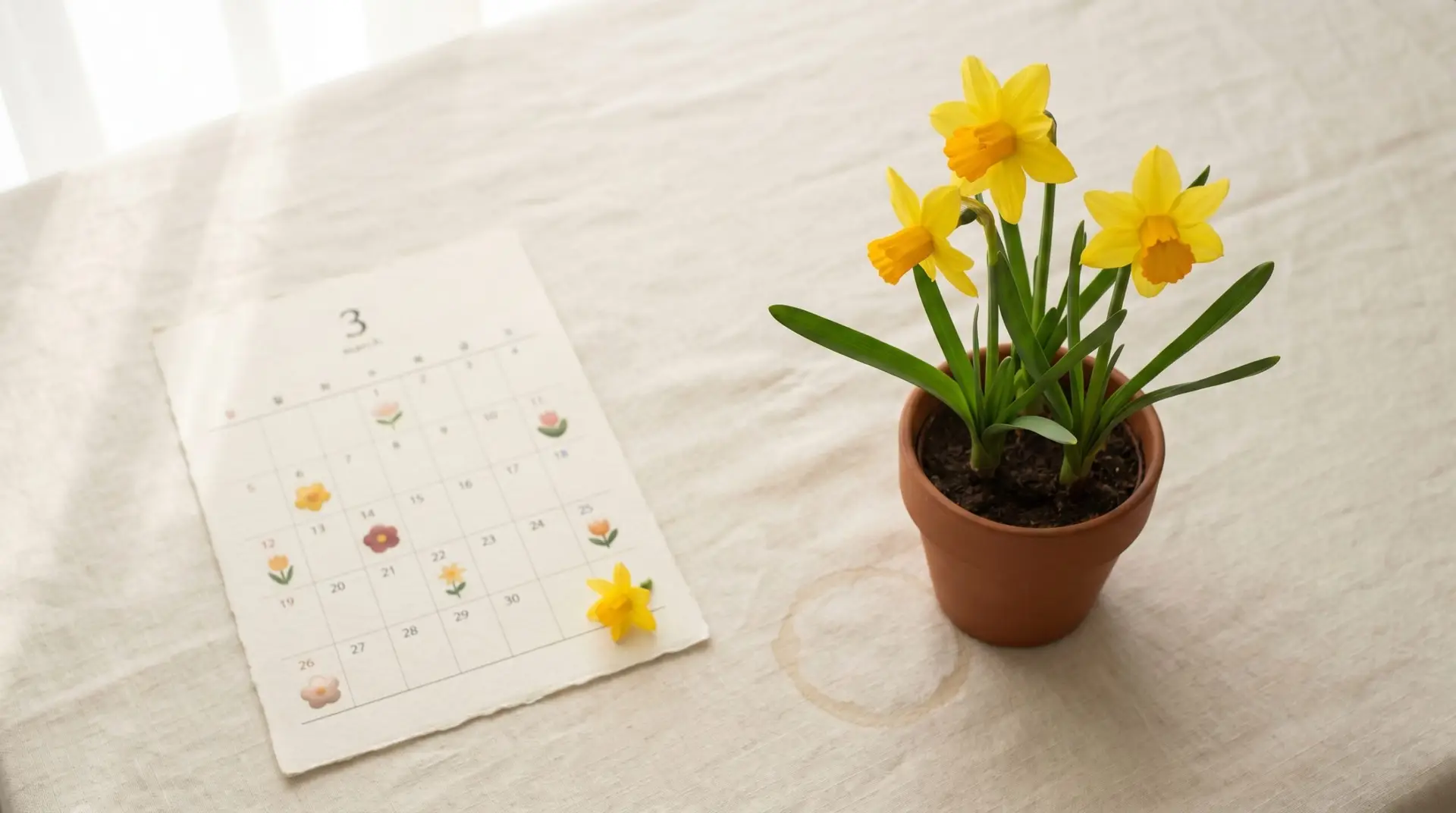
Korean tradition assigns a unique flower to each of March’s 31 days. The system runs parallel to the Western birth flower tradition (which gives all of March to daffodil and jonquil) and offers a more granular reading that ties specific birthdays to specific blooms.
March in the Korean list opens with narcissus on day 1, which is a direct overlap with the Western primary daffodil tradition (both daffodil and narcissus belong to the same genus Narcissus, with the Korean reading using the broader narcissus naming). The list moves through themes of pride and courage in the first ten days, joy and unchanging devotion in the middle stretch, and blessings and dream love in the final stretch. Several culturally significant entries appear: white primrose on day 26 (matching the Western primrose tradition for February with the meaning “first love” in Korean reading), gladiolus on day 23 with “passionate love” symbolism, and the leap-mention of nigella damascena (love-in-a-mist) on day 31 closing the month with “dream love.”
In this guide 6 sections
Early March (Mar 1-10): pride and courage themes
The first ten days of March in the Korean tradition center on pride and courage themes, with several plants representing strong character traits.
| Day | Flower | Korean (한국어) | Meaning |
|---|---|---|---|
| Mar 1 | Narcissus | 수선화 | Mystery, pride |
| Mar 2 | Buttercup | 미나리아재비 | Beautiful character, innocence |
| Mar 3 | Astragalus | 자운영 | My happiness |
| Mar 4 | Raspberry | 산딸기 | Love, affection |
| Mar 5 | Cornflower | 수레국화 | Happiness |
| Mar 6 | Daisy | 데이지 | Playfulness |
| Mar 7 | Wavy bittercress | 황새냉이 | Deep nostalgia |
| Mar 8 | Castanea (chestnut) | 밤나무 | Honesty, sincerity |
| Mar 9 | Larch | 낙엽송 | Courage |
| Mar 10 | Elm | 느릅나무 | Noble |
The early March cluster reads as a series of strength-and-character readings. Narcissus on day 1 gives a doubled symbolic weight to March 1 (Western primary daffodil plus Korean narcissus). Buttercup on day 2 has the same “innocent” meaning that appears on January 20 and February 18 in the Korean list, indicating the recurring importance of buttercup symbolism. Several tree species appear (chestnut, larch, elm) reading as character-trait associations rather than flower-bloom readings.
The narcissus assignment on March 1 deserves attention. Western tradition lists daffodil (a member of the genus Narcissus) as the primary March birth flower, with daffodil/narcissus tied to the March 1 St David’s Day Welsh national emblem tradition. Korean tradition independently selected narcissus for March 1. The convergence gives March 1 birthdays the strongest combined symbolic weight in the entire month, with the Korean “mystery, pride” reading reinforcing the Western “rebirth, new beginnings” reading.
Mid March (Mar 11-20): joy and unchanging themes
The middle ten days of March shift to themes of joy, devotion, and unchanging affection.
| Day | Flower | Korean (한국어) | Meaning |
|---|---|---|---|
| Mar 11 | Ixeris | 씀바귀 | Simple, dedicated |
| Mar 12 | Weeping willow | 수양버들 | Sadness of love |
| Mar 13 | Day lily | 원추리 | Oblivion of love |
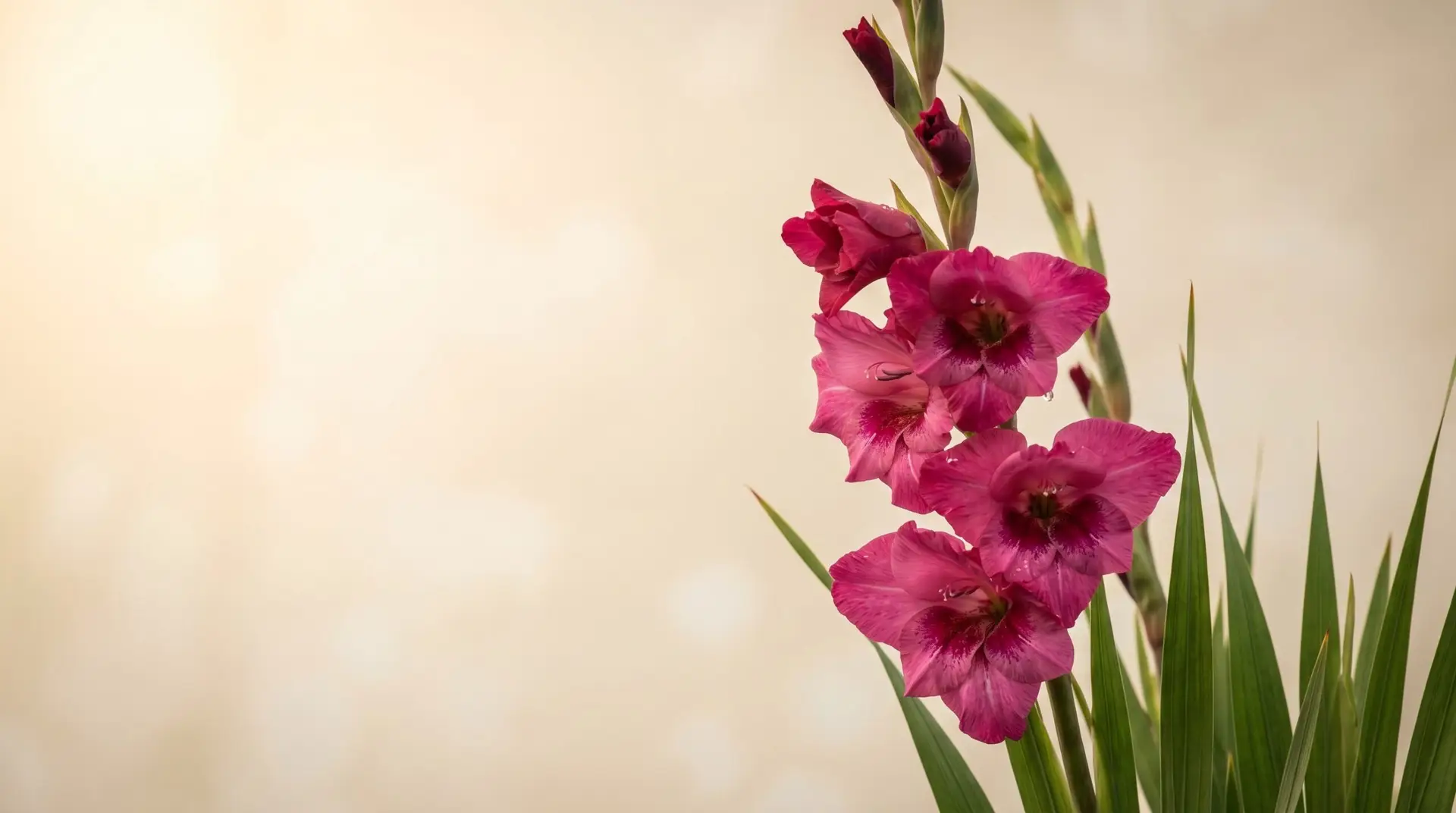
| Mar 14 | Almond | 아몬드 | Hopes and desires |
| Mar 15 | Conium maculatum | 독미나리 | No regret in death |
| Mar 16 | Mint | 박하 | Virtue |
| Mar 17 | Bean flower | 콩꽃 | Happiness will definitely come |
| Mar 18 | Asparagus | 아스파라거스 | Unchanging |
| Mar 19 | Cape jasmine | 치자나무 | Infinite joy |
| Mar 20 | Purple tulip | 보라튤립 | Eternal love |
The mid-March stretch covers a more complex emotional range than other clusters. Day 12 (weeping willow, “sadness of love”) and day 13 (day lily, “oblivion of love”) sit alongside day 17 (bean flower, “happiness will definitely come”) and day 19 (cape jasmine, “infinite joy”). The juxtaposition matches the late-winter-to-spring transition that March marks, with both sadness and joy coexisting in the seasonal mood.
March 14 in the Korean reading is almond (아몬드) with the meaning “hopes and desires.” This date corresponds to “White Day” in modern Korean and Japanese commercial culture, when men reciprocate Valentine’s Day gifts by giving women white-colored items (often white chocolate, but also white flowers and other gifts). The traditional almond assignment with its “hopes and desires” reading aligns with the White Day theme of returned affection.
March 15’s Conium maculatum (독미나리, poison hemlock) is the most unusual entry in the month. The plant is famously toxic and was the means of Socrates’s execution in classical Greek history. The Korean assignment with the meaning “no regret in death” gives the date a stoic-philosophical reading drawn from the Socratic tradition rather than from any positive symbolic association with the plant itself.
Late March (Mar 21-31): blessings and dream love themes
The final eleven days of March move toward themes of blessings, beauty, and dream love, closing the month with several distinctive entries.
| Day | Flower | Korean (한국어) | Meaning |
|---|---|---|---|
| Mar 21 | Honey plant | 꿀풀 | Beginning of life, empathy |
| Mar 22 | Mallow | 아욱 | Blessings |
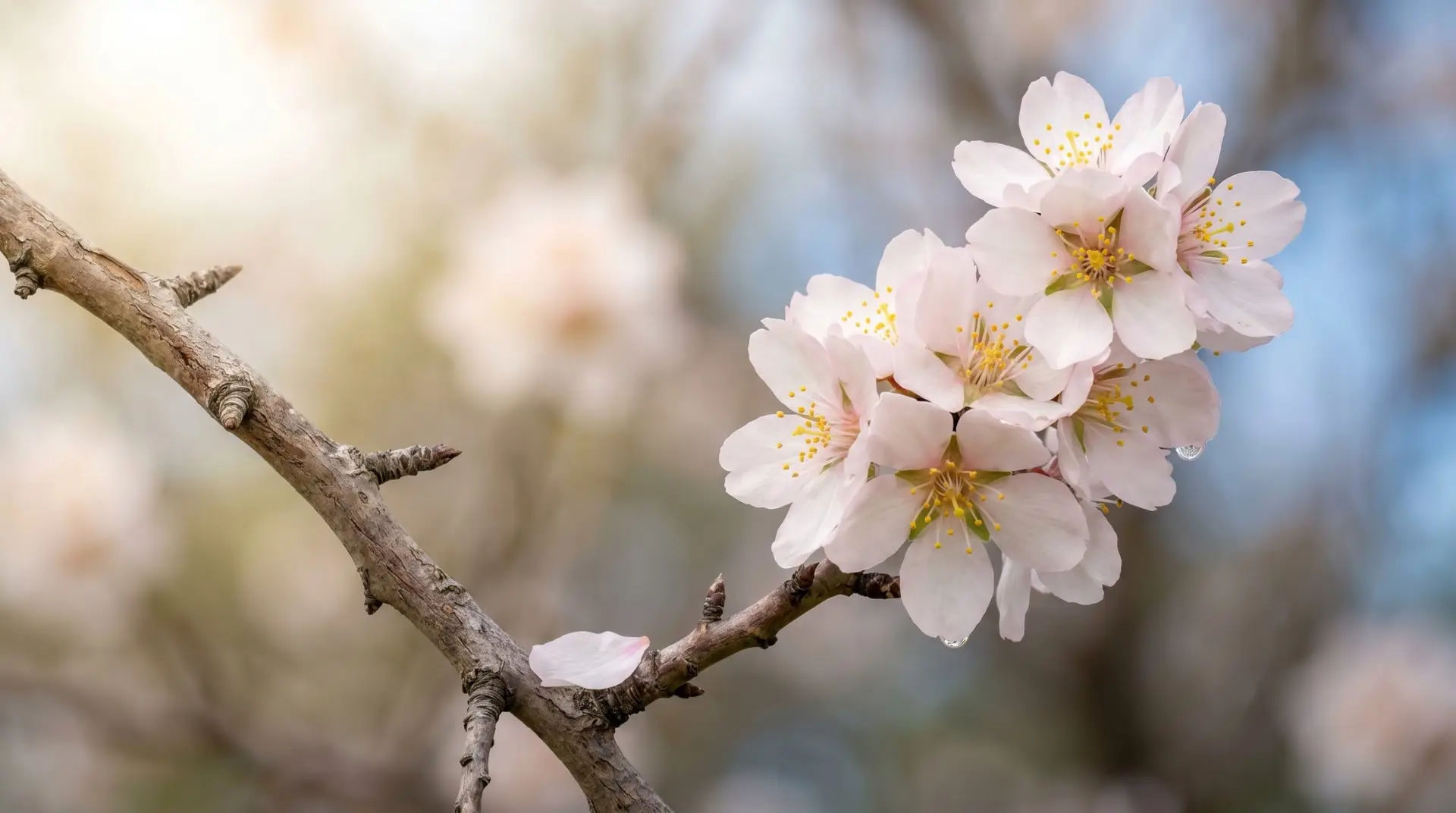
| Mar 23 | Gladiolus | 글라디올러스 | Passionate love |
| Mar 24 | California poppy | 캘리포니아양귀비 | Good hopes |
| Mar 25 | Climbing plant | 덩굴식물 | Beauty |
| Mar 26 | White primrose | 흰앵초 | First love |
| Mar 27 | Calceolaria | 칼세올라리아 | Help |
| Mar 28 | Robinia hispida | 꽃아카시아 | Dignity |
| Mar 29 | Burdock | 우엉 | Don’t touch me |
| Mar 30 | Scotch broom | 양골담초 | Attractive |
| Mar 31 | Nigella damascena | 흑종초 | Dream love |
The late March cluster shifts toward warmer themes. Gladiolus on day 23 with “passionate love” gives a strong romantic reading to that date. White primrose on day 26 with “first love” connects March to February’s secondary birth flower tradition; Western primrose has similar “first beginnings” symbolism, making March 26 a cross-cultural alignment date for primrose lovers.
Burdock on day 29 with “don’t touch me” is the most unusual late-March entry. The plant has hooked burs that catch in clothing and animal fur (the inspiration for Velcro fastener invention by Swiss engineer George de Mestral in 1948), and the symbolic reading reflects this physical characteristic. A March 29 birthday in Korean reading takes on the distinctive “boundary-setting” symbolism that no other date in the month offers.
The month closes with nigella damascena (love-in-a-mist) on day 31 with the meaning “dream love.” The plant has delicate blue flowers surrounded by feathery green bracts, and the “mist” in the common name refers to the soft green halo around each bloom. The “dream love” symbolism reads as the romantic end-of-month flower closing March with a gentle aspirational note.
How Korea’s March compares to Western daffodil tradition
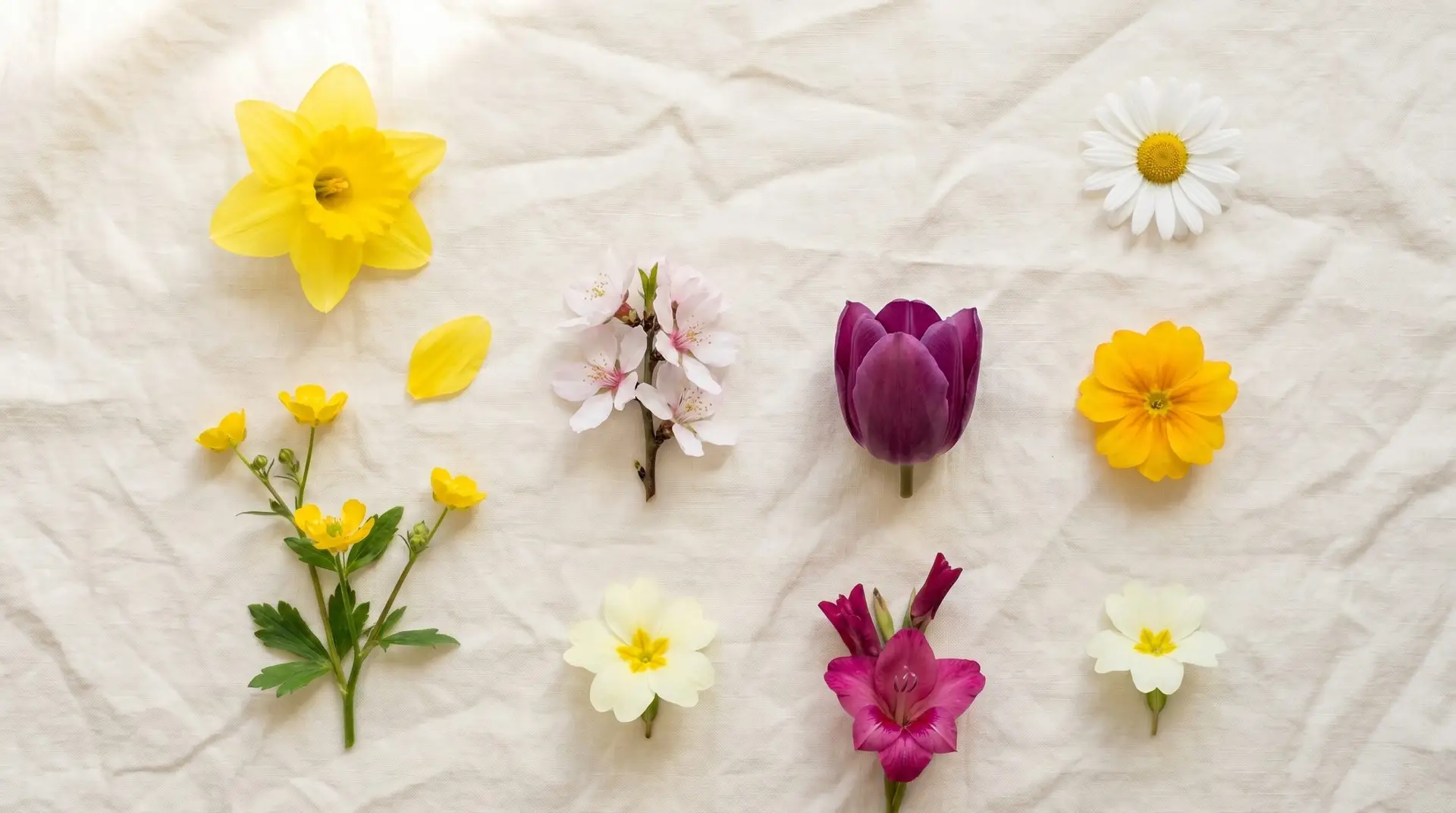
The two traditions overlap meaningfully for March. Western tradition assigns daffodil (a member of the genus Narcissus) as the primary March birth flower; Korean tradition independently assigned narcissus to March 1 with the meaning “mystery, pride.” The two assignments reinforce each other on March 1 specifically.
Additional cross-cultural alignment appears on March 26, where Korean white primrose (“first love”) connects to Western primrose tradition (the secondary February birth flower with “first beginnings” symbolism). The cross-month connection means a March 26 birthday can draw on the Korean “first love” reading or the Western “first beginnings” reading interchangeably.
The two traditions differ on the romantic-Valentine intersection. Western tradition does not have a major March romantic date. Korean tradition treats March 14 as White Day, when men reciprocate Valentine’s Day gifts by giving women white-colored items. The traditional almond assignment (“hopes and desires”) for March 14 aligns with this returned-affection theme.
Welsh St David’s Day (March 1) has no Korean equivalent in flower terms. The Korean narcissus reading for March 1 emphasizes individual character traits (mystery, pride) rather than national-civic symbolism.
Questions
Frequently asked
What is the Korean birth flower for March 1?
Narcissus (수선화), with the meaning “mystery, pride.” The Korean tradition aligns with Western tradition on March 1 because daffodil (a member of the genus Narcissus) is the Western primary March birth flower, making March 1 the strongest cross-cultural alignment date in March.
What is the Korean birth flower for March 14?
Almond (아몬드), with the meaning “hopes and desires.” The date corresponds to White Day in modern Korean commercial culture, when men reciprocate Valentine’s Day gifts by giving women white-colored items.
What is the Korean birth flower for March 26?
White primrose (흰앵초), with the meaning “first love.” This date connects to the Western primrose tradition (the secondary February birth flower with “first beginnings” symbolism), making March 26 a cross-cultural alignment date.
Why is March 31 the “dream love” date?
Nigella damascena (흑종초, love-in-a-mist) on March 31 has the symbolic reading “dream love.” The plant has delicate blue flowers surrounded by feathery green bracts that create a misty visual effect, and the symbolism suggests gentle aspirational romance.
Why does poison hemlock (Conium maculatum) appear on March 15?
The Korean tradition assigns “no regret in death” to Conium maculatum, reflecting the plant’s historical role as the means of Socrates’s execution in classical Greek history. The reading draws on the Socratic tradition rather than on any positive symbolic association with the toxic plant itself.
Why is burdock the March 29 flower?
Burdock has hooked burs that catch in clothing and animal fur (the inspiration for Velcro invention by Swiss engineer George de Mestral in 1948). The Korean symbolic reading “don’t touch me” reflects this physical characteristic. A March 29 birthday in Korean reading takes on the distinctive boundary-setting symbolism.
Which Korean March birth flower is for my birthday?
Find your date in the tables above. The Korean tradition assigns one specific flower to each day from March 1 (narcissus) through March 31 (nigella damascena). Each daily flower has its own symbolic reading.
Sources
- Korean birth flower 365-day tradition guide · Creatrip Korean culture portal
Keep reading
March birth flower: daffodil, jonquil, and what they mean
Jonquil flower meaning: botany, Spanish heritage, and fragrance
Daffodil tattoo: designs, color symbolism, and placement
Birth flower by month: all 12 monthly flowers
Enjoying our flower guides? Add YourFlowersGuide as a preferred source on Google. It helps more readers find us.
Add to Preferred Sources