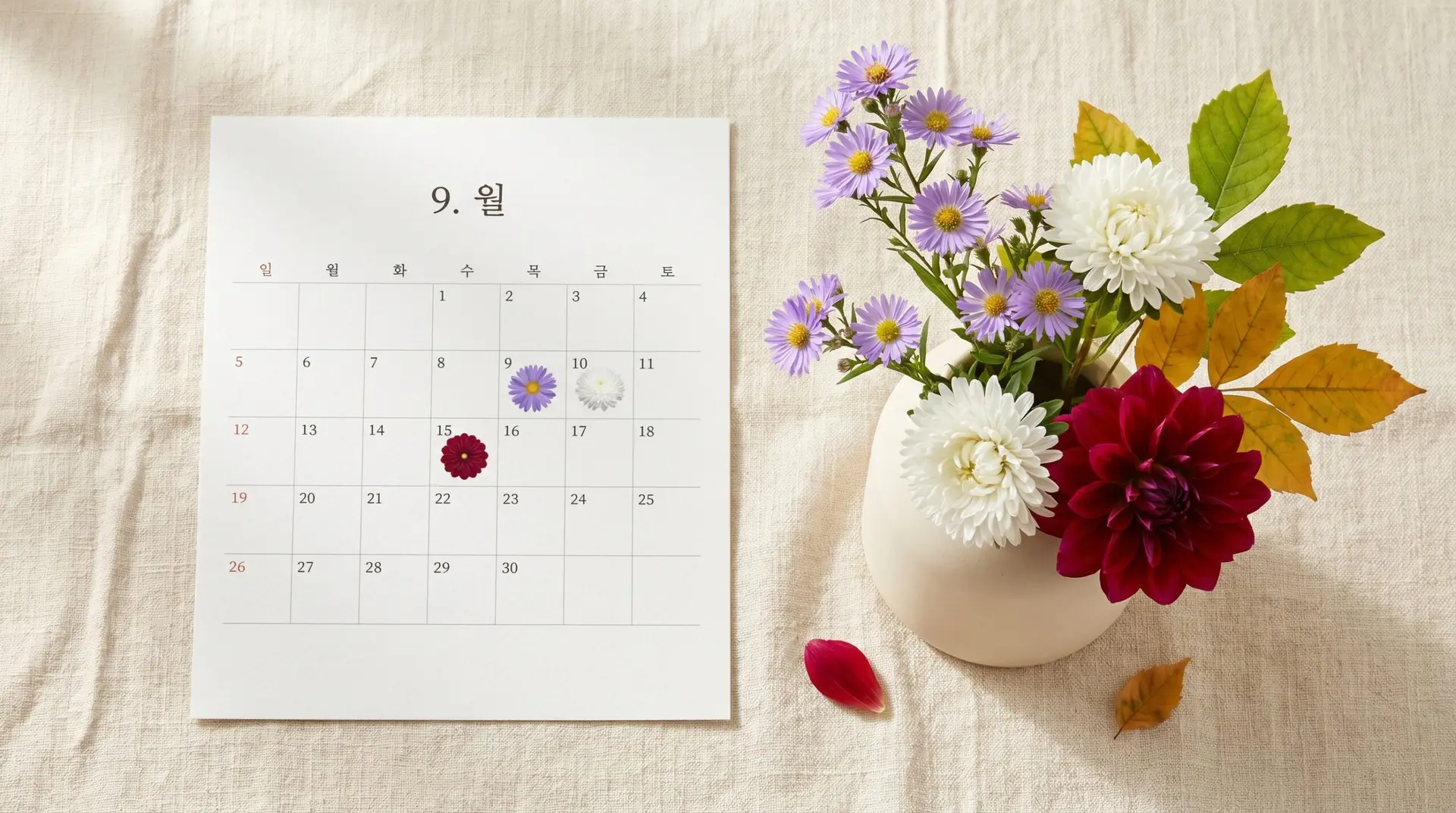
Korean tradition assigns a unique flower to each of September’s 30 days. The system runs parallel to the Western birth flower tradition, which gives all of September to aster and morning glory, and offers a more granular reading that ties specific birthdays to specific blooms.
September in the Korean list moves from late-summer color toward early-autumn harvest plants. The early days carry readings of love, change, and reliability. The middle stretch turns inward, with dahlia, gentian, and the deep-blue and quiet meanings that suit a cooling season. The final ten days lean on fruit and tree plants such as orange, persimmon, apple, and cedar, ending the month on readings of fame and greatness as the harvest season opens.
In this guide 6 sections
Early September (September 1-10): love and reliability
The first ten days of September in the Korean tradition center on love, change, and steady feeling.
| Day | Flower | Korean (한국어) | Meaning |
|---|---|---|---|
| September 1 | Tiger Flower | 호랑이꽃 | Love me |
| September 2 | Mexican Ivy | 멕시칸 아이비 | Change |
| September 3 | Marguerite | 마거리트 | Hidden love |
| September 4 | Geum | 뱀무 | Satisfied love |
| September 5 | Elm | 느릅나무 | Reliability |
| September 6 | Nasturtium | 한련 | Patriotism |
| September 7 | Orange | 오렌지 | New bride’s joy |
| September 8 | Mustard | 갓 | Calm indifference |
| September 9 | Michaelmas Daisy | 갓개매취 | Memories |
| September 10 | China Aster | 흰색 과꽃 | Faithful and trusting heart |
Tiger flower on September 1 with the reading “love me” opens the month on a direct note of affection. Marguerite on September 3 with “hidden love” and geum on September 4 with “satisfied love” continue that romantic register through the first week, moving from a wish held back to a feeling already met.
Elm on September 5 with “reliability” shifts the early window toward a steadier theme. The elm is a large, long-lived shade tree, and the Korean reading suits its solid, dependable presence. Nasturtium on September 6 with “patriotism” and orange on September 7 with “new bride’s joy” round out the week, the orange tree read here for the happiness of a wedding rather than its fruit.
Michaelmas daisy on September 9 with “memories” and China aster on September 10 with “faithful and trusting heart” both belong to the aster group, the same family the Western calendar names as September’s primary flower. The Michaelmas daisy is a true late-season aster, and the China aster sits in the wider aster tribe. Their back-to-back placement gives the early window two genuine points of overlap with the Western tradition.
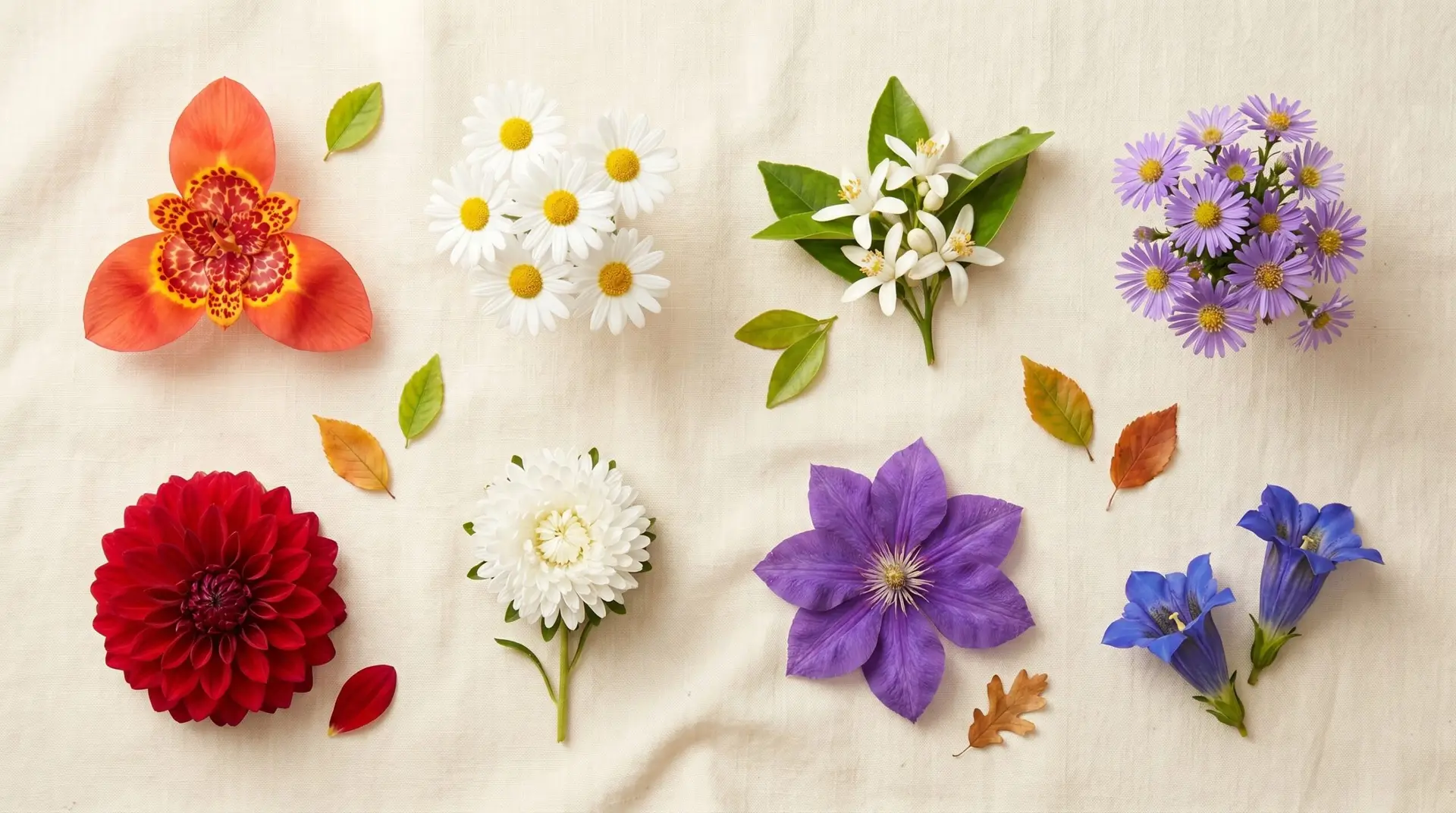
Mid September (September 11-20): depth and reflection
The middle ten days move through themes of resolve, beauty, and quieter feeling.
| Day | Flower | Korean (한국어) | Meaning |
|---|---|---|---|
| September 11 | Aloe | 알로에 | Strong will to overcome difficulties |
| September 12 | Clematis | 클레마티스 | Beauty of the heart |
| September 13 | Weeping Willow | 버드나무 | Straightforward, honest |
| September 14 | Quince | 마르멜로 | Seduction, temptation |
| September 15 | Dahlia | 다알리아 | Splendor |
| September 16 | Gentiana | 용담 | Beautiful sadness |
| September 17 | Erica | 에리카 | Solitude |
| September 18 | Thistle | 엉겅퀴 | Harshness |
| September 19 | Carex | 사초 | Self-respect |
| September 20 | Rosemary | 로즈메리 | Think of me |
Dahlia on September 15 with “splendor” sits at the center of the mid-September window. The dahlia is a tall, large-flowered garden plant that peaks in late summer and early autumn, and the reading suits its showy, full-petalled bloom. Clematis on September 12 with “beauty of the heart” carries a softer note from earlier in the window, read for inward rather than outward beauty.
Gentiana on September 16 with “beautiful sadness” brings the deep autumn mood into the list. Gentian is known for its strong blue flowers, among the few true blues in temperate gardens, and it blooms into the cooler weeks of the season. Erica on September 17 with “solitude” continues that quieter register, the heath read for stillness rather than display.
Thistle on September 18 with “harshness” is the sharp entry of the window, fitting a plant defended by spines. Carex on September 19 with “self-respect” and rosemary on September 20 with “think of me” close the middle stretch on a steadier footing, the rosemary read for memory and remembrance, a meaning long attached to the aromatic herb.
Late September (September 21-30): harvest and greatness
The final ten days move toward harvest fruit, noble trees, and readings of fame and greatness.
| Day | Flower | Korean (한국어) | Meaning |
|---|---|---|---|
| September 21 | Saffron | 사프란 | Youth without regrets |
| September 22 | Quaking Grass | 퀘이킹 그라스 | Excitement |
| September 23 | Yew Tree | 주목 | Noble |
| September 24 | Orange | 오렌지 | Newlywed joy |
| September 25 | Wild Oat | 메귀리 | To love music |
| September 26 | Persimmon | 감 | Natural Beauty |
| September 27 | Sweet Oak Tree | 떡갈나무 | Love is forever |
| September 28 | Love-Lies-Bleeding | 색비름 | Self confidence |
| September 29 | Apple Blossom | 사과 | Fame |
| September 30 | Cedar Tree | 삼나무 | Greatness, magnificence |
Saffron on September 21 with “youth without regrets” opens the closing window. Saffron crocus flowers in autumn, and the reading frames the late season as a time without remorse rather than loss. Quaking grass on September 22 with “excitement” and wild oat on September 25 with “to love music” bring two grasses into the window, both light-headed plants that move with the wind.
Persimmon on September 26 with “natural beauty” reflects the autumn harvest, when the fruit ripens to deep orange on the bare branch. Orange returns on September 24 with “newlywed joy,” echoing the September 7 orange and tying both dates to the happiness of marriage. Sweet oak tree on September 27 with “love is forever” reads the long-lived oak as a symbol of lasting devotion.
Apple blossom on September 29 with “fame” and cedar tree on September 30 with “greatness, magnificence” close the month on its grandest readings. The cedar is a tall, stately conifer, and the meaning suits its scale and long life. Love-lies-bleeding on September 28 with “self confidence” sits just before them, the amaranth read for assurance rather than the drooping name it carries.
How Korea’s September compares to Western tradition
The Western tradition gives all of September to aster as the primary flower and morning glory as the secondary. The Korean daily list does not name aster outright on a single date, but two consecutive early-month flowers belong to the aster group and form the genuine point of overlap.
September 9 is Michaelmas daisy, a true late-season aster, and September 10 is China aster, a member of the wider aster tribe. Both fall within the same family the Western calendar names for the month, so the Korean and Western readings meet on those two dates even though the Korean list does not use the bare word aster.
Morning glory, the Western secondary flower for September, does not appear anywhere in the Korean September list. The omission fits the broader pattern of the Korean year, where the daily flowers lean toward East Asian garden, field, and orchard plants rather than the flowers that anchor the Western monthly tradition.
The two systems are best read as complementary rather than competing. A September birthday can take the broad Western pairing of aster and morning glory, or the specific Korean flower for the exact date, and the Michaelmas daisy on September 9 and China aster on September 10 are where the two readings come closest.
Questions
Frequently asked
What is the Korean birth flower for September 1?
Tiger flower (호랑이꽃), with the meaning “love me.” It opens the Korean September on a direct note of affection.
What is the Korean birth flower for September 15?
Dahlia (다알리아), with the meaning “splendor.” The dahlia is a large-flowered garden plant that peaks in late summer and early autumn, and it sits at the seasonal center of the month.
Does Korean tradition use aster for September?
Not by that exact name, but two early-month flowers belong to the aster group. September 9 is Michaelmas daisy, a true late-season aster, and September 10 is China aster, which sits in the wider aster tribe. Aster is the Western primary flower for September, so these two dates are where the traditions overlap.
Does Korean September include morning glory?
No. Morning glory is the Western secondary flower for September, but it does not appear anywhere in the Korean September list. The Korean system leans toward East Asian garden, field, and orchard plants.
Why does orange appear twice in September?
The Korean September list assigns orange (오렌지) to both September 7 (“new bride’s joy”) and September 24 (“newlywed joy”). Repeated flowers with closely related meanings appear on several dates across the Korean year.
What is the Korean birth flower for September 30?
Cedar tree (삼나무), with the meaning “greatness, magnificence.” The cedar is a tall, long-lived conifer, and the reading closes the month on its grandest note.
Which Korean September birth flower is for my birthday?
Find your date in the tables above. The Korean tradition assigns one specific flower to each day from September 1 (tiger flower) through September 30 (cedar tree), and each daily flower has its own short meaning.
Sources
- Korean birth flower 365-day tradition guide · Creatrip Korean culture portal
Keep reading
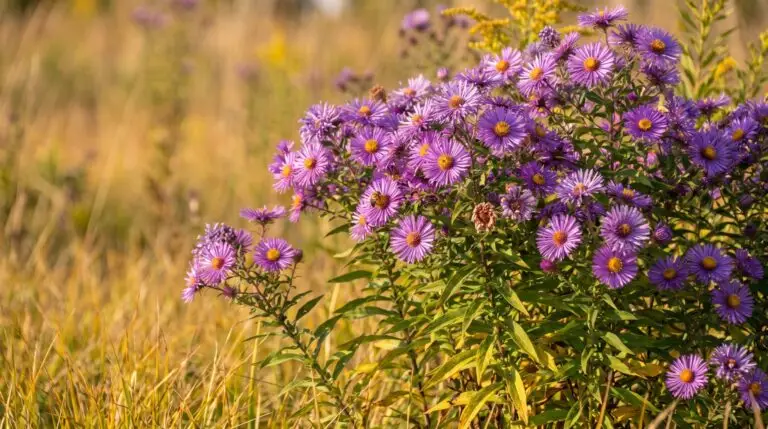
September birth flower: aster, morning glory, and what they mean
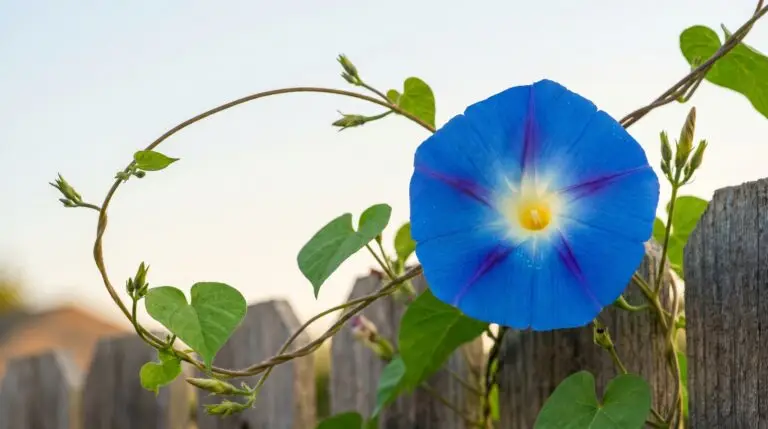
Morning glory flower meaning: Japanese culture, color, and growing
Aster tattoo: meaning, designs, and star-flower symbolism
Birth flower by month: all 12 monthly flowers
Enjoying our flower guides? Add YourFlowersGuide as a preferred source on Google. It helps more readers find us.
Add to Preferred Sources