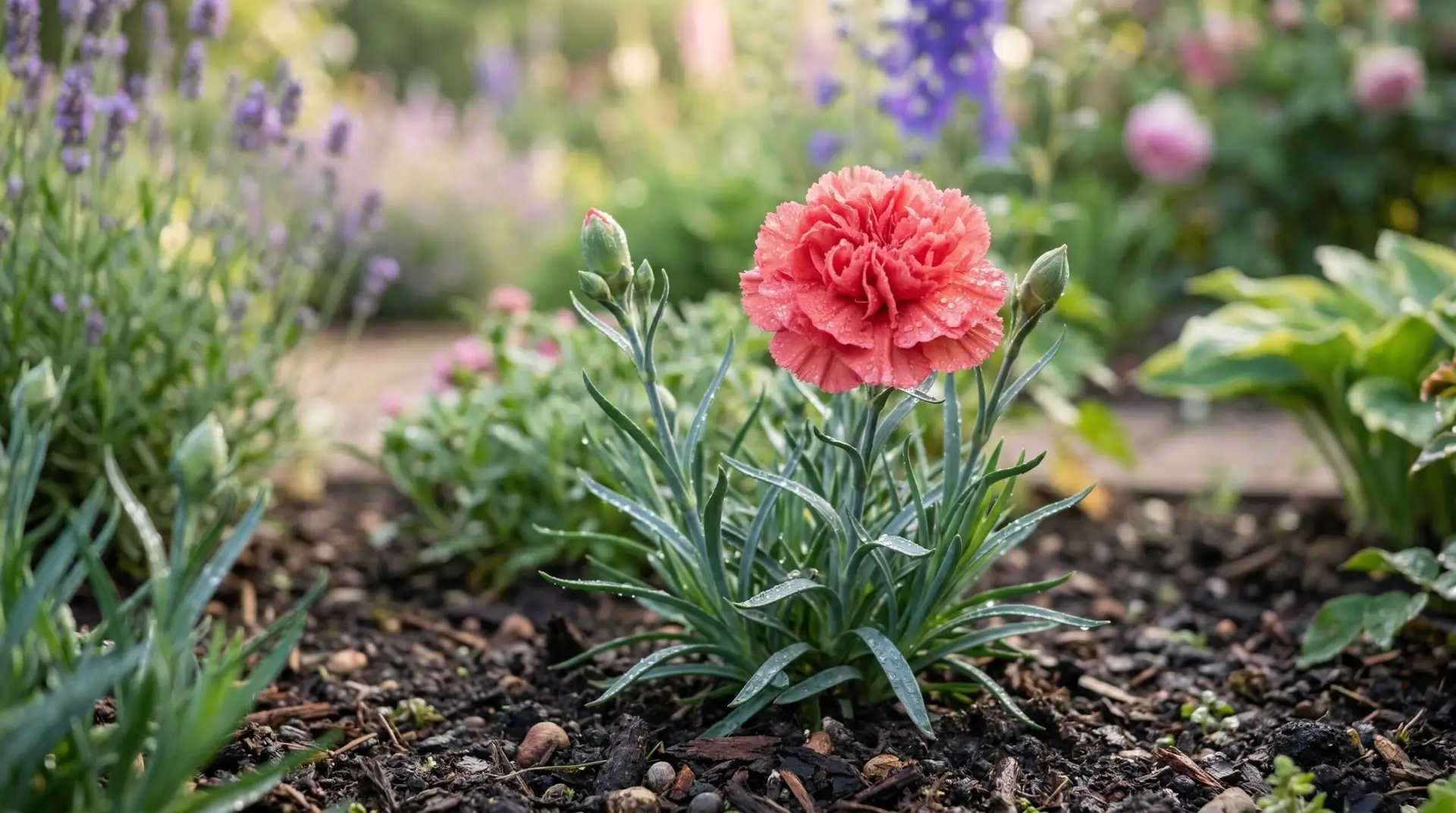
Carnations are exceptionally sensitive to ethylene gas, and managing this exposure dictates their vase life more than any other factor. Most people assume water quality is the primary driver of decay, but a carnation will collapse in pristine water if placed near ripening fruit. When handled correctly, a fresh cut carnation will easily survive fourteen to twenty days in a vase. Achieving this longevity requires precise control over stem hydration and bacterial growth from the moment the flowers enter your home. You must treat them as living systems that require specific chemical inputs rather than static decorations. Proper carnation cut flower care demands a systematic approach to water temperature, nutrient delivery, and environmental positioning. Every step in the process builds upon the previous one, meaning a failure to sanitize your vase will render the best preservative recipe useless.
Contents 5 sections
Selecting stems and preventing water contamination
The clock on your floral arrangement starts ticking before you even bring the flowers inside, making stem selection a critical first step. Look for carnations where the center petals are still tightly clustered, while the outer petals stand firm and perpendicular to the stem. Avoid any flowers with papery, translucent edges on the outer petals, as this indicates the bloom has already reached maturity. Once you have the right stems, you must strip every leaf that falls below the waterline of your chosen vase before placing the stems in the solution. Carnation leaves rot exceptionally fast when submerged in water, creating a toxic environment that destroys the vascular system of the flower. Pull the leaves downward gently to snap them off at the node, being careful not to strip or tear the main stem tissue in the process. Any damage to the outer layer of the stem provides an entry point for bacteria and fungi to bypass the plant’s natural defenses.
Cutting techniques and water temperature management
Cut the stems at a strict forty-five degree angle underwater to prevent air bubbles from blocking the vascular tissue. Carnations possess distinct nodes along their stems, and you must make your cut exactly between these swollen joints rather than directly through them. Cutting through a node crushes the cellular structure and severely limits water uptake, guaranteeing early wilting. Use a sharp, non-serrated knife instead of scissors or shears, as crushing the stem ends invites massive bacterial colonization. Submerge the freshly cut stems immediately in room temperature water between sixty-five and seventy degrees Fahrenheit. Despite what many sources claim, cold water shocks carnation stems and slows hydration, while warm water accelerates bacterial growth without providing any hydration benefit. You should process the stems quickly to minimize the time the freshly cut ends are exposed to the ambient air.
Formulating the ideal preservative solution
Commercial floral preservatives work well, but you can mix a highly effective solution using household ingredients to maximize carnation vase life. Combine one quart of room temperature water with two tablespoons of lemon juice, one tablespoon of granulated sugar, and half a teaspoon of liquid household bleach. The lemon juice lowers the water pH to roughly 3.5, which mimics the plant’s natural cellular sap and accelerates fluid uptake. Sugar provides the necessary carbohydrates to keep the petals fully expanded, while the bleach prevents the sugar from feeding bacterial colonies. Change this solution entirely every three days, washing the vase with hot soapy water before refilling it to remove biofilm buildup on the glass. Rinsing the vase is inadequate, as the invisible slime layer clinging to the glass will immediately contaminate your fresh batch of preservative. Much like hardy chrysanthemum varieties, carnations have thick stems that foul water quickly if the bacterial load is not aggressively managed from day one.
Mitigating ethylene exposure and environmental stress
Keep your carnation arrangement strictly isolated from the kitchen, as ripening produce and exhaust from gas stoves emit high levels of ethylene. This invisible gas signals the flower to age rapidly, causing the petals to curl inward and dry out prematurely. You must also position the vase away from direct sunlight, heating vents, and drafty windows that accelerate transpiration. A carnation loses moisture through its petals faster than it can pull water up its stem when exposed to moving air or heat. If you notice the calyx at the base of the flower head turning brown, the plant is responding to environmental stress and requires immediate relocation. Maintaining a stable, cool room temperature extends the display period significantly, often matching the impressive longevity of long-lasting alstroemeria stems when kept in optimal conditions. Keep the arrangement away from cigarette smoke and automobile exhaust, as both contain enough ethylene to trigger immediate wilting.
Reviving wilted blooms for extended display
When carnations begin to look soft or slightly wilted before the two-week mark, you can usually force them to rehydrate using a deep water treatment. Remove the flowers from their current vase and recut the stems one inch higher, again ensuring you cut between the nodes. Fill a clean, tall container with fresh preservative solution and submerge the stems so the water reaches just below the flower heads. Leave the container in a cool, dark room for twelve to twenty-four hours to allow maximum hydrostatic pressure to push water into the dehydrated cells. Strip away any lower leaves that have yellowed or become submerged during this process, as decaying foliage actively poisons the water supply. How long do carnations last ultimately depends on your willingness to monitor their water quality daily and intervene at the first sign of vascular blockage. True longevity comes from treating the vase as a controlled environment rather than a simple holding tank.
More About Carnation
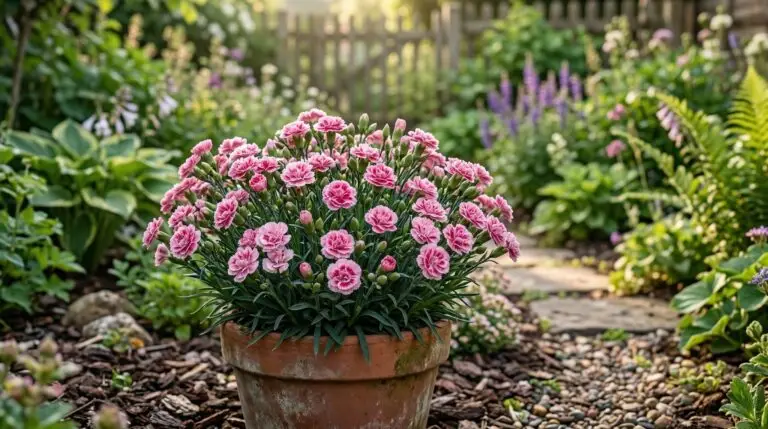
Growing carnations in containers for a fragrant windowsill or balcony garden
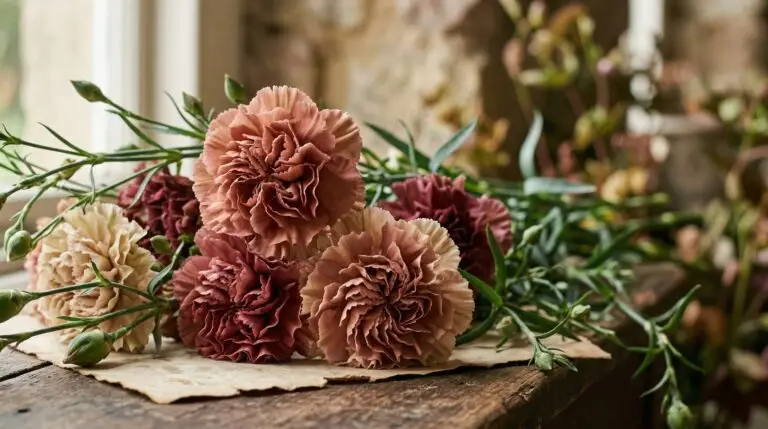
The rich history of carnations from ancient Greek garlands to Mother’s Day flowers
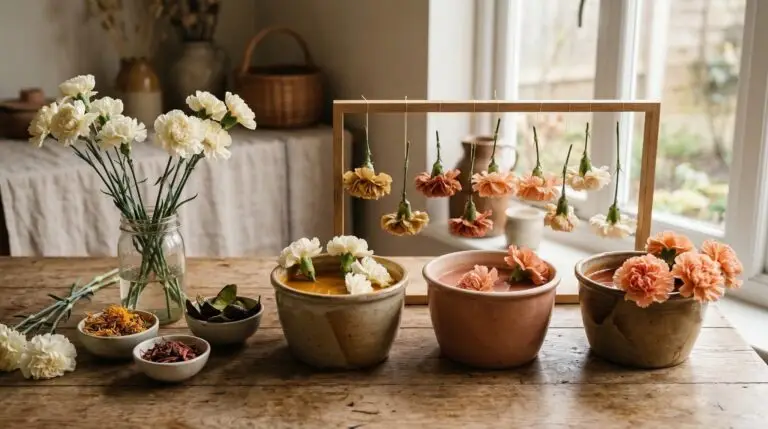
How to dye carnations with food coloring for fun science projects and party decor
Carnation wedding bouquets making a comeback with modern elegant designs
Best garden pinks and border carnations for fragrant perennial cottage gardens
Growing carnations from seed and cuttings for fragrant garden borders all summer
Carnation leis corsages and boutonnieres for proms graduations and celebrations
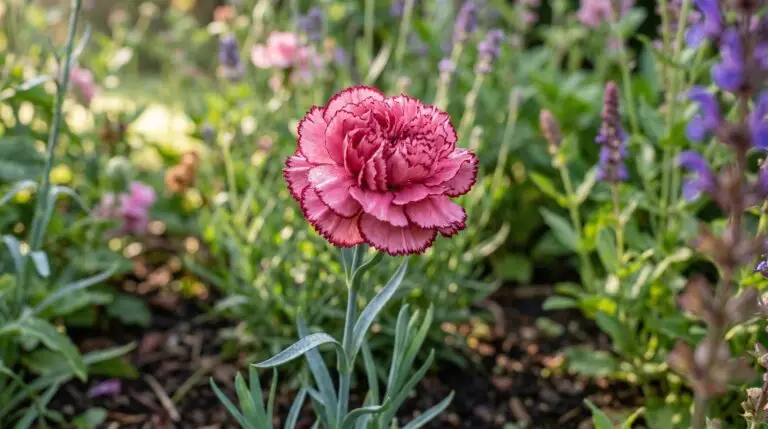
Why carnations deserve more respect as garden flowers beyond their grocery store reputation
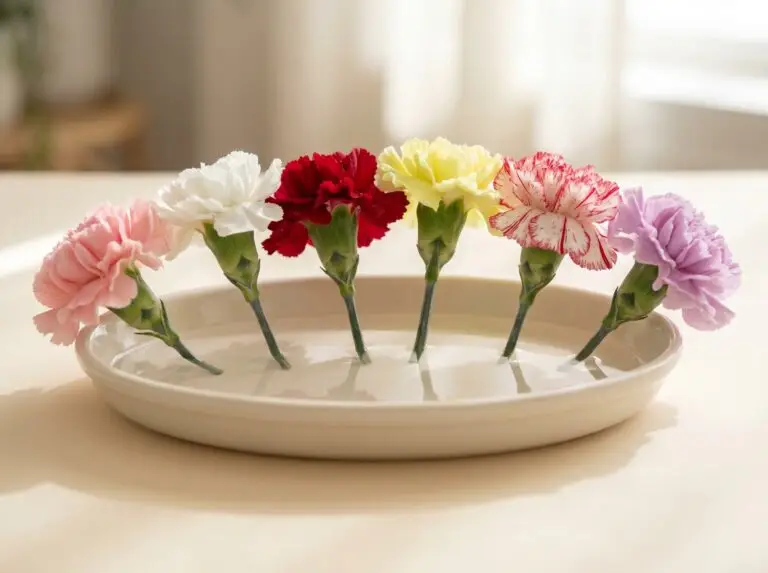
Carnation meaning and carnation colour meanings, honestly explained
Enjoying our flower guides? Add YourFlowersGuide as a preferred source on Google. It helps more readers find us.
Add to Preferred Sources