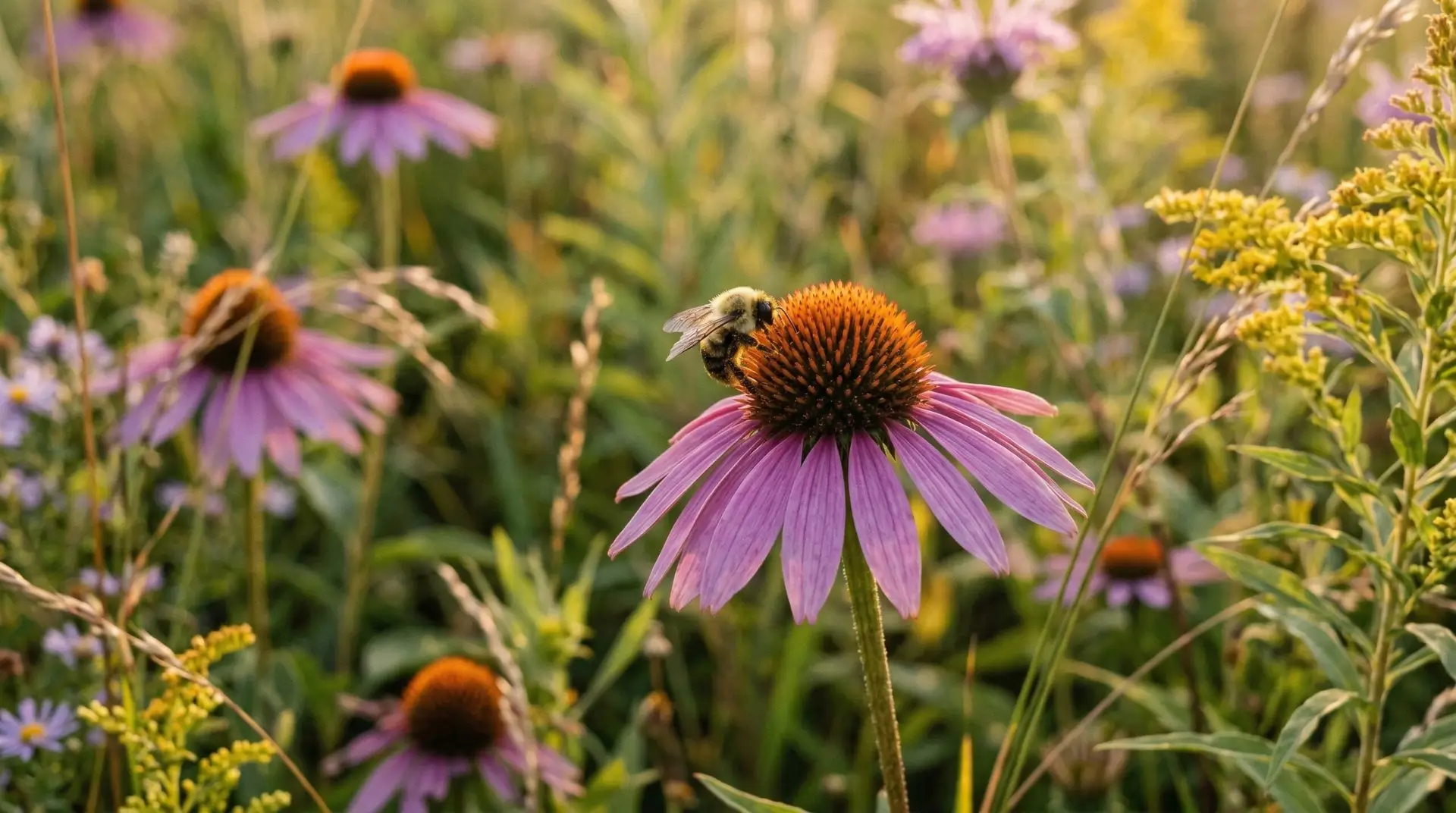
The August air sits heavy and still before the sun clears the eastern tree line. Dew clings to the rough leaves of the purple coneflower, pooling in the shallow grooves of its bristly stems. On the central dome of the tallest blossom, a native bumblebee sleeps motionless. She anchored herself there the evening before, clamping her mandibles onto the tiny disc flowers to rest safely through the dark hours. As the morning light touches the soil, the warmth slowly stirs her, and she begins a deliberate crawl across the orange-tipped spikes. This single blossom is a complete world of sustenance, offering nectar and pollen to the creatures that wake within its reach. When we plant a pollinator garden coneflower, we are doing much more than filling a vacant space in a flowerbed. We are setting the table for a quiet ecological feast that will last from the heat of midsummer through the deepest freezes of winter.
The true value of these native perennials becomes clear when you spend an hour simply watching them. A coneflower does not exist in isolation, but rather becomes a bustling intersection for the local food web. Small solitary bees disappear into the dense arrangement of the central cone, emerging minutes later dusted entirely in pale yellow pollen. Heavy monarch butterflies and agile swallowtails rely on the sturdy structure of the flower head, which supports their weight while they uncoil their proboscises to drink. The droop of the pale purple petals exposes the nectar-rich center completely, making the feast accessible from every angle. When you observe a blooming stand of echinacea, bees, butterflies, and other foraging insects are always in motion. The plant gives its resources freely, and in return, the visitors carry the genetic future of the flower to distant patches of earth.
Contents 3 sections
The architecture of a landing pad
Botanists call the coneflower a composite flower, meaning what appears to be a single bloom is actually hundreds of individual flowers clustered together. The prominent, spiky center is made up of tiny, fertile disc flowers that open in concentric rings from the bottom upward. This slow progression of opening blooms means a single flower head provides a continuous daily supply of fresh nectar for weeks. The long, colorful petals radiating outward are sterile ray flowers that exist simply to signal passing insects. Butterflies navigate by these bright flags, dropping down from the sky to land on the broad, stable platform of the cone. Once landed, they can walk slowly in a circle, sipping from dozens of individual nectar cups without needing to take flight again. This efficiency matters deeply to a foraging insect working to conserve energy in the sweltering heat of late July. The plant accommodates the needs of its guests perfectly, offering a secure foothold alongside a reliable meal.
You can amplify this foraging efficiency by planting coneflowers in dense drifts rather than scattering them singly across a lawn. When insects find a large patch of a single species, they can gather a full load of pollen or nectar with minimal travel time. I like to group them alongside other sturdy native perennials that share their preference for lean soil and full sun. A mass of purple coneflowers blooming beside the bright gold of Black Eyed Susan creates a reliable summer feeding ground for the entire neighborhood of coneflower pollinators. Later in the season, the tall, purple spikes of Aster pick up the visual rhythm as the coneflowers begin to fade. These combinations mimic the patterns of the wild prairie, where plants grow in sweeping, interwoven colonies that support massive populations of winged life. The gardener who works with these natural patterns finds that the garden largely takes care of itself. The plants lean on one another, shading the soil and outcompeting the weeds that try to take hold.
Cultivating an ecological anchor
Growing coneflowers requires a willingness to trust the unseen work happening beneath the soil surface. In their first year, these plants often look modest, putting only a few small leaves above ground while they drive a deep taproot into the earth. This thick root is their insurance policy against drought, allowing them to pull moisture from deep reserves when the summer rain fails to arrive. Many gardeners feel the urge to amend the soil with rich compost or heavy fertilizers to push the plants along faster. Such interventions often weaken the plant, causing it to produce soft, floppy stems that collapse under the weight of their own blooms. Coneflowers belong to the open, wind-scoured spaces of the continent, and they draw their strength from lean, unpampered ground. Patience is the primary tool required here, as the plants need time to anchor themselves firmly before they push up their familiar, towering stalks. Once they establish that deep footing, they will return year after year with increasing vigor.
Once established, a patch of coneflowers demands very little from the human hand. They do not need supplemental watering, and they largely shrug off the passing interests of deer and rabbits. The rough, bristly hairs covering their stems and leaves act as a physical deterrent to grazing animals. Occasionally, I find an aphid colony clustered near the top of a new stem, but I have learned to leave them alone. Within a few days, ladybug larvae or parasitic wasps inevitably arrive to clear the stems, drawn by the chemical signals the plant releases under distress. Gardening with native plants teaches you to tolerate these small moments of damage, recognizing them as the necessary gears of a functioning ecosystem. The goal is no longer a pristine, untouched blossom, but a leaf that shows the ragged chew marks of a life well-lived. We learn to measure the success of the garden by the amount of life it sustains.
A harvest of seeds in the fading year
As August gives way to September, the bright purple petals of the coneflower begin to bleach out and wither. Many traditional gardening manuals advise cutting these spent stalks down to the ground to maintain a tidy appearance. Doing so robs the late-season garden of its most vital resource, because the true harvest is just beginning. The bristly central cones swell and darken as the fertilized disc flowers develop into nutrient-dense seeds. Soon, flocks of American goldfinches arrive, gripping the stiff stems with their tiny claws and pulling the seeds from the prickly heads. The stems sway wildly under the weight of the feeding birds, but their tough fibers rarely snap. Watching a bright yellow bird dismantle a blackened seed head on a crisp autumn afternoon brings a specific kind of joy that a perfectly pruned garden can never offer. The beauty of the plant shifts from color and form to motion and sustenance.
Leaving the stalks standing also provides vital winter shelter for the next generation of insects. Some species of native bees hollow out the pithy centers of dead stems to lay their eggs, trusting the rigid architecture to protect their young through the snow. By leaving the coneflowers upright alongside the dried stalks of Goldenrod, you preserve a silent nursery that will hatch out the following spring. The garden in winter takes on a structural beauty, defined by the stark silhouettes of standing seed heads against the gray sky. Snow caps the flat tops of the coneflowers, turning them into small white mushrooms hovering above the dormant earth. The plant continues to hold space, anchoring the soil with its deep roots while feeding the birds above. It is a quiet reminder that the end of the blooming season is not an ending at all, but simply a shift in purpose. The cycle of the year turns on these small, persistent acts of survival.
More About Coneflower
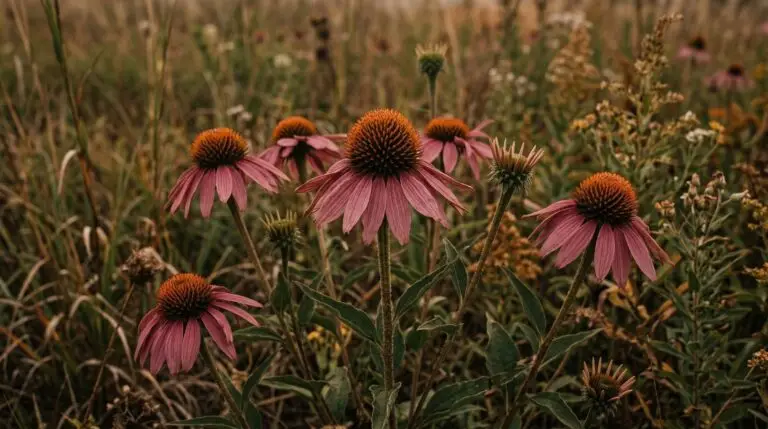
Echinacea for health and immunity and how it connects to the garden coneflower
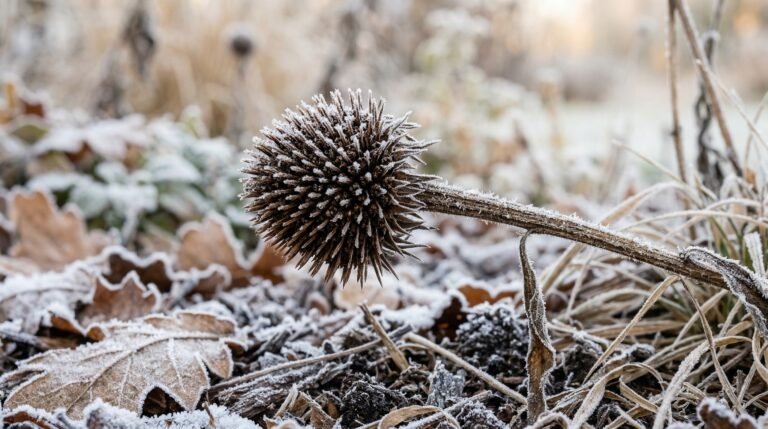
How to grow coneflowers from seed for a naturalistic wildflower garden
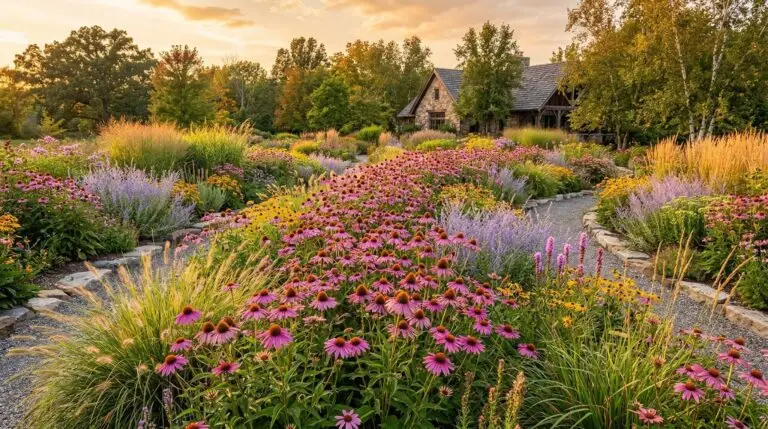
Coneflower and ornamental grass combinations for a modern prairie garden design
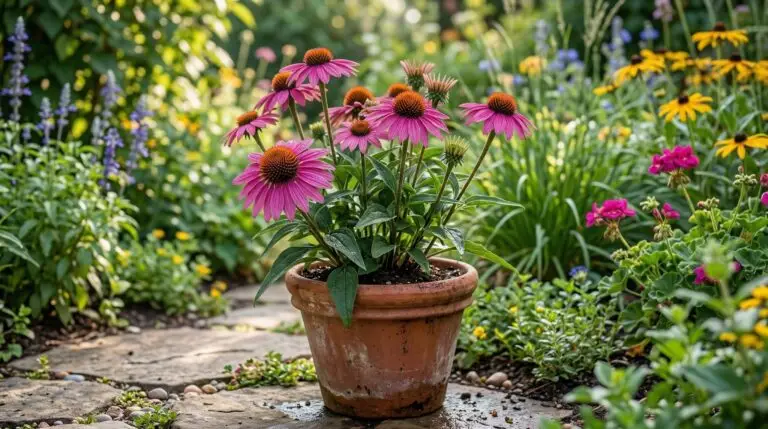
Growing coneflowers in containers for sunny balconies and apartment gardens
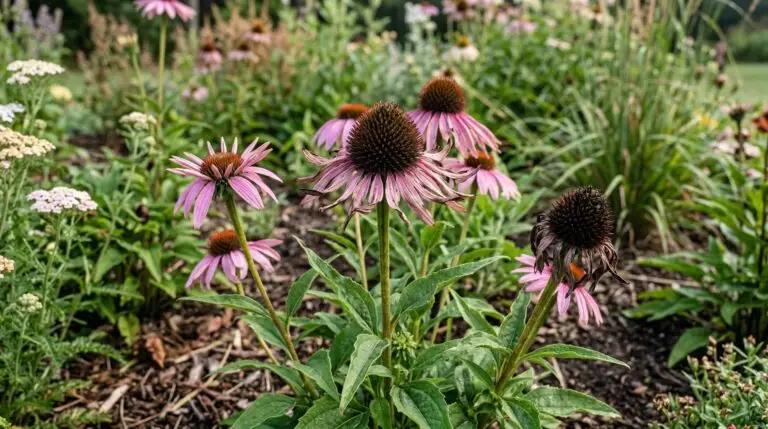
Using coneflowers as long-lasting cut flowers in summer and fall bouquets
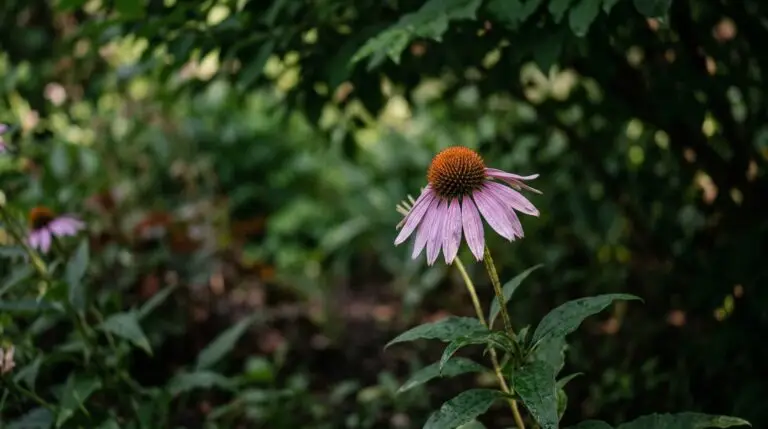
Why coneflowers flop over and how to grow sturdy upright plants without staking
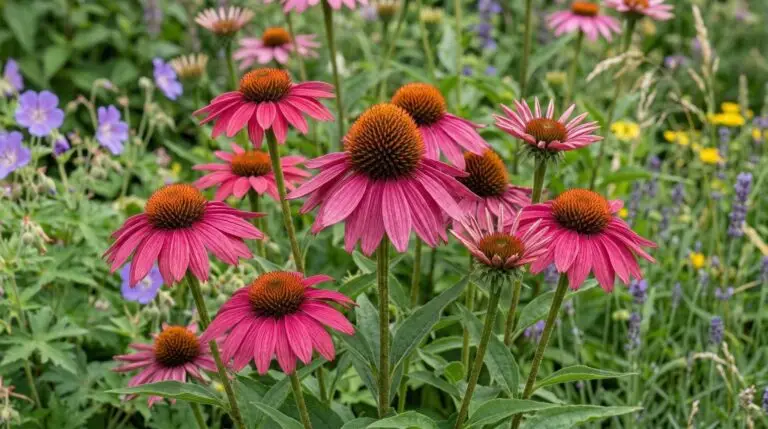
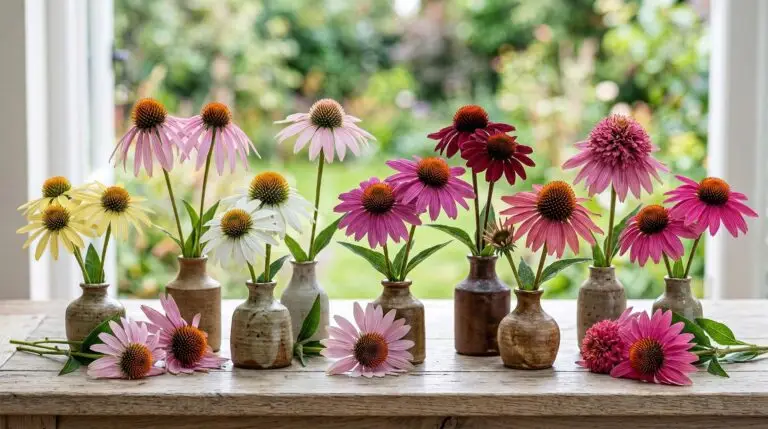
Best coneflower varieties from classic purple to sunset orange and double blooms
Native coneflower species of North America and why they matter for local ecosystems
Enjoying our flower guides? Add YourFlowersGuide as a preferred source on Google. It helps more readers find us.
Add to Preferred Sources