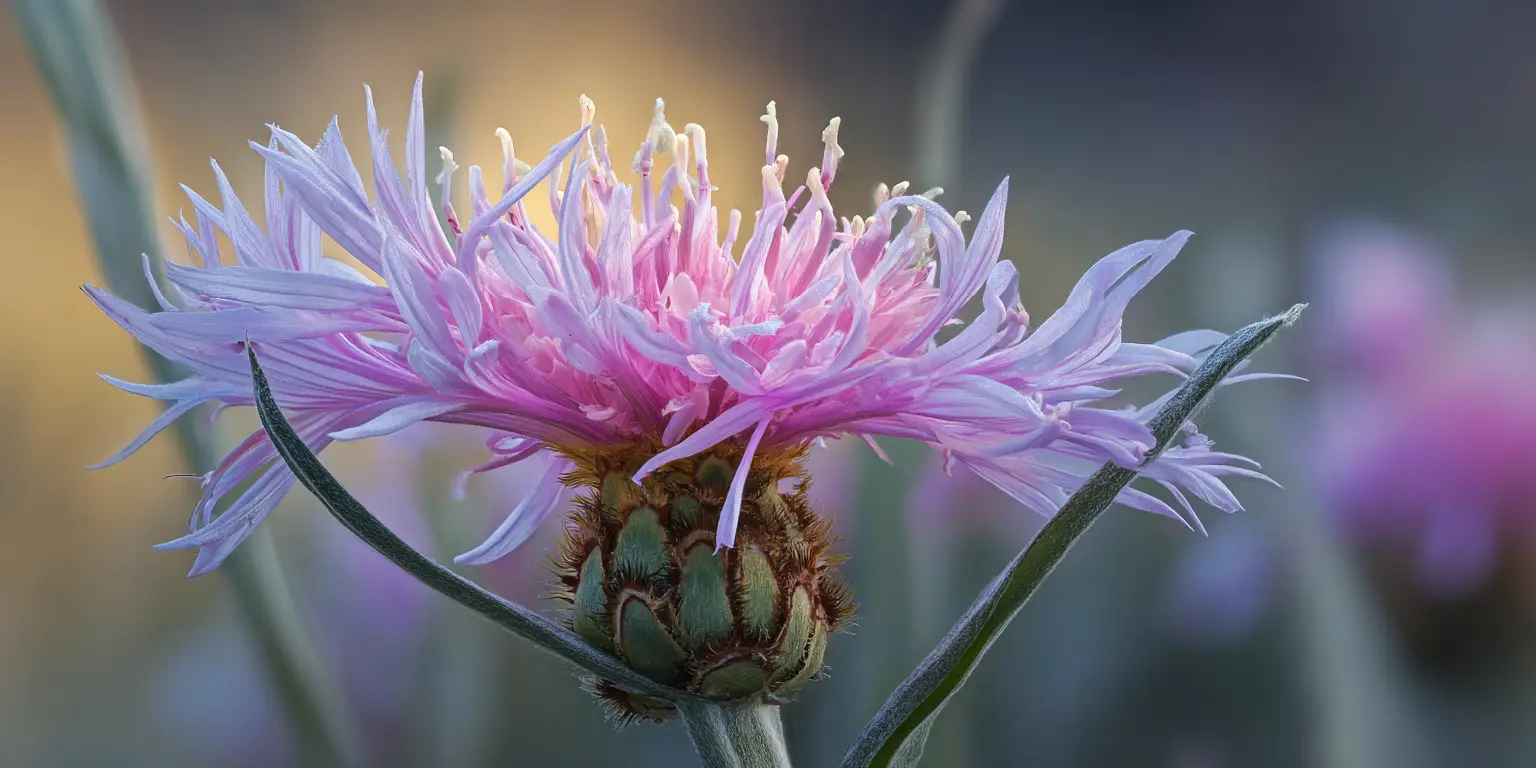
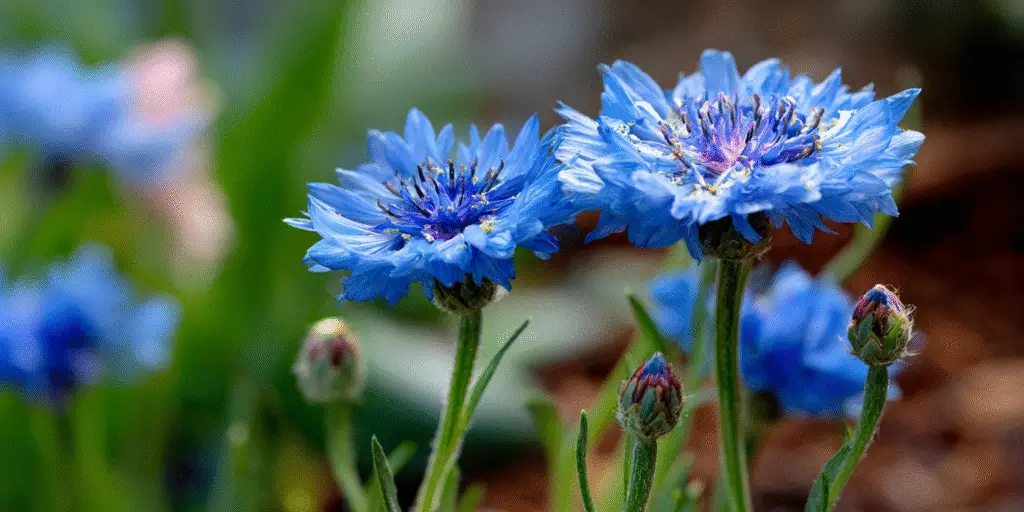
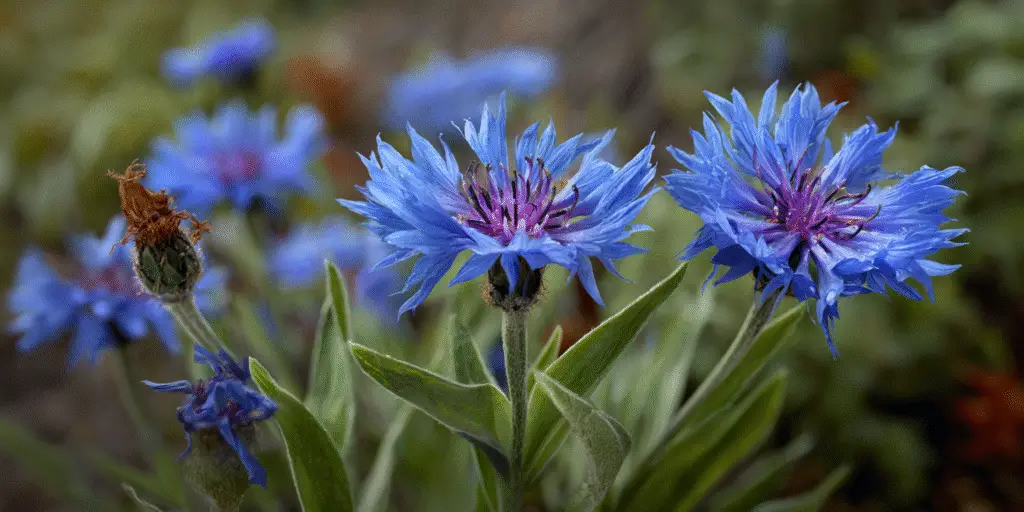
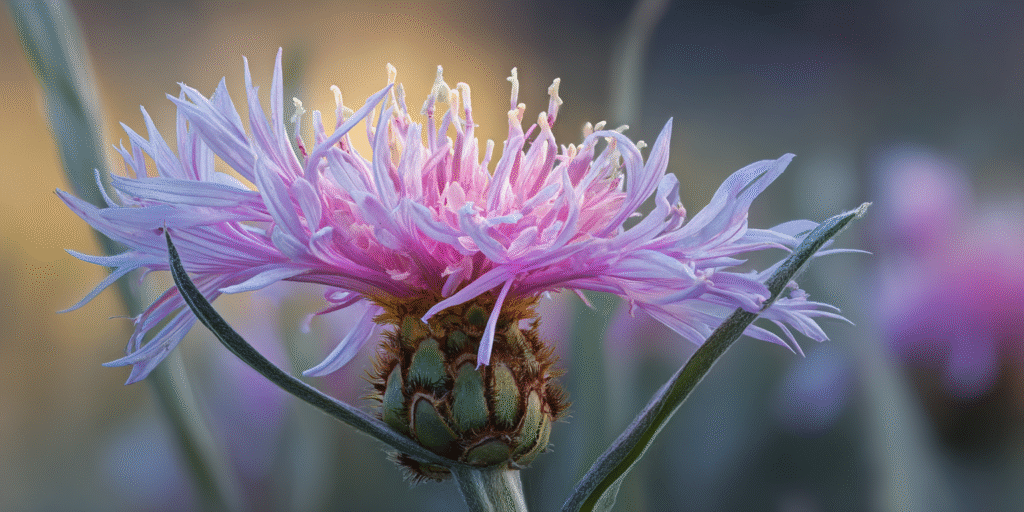
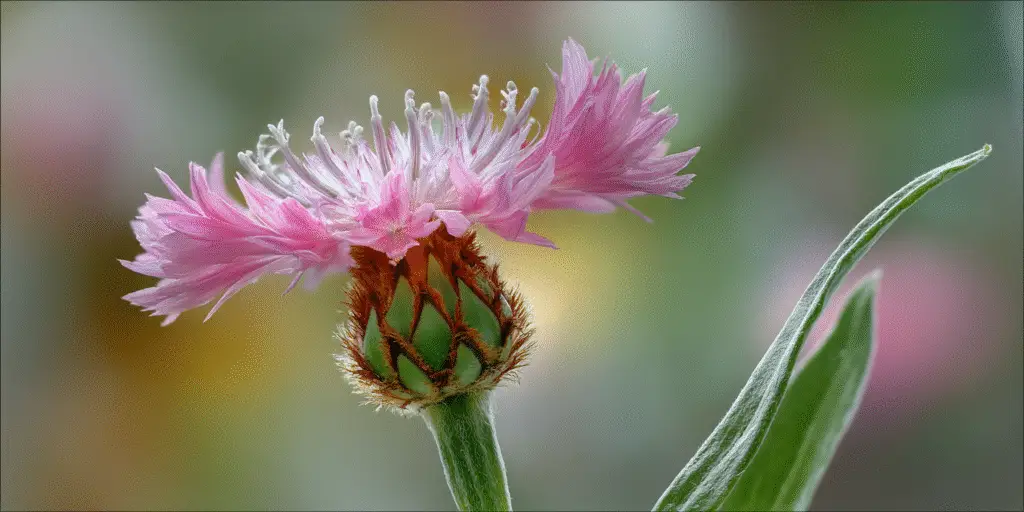
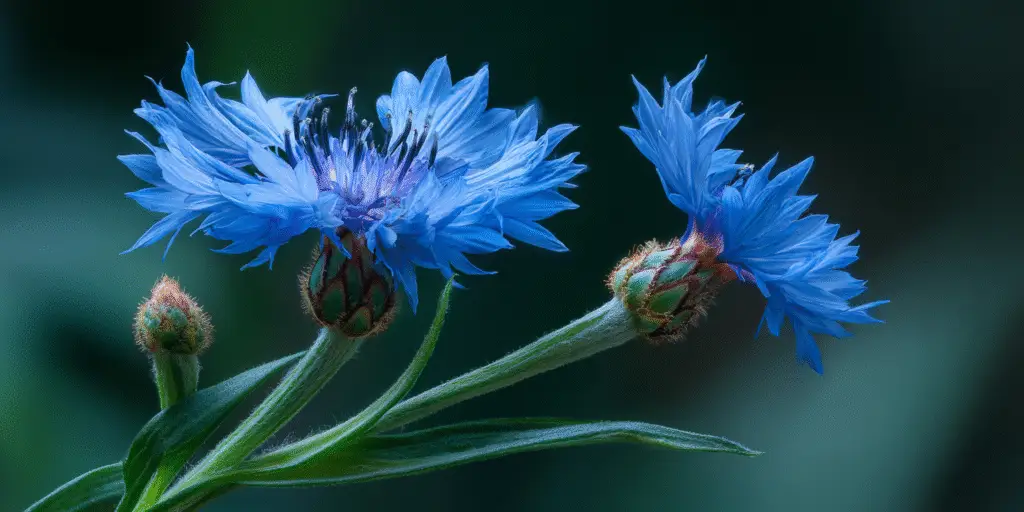
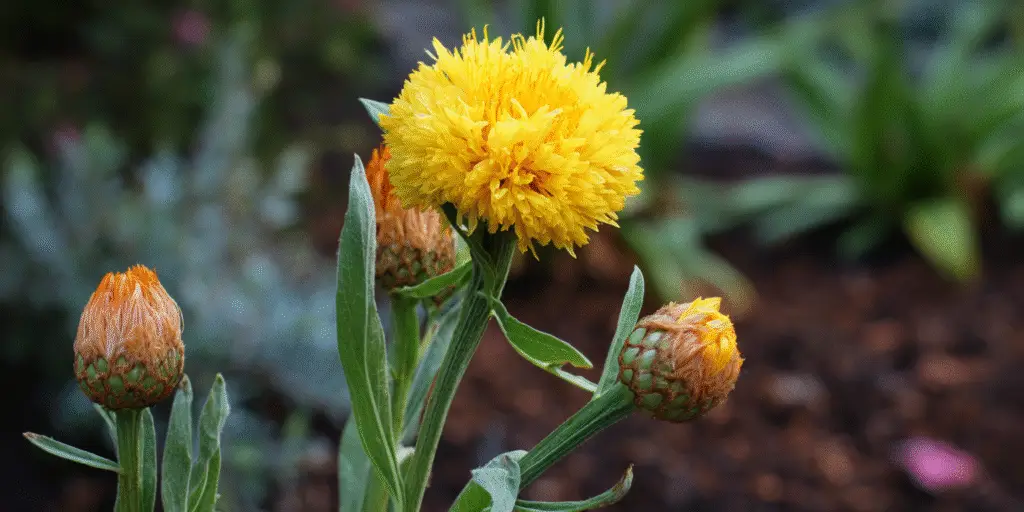
American basketflower, Centaurea americana, is a tall annual native to the south‑central United States. It stands out for very large pink flower heads with creamy centers and a light honey fragrance. Plants prefer full sun, warm days, and well‑drained soils. They bloom in late spring into summer where heat arrives early. This species is useful where a big, airy accent and long stems are desired.
At‑a‑glance
Group/Class: Annual native basketflower
Height × spread: 3 to 5 ft (0.9 to 1.5 m) × 1 to 2 ft (30 to 60 cm)
Bloom window: late spring to early summer
Color & flower form: rose‑pink outer florets with creamy centers; thistle‑like heads
Fragrance: 2 noticeable
USDA hardiness: grown as annual in all zones
Breeder / Year / Origin: unknown
Cut‑flower notes: good fresh or dried; cut when half open
Pet safety: unknown
How it differs
Tallest stature among common cornflowers
Largest flower heads with showy bracts
Notable sweet scent compared with most cornflowers
Heat and drought tolerance once established
Strengths
Native annual that supports pollinators
Strong presence in meadows and borders
Performs in lean, well‑drained soils
Self‑sows in suitable sites
Care in one minute
Plant in full sun with free‑draining soil.
Water to establish; then allow soil to dry slightly between waterings.
Feeding is minimal; excess fertility reduces stem strength.
Stake in windy sites; deadhead to prolong bloom or allow seed for wildlife.
Sow in place where seasons are long; transplant carefully if started indoors.
Watch‑outs
Not frost tolerant; avoid late cold snaps
May lean in rich soil or wind; stake if needed
Can self‑seed freely
Best uses (tags)
cutting, meadow, pollinators, prairie, cottage
Provenance note
The only Centaurea species native to North America; recorded by USDA across the south‑central U.S.
Written by: Your Flowers Guide editorial team We are a small independent group of flower lovers who research and review each guide using trusted horticultural and educational sources. Learn more about us