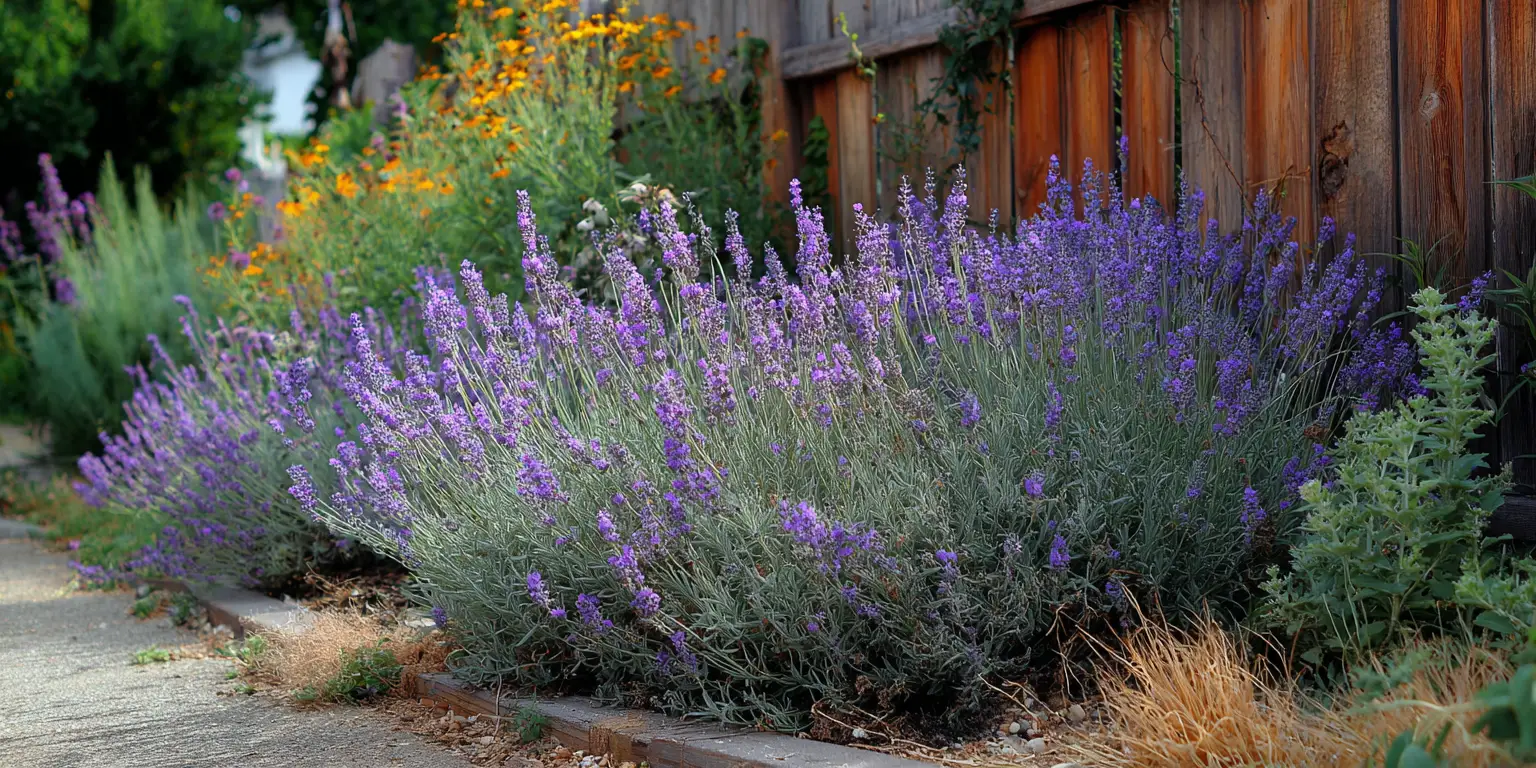
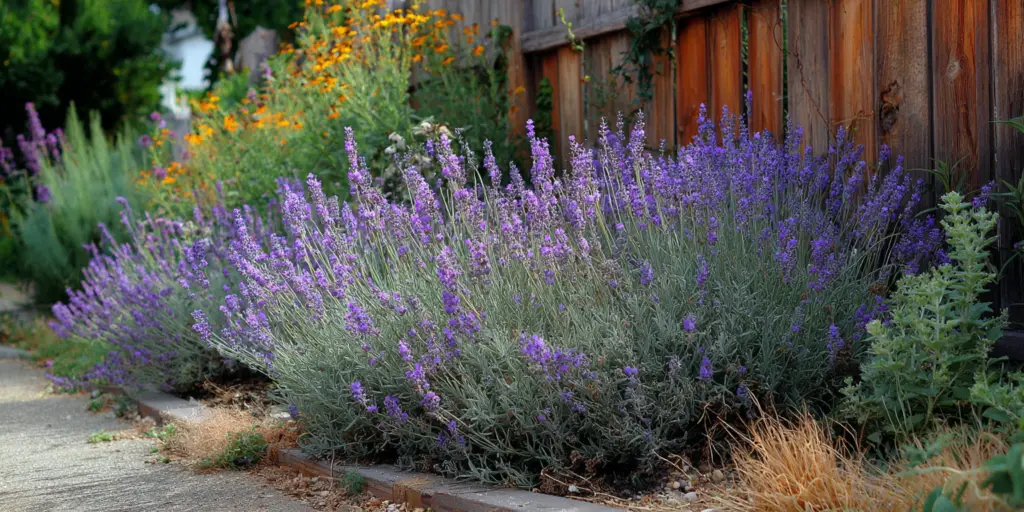
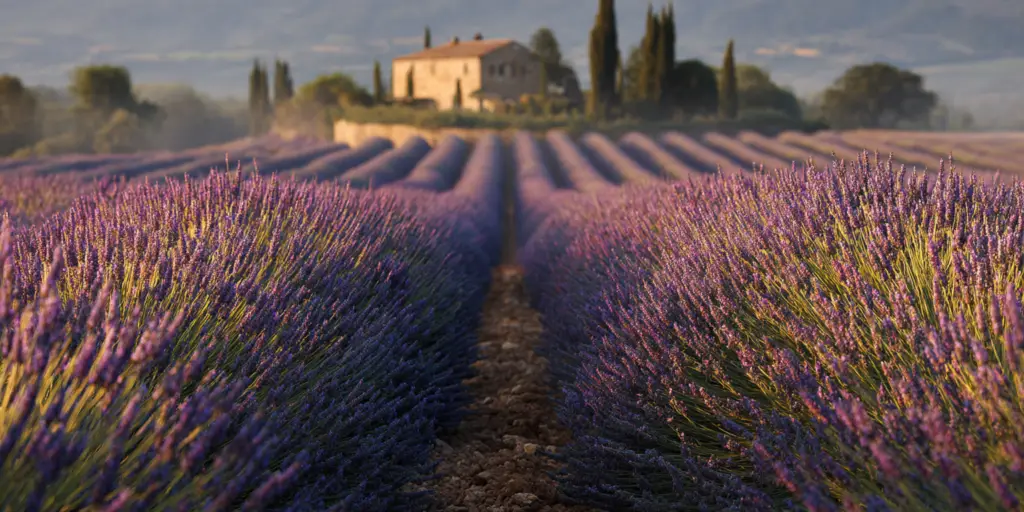
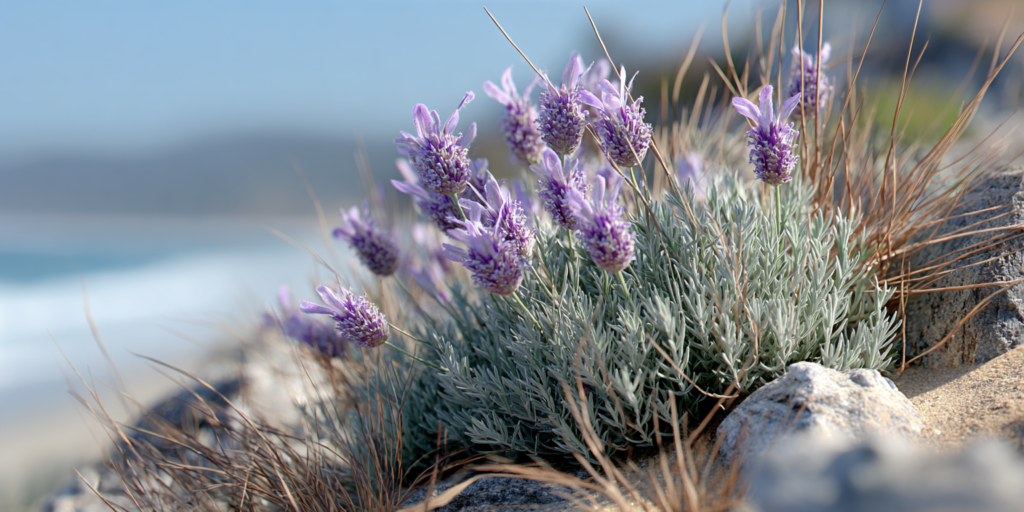
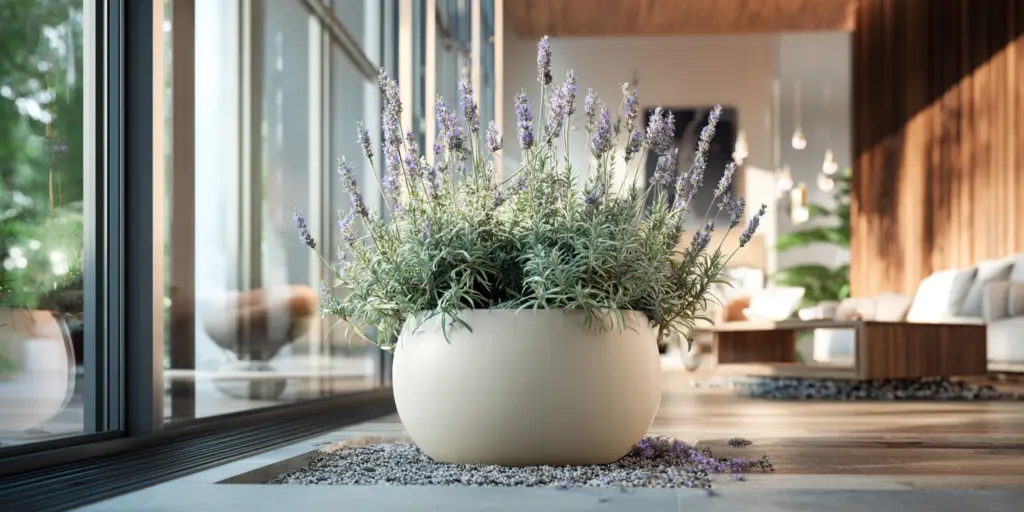
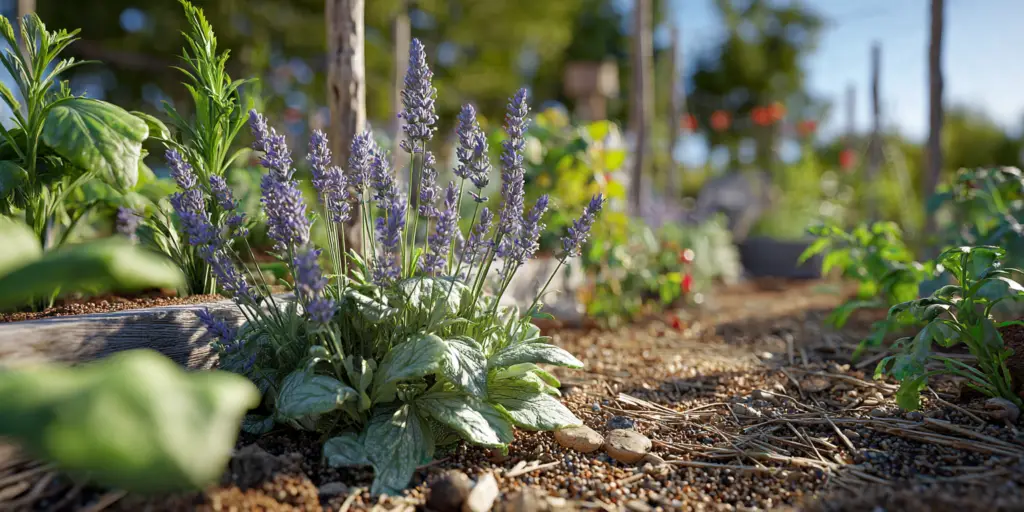
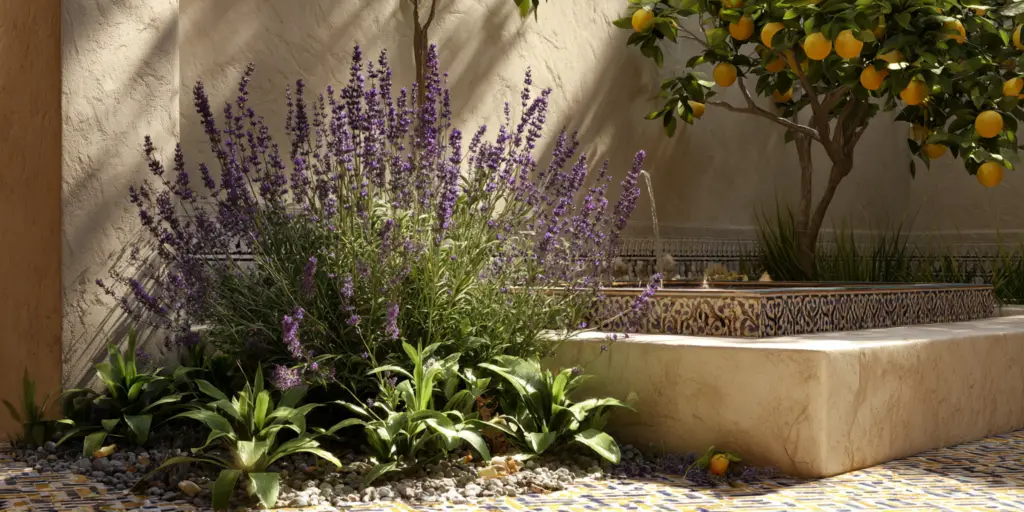
English lavender is the classic true lavender used in gardens and oil production. It forms a compact, mounded subshrub with narrow gray green leaves. It stands out for reliable cold tolerance compared with other lavenders. It flowers in late spring to early summer with fragrant purple spikes. It performs best in full sun and very well drained, neutral to alkaline soil. It is drought tolerant once established but can struggle in hot humid summers. Good air movement and lean soils help plants live longer in the eastern United States.
At‑a‑glance
Group/Class: True lavender (English group)
Height × spread: 24 to 36 in × 24 to 36 in (60 to 90 cm × 60 to 90 cm)
Bloom window: late spring to early summer
Color & flower form: purple to violet spikes on slender stems
Fragrance: 3 strong
USDA hardiness: zones 5 to 8
Breeder / Year / Origin: unknown, unknown, Mediterranean region
Cut-flower notes: stems firm when cut just before full bloom; dries well; fresh vase life varies by cultivar and handling
Pet safety: avoid
How it differs
Blooms earlier than lavandin types in many climates
Most cold hardy species commonly grown in North America
Sweeter fragrance with lower camphor than lavandin and spike lavender
Narrower leaves and a neater, low mound
Strengths
Cold tolerant to zone 5 with excellent drainage
Drought tolerant once established
Nectar rich; attracts bees and butterflies
Usually deer and rabbit resistant
Care in one minute
Choose full sun with open airflow.
Plant in very well drained, sandy or rocky soil at neutral to slightly alkaline pH.
Water new plants weekly, then only during prolonged dry spells.
Keep mulch away from the crown and avoid wet feet.
Shear lightly after bloom to maintain shape.
In cold climates focus on winter drainage and avoid hard fall pruning.
Watch‑outs
Root and crown rot in heavy or wet soils
Can be short lived in humid summers without airflow
Declines if mulched tightly against the crown
Best uses (tags)
cutting; borders; low hedges; rock gardens; pollinators
Provenance note
Native to the western Mediterranean and long cultivated as a source of essential oil. Often called true lavender in trade.
Written by: Your Flowers Guide editorial team We are a small independent group of flower lovers who research and review each guide using trusted horticultural and educational sources. Learn more about us