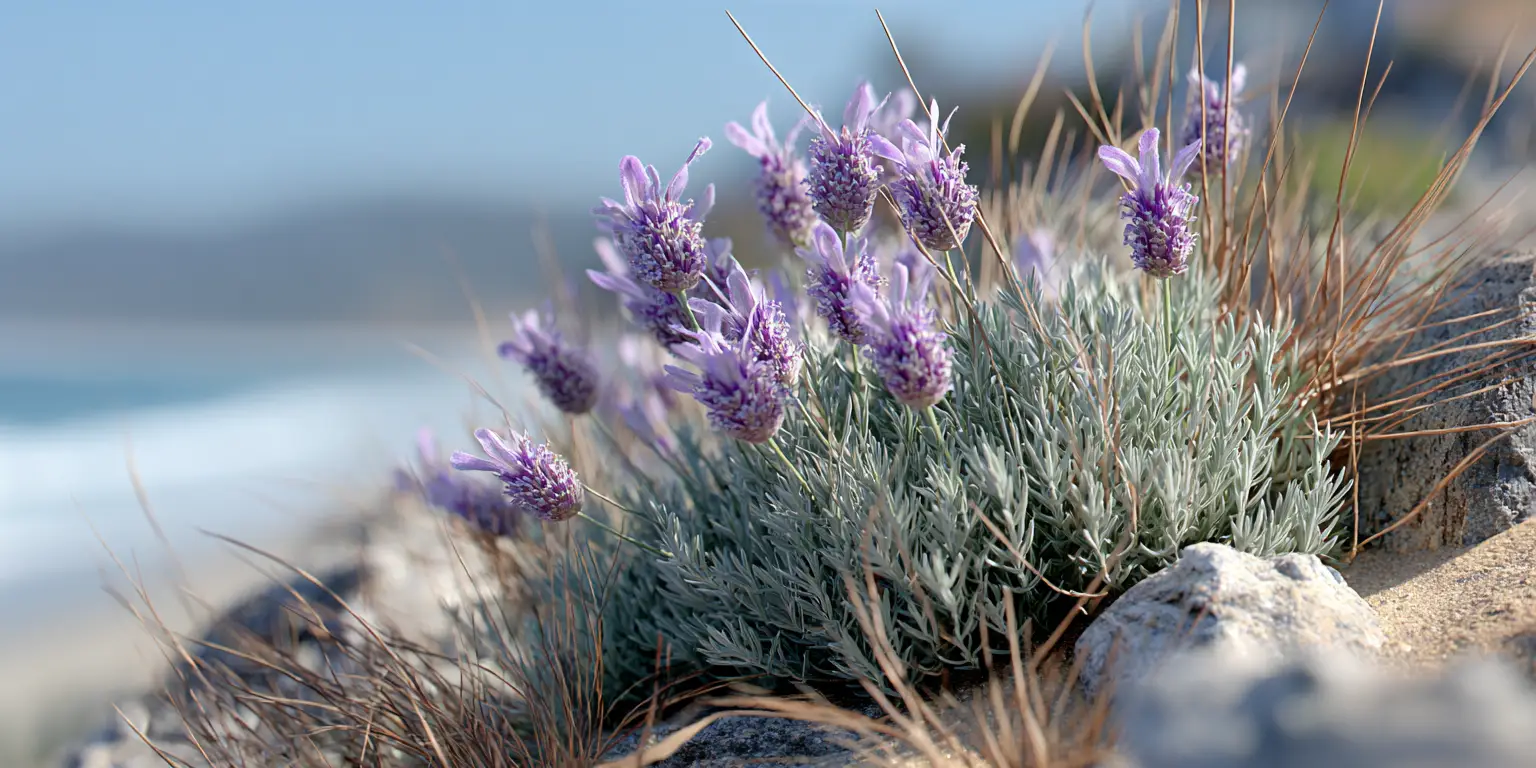
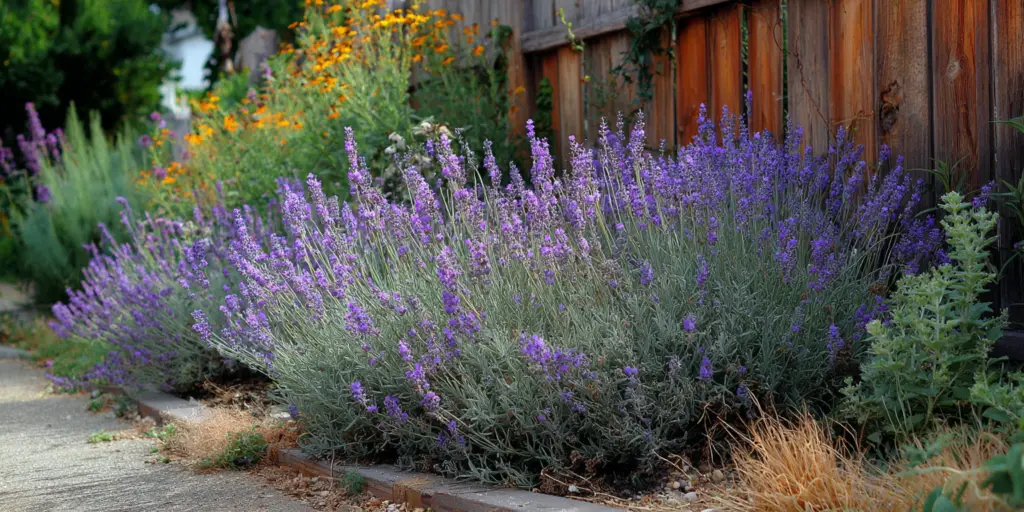
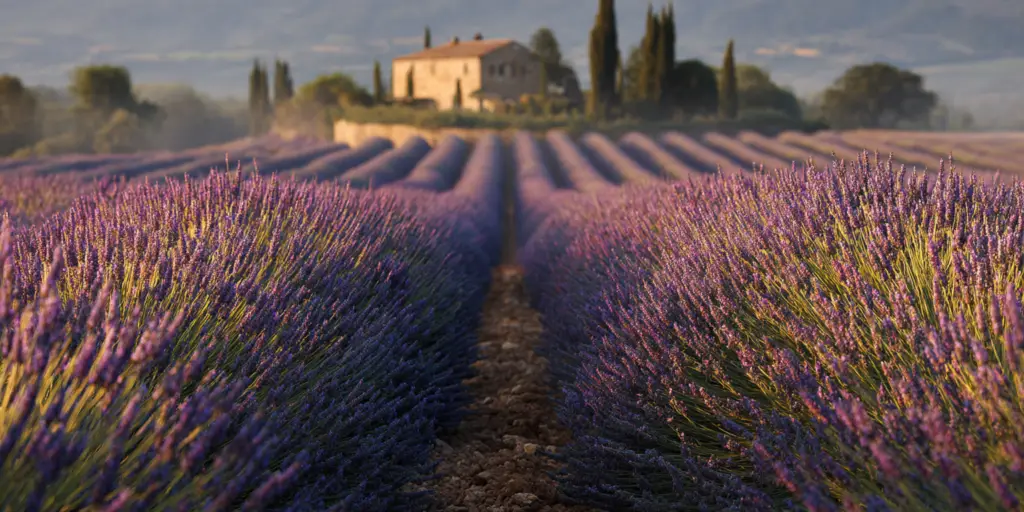
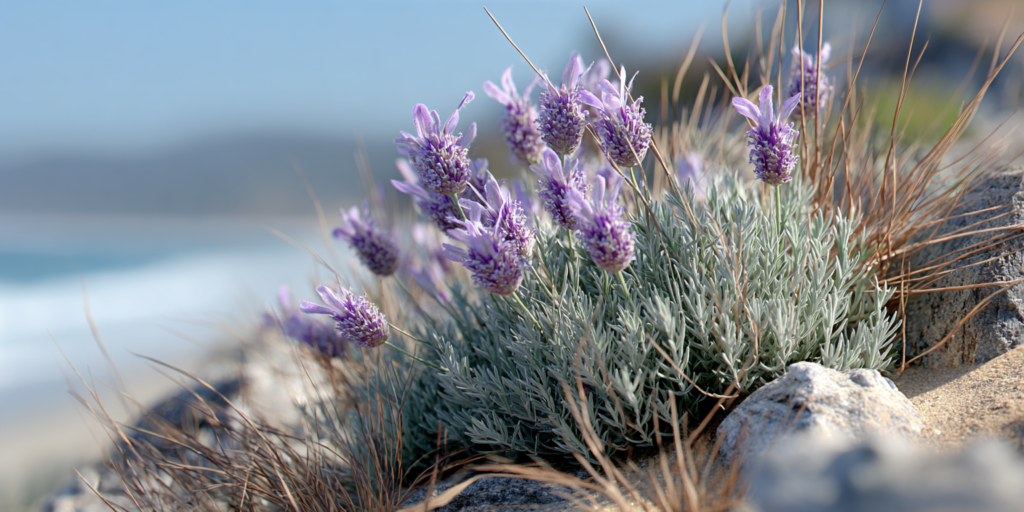
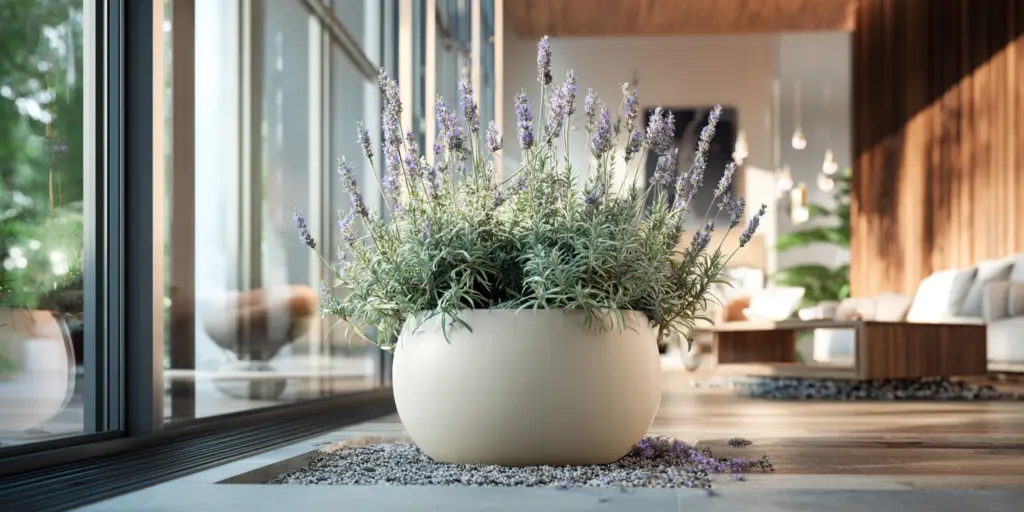
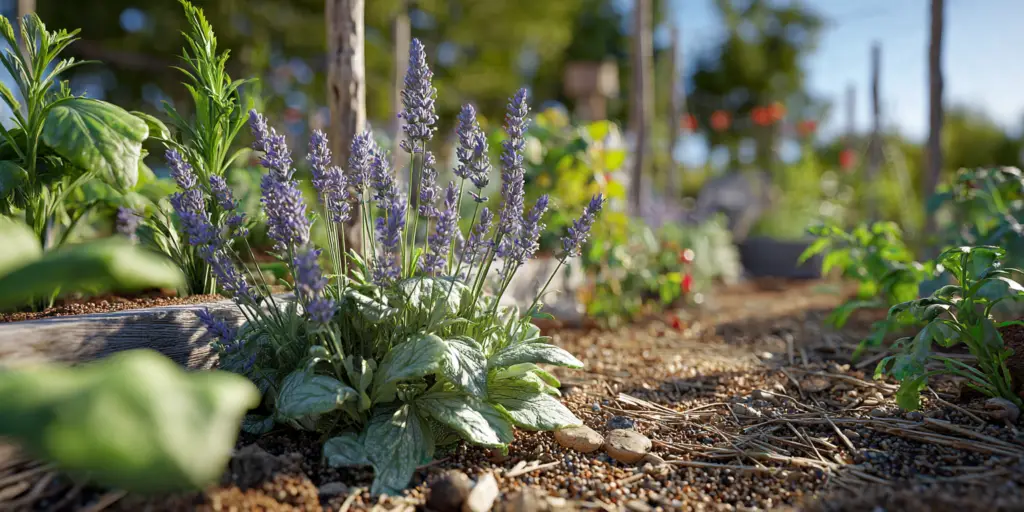
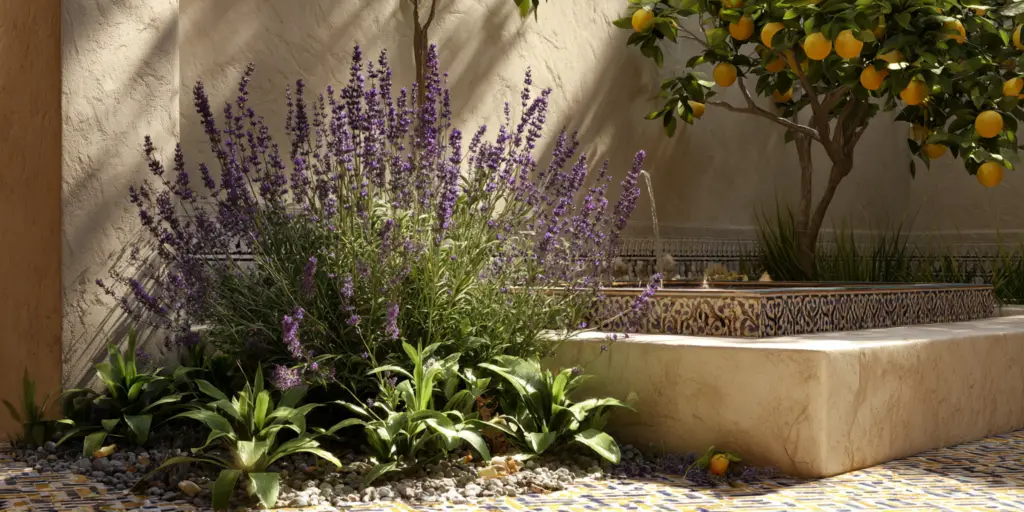
Spanish lavender is a compact shrub noted for flower heads topped with showy bracts. It often blooms earlier than other lavenders in mild climates and can rebloom with deadheading. Cold tolerance is limited so it is best as a container plant or warm-zone perennial. It grows best in full sun with excellent drainage and good airflow. The scent is noticeable and more resinous than true lavender.
At‑a‑glance
Group/Class: Spanish lavender
Height × spread: 24 in × 16 in (60 cm × 40 cm)
Bloom window: spring to summer
Color & flower form: dark purple heads with prominent colored bracts
Fragrance: 2 noticeable
USDA hardiness: zones 8 to 9
Breeder / Year / Origin: unknown, Mediterranean region
Cut-flower notes: short to moderate stems; best for small fresh bunches or drying; fresh vase life is short
Pet safety: avoid
How it differs
Showy bracts create a distinctive “butterfly” look
Earliest bloom among common lavenders in warm zones
Least winter hardy of the group
Foliage often remains evergreen in mild winters
Strengths
Long seasonal display in mild climates
Heat and drought tolerant once established
Attractive to bees and butterflies
Care in one minute
Provide full sun and a very well drained, gritty soil.
Water sparingly once established; avoid wet crowns.
Deadhead to encourage repeat bloom.
Grow in containers and overwinter indoors where winters are colder than zone 8.
Watch‑outs
Sensitive to frost and prolonged cold
Highly vulnerable to rot without sharp drainage
Humidity and wet springs can increase disease pressure
Best uses (tags)
containers; edging in warm zones; pollinators; gravel gardens
Provenance note
A Mediterranean species long grown for ornament and scent; recognizable for its tufted bracts.
Written by: Your Flowers Guide editorial team We are a small independent group of flower lovers who research and review each guide using trusted horticultural and educational sources. Learn more about us