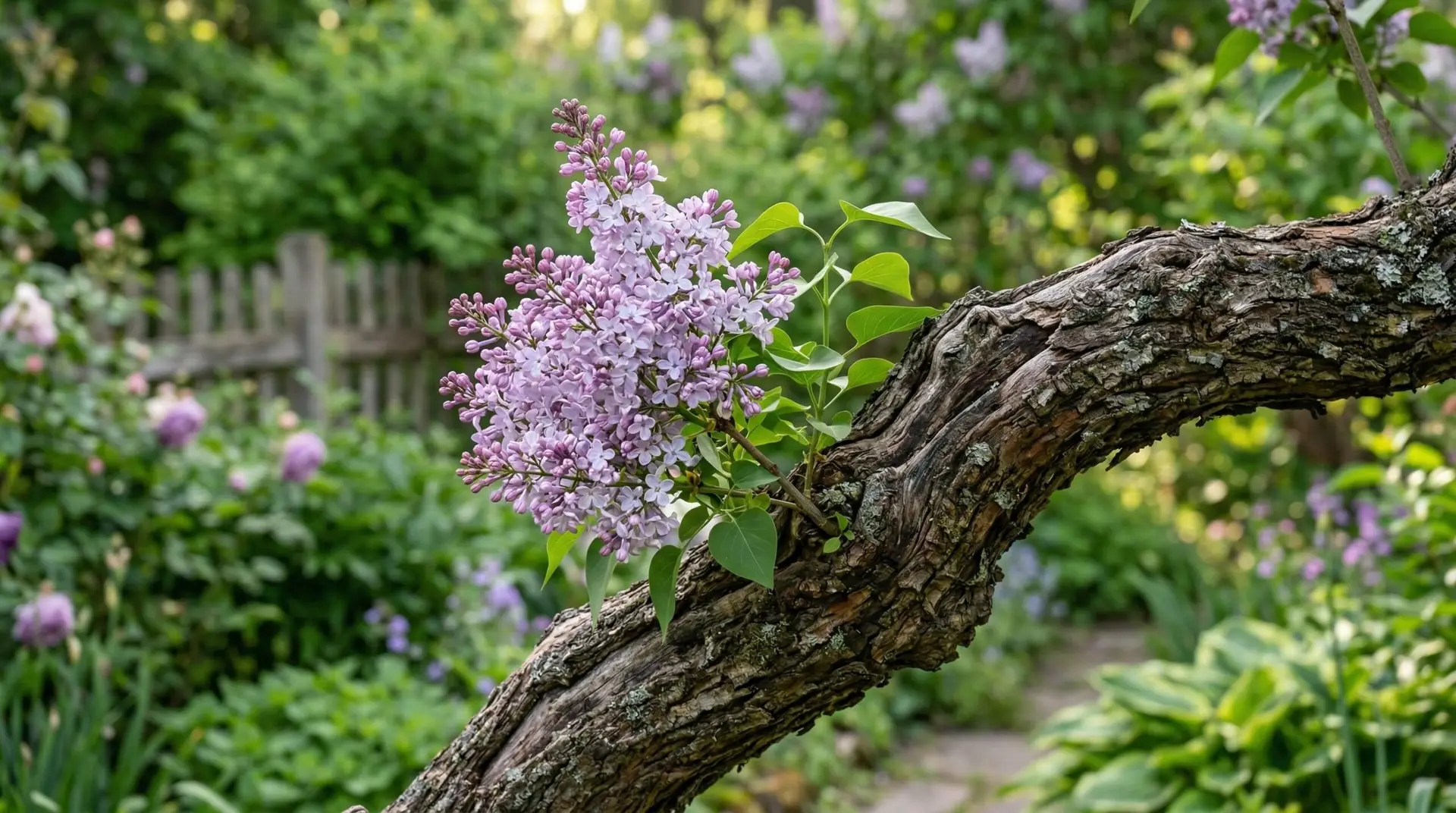
Every spring, home gardeners stare at their massive, leafy lilac bushes and wonder why there is not a single flower bud in sight. You wait fifty weeks for those two weeks of glorious purple blooms, so getting nothing but green foliage is incredibly frustrating. People often assume the plant is dying or diseased, but a lilac not blooming is almost always a management problem rather than a health issue. These shrubs are tough survivors that can live for decades with zero care, yet they will completely stop producing flowers if their basic environmental and structural needs are ignored. When a mature lilac produces no flowers, we have to look directly at how you pruned it last year, what you fed the grass around it, and how much sun it actually receives.
Contents 4 sections
The pruning mistake that steals your spring flowers
The most common reason for a lilac not blooming is pruning at the wrong time of year. Lilacs bloom on old wood, meaning the shrub creates the flower buds for next spring almost immediately after the current spring flowers fade. If you take out your shears in late summer, fall, or winter to shape the bush, you are cutting off every single flower bud the plant spent the summer building. Gardeners often treat lilacs like typical hedge plants, giving them a neat haircut in October when they do their fall yard cleanup. When that happens, the plant wakes up in spring perfectly healthy but completely stripped of its blooming potential. To fix this, you must restrict all pruning to the two or three weeks right after the flowers die back in late spring.
Even when gardeners get the timing right, they often make the mistake of just shearing the outside of the plant into a tight ball. This creates a dense outer shell of foliage that blocks light from reaching the interior branches, leading to a hollow, dead center with flowers only at the very top. Instead of shearing, you need to practice renewal pruning by reaching deep into the base of the plant and removing about one third of the oldest, thickest trunks entirely. This opens up the center to sunlight and air circulation, prompting the roots to send up fresh, vigorous flowering wood. This same renewal method works perfectly for other early spring bloomers like Forsythia, which also suffer when sheared into artificial shapes. Taking out the oldest wood right after the bloom cycle finishes ensures you keep the plant a manageable size without sacrificing next year’s display.
Why your lawn fertilizer is ruining the show
Another major culprit behind flowerless lilacs is the turf grass growing right up to their trunks. Most people feed their lawns heavily with high nitrogen fertilizers designed to push rapid, thick green growth. Lilac roots spread far beyond the drip line of the shrub, and they easily absorb that excess nitrogen from the surrounding lawn. When a lilac takes up heavy nitrogen, it responds by putting all its energy into growing new leaves and extending its branches rather than developing flower buds. You end up with a spectacularly lush, green shrub that grows three feet a year but refuses to produce a single blossom. The solution is to carve out a wide ring of mulch around the base of the lilac, keeping lawn fertilizers well away from the root zone.
People often think a failing plant needs more food, so they throw bloom booster fertilizers at the problem, which usually makes things worse. Lilacs actually prefer lean, slightly alkaline soil and rarely need supplemental fertilizer to bloom well. If your soil is highly acidic, the plant might struggle to take up the nutrients it needs, leading to weak growth and poor flowering. You can fix this by adding a handful of garden lime around the base in the fall, which sweetens the soil and improves nutrient uptake. Testing your soil pH takes the guesswork out of this process and prevents you from adding amendments the plant does not actually need. A healthy lilac in average garden soil needs nothing more than a yearly layer of compost applied around the base in early spring.
Sunlight changes and the need for winter chill
A lilac needs a bare minimum of six hours of direct, unfiltered sunlight every single day to form flower buds. Many gardeners plant a small lilac in full sun, but over the years, nearby shade trees grow larger and slowly encroach on the area. A shrub that bloomed beautifully for a decade might slowly stop producing flowers as the canopy above it closes in. When a lilac gets too much shade, the branches become thin and leggy as they stretch desperately toward the light, and the foliage looks sparse. If your plant is suffering from encroaching shade, you either have to aggressively thin the surrounding trees or accept that the lilac needs to be moved to a sunnier spot. Moving a mature shrub is heavy, difficult work, but leaving it in deep shade guarantees you will never see a good spring bloom again.
Temperature plays an equally critical role in the blooming cycle, and lilacs absolutely require a period of deep winter dormancy to reset their internal clocks. These shrubs need hundreds of hours of temperatures below freezing to trigger the physiological changes that allow the dormant buds to open in spring. Gardeners in warm southern climates often buy lilacs hoping for a traditional northern spring display, only to find the plants produce nothing but weak leafy growth year after year. If you live in a region with very mild winters, traditional lilacs will simply never perform well for you, no matter how perfectly you prune or water them. Just like certain varieties of Hydrangea macrophylla that struggle when their specific weather requirements are not met, lilacs refuse to cooperate in the wrong climate zone. If you live in a warm area, you must seek out specific low chill varieties bred specifically for southern gardens, or choose a different spring blooming shrub entirely.
Managing the root suckers stealing energy
If you look at the base of your lilac, you will likely see dozens of thin, whippy stems shooting straight up from the dirt around the main trunks. These are root suckers, and while a few are useful for replacing old trunks eventually, allowing too many to grow will drain the vitality right out of the main plant. The root system only has so much energy to give, and when it has to support fifty rapid growing suckers, it abandons the hard work of making flowers on the upper branches. Many older lilacs are actually grafted onto the rootstock of a different, more vigorous species. If those suckers are coming from below the graft line, they belong to the rootstock plant, which will eventually overtake and choke out the desirable lilac variety you actually bought. You must be ruthless with these shoots, cutting them off clean below the soil line at least twice a year to force the plant’s energy back up into the blooming canopy.
Fixing a lilac that has stopped blooming requires a bit of patience because the results of your corrections will not be visible until the following spring. If you correct your pruning timing, remove the excess suckers, and stop feeding the nearby lawn, the shrub will spend the current summer setting healthy buds. You have to trust the process and let the plant go through a full growing cycle to recover its natural rhythm. The single most useful piece of advice for any lilac owner is to treat the end of the blooming season as your one and only window to touch the plant with shears. The moment the purple flowers turn brown and dry, take out your tools, remove the dead wood, thin the oldest trunks, and then put your clippers away for an entire year. Leaving the plant completely alone from midsummer through winter is the absolute best way to guarantee a massive display of flowers the next time spring rolls around.
More About Lilacs

Pruning and rejuvenating old lilac bushes that have become overgrown and leggy

Companion plants for lilacs: what to grow and what to avoid
Lilacs for warm climates and the low-chill varieties that bloom without cold winters
Lilac flower meaning and the nostalgic scent that connects us to spring memories
Dwarf and compact lilacs for small gardens that deliver big fragrance in limited space
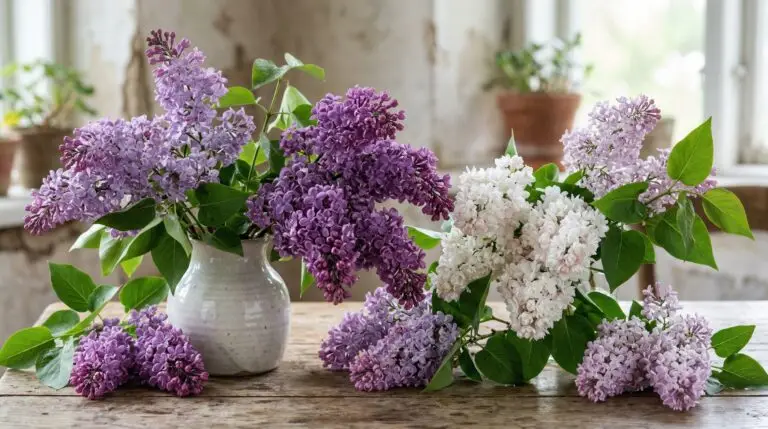
Best lilac varieties from classic purple to reblooming Bloomerang and dwarf types

Lilac festivals across America and visiting the most spectacular lilac collections
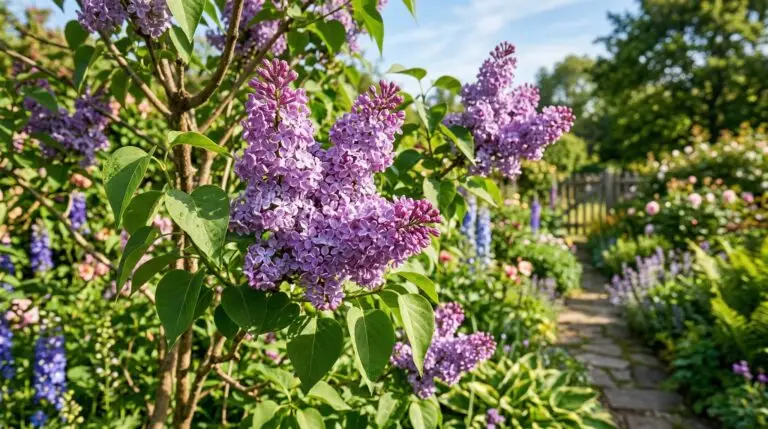
How to grow lilacs for the most beloved fragrance in the spring garden
Enjoying our flower guides? Add YourFlowersGuide as a preferred source on Google. It helps more readers find us.
Add to Preferred Sources