
Many homeowners inherit an old lilac bush when they buy a house, or they watch a beloved shrub slowly transform over the decades into a towering tree with flowers only at the very top. This happens because lilacs naturally grow upward toward the sun, shedding lower leaves and abandoning lower branches as the canopy thickens. Over time, the base becomes a collection of thick, bare trunks, often described as leggy, while the blooms sit entirely out of reach or sight. Pruning lilacs is the only way to bring the foliage and the flowers back down to eye level. Left to their own devices, these shrubs will continue to stretch upward and produce fewer blossoms as the old wood loses vigor. Rejuvenation pruning forces the plant to push new growth from the base, resetting its structure and restoring its health. You can approach this process gradually over a few seasons or tackle it all at once, depending on your patience and the current state of the shrub.
Contents 5 sections
Timing the cut for the best response
The timing of your pruning dictates whether you will see flowers this year or next. Lilacs set their flower buds for the following spring shortly after they finish blooming in the current year. If you wait until midsummer or fall to cut back branches, you will remove all the buds that would have opened the next spring. For routine shaping or minor trimming, the ideal window opens the moment the last flowers fade and turn brown. However, when you are dealing with an old lilac bush that requires major structural changes, the rules shift slightly. The best time for severe rejuvenation pruning is late winter or early spring, just before the leaf buds begin to swell and open. At this stage, the shrub is still dormant, meaning it holds all its stored energy in the root system ready to push new growth. You will sacrifice the spring blooms on any branches you remove during this dormant period, but the bare silhouette makes it much easier to see the structure of the trunks and decide what needs to go. This dormant pruning approach works equally well for other early spring bloomers like Forsythia, which also respond vigorously to hard cuts before they wake up.
The three year renewal method
The most reliable way to shrink an overgrown lilac without shocking the plant or completely losing your spring display is the three-year renewal method. This involves removing roughly one-third of the oldest stems right down to the ground each year for three consecutive years. You will need a sharp pair of bypass loppers for branches up to an inch thick and a folding pruning saw for the heavier trunks. Start by inspecting the base of the shrub to identify the thickest, grayest stems with peeling bark, as these are the oldest and least productive parts of the plant. Cut these selected old stems as close to the soil line as possible, leaving no stubs behind. Leaving a stump encourages weak, messy growth at the cut site rather than strong new shoots from the root crown. By removing only a third of the canopy, you allow the shrub to maintain enough leaf surface to feed the roots while opening up space and light for new shoots to emerge from the base. This phased approach is similar to how you might manage an overgrown Mock Orange, giving the plant time to recover while keeping some mature wood intact for continuous flowering.
Managing suckers and thinning the crown
As you remove the old wood, you will likely notice dozens of thin, whip-like stems growing straight up from the soil around the base of the plant. These are suckers, and managing them is a central part of lilac rejuvenation. You cannot keep all of them, or the shrub will quickly become an impenetrable thicket. Select three or four of the strongest, healthiest-looking suckers to keep, spacing them evenly around the base to become the new main trunks. Use your hand pruners to cut all the remaining suckers off at ground level or dig them out with a spade if they are spreading too far into the lawn. After addressing the base, look up at the remaining canopy and remove any branches that cross and rub against each other. Thinning the center of the crown allows sunlight to penetrate deep into the plant and improves air circulation, which helps prevent powdery mildew from forming on the leaves in late summer. You might see the remaining tall branches flopping slightly once their neighbors are removed, but they will adjust and strengthen as the season progresses. Proper airflow is just as beneficial for lilacs as it is for densely growing shrubs like Hydrangea macrophylla, keeping the foliage dry and disease-free.
Taking the drastic rejuvenation approach
Sometimes a lilac is so top-heavy, tangled, or damaged that the gradual three-year method is impractical. In these cases, you can use the drastic rejuvenation approach, which means cutting the entire shrub down to the ground all at once. You will need a sturdy pruning saw or a small chainsaw for this job, cutting every single trunk down to about two or three inches above the soil line. This must be done in late winter while the plant is completely dormant to ensure the root system has maximum energy reserved for the massive recovery effort. When spring arrives, the bare stumps will look alarming, and you might wonder if you have killed the plant. Within a few weeks of warming soil temperatures, the root system will push a dense flush of new suckers all around the old cuts. You will not see a single flower for at least two or three years, as the plant must mature this new vegetative growth before it can produce flowering wood. This method requires patience, but it completely resets the shrub and eliminates decades of poor structure in a single afternoon.
What to expect as the shrub recovers
Whether you choose the gradual method or the drastic cut, the response from the root system will be vigorous. During the first growing season after pruning, the plant will focus entirely on pushing tall, straight vegetative shoots from the base. You will need to monitor these new shoots and thin them out, keeping only the most robust ones to form the new framework. By the second year, these new stems will begin to branch out laterally, creating a fuller, more natural shrub shape rather than looking like straight sticks. If you used the three-year method, you will continue cutting out the old wood, steadily shifting the balance of the plant from old trunks to young, vigorous stems. By the third or fourth spring, the new growth will mature enough to start setting flower buds. The resulting blooms will appear at eye level, surrounded by healthy green foliage that extends all the way down to the ground. The shrub will be shorter, denser, and far more productive, ready to provide decades of spring color with just light annual maintenance.
More About Lilacs

Companion plants for lilacs: what to grow and what to avoid
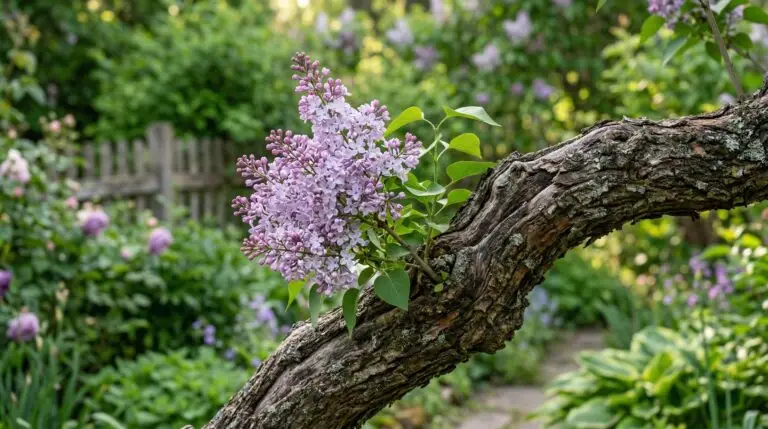
Why lilacs stop blooming and the pruning timing mistake almost everyone makes

Lilacs for warm climates and the low-chill varieties that bloom without cold winters

Lilac flower meaning and the nostalgic scent that connects us to spring memories

Dwarf and compact lilacs for small gardens that deliver big fragrance in limited space

Best lilac varieties from classic purple to reblooming Bloomerang and dwarf types

Lilac festivals across America and visiting the most spectacular lilac collections
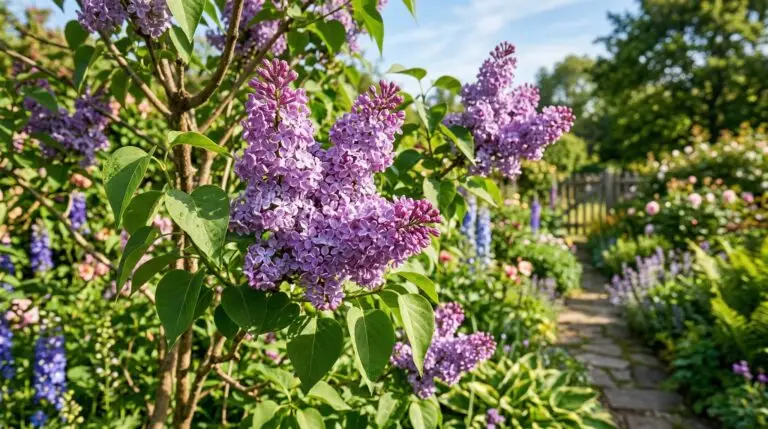
How to grow lilacs for the most beloved fragrance in the spring garden
Enjoying our flower guides? Add YourFlowersGuide as a preferred source on Google. It helps more readers find us.
Add to Preferred Sources