The pairing · pick a flower
 Lilac+
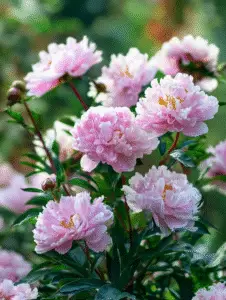 PeonyProven
Wants the same full sun, good drainage, and near-neutral soil as lilac, and its own bloom follows right behind the shrub's, so color never fully stops.
Lilac+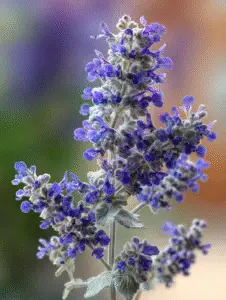 CatmintProven
Shares lilac's full-sun need and tolerates a wide range of soil including alkaline ground, stays low enough to screen lilac's bare lower stems, and keeps blooming for months after the shrub is done.
Lilac+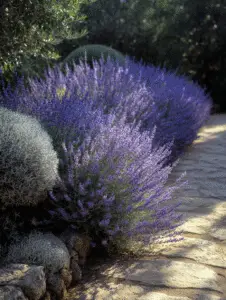 LavenderProven
Genuinely wants the same full sun, sharp drainage, and alkaline soil as lilac, unlike most companion perennials, and its purple spikes echo the shrub's own color at ground level.
Lilac+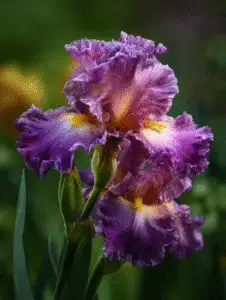 Bearded irisProven
Prefers the same slightly alkaline soil and full sun lilac needs, and its own May bloom overlaps the shrub's, adding a sword-leaf texture lilac doesn't have.
Lilac+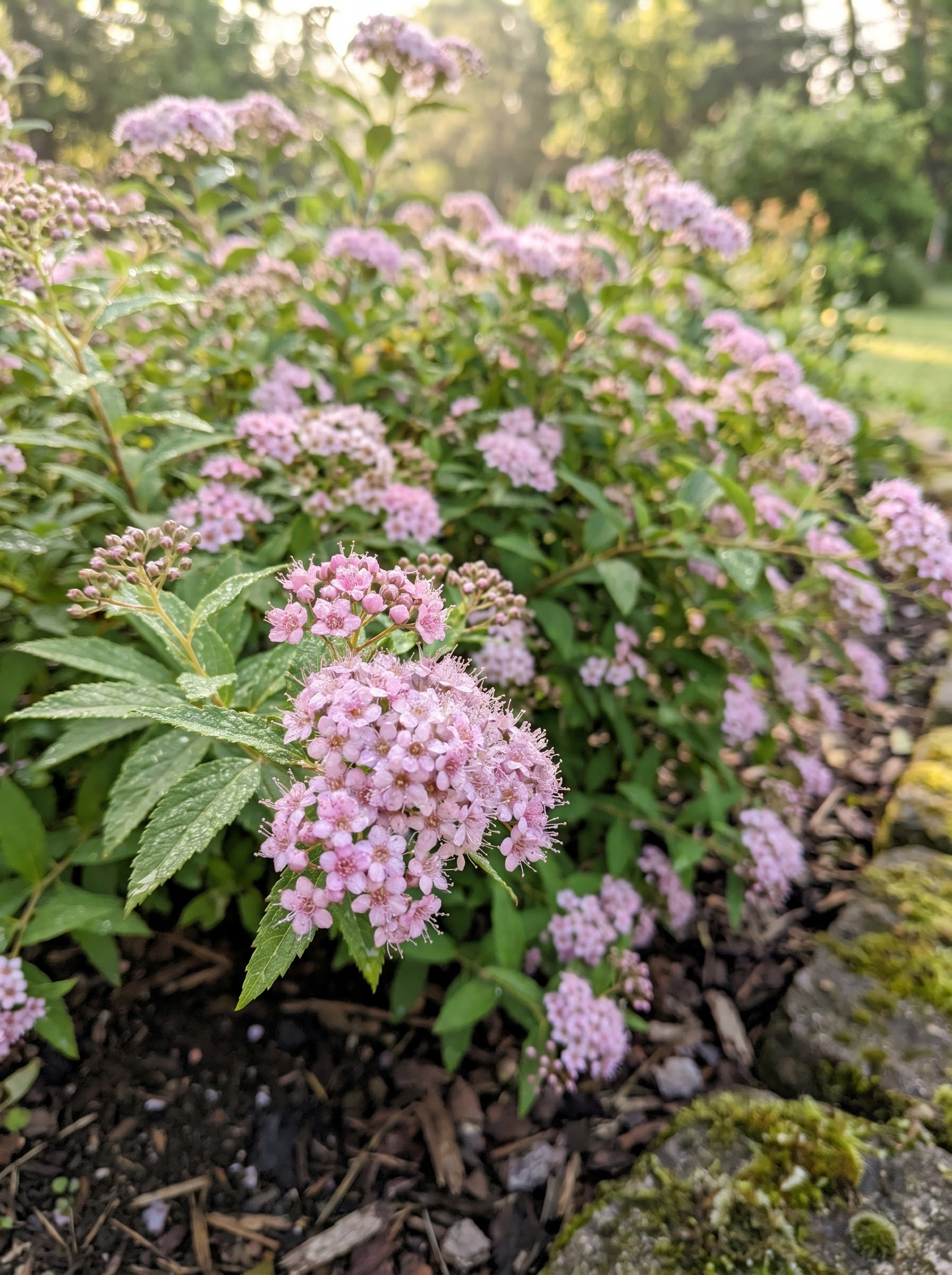 SpireaProven
Takes the same full sun and a genuinely wide range of soils, stays shorter and denser than lilac, and blooms after the shrub finishes, so the border keeps moving.
Lilac+ RosesPartial
Matches lilac's full-sun requirement and tolerates neutral soil reasonably well, but roses genuinely prefer slightly acidic conditions, a real if minor pH gap worth knowing rather than ignoring.
Lilac+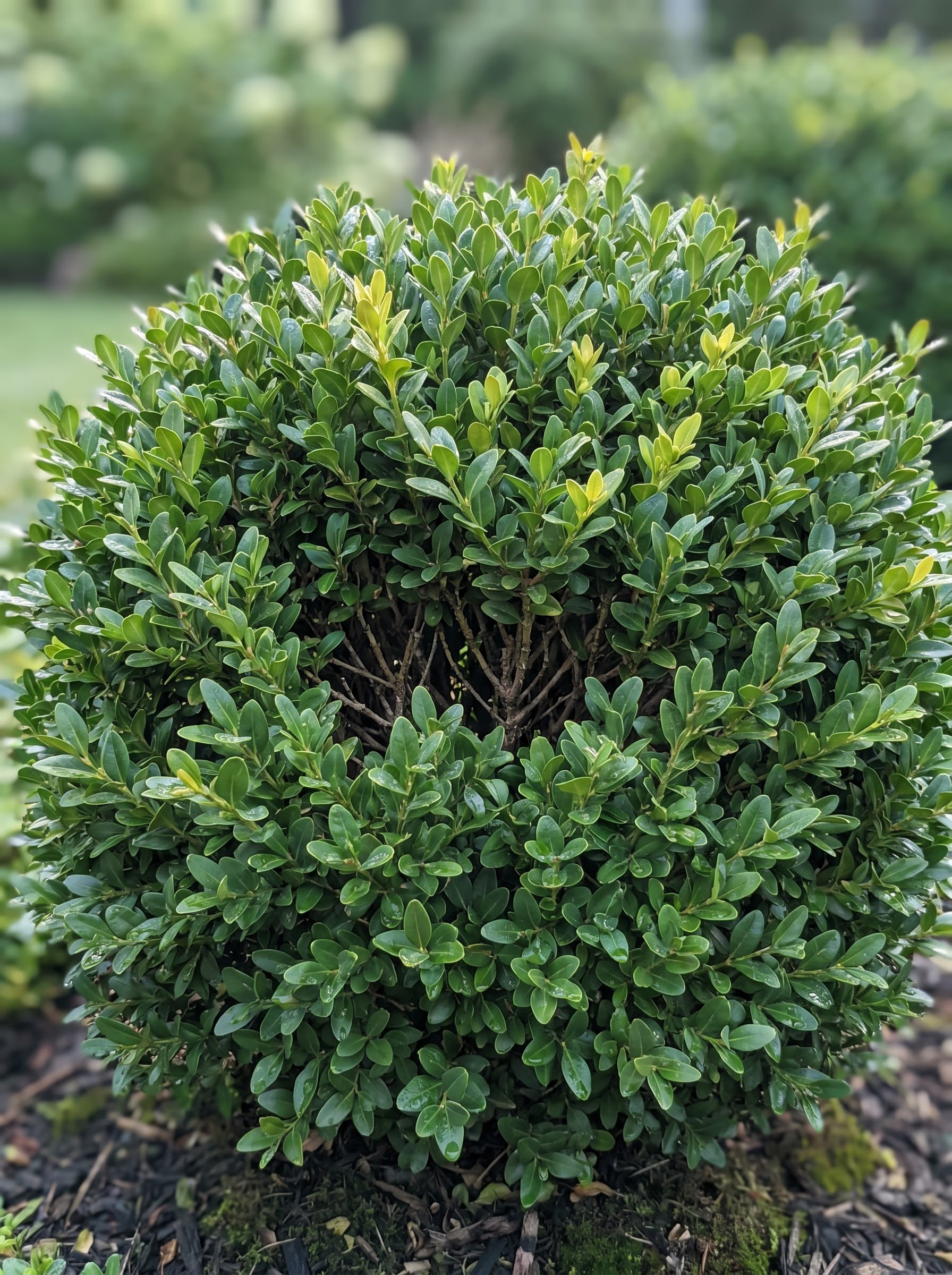 BoxwoodPartial
Shares lilac's neutral-to-alkaline soil preference and gives evergreen structure once the shrub goes bare, but boxwood actually prefers part shade, so it belongs at the border's edge, not tucked under lilac's full-sun canopy.
Lilac+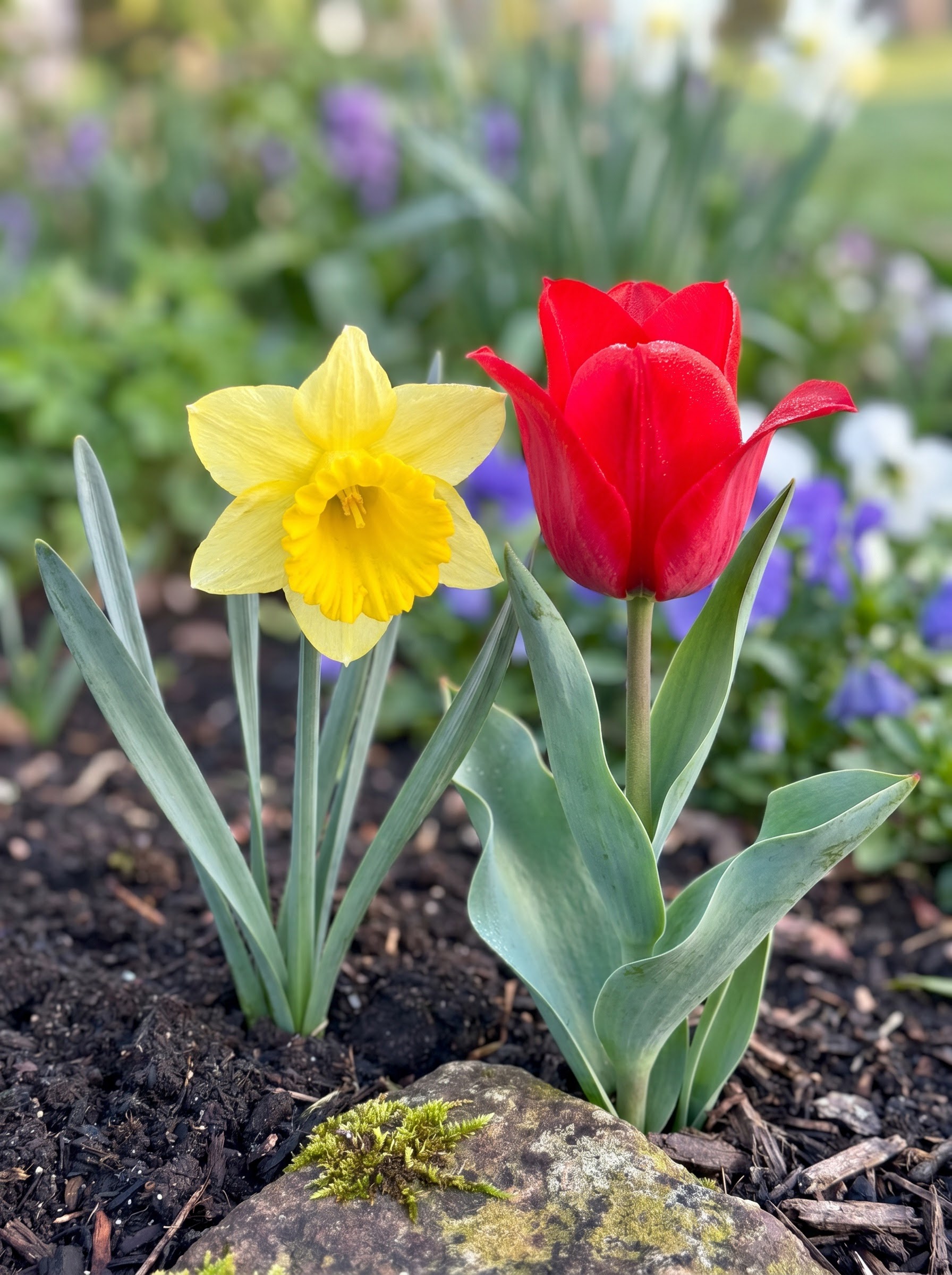 Spring bulbsPartial
The real benefit is timing, not soil chemistry: bulbs bloom and finish before lilac leafs out fully, filling the yard's dullest stretch, though daffodils specifically prefer more acidic soil than lilac wants, so treat this as a timing pairing rather than a conditions match.
All lilacs companions
8 flower companions, best match first
What not to plant near lilacs
Most bad neighbours are not evil, they just want the opposite light, water or root run. Here is what to keep away, and what to do instead.
Azalea, rhododendron, and camellia
A double mismatch: these want acidic soil where lilac wants neutral to alkaline, and part shade where lilac needs 6 or more hours of full sun to bloom well at all.
Black walnut (Juglans nigra)
Lilac is named directly as one of the shrubs that grows poorly near black walnut, alongside hydrangea, rhododendron and viburnum, from the juglone the tree's roots and fallen leaves release into the soil.
Anything tender planted tight against the trunk
This is a spacing issue more than a plant-versus-plant one: most retail lilacs are grafted, and suckers from the rootstock spread from the root zone and will crowd or outcompete anything planted too close to the base.
High-nitrogen lawn fertilizer near the root zone
Lawn fertilizer's high nitrogen content pushes leafy growth at the expense of flower buds, a real risk for the many lilacs planted right at a lawn's edge.
Hydrangea crowded tight against a mature lilac
A genuine water-need gap once both plants mature: established lilac tolerates dry spells, while hydrangea wants consistently moist, rich soil and wilts without it, so satisfying one under-serves the other.
Garlic, sage, and olive trees
A circulating claim with no real mechanism: garlic and sage are small aromatic herbs with no plausible effect on an 8 to 16 ft woody shrub, and olive trees actually share lilac's love of alkaline soil, full sun, and sharp drainage, making the claim backwards rather than just unproven.
The best companions for lilacs, explained
Common lilac sets unusually clear terms for anything planted near it: full sun, six or more hours a day, and soil that leans neutral to alkaline rather than the acidic ground most flowering shrubs chase. That second point is the one worth sitting with, because it flips the assumption most companion advice defaults to. North Carolina Extension’s plant toolbox lists lilac’s tolerated pH as alkaline above 8.0 down through neutral, and states plainly that it does not do well in highly acidic soil, which makes peony one of the cleanest matches on this list rather than a decorative pick. Peony wants a pH of 6.5 to 7.0, full sun, and soil that drains well, according to Clemson HGIC, and its own bloom lands in mid to late spring, often overlapping lilac’s finish so the bed doesn’t go dark the moment the shrub’s two-week show ends. Catmint does similar work at a different scale: it shares lilac’s need for full sun and tolerates a wide range of soil, including alkaline ground, stays low enough to screen the bare lower stems lilac develops as it matures, and keeps flowering for months once the shrub has nothing left to show.
Lavender belongs on the same short list of plants that genuinely share lilac’s dry-alkaline lean rather than merely tolerating it. Full sun, sharp drainage, and alkaline soil are exactly what the Missouri Botanical Garden’s plant finder lists for English lavender, which is a real point of difference from moisture-loving shrubs where it becomes an awkward fit. Bearded iris is the other close match. Clemson HGIC states plainly that bearded iris prefer slightly alkaline soil and 6 to 8 hours of full sun, putting it in step with lilac’s own culture, and its own May bloom lands squarely inside lilac’s window rather than after it. Spirea rounds out the strongest tier: it takes a genuinely wide range of soils and full sun, stays shorter and denser than lilac, and flowers in June and July, right as the lilac border needs something else to look at. Roses earn a place too, tolerating lilac’s neutral soil reasonably well even though they lean toward slightly acidic ground themselves, a real if minor gap rather than a disqualifying one, and their own repeat bloom carries the cottage-garden pairing people search for by name straight through summer.
What not to plant near lilacs
The cleanest, most teachable mismatch is the acid-loving, part-shade shrub set: azaleas, rhododendron, and camellia. These want acidic soil where lilac wants neutral to alkaline, and part shade where lilac needs direct sun to flower well, a double conflict rather than a single soft preference. It’s an easy trap because all four get lumped together in generic "flowering shrub border" advice, but the actual growing conditions point in opposite directions, and NC State’s own tolerated-pH range for lilac makes the mismatch explicit rather than a matter of opinion. Black walnut is the one real chemical case here, and it’s worth naming because most lilac companion content skips it entirely. Iowa State University Extension names lilac directly among the shrubs that grow poorly near black walnut, alongside hydrangea, rhododendron, and viburnum, from the juglone the tree’s roots and fallen leaves release into the soil. There’s no workaround beyond distance; a black walnut anywhere near the planting site rules lilac out of that spot entirely.
A quieter but genuinely common mistake involves lilac’s own root habit rather than a mismatched neighbor. Most retail lilacs are grafted, and suckers throw up from the rootstock and spread from the root zone, which means anything delicate planted tight against the trunk will get physically crowded or outcompeted over time. This isn’t really an avoid-this-plant problem so much as a spacing and maintenance one: remove suckers as they appear, and give real companions genuine distance rather than tucking them against the base. Lawn fertilizer is a related, easy-to-miss issue for the many lilacs planted right at a lawn’s edge. University of Minnesota Extension warns that high-nitrogen lawn fertilizer pushes leafy growth at the expense of flower buds, which is exactly the opposite of what a lilac at a foundation or property line needs. Hydrangea deserves a caveat rather than a flat no, since it’s one of the most-searched romantic pairings for this shrub: established lilac tolerates dry spells reasonably well, while hydrangea wants consistently moist soil and wilts without it, so a shared bed tends to under-serve one plant or the other. Give it its own irrigated pocket or a pot instead of assuming the two will settle into the same watering rhythm.
One more claim is worth naming specifically so it can be put to rest rather than quietly repeated: a version of "don’t plant garlic, sage, or olive trees near lilac" circulates without any stated mechanism behind it. Garlic and sage are small aromatic herbs with no plausible chemical or competitive effect on an 8 to 16 ft woody shrub, and olive trees actually share lilac’s preference for alkaline soil, full sun, and excellent drainage, which makes the claim backwards rather than merely unproven. It reads like manufactured listicle noise, and it’s more useful to say so plainly than to either repeat it uncritically or leave it unaddressed.
Do they like the same conditions?
Full sun and neutral-to-alkaline soil are the two filters every candidate on this page had to pass, and they rule out more than they let in. Shade tolerance is structural for lilac, meaning the plant survives partial shade without dying, but it flowers poorly there and NC State and UMN both list reduced bloom and higher powdery mildew risk as the real cost of insufficient light. That immediately disqualifies the classic shade-perennial set, hosta, astilbe, fern, heuchera, that dominates companion lists for shade shrubs like hydrangea; lilac is simply the opposite plant. Soil pH is the more distinctive filter, and it’s the point worth building the whole page around, because most flower-bed companion advice quietly assumes acidic-to-neutral ground is the safe default. Lilac inverts that. NC State lists its tolerated range as alkaline above 8.0 through neutral at 6.0, and states directly that it struggles in highly acidic soil, while UMN independently gives a pH of 7.0 to slightly alkaline as ideal. Two land-grant extension programs landing on the same number, from opposite ends of the country, is about as solid as this kind of fact gets.
That reversal is why peony, lavender, and bearded iris earn genuine top-tier status here rather than a folklore bump: each independently documented source lists the same alkaline-to-neutral lean lilac itself needs, not a coincidental overlap discovered by pairing two catalog photos. Catmint earns its own spot beside them for a related but distinct reason: it shares lilac’s full-sun need outright and tolerates alkaline soil without complaint, even where its documented preference isn’t pinned to one exact pH the way peony’s or lavender’s is. Roses and daffodils sit a step down for the same reason in reverse. Roses tend toward slightly acidic soil themselves, a real if modest gap rather than a disqualifying one, which is why the match here is tiered Good rather than Perfect. Daffodils are more of a genuine mismatch on paper, since NC State’s own fact sheet lists Narcissus as preferring acidic soil under pH 6.0, which sits below lilac’s comfort range; the honest read is that spring bulbs earn their place through bloom timing, filling the gap before lilac leafs out, rather than through any shared soil chemistry. Water tells a smaller but real story too: lilac is explicitly intolerant of standing water, with UMN citing poor drainage as a direct cause of root rot, and drought-tolerant once established, which is exactly why lean, sun-loving companions like lavender and catmint fit so cleanly and why a moisture-hungry plant like hydrangea needs its own separate watering plan rather than a shared bed.
How to plant them together
Layer by height and by season rather than filling the whole bed at once. Bearded iris and spring bulbs go in front, low enough to bloom before or alongside lilac without competing for the shrub’s canopy space, and their foliage dies back before lilac fills in fully overhead. Catmint and lavender form the next layer out, roughly 18 to 24 inches from the trunk, low and spreading enough to screen the bare lower stems lilac develops as it ages while staying clear of the sucker zone right at the base. Peony wants more room than that, 24 to 36 inches from the drip line, since its own dense root mass competes directly with lilac’s shallow, spreading roots if the two are planted too close. Spirea and roses need a true 3 to 4 ft gap from the canopy edge, both because they’re substantial plants in their own right and because lilac’s mildew risk goes up when airflow around the base gets choked by crowding.
Boxwood is the one structural evergreen worth naming specifically, and it needs a caveat most design-blog advice skips: Clemson HGIC lists boxwood’s ideal soil as neutral to slightly alkaline, a real match with lilac’s own chemistry, but the shrub itself actually prefers part shade rather than the full sun lilac demands. The fix is siting rather than avoidance, positioning boxwood 3 to 5 ft out as a backdrop or low hedge at the border’s edge, where it gets its own light and still delivers the evergreen structure a lilac bed genuinely lacks once the shrub drops its leaves. In containers, the same logic scales down: a large pot lets a grower control soil pH directly for lavender or catmint, and either one at the rim does the bare-legs cover job a smaller lilac cultivar or a potted specimen needs, provided both plants share a drought-tolerant watering schedule rather than a moisture-hungry one.
Does companion planting actually work for lilacs?
Some of it rests on solid ground, and some of it is closer to design habit dressed up as horticulture, which is worth saying outright. The shared-conditions matches are the strongest claims on this page: peony, lavender, catmint, and bearded iris all independently and verifiably want the same full sun and neutral-to-alkaline soil lilac does, confirmed across NC State, UMN, Clemson, and the Missouri Botanical Garden rather than repeated from a single blog source. That’s a real, checkable overlap, not a marketing line. The seasonal-succession argument is just as real and specific to this shrub: lilac’s bloom lasts roughly 10 to 14 days and then the plant goes structurally quiet for the rest of the year, so pairing it with something that picks up the color right after, catmint, lavender, roses, or spirea, closes a genuine, well-documented gap rather than simply adding more flowers to an already full bed.
Where the evidence thins out is anywhere claiming a companion actively protects or improves lilac’s health beyond not fighting it for light, water, and pH. There’s no meaningful pest-repelling case here the way there is for allium and aphids elsewhere in this project; the benefit is entirely about shared growing conditions, bloom timing, and honest design choices like using boxwood for winter structure. The black walnut case is the one real allelopathy finding, sourced directly to Iowa State’s own naming of lilac among the vulnerable shrubs, and it deserves more weight than most consumer sites give it since it rules out a location entirely rather than just a nearby plant. The garlic-sage-olive claim is the clearest case of manufactured folklore on this page, contradicted by basic growing-conditions logic rather than merely unverified, and it’s worth naming and dismissing directly rather than pretending it doesn’t circulate. The honest verdict: match the sun and pH first, use bloom succession to keep color moving through the season, and treat any claim beyond that, repelling pests, boosting bud count, curing mildew, as unproven until shown otherwise.
FAQ
What can I plant in front of a lilac to hide the bare stems?
Catmint and lavender are the strongest options, since both stay low, spread into a loose skirt, and genuinely share lilac’s full-sun need while tolerating its alkaline soil well. Bearded iris and spring bulbs work at an even lower layer and bloom before the shrub fills in.
What should you not plant near lilacs?
Azalea, rhododendron, and camellia are the clearest mismatch, wanting acidic, part-shade conditions that are close to the opposite of what lilac needs. Black walnut is the one real chemical risk and calls for real distance, not a compromise spot.
Do lilacs need acidic soil?
No, and this is the opposite of what most flowering-shrub advice assumes. NC State and UMN both list lilac’s ideal range as neutral to alkaline, and the plant specifically struggles in highly acidic ground.
Can you plant lilacs and hydrangeas together?
Only with a caveat. Established lilac tolerates dry spells and hydrangea does not, so a shared bed tends to shortchange one plant’s water needs; a separate irrigated pocket or a container for the hydrangea solves it.
What blooms after lilacs to keep color going?
Catmint, lavender, roses, and spirea all pick up through summer once lilac’s two-week window closes, and boxwood or an evergreen sited at a real distance covers the shrub’s bare winter stretch.
Sources
- North Carolina Extension Gardener Plant Toolbox, Syringa vulgaris (Common Lilac)
- University of Minnesota Extension, Growing lilacs for Minnesota landscapes
- Iowa State University Extension, What plants are sensitive to the juglone produced by black walnuts?
- Clemson HGIC, Peonies
- Clemson HGIC, Boxwood
- Clemson HGIC, Iris
More About Lilacs
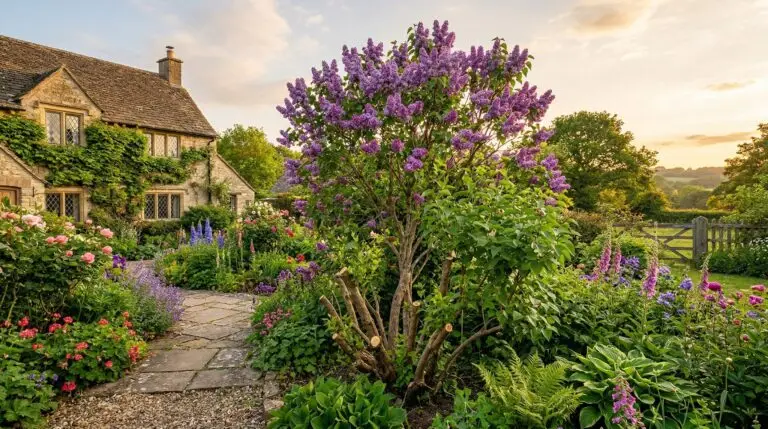
Pruning and rejuvenating old lilac bushes that have become overgrown and leggy
Why lilacs stop blooming and the pruning timing mistake almost everyone makes
Lilacs for warm climates and the low-chill varieties that bloom without cold winters
Lilac flower meaning and the nostalgic scent that connects us to spring memories
Dwarf and compact lilacs for small gardens that deliver big fragrance in limited space
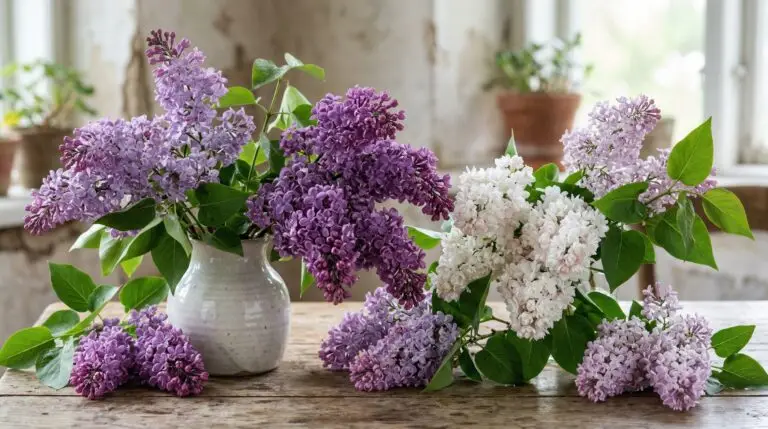
Best lilac varieties from classic purple to reblooming Bloomerang and dwarf types
Lilac festivals across America and visiting the most spectacular lilac collections
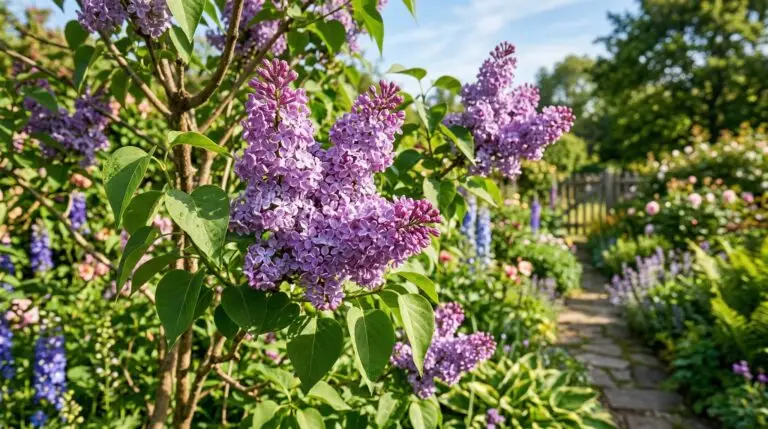
How to grow lilacs for the most beloved fragrance in the spring garden