
How to Grow and Care: Magnolia
Contents
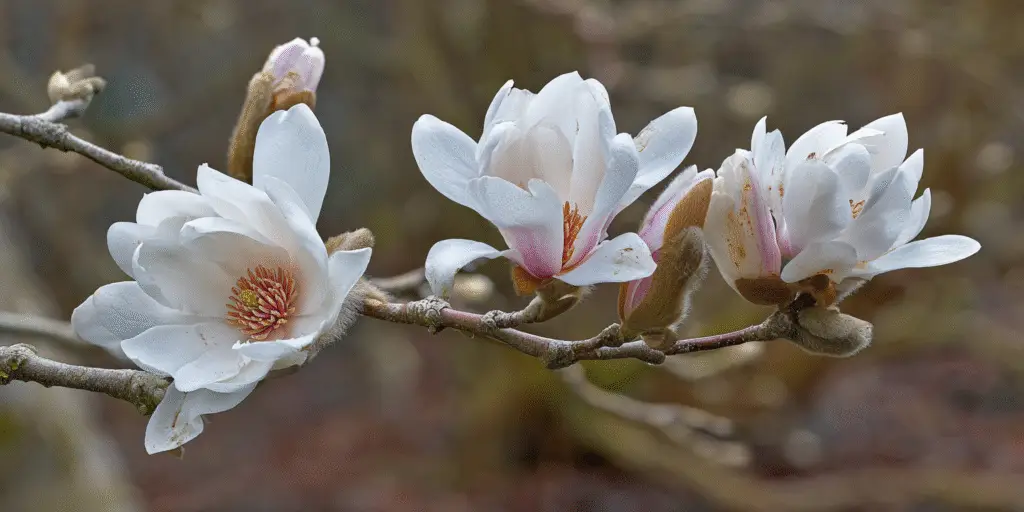
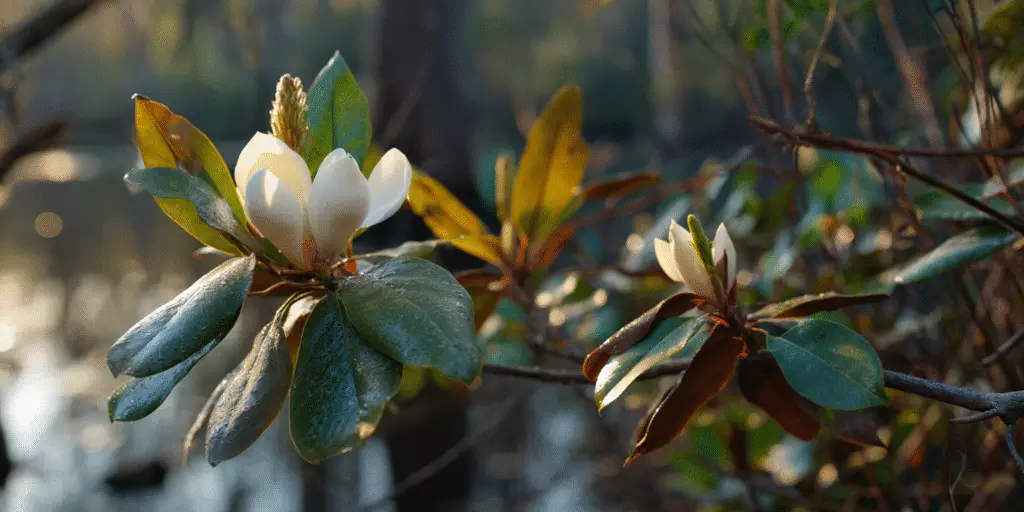
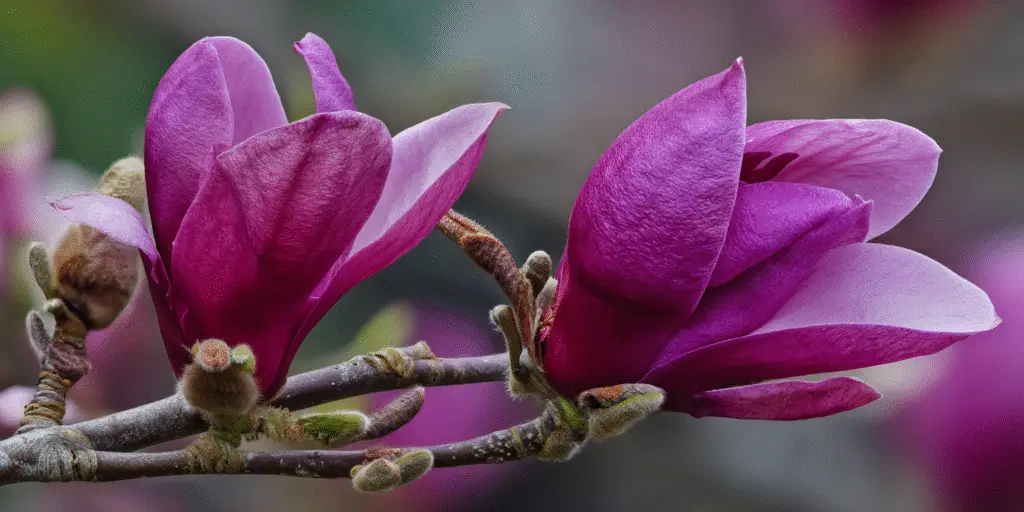
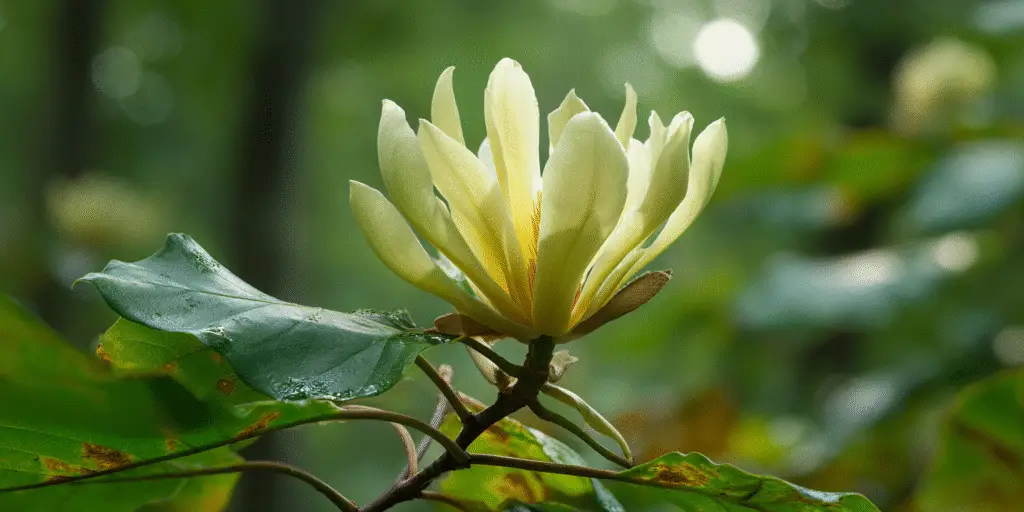
Magnolia is a broad genus of trees and large shrubs in the family Magnoliaceae, written botanically as Magnolia spp. In American gardens the most planted species include Magnolia grandiflora southern magnolia which is evergreen in warm regions, Magnolia × soulangeana saucer magnolia, Magnolia stellata star magnolia, and Magnolia virginiana sweetbay magnolia. Hardiness varies by species from about USDA Zone 4 to Zone 10. In general magnolias prefer full sun in cooler summer climates and morning sun with light afternoon shade in hotter regions. Success with Magnolia care starts with three points that never change. Choose the right species for your zone and space. Plant in soil that drains well yet stays evenly moist. Protect surface roots with mulch and avoid deep cultivation across the root zone.
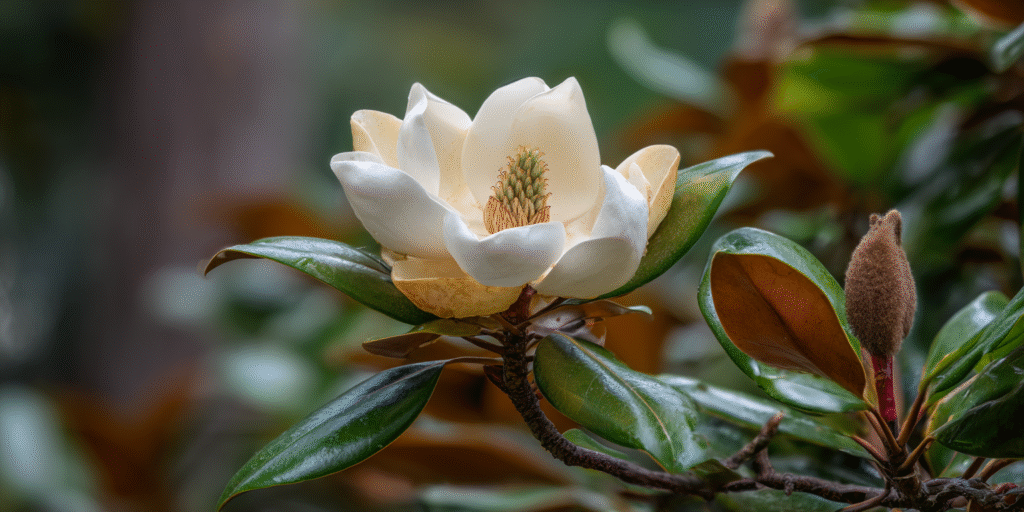
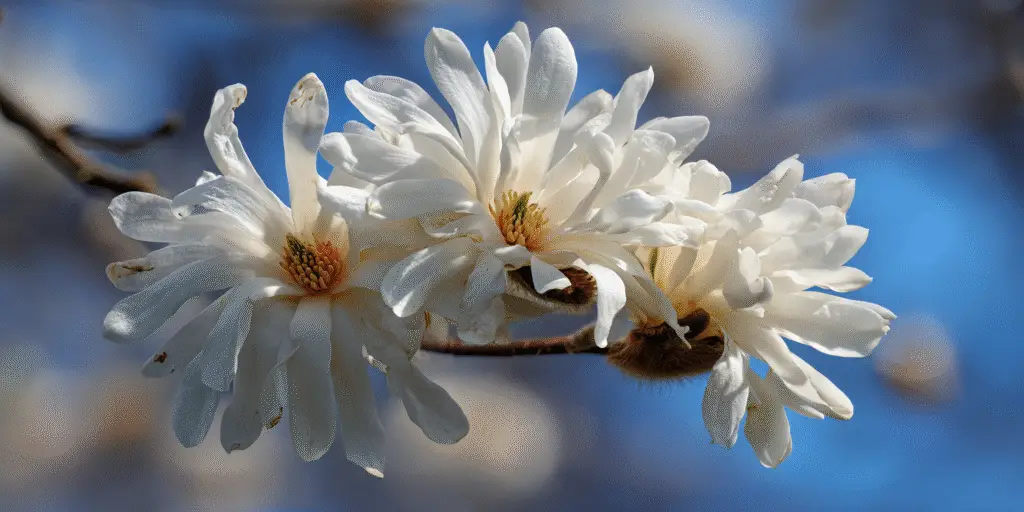
Magnolias reward patience more than almost any ornamental tree. Flowers can be ivory white, rosy pink, or purple depending on species and cultivar. Saucer and star magnolias bloom from late winter to early spring, often before leaves, while southern magnolia carries glossy evergreen foliage with huge scented flowers in late spring to summer. Most magnolias resent heavy pruning and rough handling of their roots. They want a permanent place with room to grow. If you give them air drainage moisture and time, they give you decades of bloom with a stately presence in every season.
Soil & Bed Preparation
Magnolias thrive in deep loams that hold moisture without staying waterlogged. Aim for a soil pH of 5.0 to 6.5 for most species. Slightly acidic soil helps nutrient uptake and keeps foliage from turning pale in high pH conditions. Texture matters more than added fertilizer at planting. Loose crumbly soil with plentiful organic matter two to three inches of well aged compost blended into the top twelve inches supports fast root establishment. Avoid mixing large volumes of peat or compost only into the planting hole because that can create a bathtub effect that traps water. Instead, improve the entire bed if native soil is thin or compacted. In heavy clay, sit the root flare slightly above grade and mound soil gently to encourage runoff. In sandy soil, increase organic matter across a wide area and mulch to slow evaporation.
Raised beds can help where a high water table or dense subsoil slows drainage. A raised terrace eight to twelve inches high filled with a sandy loam mix gives struggling roots oxygen and warmth. In regions with alkaline soils above pH 7.2, magnolias may show leaf chlorosis. Rather than constant fertilizer, work on soil reaction first. Incorporate elemental sulfur according to a soil test to lower pH gradually and feed soil biology with leaf mold or composted pine bark. Magnolia roots run close to the surface and spread wider than the canopy, so keep bed edges generous. Avoid frequent foot traffic or lawn equipment under the canopy because compaction restricts air and water movement where roots are most active.
Before planting, dig a hole twelve inches deep and twelve inches wide where the tree will sit. Fill it with water and let it drain. Fill it again and time the second drain. If water drops away within twelve to twenty four hours, drainage is suitable. If water stands longer than a day, improve the site before planting with a raised bed or subsurface drainage. For pH confirmation, use a home test kit or send a sample to a Cooperative Extension lab. Target 5.0 to 6.5 for most magnolias. If pH is above target, apply elemental sulfur or iron sulfate per lab guidance and retest in three to six months. If pH is below 5.0 and micronutrient toxicity is a concern, add finely ground limestone at tested rates. Adjustments should be slow and measured, not quick fixes, because abrupt swings stress roots and soil organisms.
Planting Calendar by USDA Zone
Zones 4 to 5. Choose the hardiest deciduous species such as star magnolia and saucer magnolia on hardy rootstock. Plant container grown trees in spring as soon as soil is workable and nights are above 25°F minus 4°C. Spring planting allows an entire season for roots to knit before winter freeze to thaw cycles. Avoid fall planting in very cold inland sites where early deep freezes follow a short fall. If fall planting is necessary, plant by early September and mulch well after the first hard frost.
Zones 6 to 7. Spring and early fall are both suitable. In areas with reliable fall moisture, plant from late September to late October so roots grow into warm soil well into November. In windy or exposed sites, spring is safer for thin barked young trees that can desiccate in winter sun and wind. Evergreen southern magnolia in Zone 7 prefers spring planting, which helps it anchor before winter winds and cold snaps.
Zones 8 to 9. Fall is the preferred window because soil stays warm and roots grow through winter while top growth rests. Plant from October to December where winters are mild. In very hot summers, morning sun with afternoon shade reduces leaf scorch on thin leaved Asian hybrids. In maritime climates with frequent winter storms, consider planting in late winter to very early spring to reduce salt spray exposure on new foliage.
Zone 10 and frost free pockets. Southern magnolia and certain forms of sweetbay magnolia are well adapted. Plant in late fall to winter during the cooler dry season if irrigation is available. In arid coastal southern California and similar climates, protect from reflected heat and dry winds with a windbreak and deep mulch. In subtropical Florida, magnolias tolerate summer humidity but need soil that drains after heavy rains. Plant out of low pockets where water collects.
Special notes for hot humid, arid, coastal, and high elevation sites. In hot humid regions, morning sun with filtered afternoon light keeps flowers from browning and foliage from wilting. In arid interiors, expect to irrigate during the first three summers and add wind protection until the canopy fills in. Near the coast, choose planting sites with some protection from direct salt spray and rinsing rain. At higher elevations with late frosts, choose later blooming species or place early bloomers where cold air drains away downslope to reduce bud loss.
Planting: Depth & Spacing
Magnolias dislike root disturbance, so bare root stock can be slow to establish. If you plant bare root, do it while the tree is fully dormant in late winter to very early spring in cold zones or in late fall in mild zones. Soak roots in clean water for one to two hours before planting. Inspect and prune only torn or broken roots. Dig a saucer shaped hole two to three times wider than the spread of the roots and only as deep as the root flare. Set the tree so the root flare is level with the surrounding grade or one inch higher in heavy clay. Backfill with native soil in lifts, firming gently by hand to remove air pockets. Water thoroughly as you fill. After planting, create a broad shallow berm at the edge of the hole to catch irrigation. Stake only if the trunk leans or the site is very windy, using two flexible ties that allow slight movement which encourages trunk strength. Remove stakes after one year. Most home gardeners will plant container magnolias. Slide the root ball from the pot and examine the sides and bottom for circling roots. Loosen the outer half inch of roots with gloved fingers. If one or two thick roots circle tightly, make two or three shallow vertical slices through the mat no deeper than one inch to prompt new root growth outward. Do not cut into the main structural roots near the flare. Set the top of the root ball level with or slightly above grade, never below. Backfill with the same native soil you removed. Avoid backfilling with a rich mix that is different from the surrounding soil because water will linger in the hole. Water thoroughly to settle soil, then apply a two to three inch mulch layer across the entire prepared bed, keeping mulch three to six inches away from the trunk. Space is essential. Large southern magnolia can reach thirty to fifty feet tall and twenty to forty feet wide. Saucer magnolia typically matures fifteen to thirty feet tall and a similar width. Star magnolia grows eight to twenty feet tall with a rounded form. Provide at least two thirds of the expected mature spread as clearance from buildings or other trees. For small yard groupings, space smaller deciduous magnolias ten to fifteen feet apart and large types twenty to thirty feet apart to maintain healthy airflow.
Water deeply in the planting week and through the first two seasons. Provide shade cloth on the west side in the first summer in Zones 8 to 9 to reduce leaf scorch. Avoid fertilizer during the first season unless a soil test shows a clear deficiency. Keep the mulch ring intact and expand it annually. Inspect ties and stakes monthly and remove once the tree stands firmly without support.
Watering & Mulching
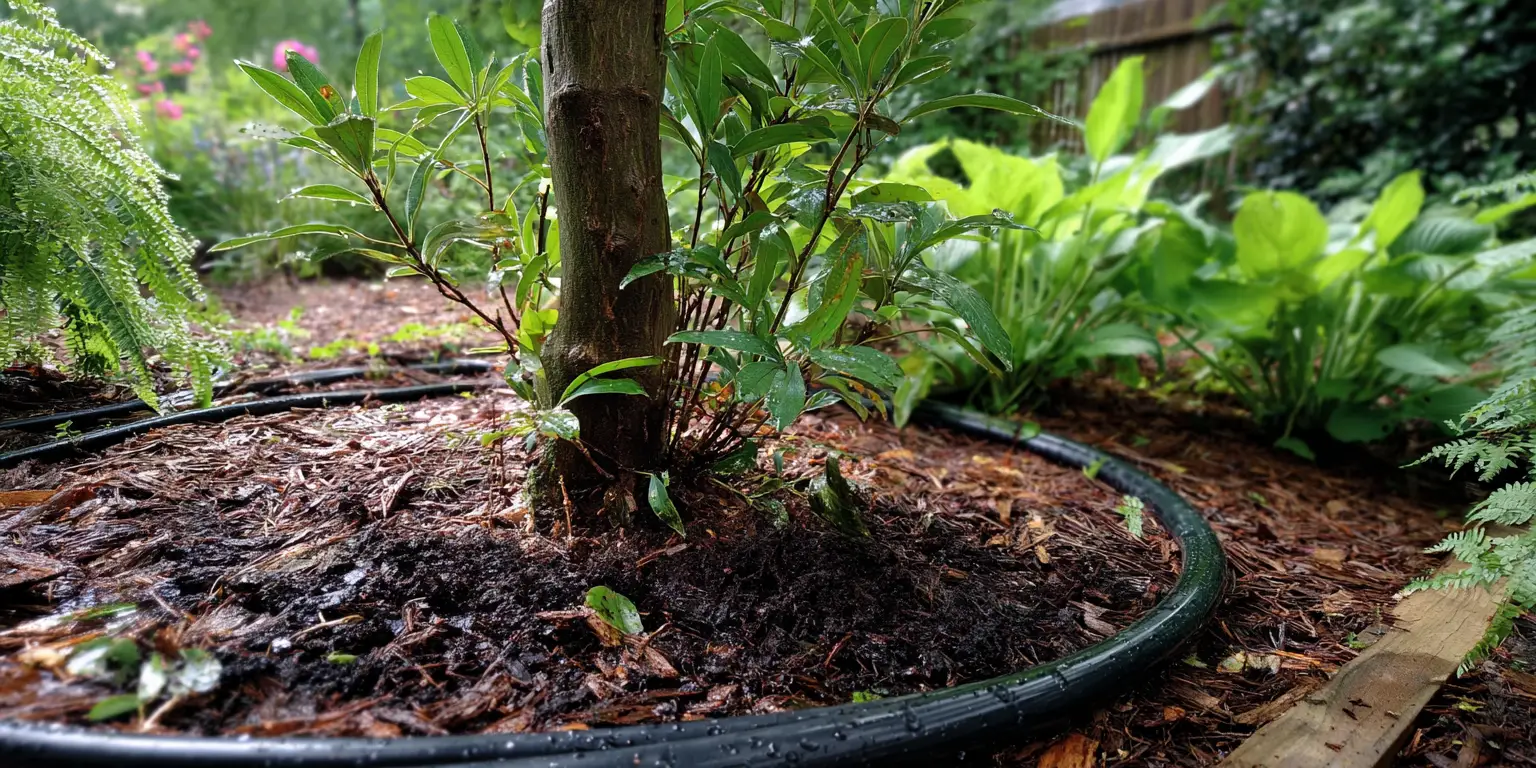
The first two years set the foundation for all future Magnolia care. Right after planting, water deeply to saturate the entire root zone. Through the first growing season provide about one inch of water per week from rain plus irrigation. In practical terms, that equals about ten gallons per week for each inch of trunk diameter measured six inches above the soil. Apply water slowly through a soaker hose or a low flow emitter to avoid runoff. In sandy soil split the weekly amount into two sessions. In clay soil one very deep soak per week is often best. During heat spikes above 95°F 35°C, add one extra deep watering for newly planted trees. Once established after two to three years, magnolias tolerate short dry spells but still bloom and grow best with steady moisture in the top foot of soil.
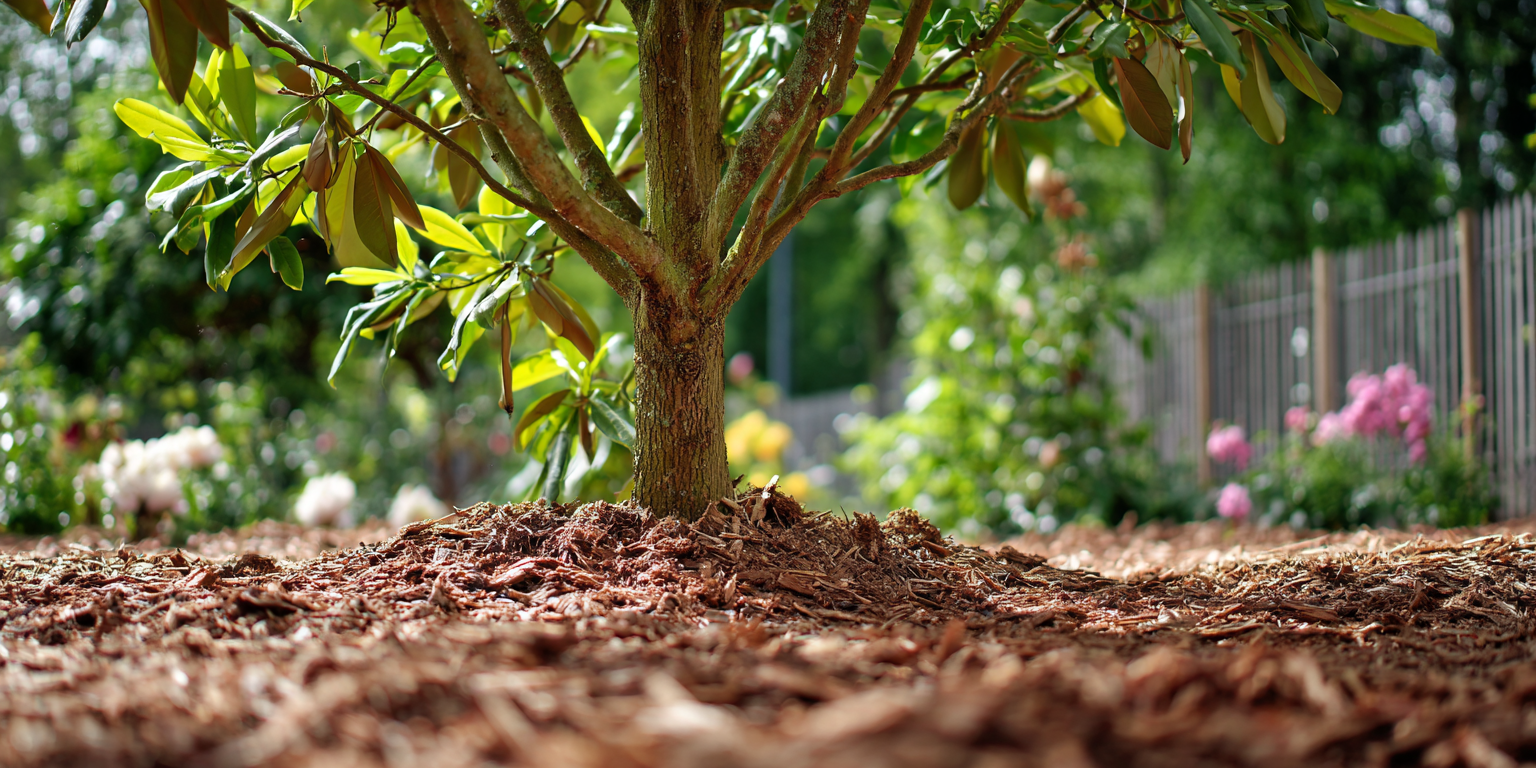
Mulching conserves water, protects shallow roots, and moderates soil temperature. Use two to three inches of shredded leaves, pine needles, or composted bark spread in a wide ring that extends well beyond the drip line as the tree grows. Keep mulch pulled back three to six inches from the trunk to prevent bark rot. Avoid piling mulch into a volcano. In areas with high rainfall, refresh mulch in late spring to keep it porous rather than matted. In very dry climates, a coarse wood chip mulch four inches deep may be appropriate if the soil drains freely. If irrigation water is very hard and raises soil pH over time, alternate with rainwater when possible and monitor pH every few years. Good mulch practices do more for magnolias than frequent fertilizer.
Feeding
Magnolias are not heavy feeders. If new growth is strong and leaves are deep green, skip fertilizer entirely. Where a soil test indicates low nutrients, feed lightly in early spring just as buds begin to swell. A slow release fertilizer with a balanced analysis such as 8 to 8 to 8 to 12 to 4 to 8 suits most magnolias. Keep nitrogen on the moderate side so shoots do not outgrow root capacity. For young trees under ten feet tall, broadcast fertilizer evenly across the mulched root zone and water it in well. Avoid fertilizer touching the trunk. Do not fertilize in late summer or fall because it can push tender growth that is vulnerable to early cold.
Organic matter is the long term nutrient source for magnolias. A yearly top dressing of one half inch of compost under the mulch feeds soil life and improves structure. In sandy soils add compost in late winter and again in midsummer to slow nutrient leaching. In alkaline soils that cause chlorosis, work on pH first, then consider chelated iron products if a soil test and local guidance suggest it. Retest soil every three to four years or after any major landscape change such as hardscape installation that alters drainage. Healthy magnolias with ample organic matter rarely need supplemental phosphorus. If a soil test shows phosphorus at adequate levels, choose a fertilizer where the middle number is low relative to nitrogen and potassium.
Pruning & Support
Prune magnolias sparingly. Their natural forms are among the reasons we plant them. For spring blooming deciduous types such as saucer and star magnolia, time any needed pruning just after the main bloom finishes so you do not remove next year’s flower buds which set during the summer. Evergreen southern magnolia can be pruned in late spring to early summer. Focus on removing dead, damaged, or crossing wood and on maintaining a single leader if a tree form is desired. Do not head back major branches unless you are willing to accept disfigured growth for several seasons. Magnolias compartmentalize slowly compared to many shade trees. Large pruning cuts can bleed sap and invite decay in wet climates.
Young trees sometimes lean in wind or carry a top that is heavier than new roots can hold. Stake only if necessary and use two stakes placed outside the root ball with a soft flexible tie attached loosely to the trunk at two points. The goal is to prevent uprooting while allowing gentle movement that strengthens the trunk. Remove stakes within twelve months. Tool hygiene matters to limit disease spread. Clean pruning blades with 70 percent alcohol before moving between trees. If you cut out a suspicious canker or blight, wipe blades again. Gather and discard infected leaves where anthracnose or leaf spot has been a problem. Many magnolia pests such as scale are managed by encouraging natural predators and by avoiding unnecessary nitrogen that promotes soft growth.
Overwintering
Cold management begins at planting by choosing the right species and an appropriate microclimate. In Zones 4 to 5, plant hardy magnolias where morning sun thaws frost slowly rather than on a south wall where flower buds can swell too early. Before the first serious freeze, refresh mulch to a uniform two to three inches to buffer roots against freeze to thaw heaving. If the site is exposed to winter wind, set a burlap screen on stakes to protect the canopy for the first one to two winters. Remove it in early spring. Where rodents chew smooth bark in winter, wrap the lower trunk loosely with a breathable tree guard or use a cylinder of hardware cloth set one inch away from the bark and anchored into soil. Remove or loosen guards in spring so they do not constrict growth.
Late frosts can brown early blooms on saucer and star magnolias. If a hard frost is forecast in late winter or early spring, drape a frost cloth or old bed sheet over small trees, supported on a simple frame so the fabric does not press directly on buds. Remove covers the next morning after temperatures rise above freezing. Evergreen southern magnolias in Zone 7 appreciate wind protection for the first two winters. In cold snaps, water the root zone during any winter thaw because hydrated roots handle cold better than dry ones. Container grown magnolias need special care. Move pots to an unheated garage or cold frame once nights are regularly below 25°F minus 4°C. Water containers lightly once every three to four weeks so the root ball does not dry out completely. Return containers outdoors in early spring as buds swell.
Growing Environments
Magnolias flourish in the ground when given space and mulch, yet compact yards and patios can still host them if you pick the right variety and container. For long term container culture, choose a naturally small cultivar and a sturdy pot with a minimum interior diameter of 20 inches 51 centimeters for the first three to five years, stepping up to 24 to 28 inches 61 to 71 centimeters as roots fill the space. Use a high quality potting mix with a blend of bark and composted materials formulated for trees and shrubs, not dense garden soil. Ensure the container has large drainage holes and raise it on pot feet to keep the base from sealing to the patio. Water when the top two inches five centimeters of mix feel dry, then water until the bottom begins to drain. Feed lightly in early spring with a slow release fertilizer and refresh the top few inches of mix every other year.
In the landscape, use microclimates to your advantage. Plant early blooming magnolias on the east or north side of a building to reduce rapid warmups in late winter that trigger premature bud opening. Shelter evergreen southern magnolia from persistent winter winds using buildings, fences, or evergreen hedges that slow airflow. In cities, avoid heat traps against large expanses of south facing masonry that reflect intense heat onto thin leaves. Understory conditions beneath taller shade trees can work if you prune the overstory to allow bright dappled light. Lawn competition can be a challenge because magnolia roots lie shallow. Replace turf under the canopy with an expanded mulch bed or with shade tolerant groundcovers set well away from the trunk. Keep the mulch ring free of gravel and fabric which impede water and gas exchange.
Companion Planting & Design
Magnolias play anchor roles in mixed borders and front yards because their structure is inherently sculptural. Pair them with companions that thrive in similar soil and light while highlighting the seasonal shifts of the magnolia. For spring bloomers, choose underplantings that green up early and hold the scene after petals fall. Hellebores, epimedium, and woodland phlox make a soft carpet in dappled light and tolerate dry shade once established. For early color before leaves emerge, naturalize clumps of snowdrops and crocus at the edge of the mulch ring, keeping bulbs a safe distance from the trunk to protect roots. In summer, sweep in broad drifts of shade tolerant perennials such as ferns and hostas that thrive in the cool soil created by a thick organic mulch.
Color echoes bring out the best in magnolias. Ivory blooms of southern magnolia pair well with silvery foliage perennials and other white flowers planted beyond the drip line. Pink saucer magnolia looks refined with companions drawn from our pink flowers and purple flowers collections, such as foxglove or salvia planted out in the sun where roots will not be disturbed. For fragrance through the season, coordinate with shrubs like lilacs in cooler zones and with glossy shade partners such as hydrangea macrophylla where soils remain moist and slightly acidic. The loose roots and wide lower branches of magnolia mean you should avoid dense plantings right at the trunk. Maintain a twelve to eighteen inch bare ring and start companions beyond that line, then increase spacing to promote airflow and reduce foliar diseases in humid summers.
Design for the whole year. Evergreen southern magnolia offers a dark green backdrop that makes late season perennials pop and can frame entries in formal plantings. Deciduous magnolias excel in mixed borders where their winter silhouettes and smooth bark are appreciated. In family yards, place magnolias far enough from patios and driveways that falling petals and leaves do not create slippery surfaces. In wildlife friendly designs, magnolias provide nectar for early emerging pollinators and seeds for birds in fall. To extend bloom across the property, combine one early blooming star magnolia, one mid to late blooming saucer magnolia, and one summer blooming southern magnolia positioned according to your microclimates. For event settings and seasonal photography ideas, review our wedding flowers guide which shows how magnolia foliage and blooms can anchor arrangements outdoors.
References
- North Carolina State Extension Plant Toolbox. Magnolia grandiflora.
- North Carolina State Extension Plant Toolbox. Magnolia × soulangeana.
Written by: Your Flowers Guide editorial team
We are a small independent group of flower lovers who research and review each guide using trusted horticultural and educational sources. Learn more about us