How to Grow and Care for Marigold
Contents
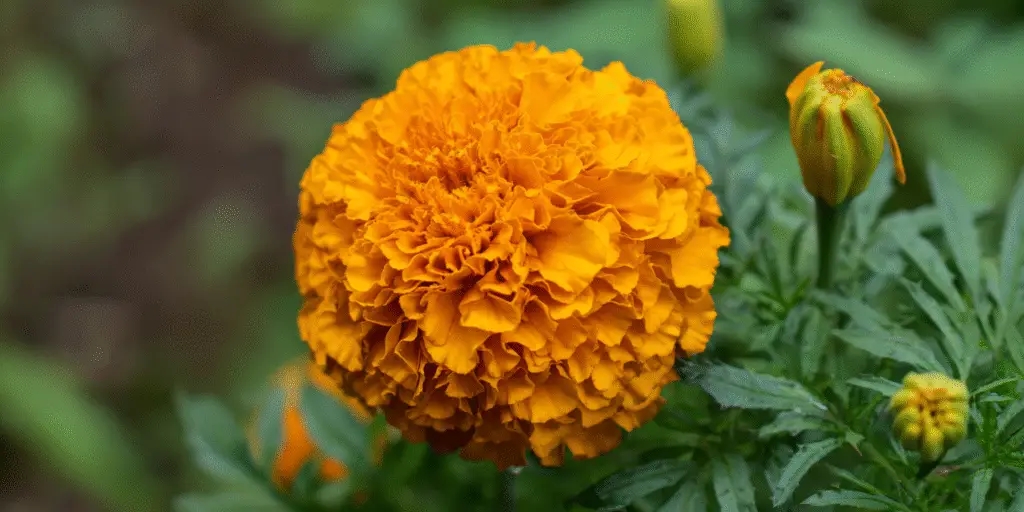
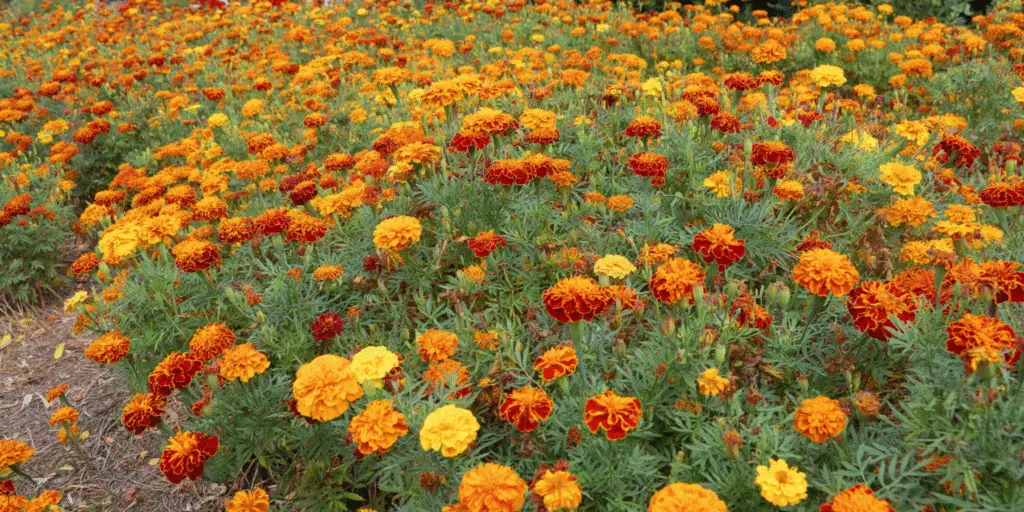
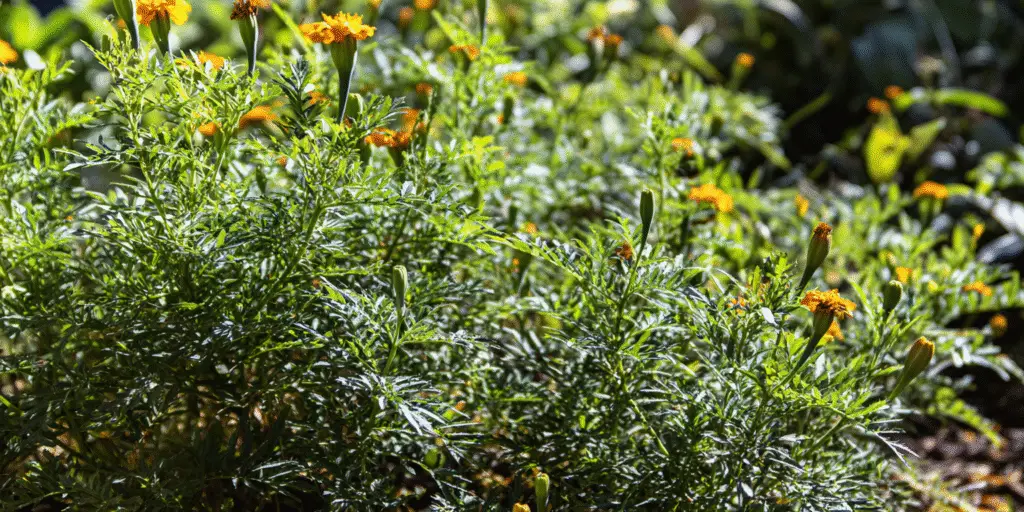
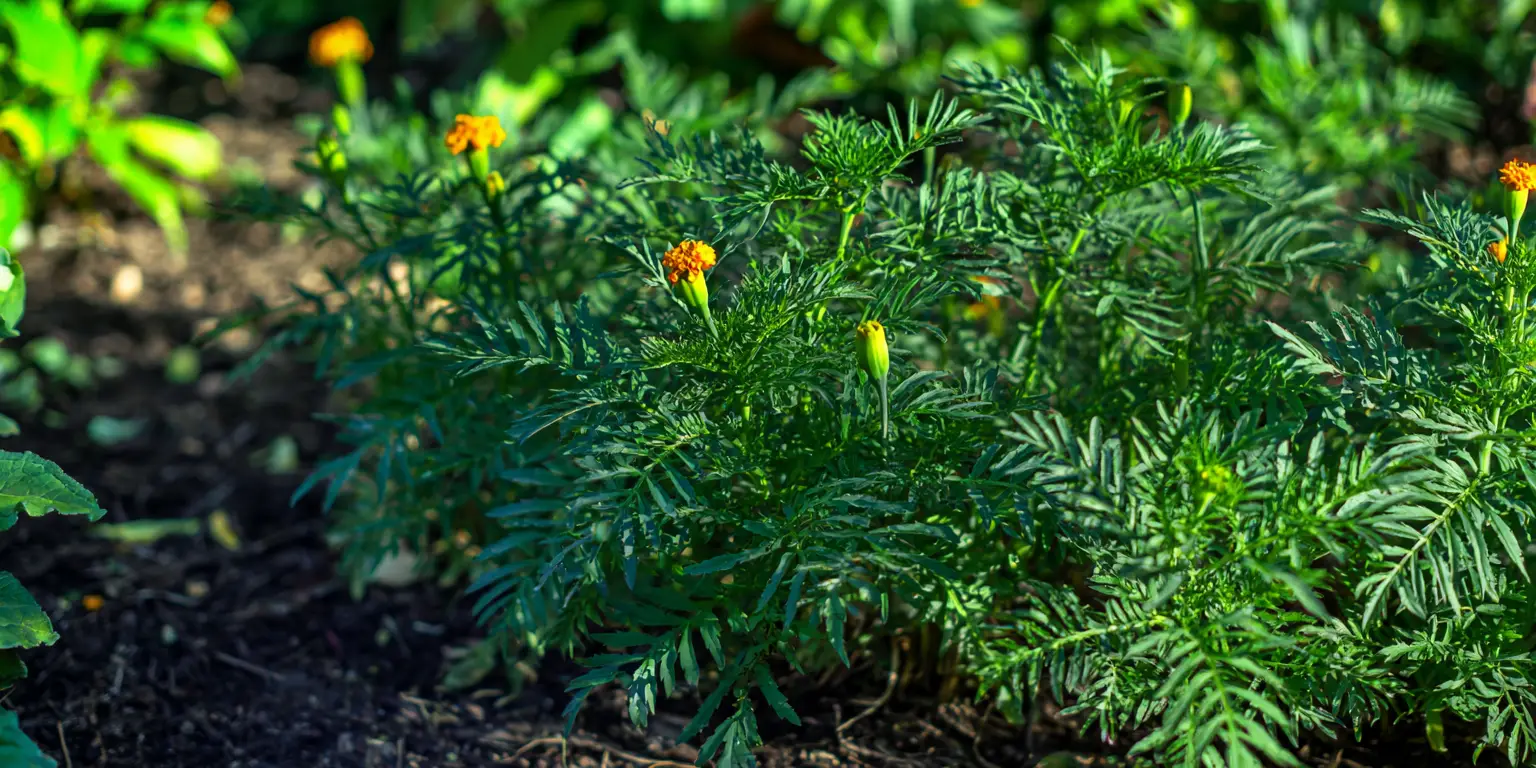
Garden marigolds are bushy annuals in the aster family grown for abundant yellow, gold, orange, cream, and bicolor blooms. African marigolds form the largest flower heads on taller plants. French marigolds stay compact with mounded habit and many smaller blooms. Signet marigolds have fine foliage and a light citrus fragrance. The accepted botanical name on first mention is Tagetes spp. Common trade names include African marigold, American marigold, Aztec marigold for T. erecta; French marigold for T. patula; and signet marigold for T. tenuifolia. Pot marigold is Calendula officinalis, often called calendula to avoid confusion. Knowing which you are planting keeps expectations clear for height, bloom size, and spacing.
Hardiness overview: Marigolds are tender. They are grown as annuals in all USDA zones and are damaged by frost. In frost free climates they act as cool season color and may fade in high summer. Set them out only after soil warms and nights stay reliably above 50 °F. In Northern zones they are warm season workhorses from late spring to the first hard freeze. In Southern and coastal areas they often bloom best during shoulder seasons when heat or humidity is less intense.
Ideal sunlight: Full sun is best for flower count and sturdy stems. Aim for 6 to 8 hours of direct sun. Plants will tolerate bright open shade for part of the day, but bloom count drops and stems may stretch. In the hottest inland sites, a touch of late afternoon shade can reduce stress on African marigolds without reducing overall display.
Snapshot of success: Start with well drained soil, plant after your last frost, water to establish, and feed lightly. Deadhead or shear once in midsummer to trigger another long flush. Choose compact French types for edging and containers, and taller African types for back of border or cutting. Keep mulch light at the crown so stems stay dry and disease pressure remains low.
Soil & Bed Preparation
Texture and drainage: Marigolds accept average garden soil if drainage is good. They dislike soggy roots. A loam to sandy loam is ideal. In clay, improve structure by blending 1 to 2 inches of finished compost into the top 6 to 8 inches of soil. In sandy soils, organic matter improves water holding and nutrient retention. Raised beds are helpful in heavy or seasonally wet ground because they lift roots above saturated zones and warm faster in spring.
pH range and fertility: Aim for a pH of 6.0 to 7.0, with workable performance from 5.5 to 7.5. Marigolds are light to moderate feeders. Excess nitrogen gives lush foliage with fewer flowers. Work in compost before planting to supply a broad nutrient base. If you did not run a soil test, a light application of balanced slow release fertilizer at planting is safer than heavy feeding. Recheck soil every 2 or 3 seasons and adjust based on test results rather than guesswork.
Drainage Test and pH Targets: Dig a hole 12 inches deep and 12 inches wide. Fill with water and let it drain. Refill and time the drainage. If the second fill is gone within 4 hours your drainage is adequate. If water remains overnight, use raised rows or beds and loosen compacted layers with deep fork work. For pH, use a home kit or send a sample to your state extension lab. If pH is below 6.0, apply garden limestone at label rates in fall or early spring. If pH is above 7.5, blend in elemental sulfur or organic amendments such as pine fines to drift downward over time. Skip drastic shifts in one season. Slow corrections are gentler on roots and soil biology.
Raised beds vs in ground: Marigolds adapt well to either. Raised beds offer improved drainage and earlier soil warmth in spring. In ground beds hold moisture better in arid regions. On slopes, terrace or contour the bed to prevent runoff. In coastal areas with sandy subsoil, add organic matter yearly to reduce leaching and to feed the soil food web that supports steady growth.
Planting Calendar by USDA Zone
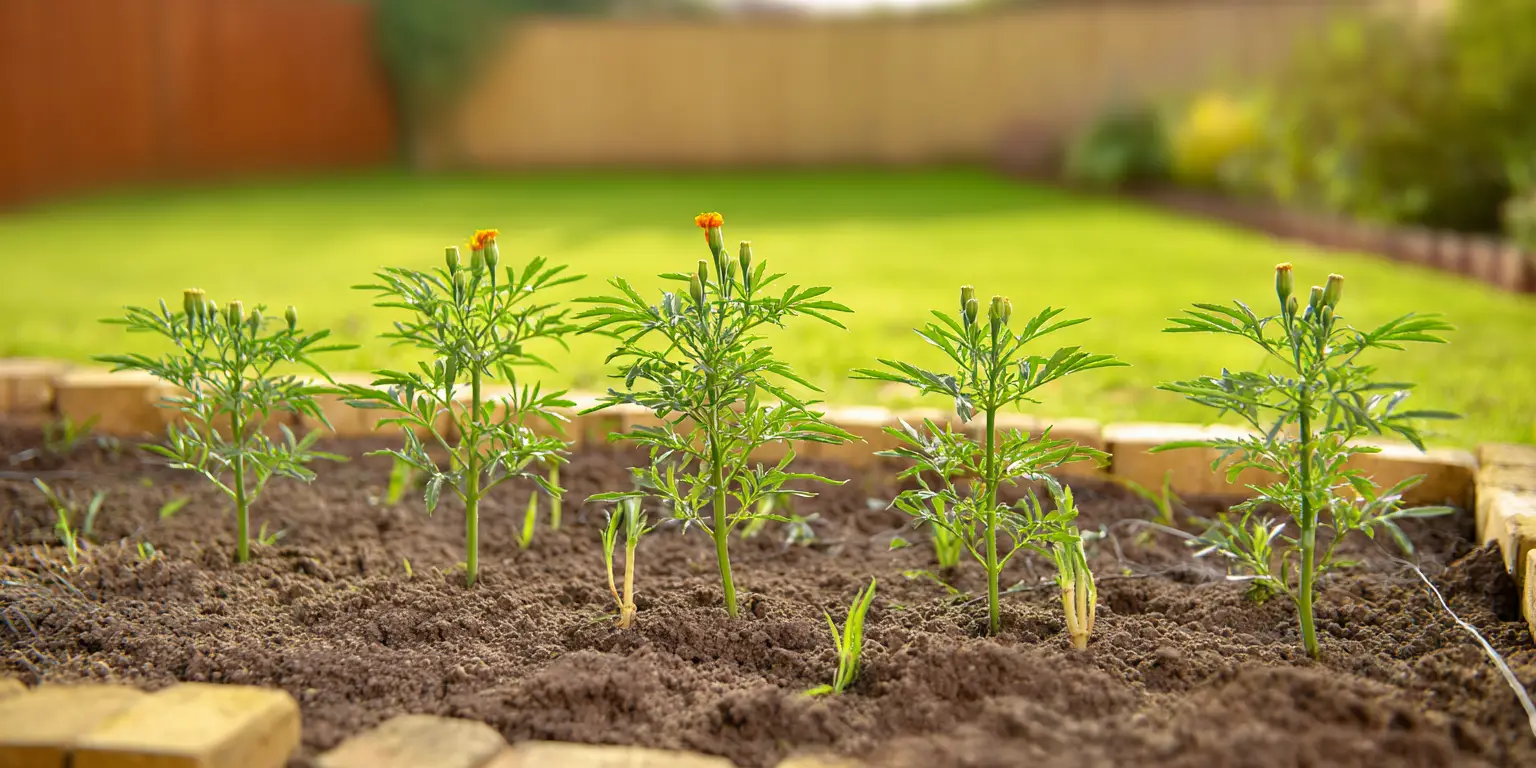
Zones 3 to 5: Start seeds indoors 6 to 8 weeks before your average last frost. Harden off and transplant after the last frost when nights stay above 50 °F. Direct sow after the soil reaches 65 °F. Expect first blooms about 8 to 10 weeks after seeding in warm soil.
Zones 6 to 7: Direct sow or transplant about 1 to 2 weeks after last frost. In windy sites, choose stocky French marigold starts for edges and use stakes for tall African types. A second sowing in late May extends bloom into fall. Watch for early fall frost if planting very late in the season.
Zones 8 to 9: In many areas marigolds excel from early spring through early summer, then again from late summer into fall. Transplant in February to March for spring color, and in late August to September for a fall show. In hot humid zones, give a bit more spacing for airflow and water early in the day to dry leaves before night.
Zones 10 to 11: Treat marigolds as cool season annuals. Plant from late fall through early spring. They may stall during peak summer heat, especially African marigolds in reflected heat near pavement or walls. Choose signet or French types for summer containers if nights are very warm and humidity is high.
Microclimate caveats: In high elevation areas with intense sun and cold nights, plant a little later and mulch after the soil warms. In arid deserts, provide afternoon shade cloth for African marigolds during heat waves. In coastal wind belts, shield with low fencing or plant on the leeward side of a hedge to keep blooms intact.
Planting: Depth & Spacing
Seeds: Sow 1/8 to 1/4 inch deep in warm soil and keep evenly moist through germination. Ideal soil temperature is 70 to 75 °F. Seeds sprout in 5 to 7 days in warm conditions. Thin as soon as the first true leaves expand to reduce stretching. Early thinning gives stockier plants and faster bloom later.
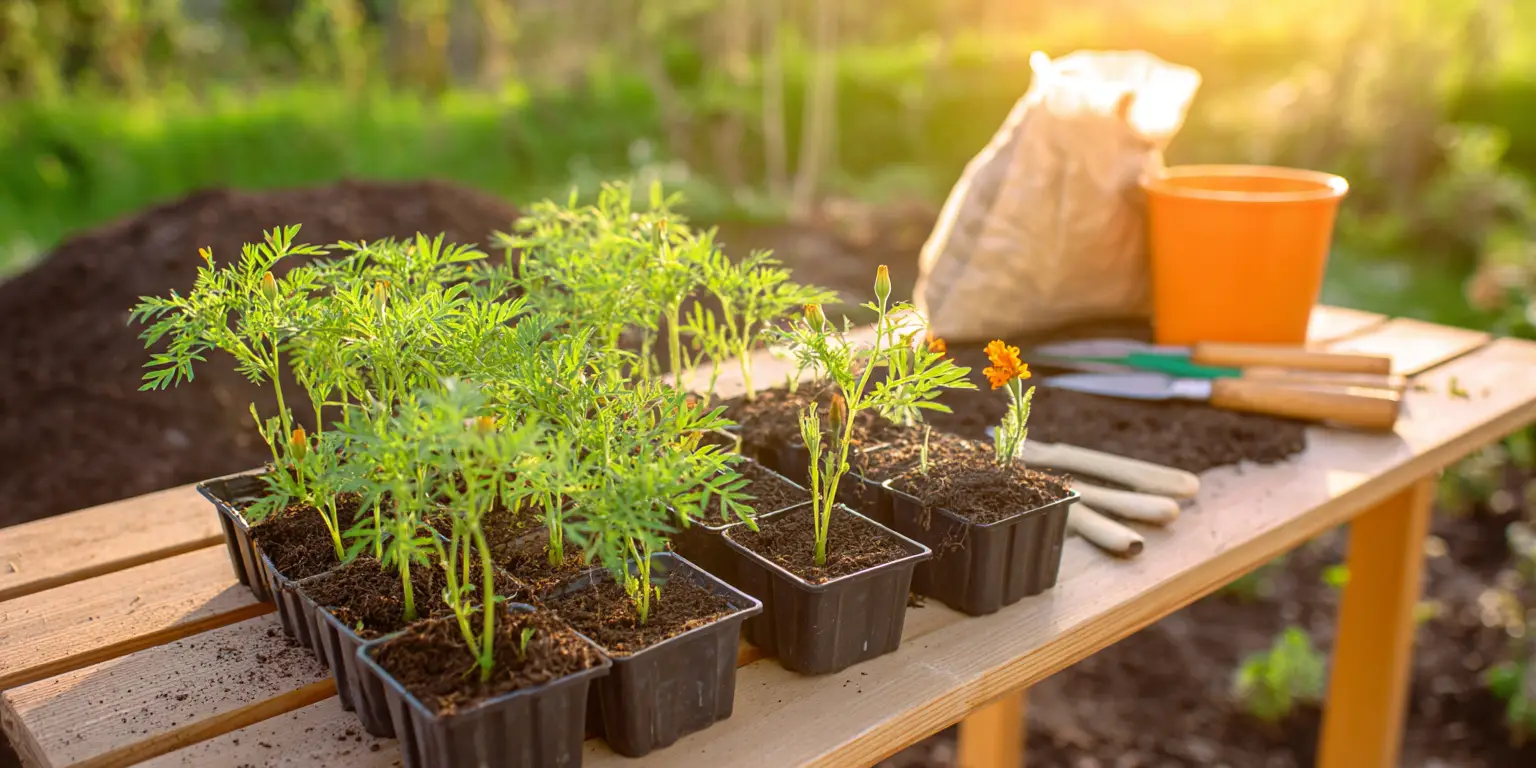
Container grown transplants: Set at the same depth as in the nursery cell or pot. Firm soil gently around the root ball to remove air pockets, then water thoroughly. Do not bury stems. For leggy starts, pinch the tip above a leaf node at planting to spur branching. Shade new transplants for two or three days with a lightweight row cover or a simple box propped to the west. This short acclimation reduces shock and cut flower lag.
Spacing for airflow and vigor: French marigolds space 8 to 12 inches apart. Signet marigolds space 8 to 10 inches. African marigolds space 18 to 24 inches, with rows 24 to 30 inches apart in cutting beds. Wider spacing in humid climates lowers disease pressure and produces stronger stems. In compacted soils, loosen to the planting depth so roots can explore beyond the initial hole rather than circling in a tight pocket.
Transplant shock minimization: Harden off indoor grown starts over 7 to 10 days. Begin with two hours of outdoor shade and step up exposure daily until they see full sun. Water the day before planting and again right after planting. Avoid fertilizing the day of transplanting. Feed lightly a week later if leaves turn pale and growth is slow.
Watering & Mulching
Establishment vs mature schedules: Keep soil evenly moist during the first two weeks after planting. Aim for 1 inch of water per week from rain and irrigation combined, delivered in one deep soaking rather than frequent sips. Once established, marigolds tolerate brief dry spells but flower best with steady moisture. In heat waves, water in the morning so foliage dries by evening.
Mulch types and thickness: Apply 1 to 2 inches of shredded bark, leaf mold, or clean straw around plants. Pull mulch 1 inch back from stems to keep crowns dry. In cool spring soils, wait until the ground warms before mulching or use a thin layer that you thicken as summer arrives. In very hot sites, a light colored mulch can reflect heat and keep roots more comfortable.
Preventing crown or root rot: The most common mistake is mulch piled against stems or irrigation that wets leaves every evening. Water at the base, not on the blooms. In heavy soils, use raised rows and avoid overwatering after cool cloudy days. If a plant wilts while the soil is still wet, check for root rot and improve drainage before replanting.
Heat spikes, drought, and water quality: During prolonged drought, switch to deep watering twice weekly for African marigolds. Containers may need water every day during peak heat, especially in 10 to 12 inch pots. Hard water spots on leaves are only cosmetic. If your irrigation water is very alkaline, occasional flushing of containers with rainwater helps keep salts from building up.
Feeding
How much and when: Marigolds need modest fertility. Incorporate compost before planting to supply slow nutrients. For in ground beds, one light application of a balanced slow release fertilizer at planting is usually enough for the season. In containers, use a quality potting mix that includes slow release nutrition. If growth fades midseason, supplement with a half strength liquid feed every 3 to 4 weeks until nights cool.
N–P–K ranges that fit marigolds: Balanced formulations such as 5–10–5 or 10–10–10 work well when used sparingly. High nitrogen fuels leaves at the expense of flowers. If you see dark green foliage and few buds, pause feeding and let plants redirect energy to bloom. Phosphorus is important for sustained flowering, but do not overshoot label rates.
Soil biology pointers: Aim for steady organic matter rather than quick fixes. Incorporating 1 to 2 inches of compost each year keeps microbial life active and buffers pH swings. Retest soil every 2 or 3 years. If your soil already tests high in phosphorus, choose a lower phosphorus fertilizer and rely on compost plus mulched clippings to maintain vigor.
Pruning & Support
Deadheading specifics: Remove spent blooms at the base of the flower stem. This prevents seed set and signals the plant to produce new buds. If time is short, shear plants by one third with clean shears in mid to late summer. Water and feed lightly afterward. A brief lull gives way to a strong new flush that often carries the display to first frost.
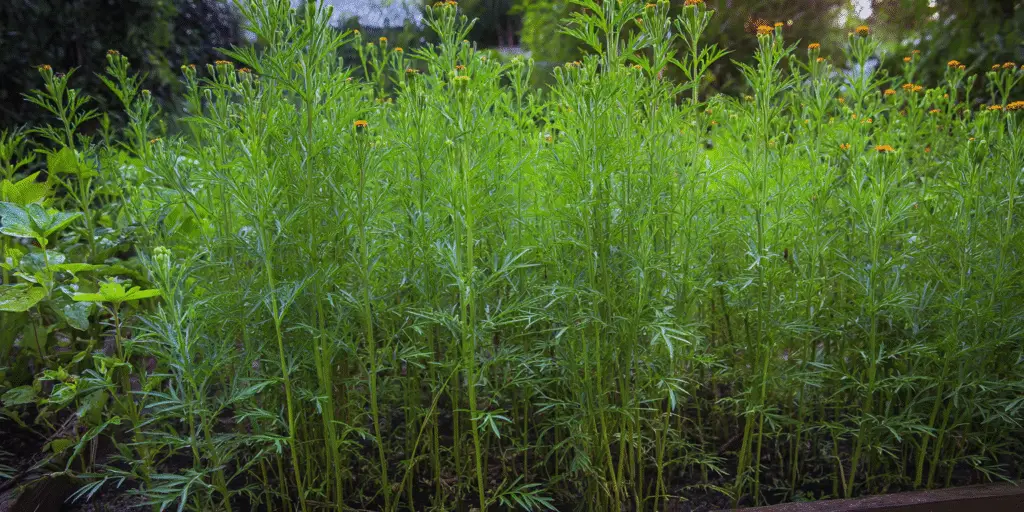
Pinching and shaping: Pinching young plants at 4 to 6 inches encourages branching and more flower clusters. Compact French marigolds usually branch well on their own. Tall African marigolds benefit from an early pinch to keep stems sturdy and less likely to lean.
Structural support: In windy or exposed beds, stake taller African marigolds with a single bamboo stake and a soft tie. Space stakes so the bed still breathes and dries quickly. Avoid tying tightly. Allow a little movement so stems strengthen naturally.
Tool hygiene: Clean pruners between beds to limit disease spread. A quick wipe with 70 percent alcohol or a dip in a 10 percent bleach solution followed by a rinse is effective. Dry tools after sanitation to prevent corrosion.
Overwintering
In cold regions: Marigolds are annuals. Frost ends the show. Pull plants after a hard freeze and compost healthy debris. If you plan to replant in the same spot, consider an off season cover crop or a winter mulch to protect soil tilth. You can collect seed from open pollinated types, but hybrids seldom come true. Dry seed heads completely indoors before storage in a cool dry place.
In mild regions and frost free zones: Treat marigolds as cool season annuals. Plant in late fall for winter through spring bloom, then replace when heat and humidity increase disease pressure. A light frost cloth on nights that dip near freezing can extend display by a few weeks. If you grow the shrubby species Tagetes lemmonii for fall color, prune lightly after bloom and protect the root zone from freeze and thaw cycles.
Container plants indoors: You can carry a pot of compact French marigolds through winter indoors in bright sun. Give at least 6 hours of direct light. Reduce watering frequency when day length shortens. Expect bloom count to be modest inside. Begin feeding lightly once new growth resumes in late winter.
Growing Environments
Container feasibility and minimum soil volume: Marigolds excel in pots, window boxes, and balcony planters. Use a well drained soilless mix. Ensure containers have drainage holes. Provide at least 1 gallon of soil per French marigold plant, 2 gallons for signet types that spread, and 3 to 5 gallons for tall African marigolds. Crowding reduces bloom and raises disease risk. In hot climates, larger volumes buffer heat and moisture swings.
Potting mix and irrigation: Choose a peat or bark based mix with perlite for drainage. Pre moisten mix before planting. Water thoroughly until you see a steady stream from the holes, then let the top inch dry before the next irrigation. On patios with reflected heat, set pots on feet to improve airflow and to keep surfaces cooler.
Microclimate tips: Near white walls or south facing masonry, midday heat can push plants past their comfort zone. French marigolds maintain color better in those sites. On breezy balconies, use heavier clay pots or cluster containers to reduce tipping. In partial shade, select lighter flower colors to keep borders bright.
Companion Planting & Design
Companions that extend color: Pair marigolds with summer annuals that echo or contrast their warm palette. Zinnias, celosia, gomphrena, and salvias match heat tolerance and fill gaps between taller perennials. The daisy like shape of marigolds also sits well beside sunflower backdrops. For softer combinations, cool lavenders and blues create balance. Try a narrow band of lavender or airy verbena in front of tall African marigolds to ease the transition from border edge to taller accents.
Hiding die back and refreshing beds: In long borders, place compact French marigolds as edging along walks where you can shear quickly when they slow. When older blooms fade, tuck in seedlings between established plants to maintain a continuous quilt of color. Early fall plantings bring a fresh blanket of gold beneath shrubs like roses where canes can look bare near the soil line.
Pollinator friendly options: Single flowered and signet types offer easier nectar access for bees and small beneficial wasps than densely double forms. Plant in broad drifts so pollinators waste less energy moving between blooms. Avoid pesticide use around open flowers. Clean cultivation and good spacing are often enough to keep plants healthy.
Spacing for airflow: In humid regions or where sprinklers wet foliage, give an extra 2 to 4 inches of room between plants beyond the minimums above. Good airflow limits leaf spot and botrytis. Water early so leaves dry quickly. Mulch lightly to reduce spatter from heavy rains.
Notes on vegetable companions: Marigolds are often used in vegetable plots for color and border definition. Their roots can help manage certain plant parasitic nematodes when used as a dense interim cover crop for several weeks, then turned under before the main crop is planted. For day to day pest control in mixed beds, the evidence is mixed. Rely on healthy soil, sanitation, and timely scouting first, and enjoy marigolds for color, diversity, and helpful insects.
References
- University of Minnesota Extension. “Marigolds.”
- North Carolina State Extension Gardener Plant Toolbox. “Tagetes erecta.”
- North Carolina State Extension Gardener Plant Toolbox. “Tagetes.”
- Penn State Extension. “Marigolds: From Folklore to the Home Garden.”
- University of Florida IFAS, EDIS. “Marigolds for Nematode Management.”
- Wisconsin Horticulture Extension. “Marigolds.”
- Missouri Botanical Garden Plant Finder. “Tagetes erecta.”
- ASPCA Animal Poison Control Center. “Garden Marigold (Calendula officinalis).”