Gardeners usually buy a mock orange shrub for exactly one reason, and that is the intense citrus fragrance of its spring flowers. When a plant produces nothing but a massive mound of green leaves year after year, the frustration is completely understandable. People often ask me why their mock orange is not blooming, assuming the plant has a disease or needs some special chemical treatment. The reality is that this is a highly resilient shrub that actually thrives on a bit of neglect, so a lack of flowers almost always comes down to a specific environmental issue or a well-intentioned maintenance mistake. Once you identify what is stopping the bloom cycle, you can usually correct the problem and see flowers by the following spring. We need to look closely at how you are treating the plant, where it is growing, and what kind of competition it faces in the garden bed. Troubleshooting mock orange problems requires a process of elimination rather than a trip to the garden center for expensive fertilizers.
Contents 5 sections
Pruning at the wrong time of the year
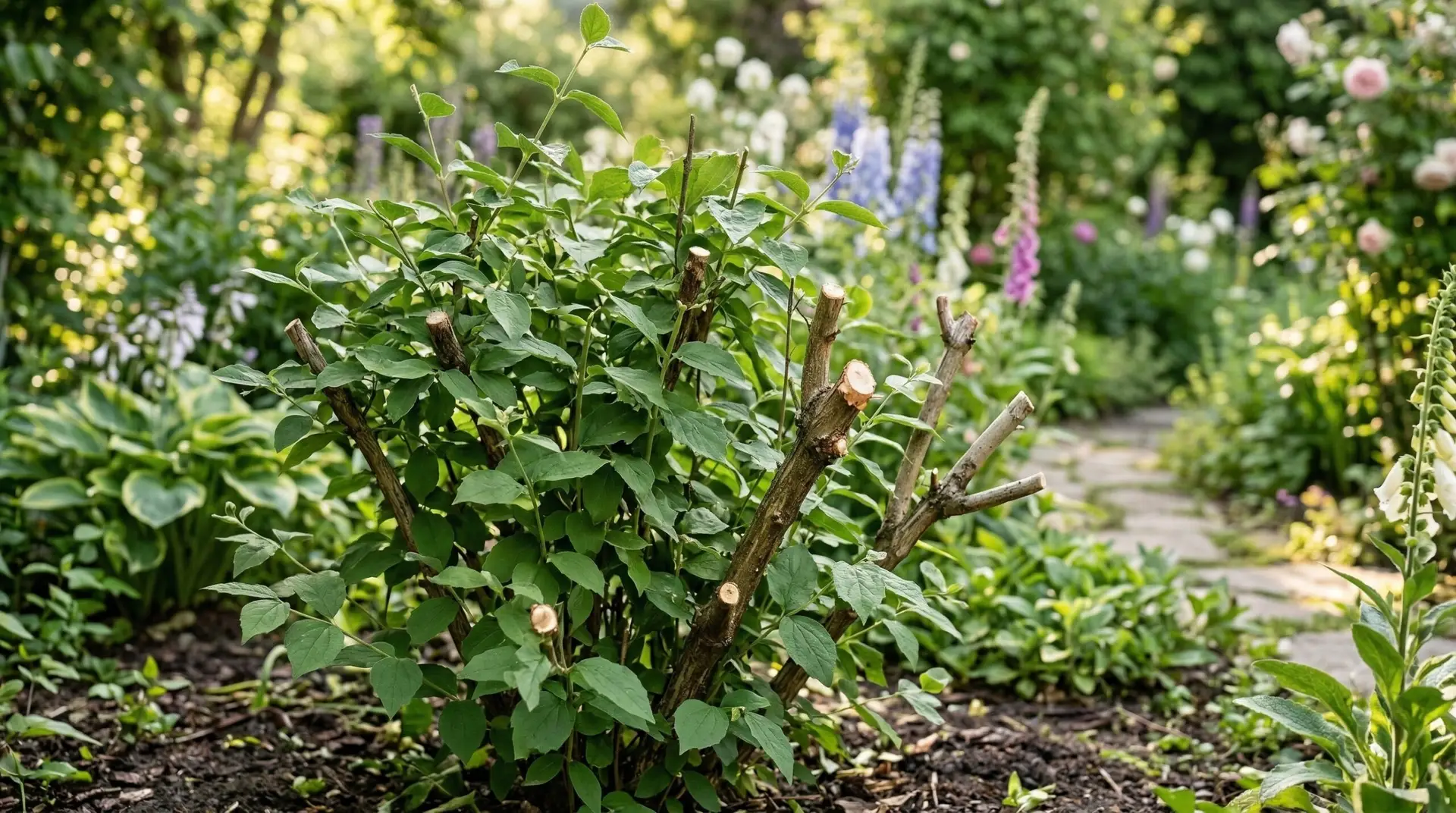
The single most common reason a mock orange refuses to bloom is improper pruning timing. Like many spring-flowering shrubs, including lilac bushes, mock orange produces its flower buds during the summer for the following year. When gardeners head out in late winter or early spring with their shears to tidy up the yard, they end up cutting off every single bud the plant worked hard to create the previous season. The shrub responds by pushing out lots of healthy green growth, but it will have absolutely no flowers. If you want a mock orange to bloom, you must only prune it in the narrow window immediately after the flowers fade in early summer. Once July arrives, you should put the pruners away completely and let the plant grow untouched until the next blooming cycle finishes. If you suspect you have been pruning too late in the season, simply leave the shrub alone for an entire year to let the old wood develop its buds properly.
Sunlight levels and dense shade problems
Another frequent issue I see in residential yards is planting a mock orange in deep shade. These shrubs are incredibly tough and will survive perfectly well under the canopy of larger trees or tucked against the north side of a house. Survival does not equal flowering, and a mock orange requires a significant amount of direct sunlight to generate the energy needed for a heavy bloom. You need to provide the plant with at least six hours of direct sun each day, preferably in the morning or early afternoon. When a mock orange gets less than four hours of sun, it abandons flower production entirely to focus on growing larger leaves to capture whatever light is available. You can solve this by either transplanting the shrub to a sunnier location while it is dormant in late fall, or by thinning out the canopy of the trees shading it. Moving an established shrub takes serious effort, but it is often the only permanent solution if the current location is simply too dark.
Nitrogen overload and heavy root competition
Lawn fertilizer is a hidden enemy of many flowering shrubs, and mock orange is particularly sensitive to excess nitrogen in the soil. When you spread high-nitrogen fertilizer on the grass surrounding your shrub beds, the shallow roots of the mock orange absorb those nutrients right along with the turf. High nitrogen levels tell the plant to produce massive amounts of foliage at the direct expense of developing flower buds. You will end up with a huge, vigorous, bright green bush that never produces a single white blossom. To prevent this, keep lawn fertilizers well away from the drip line of your flowering shrubs and rely on a simple layer of organic compost applied in the spring. You also need to watch out for root competition from large, mature trees nearby. Big trees will aggressively steal moisture and soil nutrients, leaving the mock orange too stressed to waste energy on making flowers. Giving your shrub a dedicated, clear zone of soil and watering it deeply during dry spells will help it compete against those larger tree roots.
Plant maturity and winter temperature damage
Gardeners often expect immediate results from new nursery plants, but a young mock orange requires patience before it will put on a proper show. When you first plant a philadelphus, no flowers should be expected while it spends the first two or three years establishing a robust root system to secure its survival in a new environment. During this establishment phase, flower production is a low priority for the plant, and you might only see a handful of blooms or none at all. You just need to keep the shrub adequately watered and wait for it to mature, which happens naturally around its third or fourth year in the ground. Severe winter weather can also temporarily ruin your chances of seeing flowers on an otherwise mature and healthy plant. An unusually late spring freeze can kill off the dormant flower buds just as they are beginning to swell. If you experience a brutal cold snap after a period of warm spring weather, much like what often damages early blooming forsythia buds, you will likely have to wait until the following year for flowers to return.
The best approach for struggling shrubs
When I consult with someone whose mock orange is stuck in a cycle of growing leaves without flowers, my primary advice is always to stop interfering. People tend to panic when a plant underperforms, leading them to water excessively, dump chemical bloom boosters on the soil, or chop the branches back aggressively. This kind of reactive gardening usually makes the situation worse by adding unnecessary stress to the plant. The most effective troubleshooting method is to step back, verify the shrub gets enough sun, ensure it has decent drainage, and then leave it completely alone for twelve to eighteen months. Do not prune it, do not fertilize it, and only water it during severe droughts. By removing human error from the equation, you give the mock orange a chance to reset its natural growth cycle and form the old-wood buds it needs to finally produce those highly scented flowers.
More About Mock Orange
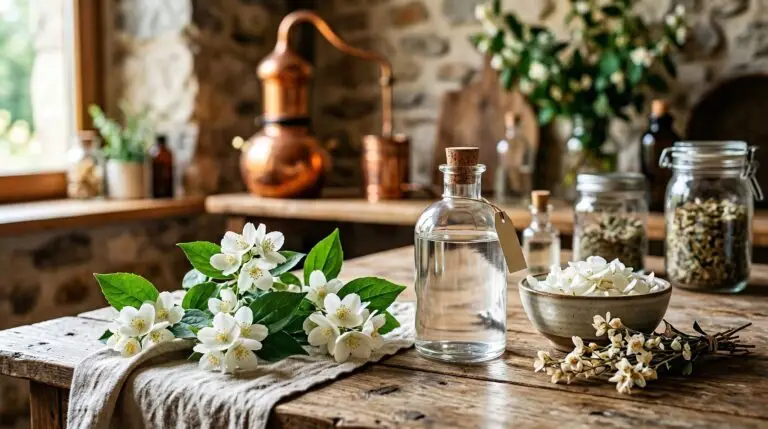
Mock orange flowers for homemade perfume and potpourri with an orange blossom scent

Companion plants for mock orange: what to grow and avoid

Mock orange as a fragrant hedge that fills the neighborhood with perfume in June
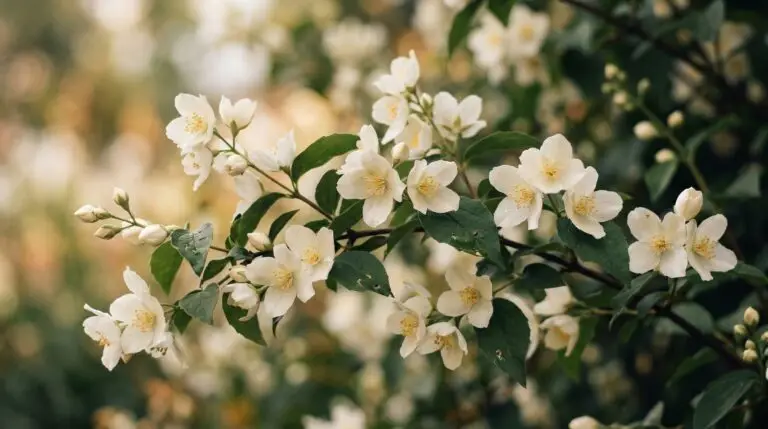
Mock orange flower meaning and why this shrub has fooled people into thinking it is an orange tree
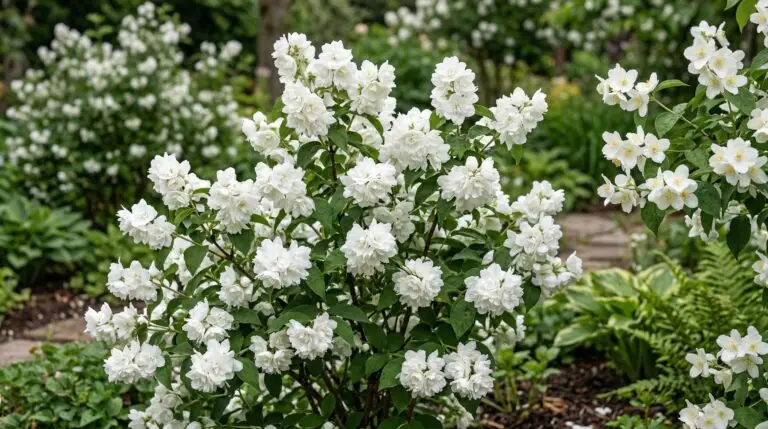
Dwarf mock orange varieties for small gardens that still deliver incredible fragrance
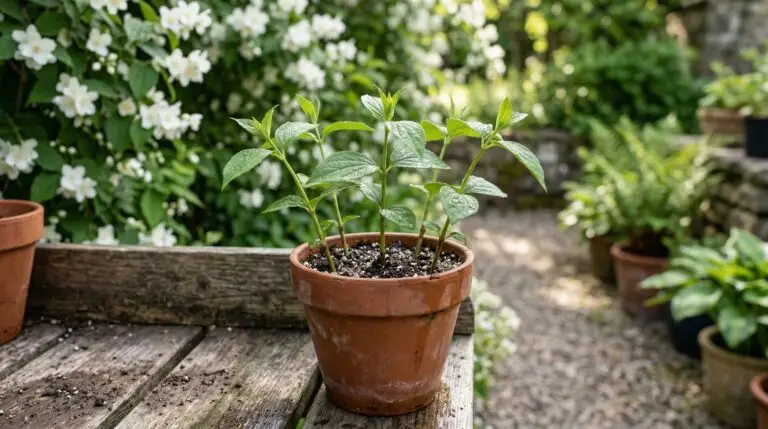
How to propagate mock orange from cuttings for free new shrubs from your favorite plant
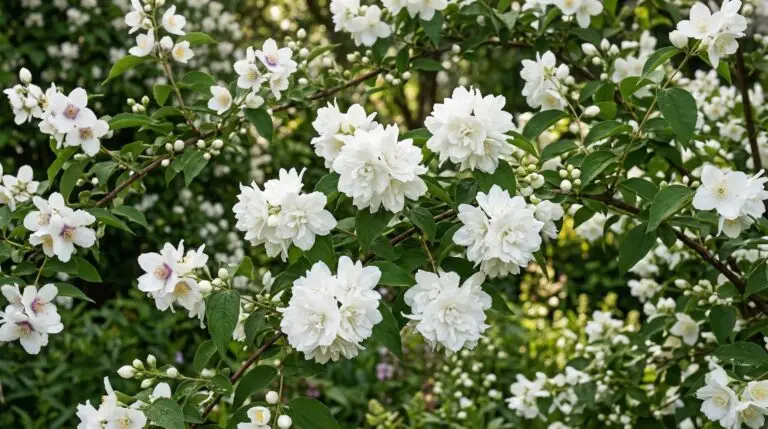
Best mock orange varieties from compact Snowbelle to the intensely fragrant Virginal
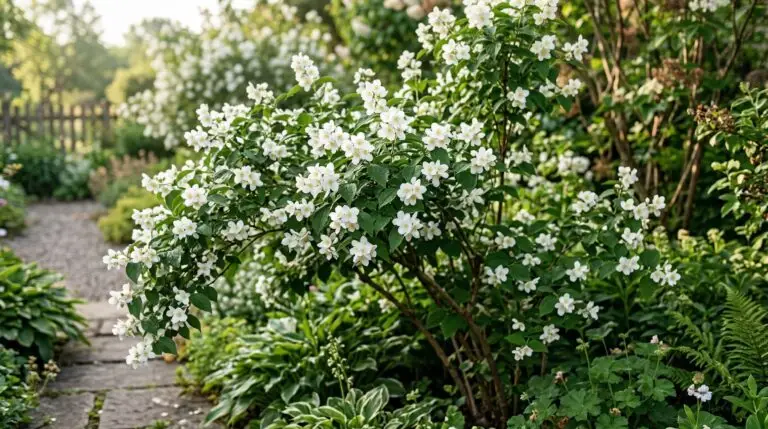
How to grow mock orange for intoxicating citrus-scented white blooms in early summer

Pruning mock orange right after flowering to keep it shapely and blooming every year
Enjoying our flower guides? Add YourFlowersGuide as a preferred source on Google. It helps more readers find us.
Add to Preferred Sources