The pairing · pick a flower
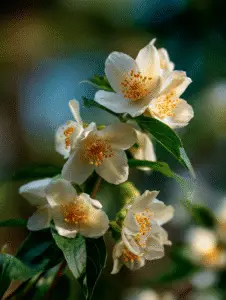 Mock orange+
 LilacPartial
Lilac opens just ahead of mock orange and hands the fragrance baton to it, and both want the same full sun and well-drained ground, so the two read as one long flowering event rather than two separate shrubs.
Mock orange+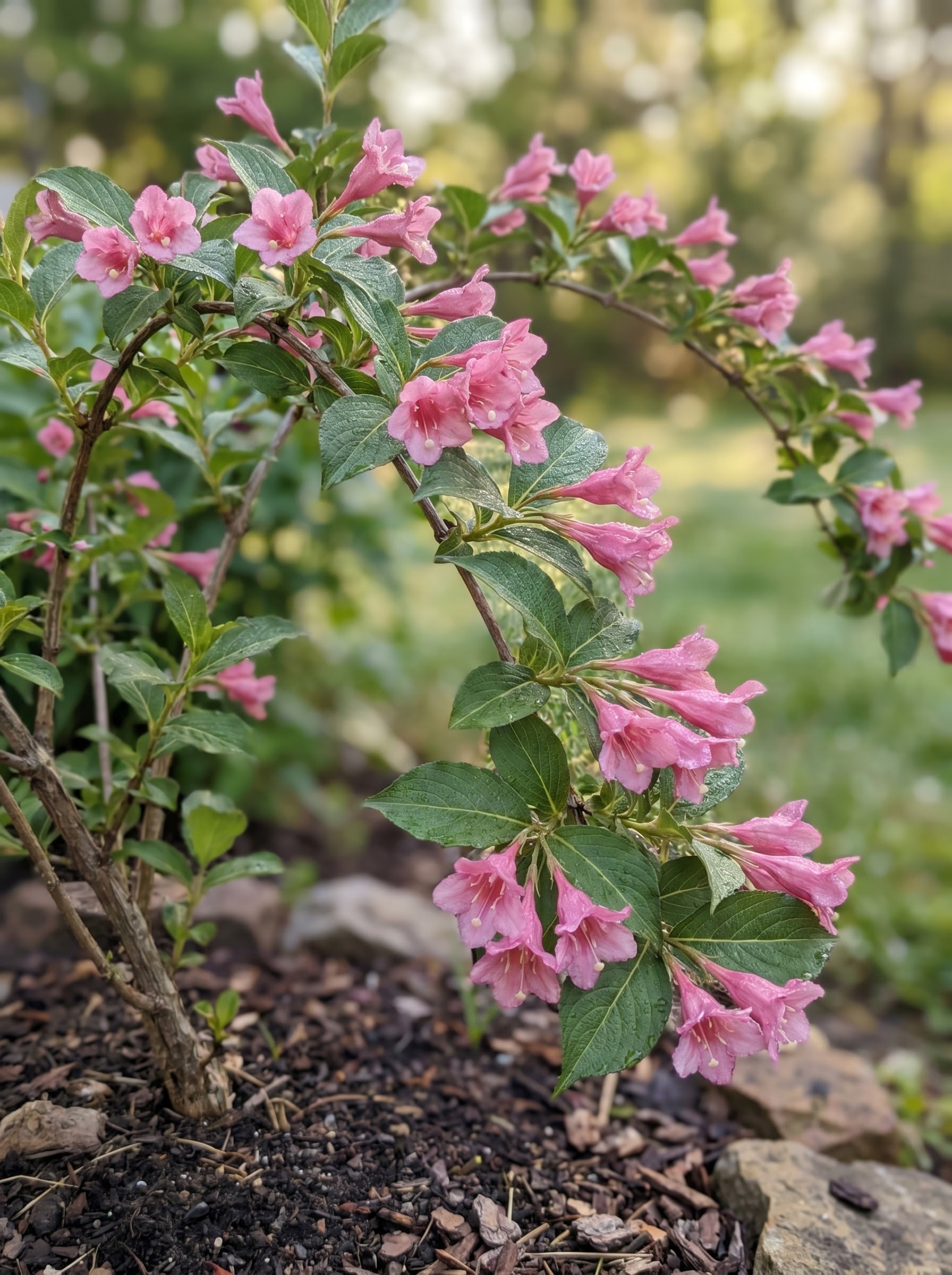 WeigelaPartial
Weigela blooms in the same late-spring window in pink or red tubular flowers, a shape and color mock orange's white crosses never offer, and it tolerates the same full sun, partial shade, and range of soils.
Mock orange+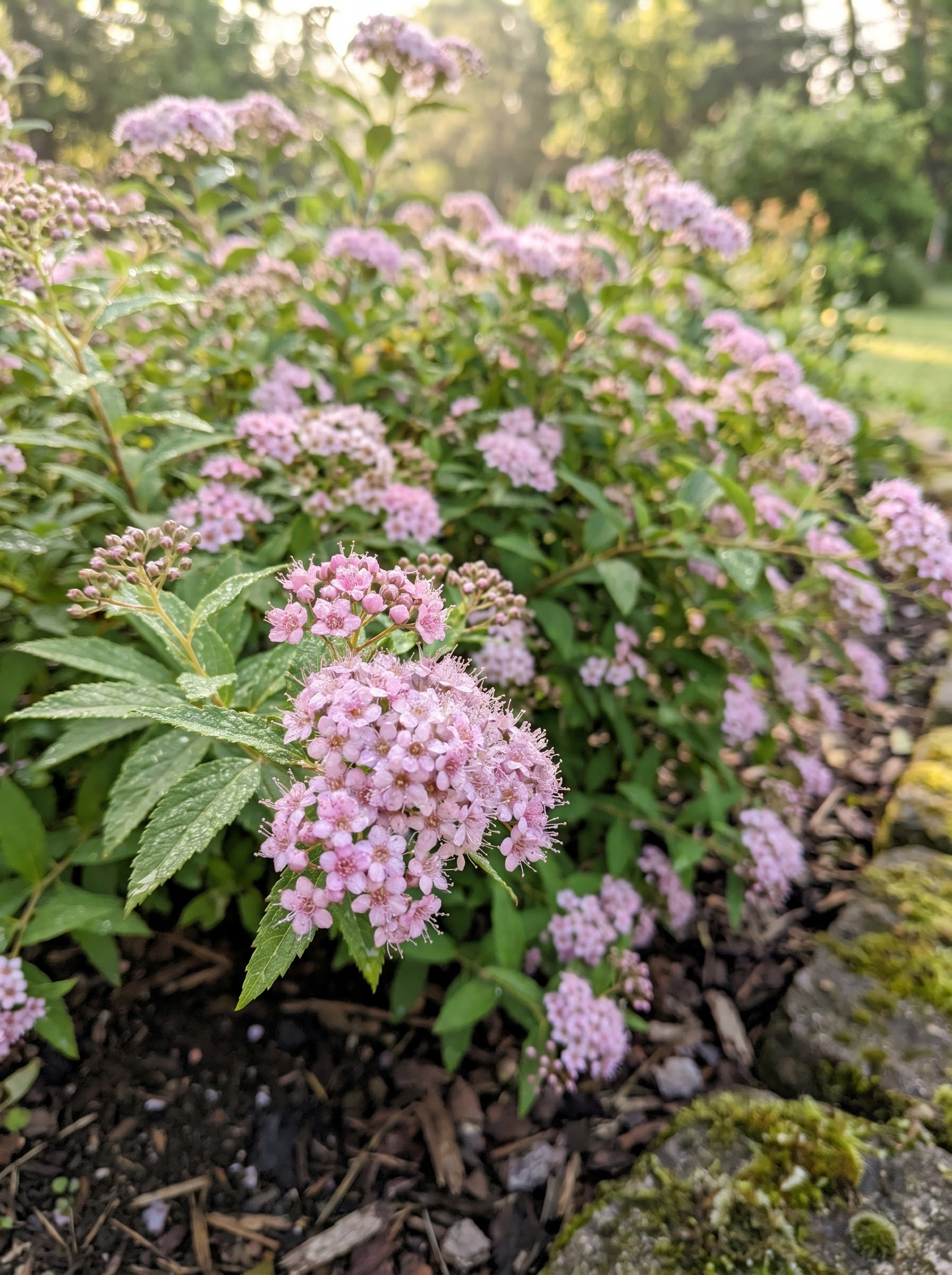 SpireaPartial
Spirea works at a lower height tier, so it fronts mock orange without competing for the same visual space, and its own early to midsummer bloom keeps color going once the taller shrub finishes.
Mock orange+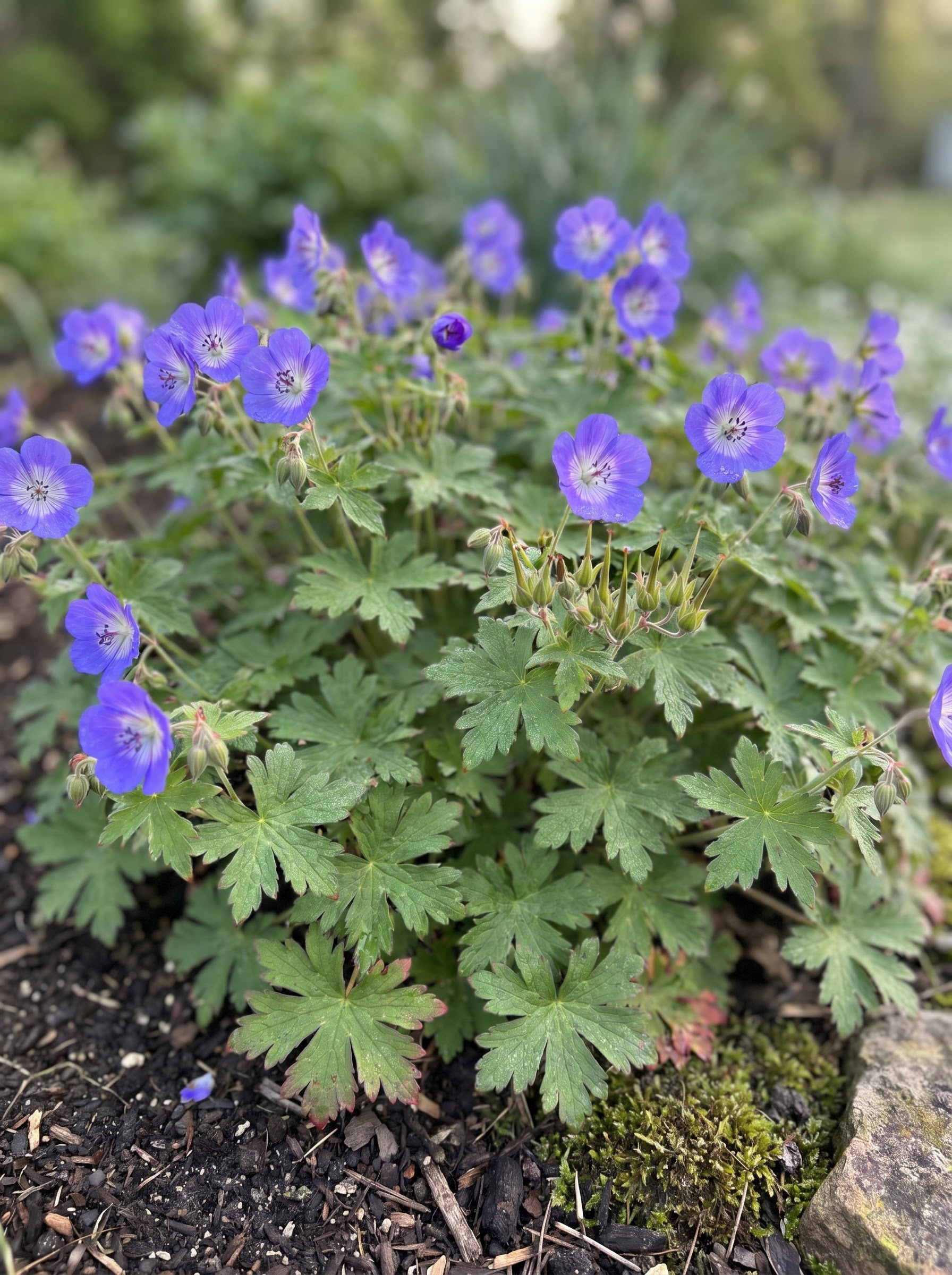 Hardy geraniumPartial
A sprawling, self-knitting mound that covers bare lower stems and keeps blooming from late spring into fall, exactly the underplanting job mock orange's leggy habit calls for, and it tolerates the same full sun to part shade.
Mock orange+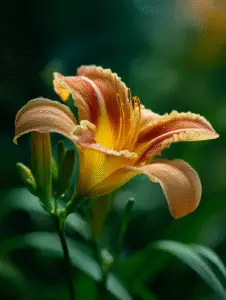 DaylilyPartial
The dense clumping habit and arching, grass-like foliage circle the shrub's base and hide bare lower stems year-round, and its own summer bloom takes over color duty once mock orange has gone green for the season.
Mock orange+ Bearded irisPartial
Bearded iris flowers right alongside or just after mock orange and shares the same full-sun, well-drained preference, though its rhizomes want the soil surface dry, so keep it off the shrub's drip line where fallen leaves and irrigation pool.
Mock orange+ SnowdropsProven
Snowdrops finish their bloom and start dying back before mock orange leafs out and shades the ground, so they get the full sun they need in earliest spring and never compete with the shrub once it wakes up.
Mock orange+ DaffodilPartial
Like snowdrops, daffodils complete most of their growth and bloom while mock orange's branches are still bare, carpeting ground that would otherwise sit empty until the shrub's own flush arrives.
Mock orange+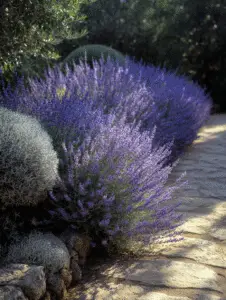 LavenderPartial
Once mock orange is established and no longer needs regular watering, both plants share the same full sun and lean, well-drained preference, and lavender's own bee traffic complements the mock orange's honeybee and bumblebee visitors.
Mock orange+ ConeflowerPartial
Coneflower is genuinely more shade-flexible than its prairie reputation suggests, tolerating the dappled light at a shrub's edge, and its long summer bloom carries color well past mock orange's short window.
Mock orange+ ClematisFolklore
Trained through or beside the shrub, a later-blooming clematis gives the framework a second flowering event once mock orange has settled into its plain-green phase, using the branches as a living trellis instead of a stake.
Mock orange+ Shrub roseFolklore
A repeat-blooming shrub rose takes over as the border's focal color once mock orange's own flush is spent, and both want the same full sun and well-drained, fertile ground, so neither is compromising to share the bed.
All mock orange companions
12 flower companions, best match first
What not to plant near mock orange
Most bad neighbours are not evil, they just want the opposite light, water or root run. Here is what to keep away, and what to do instead.
Waterlogged, boggy, or pond-edge siting
RHS states plainly that Philadelphus dislikes very heavy, permanently wet soils, so this is really a siting mistake rather than a plant-to-plant conflict: put mock orange somewhere that drains, and save the bog and pond-edge plants for an actual damp bed.
Deep shade
RHS notes that avoiding deep shade keeps plants more vigorous and floriferous, so a heavily shaded spot means fewer, weaker blooms and more of the bare, leggy growth mock orange is already prone to, not a healthier shrub.
Aggressive suckering shrubs and running vines (sumac, trumpet vine, running bamboo)
Root-suckering shrubs like sumac spread underground two to four feet a year in a shared bed and are described by extension sources as too aggressive for a mixed shrub border, competing physically for root space rather than through any chemical effect on mock orange specifically.
Overcrowded shrub-to-shrub spacing
This is a design and legibility problem more than a health one: pack mature shrub canopies too close together and the border reads as one tangled, unreadable mass instead of a sequence of distinct blooms, even though none of the plants are actually harming each other. Weigela's own spread alone runs 6 to 10 ft wide at maturity, so the room this calls for is not a small margin.
The best companions for mock orange, explained
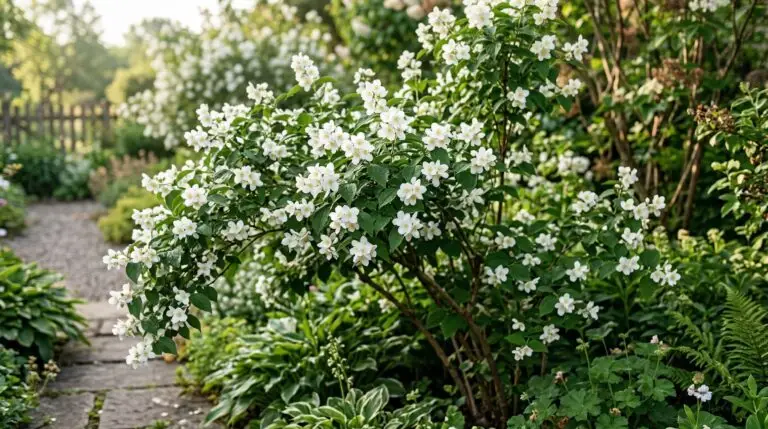
Mock orange spends about two weeks a year being the most fragrant thing in the garden and the other eleven months being, in its own admirers’ words, a large green shrub. That trade is worth making, but it means the real companion-planting question here is not "what won’t kill it" so much as "what fills the calendar around it." The strongest pairings fall into three jobs. Lilac and weigela sit at the same height and want the same full sun and well-drained soil, so they read as one long flowering event: lilac opens first, hands off to mock orange, and weigela’s pink or red trumpets keep the same bed in bloom a little longer with a color and shape the white crosses never offer. Snowdrops and daffodils solve the opposite end of the calendar, finishing their bloom and dying back before the shrub even leafs out, so they get full sun in earliest spring and never compete once summer shade arrives. And at the shrub’s own feet, hardy geranium and daylily do the underplanting work that this particular plant needs more than most: Philadelphus has a documented habit of going bare and woody low down if left unthinned, so a low, spreading skirt is not decoration, it is a fix.
Spirea, coneflower, and shrub roses handle the third job, which is what takes over once the flush is done. Spirea works at a shorter height tier so it can front the taller mock orange without stealing its light, and its own early-summer bloom starts right as the shrub’s fades. Coneflower is more shade-tolerant than its prairie reputation suggests, which matters at the part-shade edge many shrub borders sit in, and its long summer run of mauve-pink daisies carries color for months after mock orange has gone quiet. A repeat-blooming shrub rose, trained clematis worked through the branches, or a peony nearby all get repeated across independent grower sources as "what comes after," and the shared-conditions logic holds even where a formal citation for the exact pairing does not exist yet, which is flagged honestly below rather than dressed up as settled fact.
What not to plant near mock orange
Mock orange does not have a real enemies list. It tolerates sandy, loamy, and clay soil, a wide pH band from mildly acid through neutral to mildly alkaline, and it becomes genuinely drought-tolerant once it settles in, which is an unusually forgiving profile compared with most shrubs that get a companion-planting page. RHS’s actual growing guidance names exactly two things to avoid, and both concern where you put the shrub rather than what you plant beside it: very heavy, permanently wet soil, and deep shade. Waterlogged ground is a straightforward siting mistake rather than a companion conflict, so save true bog and pond-margin plants for an actual wet bed and give mock orange ordinary drainage instead. Deep shade does not kill it, but it means fewer blooms and more of the leggy, bare-stemmed growth the shrub is already prone to, so keep underplanting choices to part-shade tolerant perennials rather than deep-shade specialists.
The one plant-to-plant caution worth naming is aggressive, root-suckering shrubs and vines, sumac and trumpet vine being the usual examples, which spread underground two to four feet a season in a shared bed and are called out by extension sources as too vigorous for a mixed border. That is a physical space fight rather than a chemical one, and it is generic to any shrub border rather than specific to mock orange, so treat it as a caution rather than a hard rule. One claim worth debunking outright: mock orange sometimes shows up on consumer lists as juglone-sensitive, meaning harmed by black walnut roots, but Penn State Extension’s own juglone-tolerance guidance lists mockorange directly among the shrubs that tolerate walnut proximity fine, which is the opposite of the warning. You will also see "heavy feeders like corn and tomato" listed as a risk in a couple of places online; that is vegetable-garden logic imported wholesale into an ornamental shrub border, where it has essentially no relevance, and it should be read as noise rather than a real avoid.
Do they like the same conditions?
Mock orange’s actual growing profile, straight from RHS: full sun to light or partial shade, with the best bloom and vigor in full sun; moist, well-drained soil while it establishes, then drought tolerance once it is settled; and a soil pH and texture range wide enough that almost nothing common in a home border is genuinely mismatched on those grounds. That last point matters because most companion-planting pages have to warn people away from a pH or drainage conflict, and this one mostly does not. The honest myth to bust here runs the other direction from usual: people sometimes treat mock orange as delicate because of its brief bloom window, when the plant itself is closer to bulletproof. USDA zone 4 through 8 or 9 covers most of the continental United States, and NC State Extension’s plant data backs the same wide range for soil type, moisture, and light that RHS describes.
Where the shared-conditions test actually earns its keep is in spacing and drainage nuance rather than pH. Bearded iris shares mock orange’s full-sun preference but wants its rhizomes to dry out on the surface, so it belongs at the canopy’s outer edge rather than directly under a drip line where fallen leaves and irrigation collect. Lavender is the same story: both plants tolerate lean, dry ground once established, but lavender wants that dryness at the sunniest, driest edge of the bed, not tucked under a canopy that traps moisture from either plant’s leaf litter. Neither of these is a real conflict, just a spacing decision that respects what each plant actually wants rather than assuming "shares the same conditions" means "shares the same six inches of soil."
How to plant them together
Space by role rather than by habit. Same-height, same-season shrubs like lilac and weigela want six to eight feet between mature canopies, which sounds generous until you remember mock orange itself can reach ten feet across; crowd that distance and a mixed border stops reading as a sequence of blooms and becomes, in the language of one grower’s own design notes, a tangled, unreadable mass. Shorter successors like spirea front that same canopy line at three to four feet out, low enough to stay in its own light rather than the taller shrub’s shadow. Underplanting perennials, hardy geranium and daylily especially, go closer in, twelve to twenty-four inches from the base, since their job is physically covering the bare lower stems rather than competing for the same canopy space above them.
Timing does real work here too. Snowdrops and daffodils go in as bulbs in autumn, scattered under the canopy’s outer reach where they will get full sun in earliest spring before mock orange leafs out and shades the ground; by the time the shrub is in leaf, the bulbs have already finished their job and are dying back on their own schedule. A trained clematis, worked in on the shaded side of the shrub and led up through the branches, turns the mock orange’s own woody framework into a support for a second, later bloom instead of asking for a separate trellis. None of this pairing setup suits a container the way a smaller perennial might; mock orange itself is a border and hedgerow plant at heart, so treat the companion planning as border architecture rather than pot design.
Does companion planting actually work for mock orange?
Some of it, yes, plainly. The bloom-succession logic for lilac, weigela, and spirea is not folklore: RHS and NC State Extension data confirm the shared sun, soil, and drainage needs, and the staggered bloom windows are simple botanical fact rather than a marketing claim. The underplanting fix for bare legs is similarly solid: RHS itself documents the shrub’s tendency toward leggy lower growth, and a low, spreading perennial physically covering that growth is a design solution with an obvious mechanism, backed by more than assumption. The snowdrop and daffodil pairing earns real credit too. Wisconsin Horticulture Extension’s guidance on planting spring bulbs under deciduous shrubs and trees, timed to bloom and finish before the canopy leafs out, describes exactly the mechanism at work here.
Where the evidence runs thinner is the specific "extends color after mock orange" pairings you will see in listicles: peony, Japanese maple, ninebark, and shrub rose all show up repeatedly in grower content, and the shared-conditions logic is sound, but no extension or botanical-garden source ties any of these to mock orange by name. That does not make them bad choices, since the underlying reasoning holds up on its own merits, but it does mean the pairing itself is a design tradition rather than a documented one, and this page says so plainly instead of dressing repetition up as research. The genuinely settled verdict, then, is a partial one: trust the shared-conditions and bloom-timing logic completely, since that is basic and verifiable horticulture, and treat the specific named pairings that show up only in consumer listicles as reasonable ideas worth trying rather than proven combinations.
Frequently asked questions
What can I plant under mock orange to hide the bare stems?
Hardy geranium and daylily are the two best-documented fixes. Both tolerate the same full sun to part shade mock orange grows in, both spread wide enough to physically cover leggy lower growth, and both bloom on their own separate schedule so the underplanting adds color rather than just foliage.
What blooms right after mock orange finishes?
Spirea, coneflower, and daylily all pick up within days to weeks of the flush ending, and a repeat-blooming shrub rose or a clematis trained through the branches extends that handoff even further into summer.
Is mock orange drought tolerant, or does it need regular watering?
It needs consistent moisture only while it is getting established. Once settled in, RHS and NC State Extension both describe it as genuinely drought tolerant, one of the more forgiving traits on this page compared with most shrub-border companions.
What should I not plant near mock orange?
Very little, honestly. The two real avoids from RHS guidance are permanently wet, boggy ground and deep shade, both siting issues rather than plant conflicts. Aggressive root-suckering shrubs like sumac are worth keeping at a distance in any mixed border, mock orange included, for the same physical-competition reason they cause trouble everywhere else.
Does mock orange attract bees and other pollinators?
Yes. Its intensely fragrant white flowers, often compared to orange blossom, draw honeybees and bumblebees as primary visitors, with butterflies and hoverflies showing up as secondary daytime traffic during the bloom window.
Sources
- RHS Growing Guide: Philadelphus
- RHS Plant Details: Philadelphus coronarius
- NC State Extension Gardener Plant Toolbox: Philadelphus coronarius
- NC State Extension Gardener Plant Toolbox: Syringa vulgaris
- NC State Extension Gardener Plant Toolbox: Weigela florida
- NC State Extension Gardener Plant Toolbox: Hemerocallis
- NC State Extension Gardener Plant Toolbox: Echinacea purpurea
- NC State Extension Gardener Plant Toolbox: Rhus aromatica
- Penn State Extension: Landscaping and Gardening Around Walnuts and Other Juglone Producing Plants
- Wisconsin Horticulture Extension: Snowdrops, Galanthus spp.
More About Mock Orange
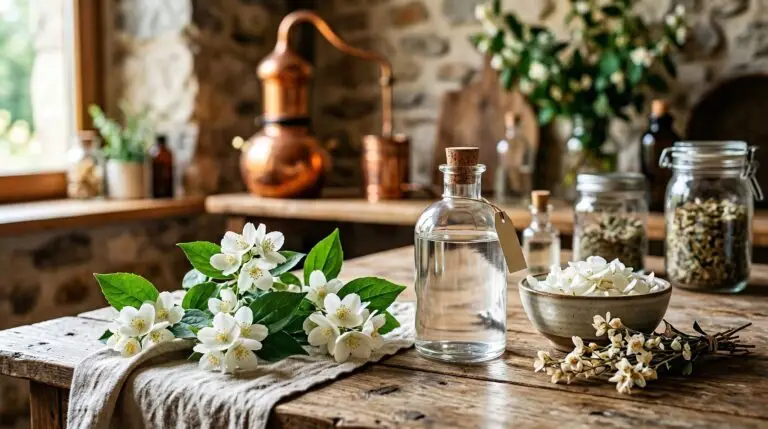
Mock orange flowers for homemade perfume and potpourri with an orange blossom scent

Mock orange as a fragrant hedge that fills the neighborhood with perfume in June
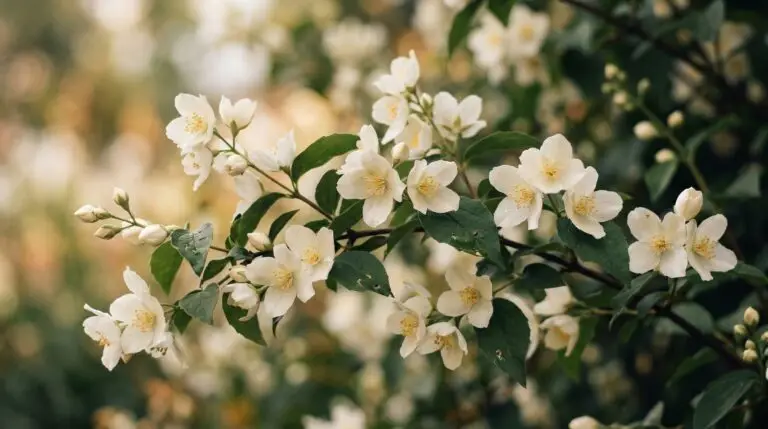
Mock orange flower meaning and why this shrub has fooled people into thinking it is an orange tree
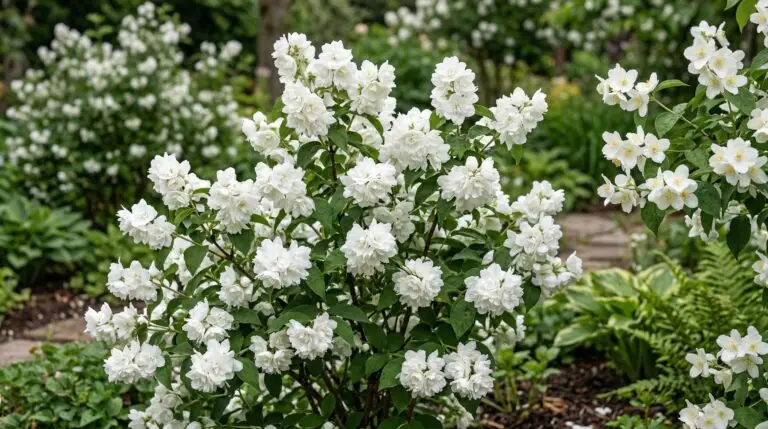
Dwarf mock orange varieties for small gardens that still deliver incredible fragrance
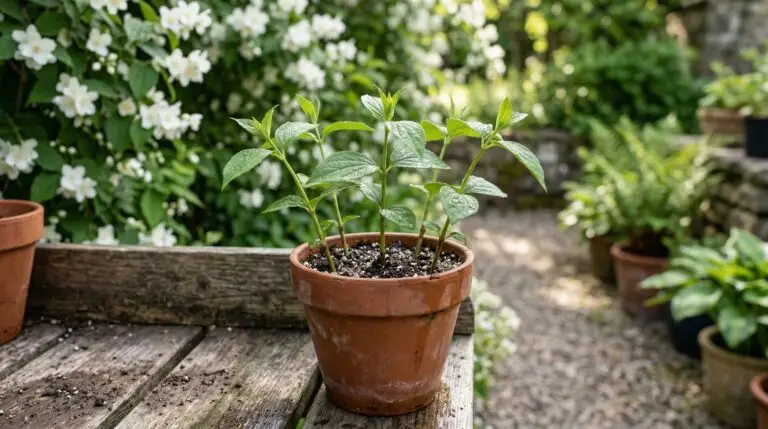
How to propagate mock orange from cuttings for free new shrubs from your favorite plant
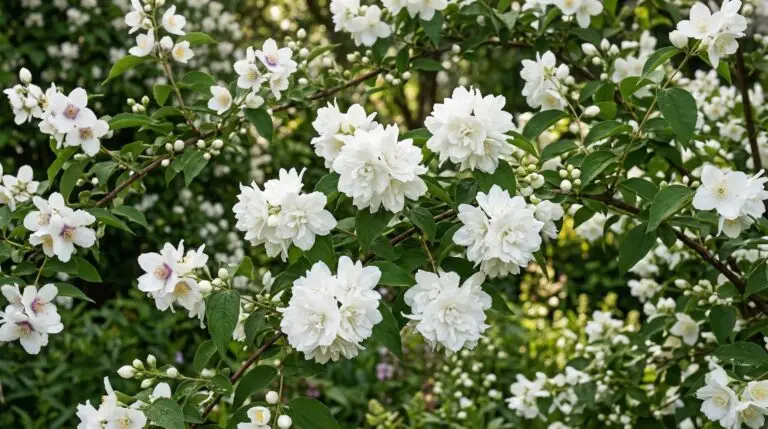
Best mock orange varieties from compact Snowbelle to the intensely fragrant Virginal
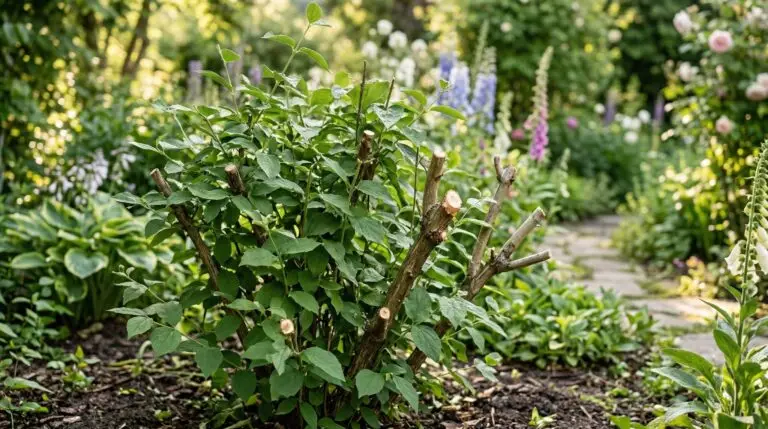
Why mock orange is not flowering and the common reasons this shrub refuses to bloom
How to grow mock orange for intoxicating citrus-scented white blooms in early summer

Pruning mock orange right after flowering to keep it shapely and blooming every year