When you look at a mature mock orange shrub filling the spring air with its citrus scent, it is hard to imagine that the entire plant could have started as a single twig. Taking a cutting from an existing plant and coaxing it to grow its own root system often feels like a magic trick reserved for professional nursery growers. In reality, growing mock orange from cutting is a straightforward biological process that relies on the plant’s natural survival mechanisms. By understanding how a plant directs its energy throughout the year, you can easily create exact replicas of your favorite shrubs to expand your garden or share with neighbors. Mock orange is particularly forgiving, making it an excellent practice subject for anyone learning how to multiply their garden plants without spending money at a garden center.
Contents 4 sections
Understanding how stems become roots
Before we cut anything, it helps to understand exactly what happens when a piece of wood touches the soil. Just beneath the bark of a mock orange branch lies a thin layer of actively dividing cells called the cambium. These cells are essentially blank slates, capable of becoming either new shoot tissue or new root tissue depending on the signals they receive from their environment. When you separate a stem from the parent plant and place that cut end into a moist, dark environment, you are changing the signals those cells receive. The plant recognizes that it has been wounded and sends rooting hormones down to the base of the cutting to repair the damage and seek out water. Our job as gardeners is simply to create the perfect waiting room for this transformation to happen. We must keep the cutting alive and hydrated just long enough for those blank slate cells to reorganize themselves into a functioning root system.
Catching the active growth of softwood cuttings
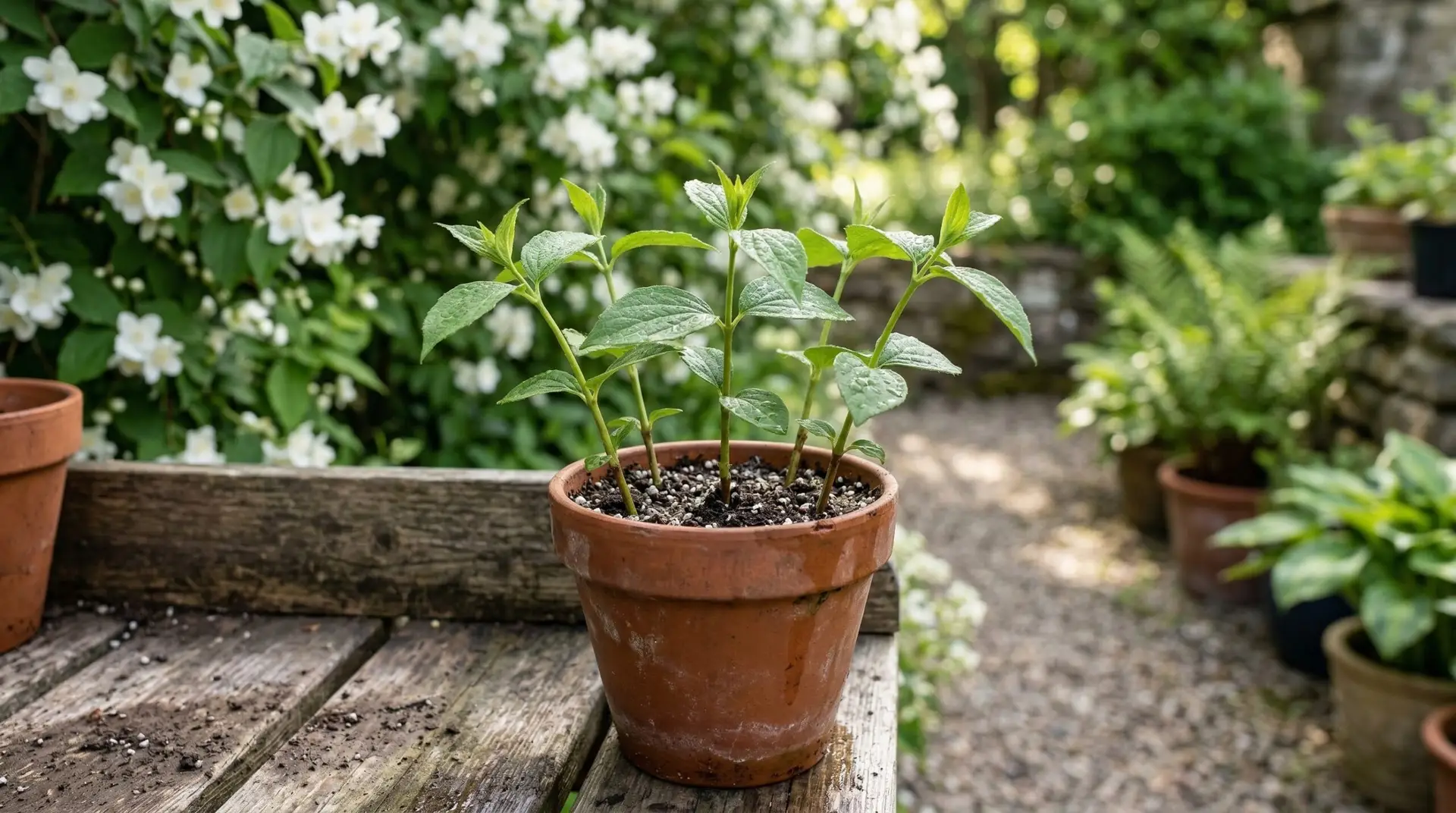
The most common method for mock orange propagation relies on taking softwood cuttings in late spring or early summer, typically around June. Softwood refers to the fresh, green growth that has just emerged during the current season, before it has had a chance to harden into brown, woody bark. You can identify the perfect softwood by bending the tip of a new shoot. If it bends and snaps cleanly, like a fresh green bean, it is ready to be used as a cutting. Because this green tissue is actively growing, it contains high levels of natural rooting hormones and can produce new roots very quickly. The challenge with softwood is that these tender leaves lose moisture rapidly, and without a root system to pull up replacement water, the cutting can wilt and die before it has a chance to root.
To prevent this wilting, we have to carefully manage the moisture around the cutting. After taking a piece of stem about four to six inches long, you will strip off all the leaves from the bottom half. Those lower leaves would just rot under the soil, and removing them creates small wounds where roots can easily emerge. Plant the bare lower half of the stem into a small pot filled with a mix of potting soil and perlite, which holds moisture while allowing oxygen to reach the developing roots. Then, cover the entire pot with a clear plastic bag to trap the humidity inside, creating a miniature greenhouse. Just like when propagating a forsythia, this humid dome is a life support system, keeping the remaining leaves plump and hydrated while the underground cells go to work building roots.
Relying on stored energy with hardwood cuttings
If you miss the early summer window for softwood, you can take a completely different approach during the winter months using hardwood cuttings. Hardwood cuttings are taken when the mock orange has dropped its leaves and entered deep winter dormancy. At this stage, the wood is rigid, brown, and packed with stored carbohydrates that the plant gathered during the summer. Because there are no leaves to lose moisture, hardwood cuttings do not require the careful humidity management of the plastic bag greenhouse. You are simply taking advantage of the plant’s quiet period to set up the conditions for spring growth. This method requires much less active attention, though it demands a bit more patience as the roots will not begin to form until the soil warms up months later.
Taking hardwood cuttings involves selecting a healthy branch that grew during the previous summer and cutting it into sections about eight inches long. You will want to make a straight cut just below a leaf bud at the bottom, and a slanted cut at the top so you always remember which end points toward the sky. These sticks are then buried deeply in the garden soil or in a deep pot kept in an unheated garage, with only the top bud or two left exposed above the dirt. Over the winter, the cut end forms a protective callus, and as spring arrives, the stored energy inside the thick stem pushes out roots below ground at the exact same time the top buds begin to open into leaves. The process is very similar to how you might root a dormant lilac branch, relying on the natural rhythm of the seasons rather than artificial humidity.
Ground layering for passive propagation
While taking cuttings is highly effective, there is another method called simple ground layering that offers an almost guaranteed success rate for beginners. Layering involves encouraging a branch to grow roots while it is still physically attached to the parent plant. Because the branch remains connected, the parent mock orange continues to supply it with a steady stream of water and nutrients through the existing root system. The branch is never at risk of drying out or starving, taking all the stress out of the propagation process. This method mimics what often happens in nature when a heavy branch gets pinned to the forest floor under fallen debris and eventually roots itself to form a thicket.
To layer a mock orange, look for a long, flexible branch growing near the base of the shrub that can easily be bent all the way to the ground. Dig a shallow trench in the soil right where the branch touches down. Before burying the middle section of the branch, use a sharp knife to gently scrape away a small patch of bark on the underside of the stem. This scraping interrupts the downward flow of sap, causing the plant’s natural rooting hormones to pool exactly where you made the wound. Pin that wounded section firmly into the trench using a metal garden pin or a heavy rock, cover it with soil, and leave the leafy tip of the branch sticking up out of the ground. By the following spring, that buried section will have grown a dense mass of its own roots, at which point you can snip the connection to the parent plant and dig up your new, fully independent shrub.
Learning to read the plant and understanding whether it is actively growing in June, resting in winter, or ready to be layered takes a season or two to get a feel for, and that is completely normal. The first time you gently tug on a cutting and feel the resistance of new roots anchoring it to the soil, the underlying biology suddenly makes perfect sense. Philadelphus cuttings naturally want to grow, and your only task is to provide the moisture and time they need to express that survival instinct. You are simply guiding the energy the plant already possesses into a new form. By matching your propagation method to the current season and paying attention to the plant’s internal clock, you gain the ability to multiply your garden indefinitely without relying on nursery stock.
More About Mock Orange

Mock orange flowers for homemade perfume and potpourri with an orange blossom scent

Companion plants for mock orange: what to grow and avoid

Mock orange as a fragrant hedge that fills the neighborhood with perfume in June
Mock orange flower meaning and why this shrub has fooled people into thinking it is an orange tree
Dwarf mock orange varieties for small gardens that still deliver incredible fragrance
Best mock orange varieties from compact Snowbelle to the intensely fragrant Virginal
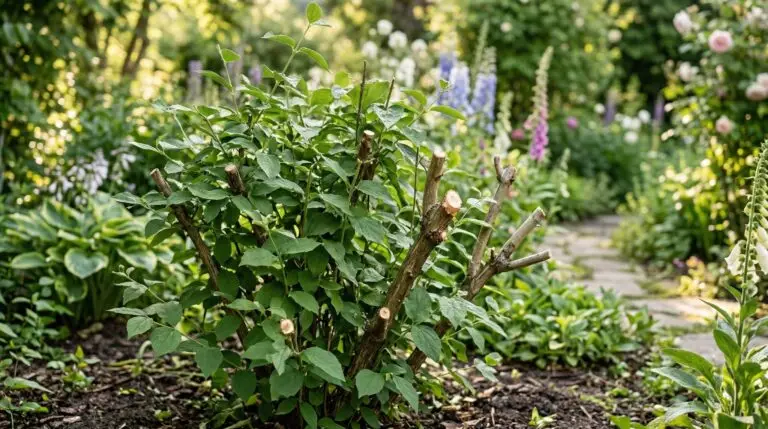
Why mock orange is not flowering and the common reasons this shrub refuses to bloom
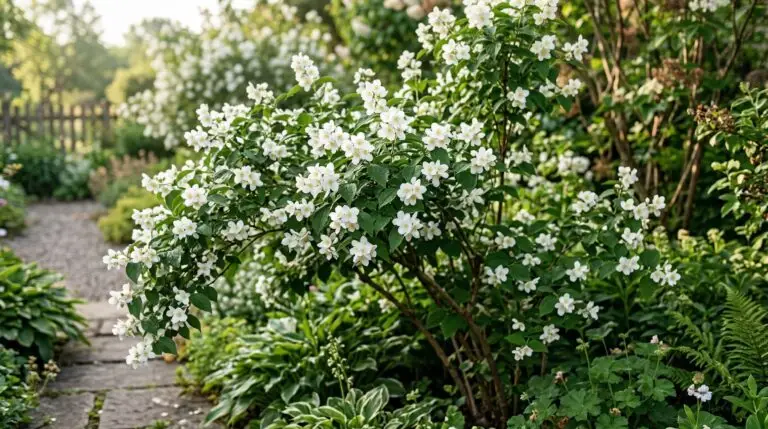
How to grow mock orange for intoxicating citrus-scented white blooms in early summer

Pruning mock orange right after flowering to keep it shapely and blooming every year
Enjoying our flower guides? Add YourFlowersGuide as a preferred source on Google. It helps more readers find us.
Add to Preferred Sources