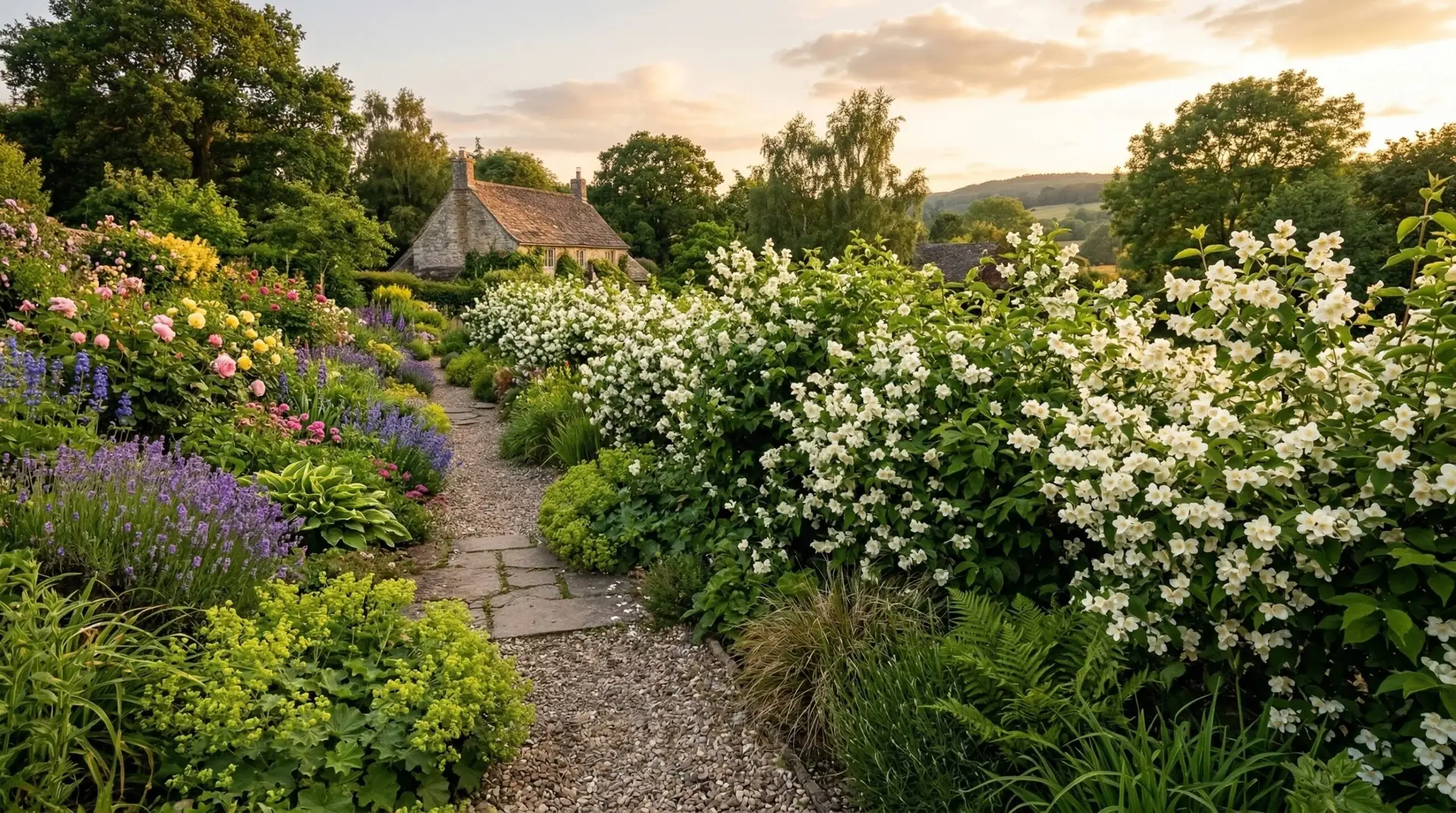
Planning a mock orange hedge requires accepting a specific trade-off between an intense, citrus-scented bloom period in early summer and plain green foliage for the rest of the year. Before purchasing dozens of shrubs, you must evaluate if you have the space for an informal, arching growth habit. This plant does not work as a formal, tightly clipped boundary line. The Philadelphus genus produces heavy flowers for about four weeks in June, and then it becomes a background plant. Understanding this seasonal limitation dictates how and where you should place this hedge on your property. Your planning process must account for the plant’s mature size, its specific pruning needs, and how it will function in your yard during the eleven months it is not in bloom.
Contents 3 sections
Assessing your site and budget for a fragrant hedge
Before choosing varieties, evaluate your site carefully to ensure it can support a healthy row of shrubs. A mock orange hedge requires full sun to produce the dense flower clusters that create its signature perfume. Watch your proposed planting area throughout the day to confirm it receives at least six hours of direct sunlight. The soil must drain well, as these shrubs will struggle and develop root rot in areas where water pools after a heavy rain. You also need to measure the available width, because an unpruned mock orange easily reaches six to eight feet across at maturity. Forcing this shrub into a narrow space between a sidewalk and a fence will lead to constant pruning and a loss of its natural, graceful shape.
Your budget and timeline will dictate how you source your plants for a long property line. Buying mature, five-gallon container shrubs provides an immediate visual boundary, but this approach becomes expensive when planting a large area. If you have a tight budget and are willing to wait, you can purchase bare-root shrubs in early spring for a fraction of the cost. Bare-root plants require more careful handling and immediate planting upon arrival, but they adapt quickly to native soil. Expect a bare-root hedge to take three to four years to reach a substantial height and produce a heavy bloom. Container-grown shrubs will give you flowers in their first year, though their primary focus will still be root establishment.
Executing the informal planting layout
Proper spacing determines the long-term success of your philadelphus hedge. For a solid but informal screen, space the individual plants about four to five feet apart from the center of one trunk to the center of the next. Planting them any closer will cause the mature branches to tangle aggressively, reducing air circulation and increasing the risk of powdery mildew. Dig a continuous trench or individual holes that are twice as wide as the root balls but exactly the same depth. Setting the plants too deep will suffocate the roots and stunt their growth during the important first season. Water the entire planting line thoroughly immediately after backfilling the soil to settle any air pockets around the roots.
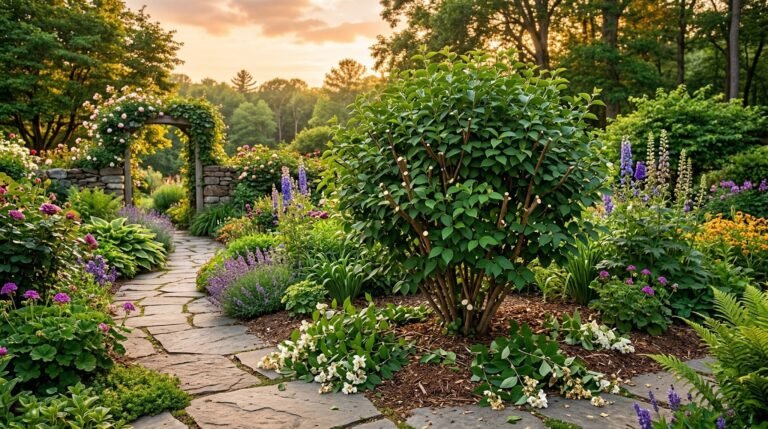
Because mock orange has a short blooming window, you might want to integrate it into a mixed border rather than planting a single species. A solid wall of green foliage from July through October can feel heavy in a small yard. You can alternate mock orange with other spring-blooming shrubs to stretch the flowering season across several months. Planting early bloomers like forsythia will bring bright yellow color to the hedge line in early spring long before the mock orange wakes up. Adding a few late-spring bloomers such as lilac bridges the gap between the very early shrubs and the June explosion of the mock orange. This staggered approach requires careful spacing calculations, as each species has a different mature width and growth rate.
Managing the ongoing maintenance timeline
The maintenance commitment for a mock orange hedge is low for most of the year but requires a specific, intense pruning session right after the flowers fade. These shrubs bloom entirely on old wood grown during the previous season. If you prune them in late summer, fall, or winter, you will cut off all the flower buds for the following June. The correct approach is to wait until the white petals drop, then remove about one-third of the oldest, thickest stems all the way to the ground. This renewal pruning encourages fresh, vigorous shoots to emerge from the base, keeping the hedge dense and productive. Skipping this annual task results in a top-heavy shrub with bare, woody legs at the bottom.
Beyond the annual pruning, your time commitment involves basic watering and occasional feeding. During the first two years, you must provide consistent moisture to help the hedge establish a deep root system. Plan to water deeply once a week if your area does not receive an inch of rain. Once established, mock orange is fairly drought tolerant and will only need supplemental water during extended dry spells. Fertilizer needs are minimal in reasonably fertile soil, and applying too much nitrogen will cause the plant to push out lush green leaves at the expense of its fragrant white flowers. A single application of balanced granular fertilizer in early spring is usually all the hedge needs to support its summer growth.
To get started this week, take a measuring tape out to your yard and mark your desired hedge line with stakes and string. Measure the total linear footage and divide by five to calculate exactly how many shrubs you will need to purchase. Dig a small test hole along this line and fill it with water to verify that your soil drains within a few hours. If the drainage is good and the sunlight is adequate, you can begin contacting local nurseries to check their spring inventory or place an order for bare-root plants. You might also want to look into incorporating a viburnum or two into your design to add some fall berry interest to the planting line. This initial site work guarantees you are buying the right number of plants for the space you actually have.
More About Mock Orange
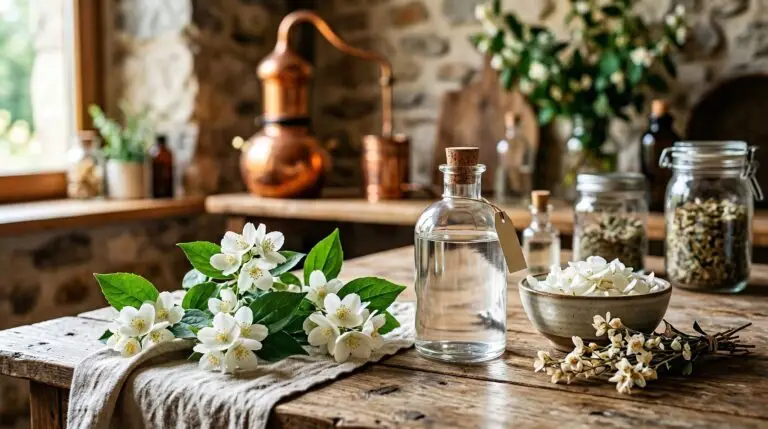
Mock orange flowers for homemade perfume and potpourri with an orange blossom scent

Companion plants for mock orange: what to grow and avoid
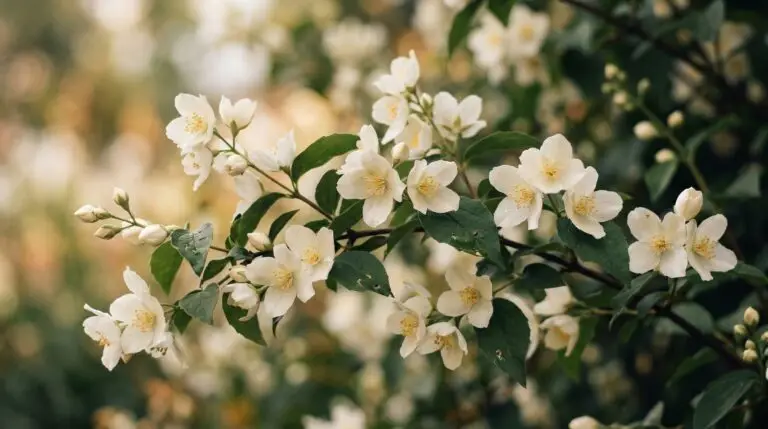
Mock orange flower meaning and why this shrub has fooled people into thinking it is an orange tree
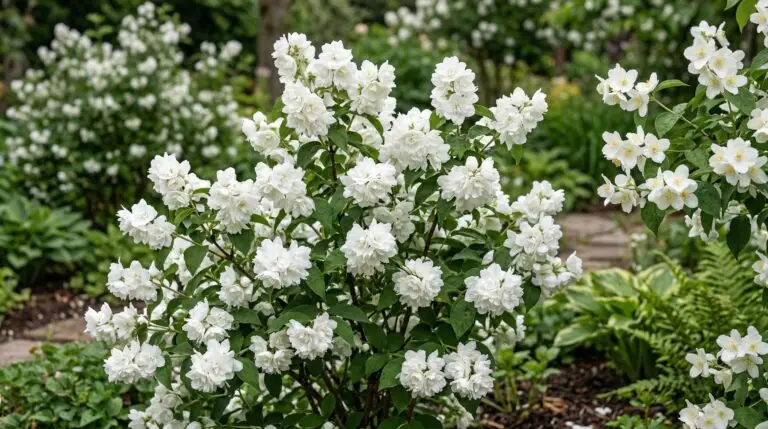
Dwarf mock orange varieties for small gardens that still deliver incredible fragrance
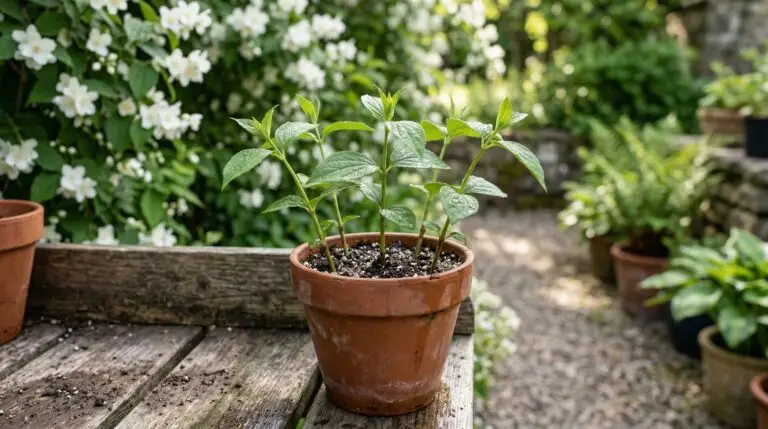
How to propagate mock orange from cuttings for free new shrubs from your favorite plant
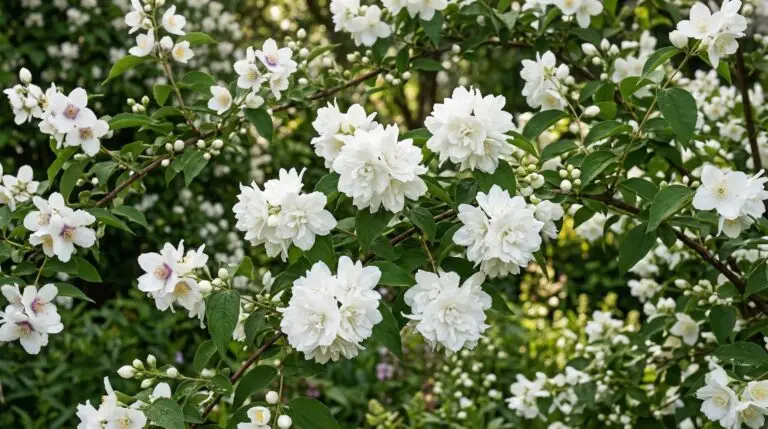
Best mock orange varieties from compact Snowbelle to the intensely fragrant Virginal
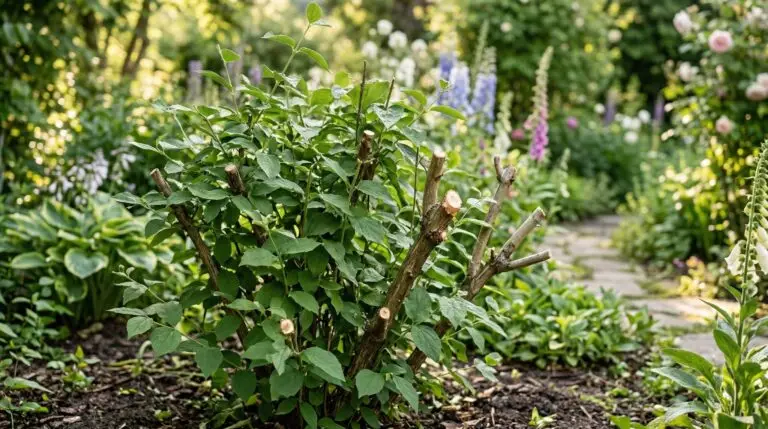
Why mock orange is not flowering and the common reasons this shrub refuses to bloom
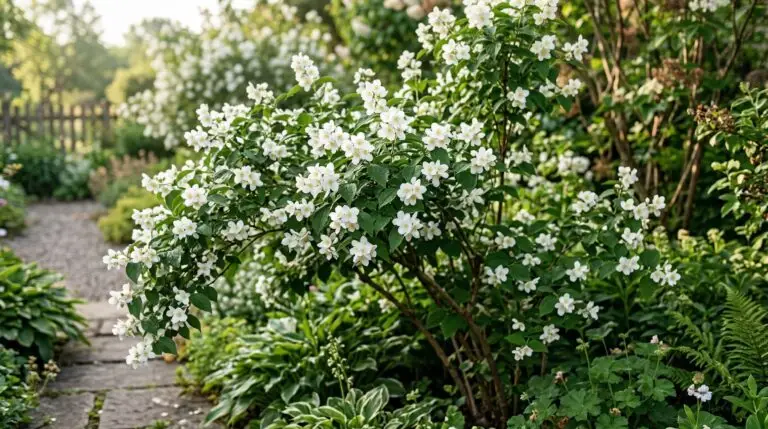
How to grow mock orange for intoxicating citrus-scented white blooms in early summer
Pruning mock orange right after flowering to keep it shapely and blooming every year
Enjoying our flower guides? Add YourFlowersGuide as a preferred source on Google. It helps more readers find us.
Add to Preferred Sources