
How to Grow and Care for Oncidium orchid
Contents
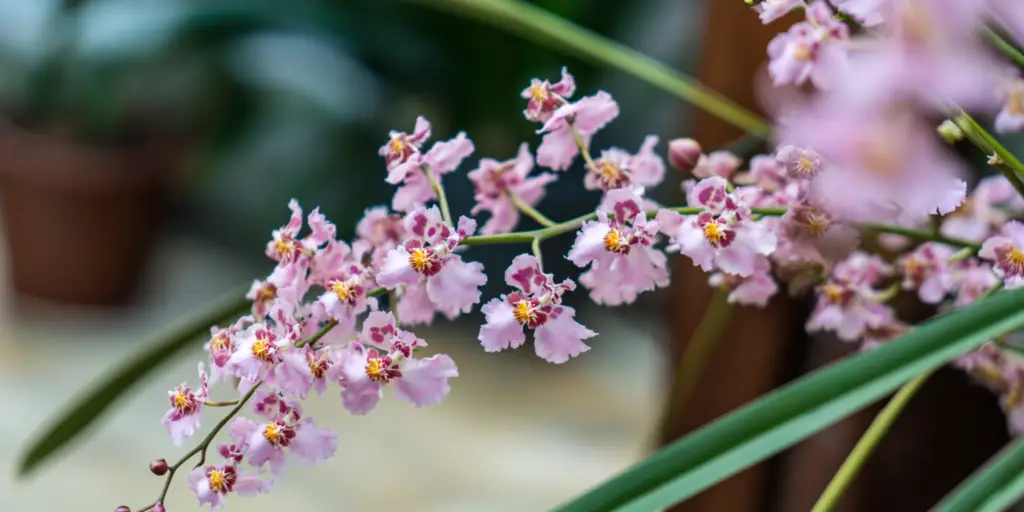
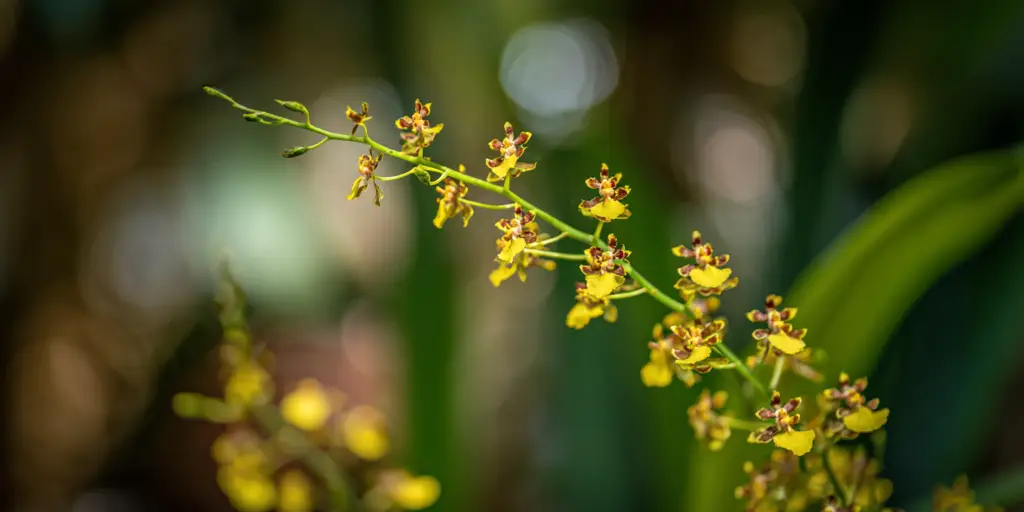
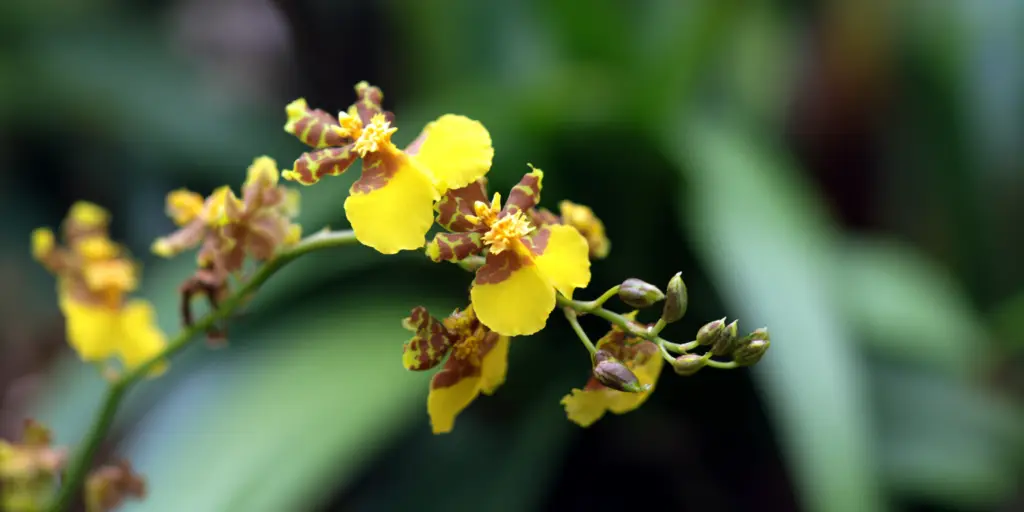
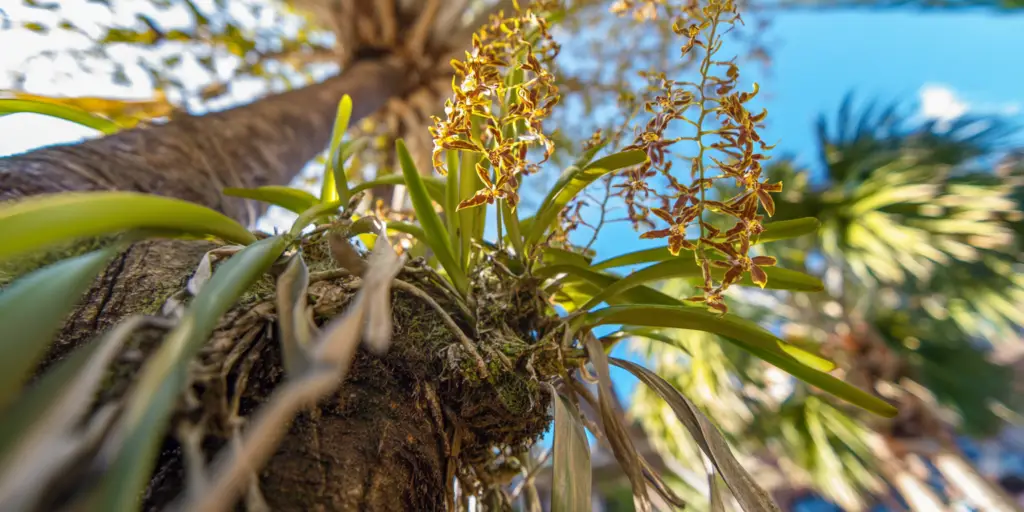
Oncidium orchid is the accepted common name for the genus Oncidium Sw., a diverse group within the orchid family Orchidaceae. Gardeners know them as dancing lady orchids because many flowers have a full, skirted lip that suggests motion in a breeze. Plants typically carry ovoid pseudobulbs and narrow to straplike leaves, then send up branched sprays that can hold dozens of blooms. Retail plants are sometimes labeled as Oncidium alliance hybrids, which simply means they are close relatives that share similar cultural needs. These orchids are epiphytic in the wild, so they grow on trees rather than in soil.
Hardiness overview: Oncidiums are tender tropicals. They do not tolerate frost and are best grown as houseplants in most of the United States. In frost free regions, they can live outdoors all year with shelter from heavy rain and midday sun. Ideal sunlight: bright filtered light indoors and bright morning sun outdoors with dappled shade by midday.
Snapshot of success: Give Oncidium orchid bright light that does not scorch, temperature around 70 to 85°F (21 to 29°C) by day with nights near 60°F (16°C), steady humidity near 40 to 60 percent, and a free draining orchid mix that allows roots to breathe. Water deeply, then let the top portion of the mix approach dryness before watering again. Feed lightly during active growth and repot only when the medium breaks down or the plant outgrows the pot. With this routine, Oncidium orchid care rewards you with long lasting sprays of flowers in yellow, white, bronze, and purple tones that fit beautifully with displays of yellow flowers, white flowers, or purple flowers in the home.
Soil & Bed Preparation
Epiphytic roots and why soil does not work: Oncidium orchid is adapted to cling to bark and to draw air around its roots. Standard garden soil or potting soil holds too much water and blocks oxygen, which can kill the root system. The correct approach is a purpose made orchid medium that allows fast drainage and strong air movement within the pot. A typical blend for Oncidium includes fine to medium fir bark or tree fern fiber with additions such as perlite, charcoal, or a light layer of long fiber sphagnum near the top. These components keep the mix airy and slow to compact.
Pot type and size: Select a pot with many large drainage holes. Clay increases evaporation and suits growers who tend to water often. Plastic retains moisture longer between waterings. Pick a pot that leaves about 1 to 2 inches of open space around the outermost growths so the next season’s new pseudobulbs have room. Overpotting invites rot and is a common cause of decline.
Raised beds vs in ground: Because Oncidium is epiphytic, do not set plants in raised beds or directly in garden soil. In warm regions the plants can be grown outdoors in slatted orchid baskets or mounted on cork or hardwood slabs with a wrapping of sphagnum over the roots. Mounts dry quickly and need attentive watering, especially in hot weather.
Drainage Test and pH Targets: After potting, water the plant thoroughly and watch how fast excess water runs from the drainage holes. A properly built mix should drain almost immediately and feel springy and open rather than soggy. If water pools on the surface or the pot feels heavy for several minutes, add more coarse bark or perlite. For nutrient availability, slightly acidic conditions are preferred. Many orchid media and fertilizers perform well when irrigation water and root zone pH land roughly in the 5.5 to 6.5 range, and some extension sources list orchids with an acidic preference near 4.5 to 5.5. You do not need to micromanage exact numbers, but if your tap water is very alkaline or softened with sodium, switch to rainwater, distilled, or filtered water and flush the pot regularly.
How to correct issues: If the medium stays wet for too long, repot into a fresher, coarser blend and make sure the pot has unobstructed holes. If leaves show tip burn and the pot feels crusty with white deposits, dissolve salt buildup by flushing with clear water until it pours freely from the pot and repeat monthly. When roots appear shriveled and the mix dries in a day, add a little more moisture retention with a top layer of long fiber sphagnum kept only lightly moist.
Planting Calendar by USDA Zone
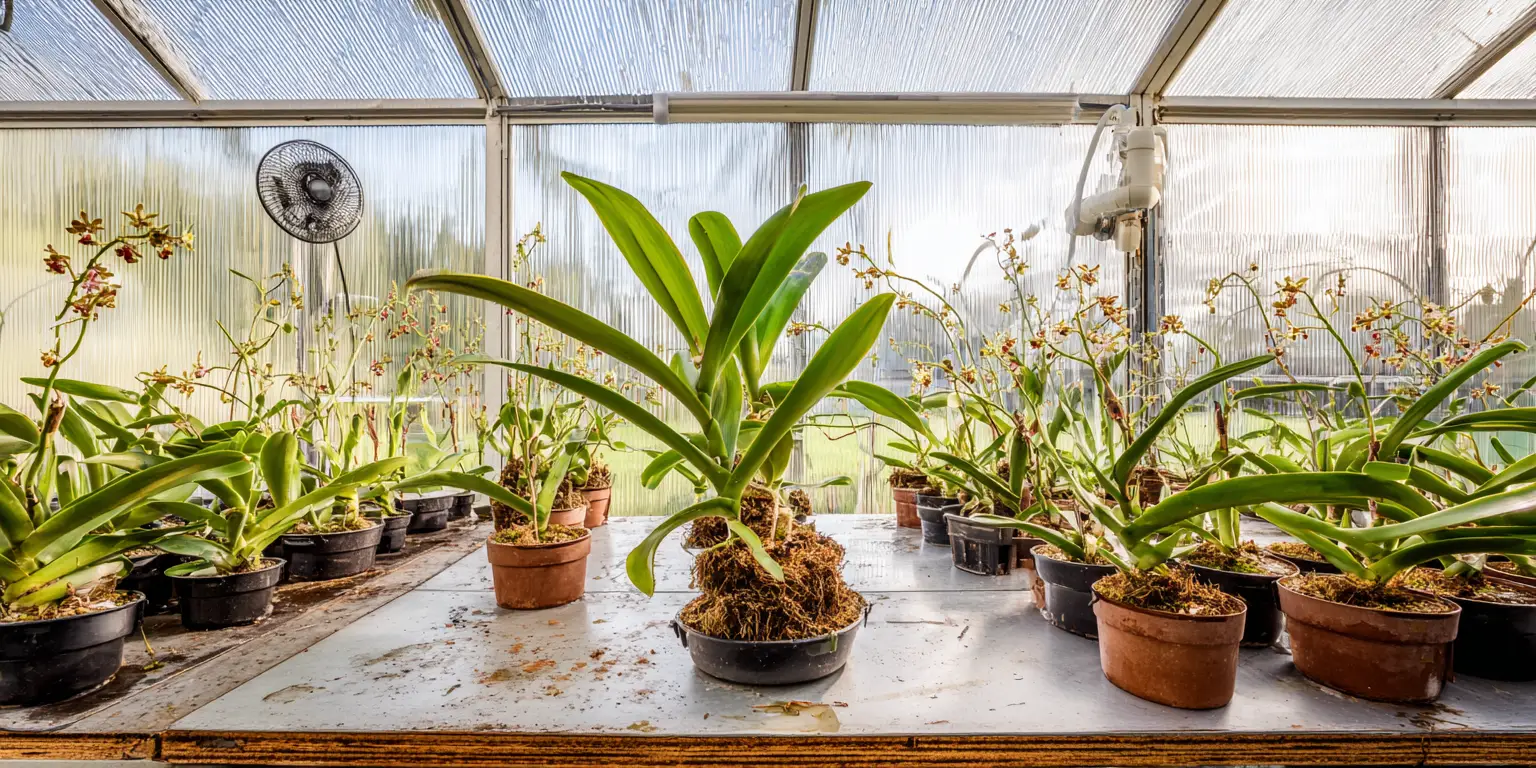
Oncidium orchid is not frost hardy, so plan movement and placement by local frost dates rather than a fixed spring or fall window.
Zones with frost each winter: In zones 3 to 9, grow Oncidium indoors all year or outdoors only in frost free months. Move plants outside after the last spring frost when nights stay at or above 60°F (16°C). Bring plants back inside at least six weeks before the first expected fall frost or any time nights trend below 55°F (13°C). Place outside in bright shade that receives gentle morning sun and protect from windy, arid exposures.
Frost free regions: In much of zones 10 to 12 you may grow Oncidium outdoors all year. Provide bright filtered light beneath open tree canopies or under shade cloth. Shelter plants during prolonged heat spikes above 95°F (35°C) and during cold fronts that push night temperatures into the low fifties.
Microclimate caveats: Along hot humid coasts, increase air movement to reduce leaf spotting and rot. In arid interiors, cluster plants on humidity trays and water early in the day so foliage dries by evening. In high elevation towns with intense sun, deepen shade at midday and give extra humidity.
Planting: Depth & Spacing
Container grown plants: Most Oncidium orchids are sold in pots. Set the plant so the rhizome sits on or slightly above the medium and older pseudobulbs sit just at the surface. Do not bury the crown. Spread live roots gently over a cone of fresh mix, then fill around the roots and firm just enough to anchor the plant. Leave about one inch between the newest pseudobulb and the pot rim so new growth has room to advance. A three to five inch pot is common for a small to medium plant.
Divisions: Divide only when the plant has outgrown the pot or the medium has broken down. Each division should carry at least three mature pseudobulbs with a visible new growth. Trim away dead roots with sterile pruners. Set divisions at the same height as before, with the oldest bulbs near the pot wall and the newest growth aimed toward the center to extend the lifespan of the planting. Keep divisions shaded a little brighter than usual but out of direct midday sun for two weeks to reduce stress.
Mounted plants: If you are in a warm climate or provide greenhouse conditions, mount Oncidium on cork or hardwood with a thin pad of sphagnum over the roots. Tie gently with biodegradable twine. Mounts require more frequent irrigation and consistent humidity, especially in summer.
Minimizing transplant shock: Repot at the start of new growth so new roots can enter the fresh mix quickly. After repotting, water lightly once to settle the medium, then resume normal watering when the top layer begins to dry. Hold fertilizer for one to two weeks. Maintain bright, indirect light and steady air movement while the plant reestablishes.
Spacing for airflow: Whether indoors on a shelf or outdoors on a bench, allow at least 6 to 8 inches between pots so leaves do not touch. This spacing improves light penetration and reduces spread of pests. It also helps flowers display well. This makes Oncidium an attractive companion in a mixed indoor display with types of flowers from your broader collection.
Watering & Mulching
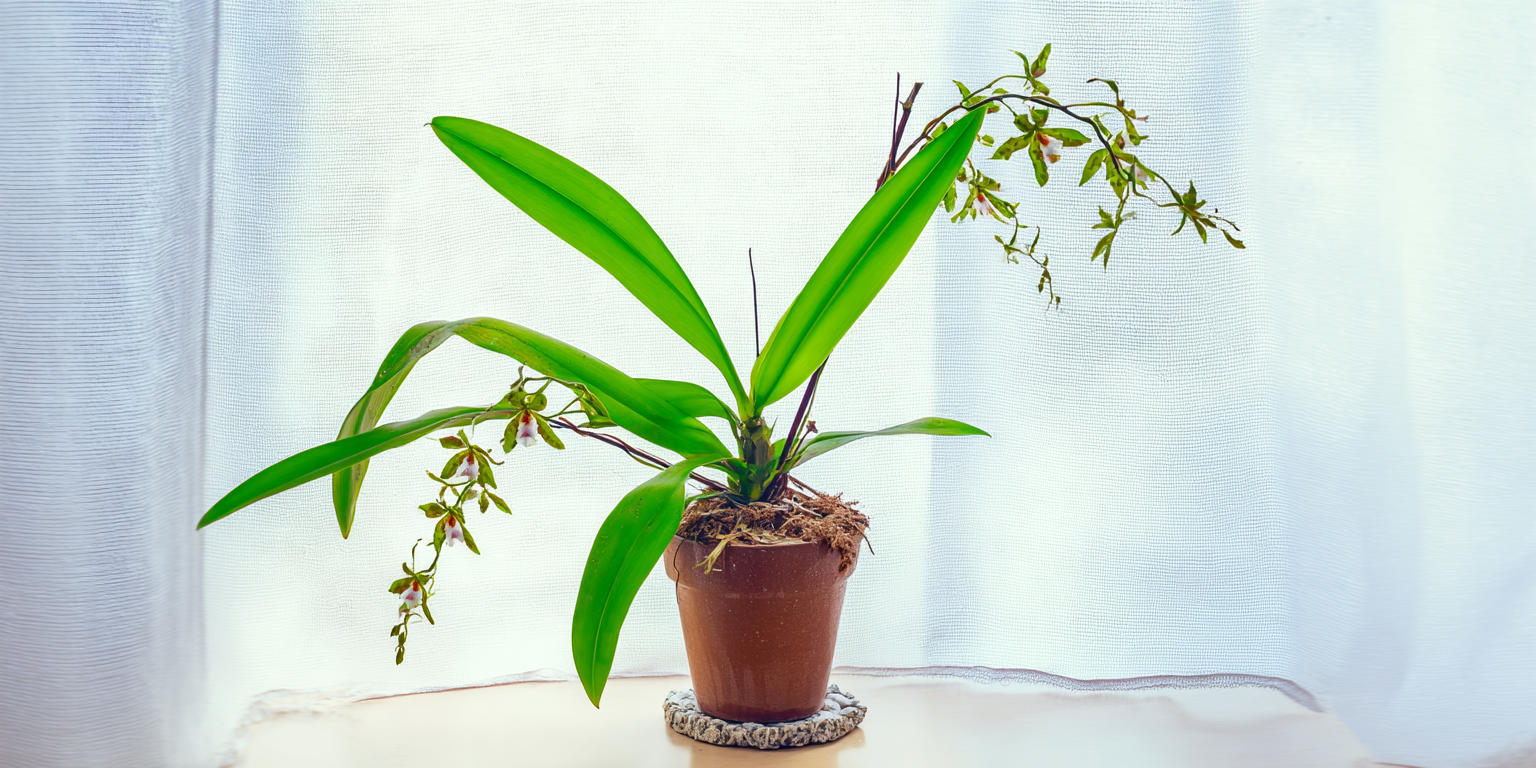
Water with a thorough soak until water streams from the pot. Then allow the medium to dry at least halfway through before watering again. Thin leaves and a constant push of new growth usually mean an Oncidium that prefers slightly more frequent moisture. Thick, succulent leaves on mule ear types mean longer dry intervals. In warm bright summer conditions many potted Oncidiums need water every 4 to 7 days. In cooler or lower light periods they may need water every 7 to 14 days. Watch the mix rather than the calendar.
How to read the plant and medium: Pseudobulbs that develop accordion like pleats signal irregular moisture. Very dry mix feels coarse and light, while properly moist mix feels springy like a wrung out sponge. A bamboo skewer inserted into the pot makes a simple moisture indicator. If the skewer pulls out almost dry, water.
Humidity and leaf drying: Keep ambient humidity around 40 to 60 percent. Indoors, use humidity trays or group plants. Always pair humidity with gentle air movement from a small fan. Water early in the day so leaves dry before night.
Mulch notes: Traditional mulches are not used for potted orchids. A very thin top dressing of long fiber sphagnum can help keep upper roots from desiccating in a bright window, but keep it barely moist. For mounted plants, a thin wrap of sphagnum around the root pad serves the same function and must never be kept dripping wet.
Heat spikes, drought, and water quality: During heat spikes above 95°F (35°C), increase watering frequency and add more shade while keeping air moving. In prolonged drought or very low humidity, maintain a humid microclimate and reduce direct sun until conditions improve. If tap water is very hard or artificially softened with sodium, salts can accumulate and burn roots. Use rainwater, distilled water, or filtered water for sensitive orchids and flush pots with plain water every two to four weeks to clear residues. These practices will keep displays harmonious with cut stems from roses, tulips, or daffodils you may bring indoors for seasonal color.
Feeding
Oncidium orchids are light feeders but respond to regular nutrition during active growth. Apply a complete orchid fertilizer at quarter to half strength every one to two weeks when new leaves and roots are forming. Many growers use a nitrogen forward blend on bark based media because bark ties up nitrogen as it decomposes. When plants grow in non bark media, a balanced blend works well. As flower spikes begin, switch to a formulation with a higher proportion of phosphorus and potassium if you prefer, or continue a balanced program at low strength. Skip fertilizer when plants rest in short days or cool conditions and during the first week after repotting. Flush the pot with clear water monthly to prevent salt buildup.
N P K guidelines in plain language: For plants potted in bark, a product near 30 10 10 applied very lightly during growth is common. For plants in other media, a 20 20 20 type product at low dose is widely used. A bloom oriented mix such as 10 30 20 may be used as spikes emerge. The exact numbers matter less than consistency, a low dose, and clean water.
Soil biology pointers and retesting: Orchid media are not soils, yet organic matter still breaks down with time. Replace the mix every two to three years before it compacts. If you maintain a collection under lights or in a sunroom, consider testing your water to understand total dissolved solids and alkalinity. If leaves show chronic tip burn and the mix crusts quickly despite flushing, salts are likely building up and water quality may need improvement.
Pruning & Support
Remove only dead or papery sheaths and spent flower spikes. Many Oncidium hybrids finish a bloom cycle and do not branch again from the old spike, while a few can produce secondary branches. When in doubt, wait until the spike browns before cutting near the base. Avoid pulling dried sheaths if they resist. Instead, slit with a sterile blade and peel away gently.
Deadheading specifics: Trim off individual spent blooms to keep the display neat, but do not cut the green spike prematurely. Once fully brown, cut the spike to just above its point of origin without injuring the pseudobulb.
Support and staking: Tall, branched inflorescences can become top heavy. Stake spikes early while they are still pliable. Use soft ties and leave space for the stem to thicken. Position stakes so the open spray faces the room and does not rub a windowpane or wall.
Tool hygiene: Always clean and disinfect cutting tools between plants to limit spread of pests and disease. A quick wipe or dip of pruner blades in 70 percent isopropyl alcohol is effective and easy. Avoid using undiluted bleach on fine pruning edges because it is corrosive, and rinse tools if bleach is used in any dilution.
Sanitation around the bench: Remove fallen leaves and old media from shelves and saucers. Keep benches free of standing water. Good air movement discourages fungus and reduces pest pressure before it starts.
Overwintering
When nights drop below 55°F (13°C), bring Oncidium orchid indoors. Place in bright light that includes one to three hours of gentle morning sun. Hold humidity around 40 to 60 percent and keep air moving. Water less often as growth slows and make sure the top layer of medium approaches dryness before you water again. Avoid cold windows where glass can chill leaves on winter nights. Outdoor plants continue through winter with modest growth. Protect from prolonged cold rain and from radiational cold on clear nights. A simple canopy or a move beneath a large tree is often enough. If a cold snap is forecast, shift pots under cover, reduce watering ahead of the event, and resume normal care once temperatures return to a safe range. Resume typical watering and light feeding as days lengthen and new growth starts. Increase exposure to morning sun gradually so leaves do not scorch in late winter brightness.
Growing Environments
Oncidium orchid grows well in a compact pot because roots appreciate a snug environment. A 4 to 6 inch pot holds most plants, while larger specimens need 6 to 8 inches. The goal is a pot just wide enough for two seasons of new growth. Fine to medium orchid bark mixed with perlite and charcoal is a dependable baseline. For homes with very dry air, a top layer of long fiber sphagnum can slow evaporation, but keep it barely moist. In very humid homes or greenhouses, increase the percentage of bark and use clay pots to encourage faster drying. Indoors, an east window that gives bright morning sun works very well. A south window with sheer curtains also suits most Oncidiums, especially in winter. North windows are usually too dim. Outdoors, hang or bench plants where they receive bright filtered light with direct sun only in early morning. Pale yellow green leaves signal strong light that encourages flowering. Dark green leaves mean light is too low. Sun scorch shows as bleached or tan patches that will not recover. In summer, avoid reflected heat from west facing walls and patios. In windy exposures, use windbreak fabric or site plants behind a lattice. These measures protect delicate sprays and help the plant hold moisture between irrigations. Displays that include wedding flowers guide arrangements or potted hydrangea macrophylla elsewhere on the patio benefit from the same sheltered light and steady moisture approach.
Companion Planting & Design
The fine branching sprays of Oncidium look elegant near broad leaved houseplants and in mixed indoor displays. For a bright corner, pair a yellow dancing lady with white moth orchids or with a pot of lavender kept in its own high light spot. The contrast between arching sprays and rounded rosettes from other plants adds interest without crowding. Many orchid growers display Oncidium with other epiphytic genera or with tropical foliage that likes the same humidity. Ferns, bromeliads, and hoya enjoy similar conditions. Keep pots separate to manage each plant’s watering needs precisely. Outdoors in frost free climates, you can swing baskets of Oncidium from tree branches where they share bright shade with mounted bromeliads. Leave at least 6 to 8 inches between pots to prevent leaves from touching. This spacing keeps air moving and reduces mealybug and scale outbreaks. Wipe benches and saucers often, and place pots on gridded shelves to promote drainage. When a spray finishes, the spike will brown and can be removed. To keep a display colorful year round, rotate blooming plants into front positions and tuck Oncidiums that are in leaf growth behind a spotlight plant. Mixing flower colors helps. Yellow and white Oncidiums pair well with potted sunflower bouquets used as weekend decor or with cut roses on a side table. Keep cut flowers in separate vases so sugar laden vase water does not splash the orchid medium.
References
- American Orchid Society. Oncidium Culture Sheet.
- American Orchid Society. Fertilizer and Water Quality for Orchids.
- American Orchid Society. Oncidium Alliance overview.
- Smithsonian Gardens. Care of Oncidium.
- Royal Botanic Gardens, Kew. Plants of the World Online: Oncidium Sw.
- Iowa State University Extension. Growing Orchids Indoors.
- ASPCA. Dancing Doll Orchid, Oncidium flexuosum: Non-Toxic to Dogs and Cats.
Written by: Your Flowers Guide editorial team
We are a small independent group of flower lovers who research and review each guide using trusted horticultural and educational sources. Learn more about us